Connect with us

Fashion

Denim The Ever-Evolving Fabric of Democracy and Sustainability

Published

on

DenimMainImageUpdate_v01_DG_1723050114253_hpMain_1x1

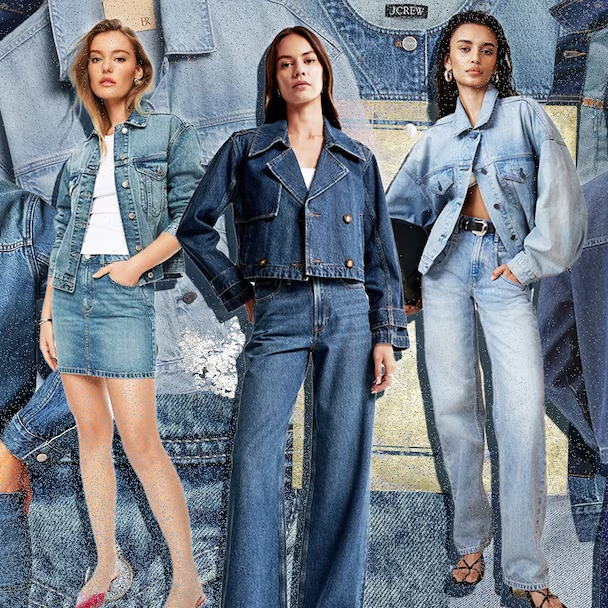
Few garments embody timelessness and versatility like denim. Worn across generations, genders, and cultures, jeans transcend social barriers and have cemented their place as a universal wardrobe staple. Denim’s rich history, rooted in workwear and rebellion, continues to evolve, blending tradition with innovation and sustainability.

A Growing Market with Ethical Challenges

Denim remains a robust market. As Rosey Cortazzi, global marketing director for Turkish denim supplier Isko, explains, “We’re extremely optimistic about the health of the denim market and have expanded our capacity to meet increased demand.” Isko has scaled its operations, reflecting denim’s enduring popularity. However, with growth comes responsibility. The denim industry, celebrated for its authenticity, must prioritise sustainability and worker welfare to uphold its values.

Fashion Revolution Week—held during the anniversary of the Rana Plaza collapse in Dhaka, Bangladesh—highlights the importance of transparency in the fashion supply chain. Brands like Dutch label MUD Jeans are leading the charge by integrating sustainable practices. MUD’s CEO, Bert van Son, emphasises the human aspect of production, stating, “It’s essential that the people who make our jeans live a good life.” MUD’s manufacturing processes save resources, recycle 95% of production water, and use post-consumer materials to create new jeans.

Levi’s, a brand synonymous with denim’s heritage, has demonstrated its commitment through the Worker Well-Being Initiative. This program, benefiting nearly 100,000 workers across 12 countries, goes beyond factory walls to improve lives through health education, family welfare programs, and financial empowerment. Levi’s plans to expand these efforts, aiming to positively impact 300,000 workers by 2025.

A Canvas for Innovation and Expression

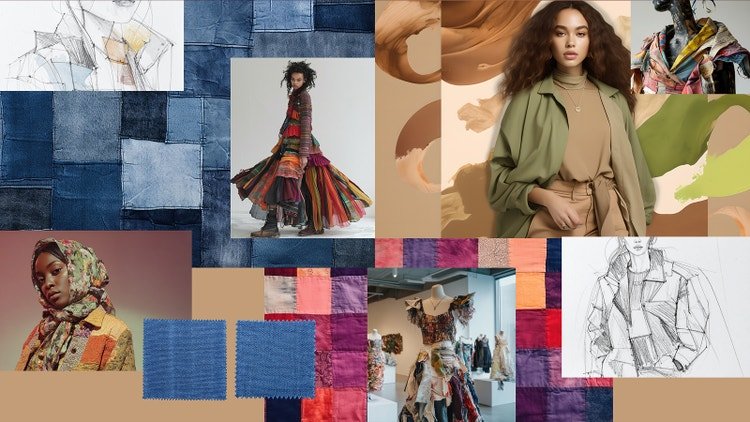
Denim’s versatility has inspired designers to push boundaries. Ritwik Khanna, founder of Rkive City, transforms denim through patchwork, embroidery, and avant-garde tailoring, creating zero-waste designs from post-consumer materials. “Denim is magic,” Khanna says. “It can be anything and is built to last.” His work celebrates denim’s ability to carry stories, with clients repurposing garments from loved ones into new creations.

The material’s rebellious spirit—immortalised by icons like James Dean and Marilyn Monroe—continues to inspire. Denim historian Mohsin Sajid notes its enduring identity as a medium for breaking rules. High fashion has embraced this ethos, with brands like Valentino and Bottega Veneta reimagining denim in luxurious and avant-garde ways. Meanwhile, sustainability-focused innovations, such as using natural tints or 3D creases, showcase denim’s capacity for reinvention.
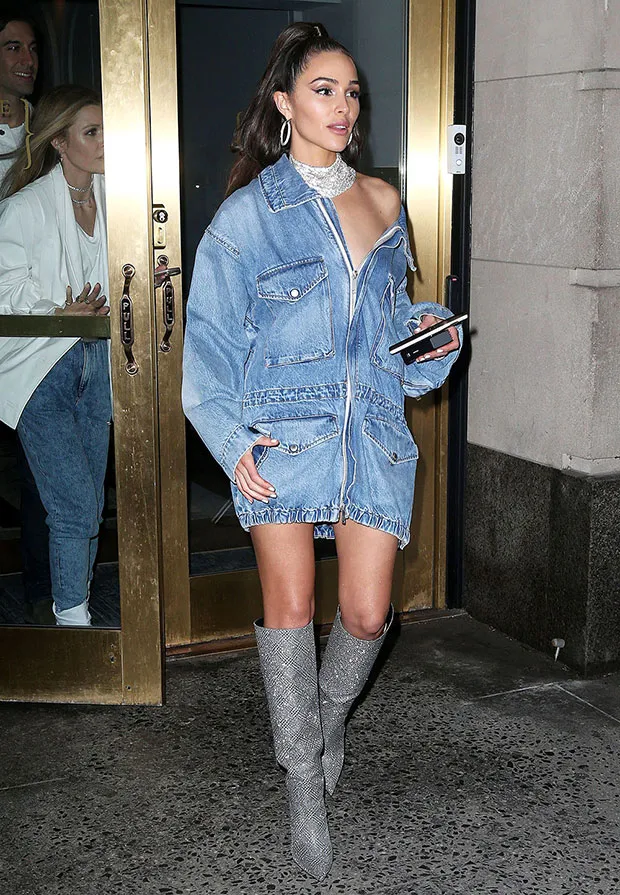
olivia-culpo-embed

Denim as a Symbol of Sustainability and Democracy

Denim’s narrative is intrinsically linked to sustainability. As Ani Wells, a sustainability consultant, observes, denim’s “living fabric” quality lends itself to longevity and innovation. From recycled fibres to eco-friendly dyeing techniques, the industry is embracing circularity through the principles of reuse, repair, and recycle.

This adaptability makes denim a symbol of democracy in fashion. As Khanna aptly puts it, “Everyone understands it, from your grandparents to your children. It communicates with anyone.” Denim’s journey—from its origins in 19th-century workwear to its role in modern sustainability efforts—illustrates its enduring relevance and its power to reflect societal values.

The Future of Denim

As we move toward a more sustainable future, denim is poised to lead the conversation. Its capacity to balance heritage with innovation and its role as a cultural touchstone ensure its place at the forefront of ethical fashion. Denim’s evolution mirrors the wisdom of age, proving that authenticity, resilience, and adaptability are timeless qualities. Indeed, denim remains a fabric for the people, by the people.


Sahil Sachdeva is the CEO of Level Up Holdings, a Personal Branding agency. He creates elite personal brands through social media growth and top tier press features.

Continue Reading
Click to comment

Leave a Reply

Your email address will not be published. Required fields are marked *

Fashion

The Renaissance of Vintage: Pop-Up Salons Reshaping Global Fashion

Published

on

Fashion765

On a sun-dappled autumn afternoon along New York’s Madison Avenue, a crowd of style aficionados converged for an event that felt worlds away from the typical retail frenzy. This was no blockbuster runway spectacle or capsule collection drop, but The Millennial Decorator’s boutique pop-up salon, an immersive blend of nostalgia and contemporary curation. At its center stood founder Julia Rabinowitsch, encircled by relics of fashion’s golden eras: Chanel loafers, Tom Ford-era Gucci heels, and a beaded purse once belonging to Carolyn Bessette-Kennedy.

These ephemeral salons are injecting fresh vitality into vintage fashion, delivering experiences that online shopping can never match: the electric rush of unearthing a hidden gem, the warmth of curator-to-collector bonds, and the poetic allure of history reimagined in tangible form. For Rabinowitsch, the mission transcends commerce. “It’s the emotional resonance that matters,” she notes. “Every piece has its narrative, and visitors seek the one that echoes their own.”

Rabinowitsch exemplifies a burgeoning cadre of vintage visionaries revolutionizing fashion consumption. Her events, staged in cozy boutiques or artistically charged spaces, present meticulously selected designer accessories, Cartier timepieces, Tiffany & Co. pendants, and handbags embodying enduring artistry. By personally sourcing items and weaving their backstories, she bridges today’s consumers with the perennial magnetism of yesteryear.

In Paris, entrepreneur Mariana Vergara is pioneering a parallel path with her Merci, c’est vintage pop-ups. Her concept fuses pre-owned treasures with fresh creative sparks, incorporating partnerships with up-and-coming talents. Hosted in cities like Paris, New York, and lately Ibiza, these gatherings resemble dynamic art installations more than mere shops. They showcase vintage jewelry, apparel, and artisanal works from global creators, fostering a cross-cultural conversation in style.

Vergara views her salons as communal hubs above all. “We’re uplifting makers many of them women and providing spaces for collective advancement,” she says. This collaborative ethos defines the events, with regulars like Olivia Ball of Laoli and Silvia Dusci of Le Sundial displaying their exquisite jewelry and accessories to an international clientele.

Such pop-ups are reimagining fashion retail in an era dominated by screens. Instead of scrolling through infinite digital inventories, guests engage via narratives, textures, and interpersonal ties. Each salon doubles as a marketplace and a creative forum, a contemporary twist on traditional trunk shows, where attendees interact with designers, absorb collection inspirations, and commission bespoke items.

This vintage resurgence mirrors evolving consumer priorities. With sustainability and ethical practices gaining prominence, buyers gravitate toward superior craftsmanship, durability, and uniqueness. Pre-loved items not only bear historical weight but also counter fast fashion’s disposability, advocating thoughtful acquisition. From Rabinowitsch’s Upper East Side soirées to Vergara’s Parisian assemblies, the focus remains on excellence over excess and sentiment over spontaneity.

The ascent of these curators heralds a broader evolution in luxury. Iconic houses like Gucci and Chanel are reviving archival motifs, while resale giants such as The RealReal and Vestiaire Collective have ballooned vintage into a multibillion-dollar sector. Still, independent curators distinguish themselves through intimacy, the profound links they forge with objects and owners alike.

As Vergara gears up for her festive pop-up at New York’s The Invisible Collection, she envisions it as a tribute to skill, serendipity, and the universal vocabulary of elegance that defies eras and geographies. Her philosophy underscores that true innovation can lie in reclamation, honoring the mastery of bygone days.

Amid fleeting trends and immediate desires, curators like Rabinowitsch and Vergara are restoring fashion’s essence. Their salons affirm that true style endures in the tales we adorn and the heritage we perpetuate.

Continue Reading

Fashion

Resale Revolution: Second-Hand Fashion Claims Luxury’s Crown in 2025

Published

on

1712955762249

From Thrift to Thriving: The Explosive Growth of Resale

Second-hand fashion has evolved from fringe to forefront, projected to hit $350 billion globally by 2030 per ThredUp’s 2025 Resale Report, growing three times faster than traditional retail. Luxury platforms like The RealReal and Vestiaire Collective now rival primary retailers, while fast-fashion giants H&M and Zara roll out in-house resale lines. Even heritage houses Gucci and Balenciaga embrace certified pre-owned programs, erasing stigma and cementing resale as a cultural and commercial force. What was once dismissed as “used” is now a badge of savvy sophistication.

Why Gen Z and Millennials Are Driving the Shift

Younger consumers redefine value, blending ethics, economics, and expression. Gen Z and Millennials prioritize conscious consumerism, owning less, choosing better making sustainability aspirational. Social media amplifies this: influencers flaunt “pre-loved” Chanel bags and vintage YSL, turning thrifting into a flex. Inflation and stagnant wages further fuel the fire; resale delivers designer pieces at fractions of retail cost while letting sellers cash in on dormant closets. It’s affordability with attitude, sustainability with style.

Tech, Trust, and the Road Ahead for Circular Fashion

Technology powers resale’s credibility. AI-driven image recognition roots out counterfeits, blockchain certifies provenance, and smart logistics streamline shipping—making platforms nearly as reliable as flagship stores. Mobile apps with personalized algorithms turn browsing into treasure hunts, merging eco-consciousness with digital delight.

Yet challenges persist. Authentication is costly, margins slim, and logistics carbon-heavy. Brands fear cannibalized sales or diluted exclusivity. Still, the math favors circularity: extending garment life by nine months cuts carbon, waste, and water footprints 20–30%, says WRAP. Resale spawns innovation—repair hubs, upcycling studios, new jobs, proving sustainability can be profitable.

In 2025, second-hand isn’t a compromise; it’s the new luxury. It’s not about having less, it’s about wanting more from what already exists.

Continue Reading

Fashion

Accademia Costume & Moda Pioneers Eco-Conscious Haute Couture at Milan Showcase

Published

on

balenciaga-02-1000x900

Milan, Italy,  In a captivating display of innovation and responsibility, twelve talented students from Accademia Costume & Moda (ACM) illuminated the runway at Fashion Graduate Italia on October 29. Their capsule collections redefined haute couture by blending emotional depth, technical precision, and a staunch commitment to sustainability, signaling a transformative shift in Italian fashion’s legacy.

Emerging Visions: Personal Narratives on the Runway

Guided by Santo Costanzo, ACM’s fashion department head, the event spotlighted master’s students in Haute Couture and Fashion Design. Each designer presented a unique capsule collection, weaving intimate stories through fabric and form.

Standouts included Andrea Chiarato’s And something else happens and everything else is gone, a meditation on fleeting moments; Carolina Balbinotto’s Lovers, exploring romantic connections; Joana Rrapaj’s Whisper at the Wonder Bar, evoking secretive allure; and Leonardo Marinelli’s Manquen, delving into absence and presence. The lineup continued with Maddalena Guidi’s Il luogo dei fili leggeri, a tribute to delicate threads of memory; Maria Luisa Muller’s Tra le lettere, inspired by epistolary emotions; Mattia Sechi’s Inchiostro dell’Anima, capturing soulful ink-like expressions; and Mia Hasak’s Sunset, evoking transitional beauty.

Mikhail Errol Albano’s Bel fisico celebrated the body’s elegance and fragility, while Pablo Andreozzi’s La città invisibile uncovered hidden urban narratives. Ran Zhou’s Cold Romance contrasted chill with passion, and Sara Hegyi’s Tessuti dimenticati honored overlooked fabrics as symbols of heritage.

These creations transcended mere apparel, transforming couture into a canvas for introspection. Hand-embroidered details, unconventional shapes, and conceptual layers bridged heritage techniques with forward-thinking ideas, fostering a dialogue between fashion’s storied past and its evolving future.

Sustainability: The Core of Modern Couture

At the heart of ACM’s presentation was an unwavering focus on ethical practices, elevating sustainability from buzzword to foundational principle. Students partnered with esteemed Italian textile firms from historic districts, repurposing premium deadstock and bespoke materials to breathe new life into surplus fabrics.

This “revival of the forgotten” philosophy turned discarded elements into exquisite, meaningful pieces. As ACM’s leadership emphasized, “Sustainability is both an ideal and a tangible action. Our ties with Italian manufacturers enable students to innovate responsibly, fusing craftsmanship with ecological mindfulness.”

Key collaborators, Alesilk, Clerici, Gentili Mosconi, Isa Seta, Mazzanti Piume, and Spazio Chirale, provided high-end resources, reinforcing the academy’s mission to cultivate designers who prioritize planet alongside palette. The result? Opulent garments that prove luxury and ethics can coexist, even amplify each other.

In an industry often critiqued for excess, these collections showcased how mindful sourcing and material experimentation can yield couture of enduring allure. ACM is reshaping fashion education, equipping graduates to lead with conscience in a world demanding accountability.

Bridging Heritage and Horizon: Fashion’s Conscious Evolution

Italy’s couture tradition, rooted in meticulous tailoring and artisanal excellence, found fresh interpretation in Milan’s spotlight. These young creators infused classic methods with bold inquiry, probing themes of self, recollection, and feeling.

Hegyi’s revival of forgotten textiles mirrored cultural safeguarding, while Andreozzi’s invisible cities highlighted emotional undercurrents in urban life. Albano’s exploration of the physique underscored vulnerability, and Hasak’s sunsets symbolized change and sentiment. Fashion emerged not as fleeting trend but as profound narrative, articulating the inexpressible.

Fashion Graduate Italia served as a vital launchpad, connecting classroom concepts to industry eyes. For ACM, it was a bold declaration: tomorrow’s couture will harmonize beauty with duty.

Amid fast fashion’s frenzy, ACM’s deliberate ethos stands out, prioritizing authenticity, intent, and longevity. As applause echoed for these visionaries, it affirmed that fashion’s vanguard lies with those designing for impact, not impulse. The twelve designers didn’t just present clothes; they charted a path where artistry, emotion, and environmental stewardship converge, ensuring haute couture’s relevance in a changing era.

Continue Reading

Fashion

Art Hearts Fashion Takes the World Stage: LA’s Runway Powerhouse Expands to China and Ecuador

Published

on

aras-nancy-runway-fashion-show-nyfw-ss26-50-1536x1024

Los Angeles Fashion Week has solidified its reputation as a vibrant hub of creativity, inclusivity, and forward-thinking design. At the heart of this energy is Art Hearts Fashion (AHF), the dynamic platform that powered the recent season at The New Mart in Downtown LA. Fresh off a triumphant showcase featuring over 30 designers, AHF has unveiled ambitious plans for global expansion, with runway events slated for Shanghai, China, in November 2025 and Ecuador in December 2025. This move marks a pivotal evolution for the organization, extending its mission of celebrating diverse voices and sustainable practices beyond American borders.

The announcement followed a standout LA season that drew international acclaim for its emphasis on diversity and environmental responsibility. “We are continuing our mission to celebrate global fashion and creativity,” AHF stated, encapsulating the ethos driving this worldwide push. Founder and creative director Erik Rosete has built AHF into more than a series of glamorous events; it’s a platform that prioritizes philanthropy, empowerment, and cross-cultural collaboration. By venturing into Asia and Latin America, AHF aims to spotlight emerging designers on a grander scale, fostering exchanges that blend aesthetics from East, West, and beyond.

LA Sets the Sustainable Standard

This year’s Los Angeles Fashion Week Powered by Art Hearts Fashion exemplified the platform’s commitment to purposeful innovation. A highlight was the Black Design Collective Upcycle Denim and Sustainability Project, backed by partners like Guess Jeans, Wells Fargo, and The Salvation Army. Designers repurposed donated denim into fresh, inventive pieces, transforming waste into wearable art. This initiative not only highlighted creativity but also addressed the fashion industry’s environmental footprint amid growing criticism of fast fashion’s resource-intensive model.

AHF’s events have long integrated social impact, partnering with charities, hospitals, and community groups to position fashion as a catalyst for positive change. Founded in 2010, the organization has grown from a single LA event into a nationwide phenomenon, hosting shows in New York and Miami alongside its California flagship. The focus on inclusivity, featuring designers of all backgrounds alongside established names, has set AHF apart in an industry often critiqued for its exclusivity.

Strategic Global Frontiers: Shanghai and Ecuador

The choice of Shanghai as the next destination is no coincidence. China stands as a fashion juggernaut, dominating manufacturing while nurturing a surge of homegrown talent. Integrating into the Shanghai Fashion Week calendar, AHF will present American designers alongside local innovators, promoting a dialogue between Eastern minimalism and Western boldness. This cultural fusion promises to enrich both sides, with collections that draw from diverse influences.

Ecuador, on the other hand, offers a celebration of Latin American ingenuity. The country’s fashion scene is gaining momentum through its emphasis on artisanal techniques and eco-friendly materials, often rooted in indigenous traditions. AHF’s December event will amplify these voices, providing a launchpad for regional designers to reach global audiences. Together, these expansions signal AHF’s recognition of fashion’s shifting epicenters, where emerging markets are redefining luxury and sustainability.

Star Power and Designer Spotlights

Crossover appeal added buzz to the LA proceedings and previews of what’s ahead. NBA icon Lamar Odom announced his involvement in the Shanghai showcase via his namesake fashion brand, bridging sports, entertainment, and style. This collaboration appeals to Gen Z and millennial demographics, who value multifaceted influencers. Designers like Mister Triple X and Alexis Monsanto teased bold, globally inspired pieces for China, demonstrating how AHF serves as a springboard for international breakthroughs.

Riding the Wave of Industry Transformation

AHF’s timing aligns with broader shifts in global fashion. The post-pandemic era has heightened demand for authenticity, representation, and narrative-driven collections. Platforms like AHF are responding by prioritizing inclusivity over elitism, integrating digital elements, and championing sustainability. Industry projections estimate the global fashion event market will surpass $40 billion by 2030, fueled by these trends and the boom in fashion tourism.

Economically, such international showcases create ripple effects: job opportunities for local crews, exposure for host cities, and revenue from attendees. For designers, the benefits are profound: access to new markets, collaborations, and investor interest.

A Borderless Future for Fashion

As Art Hearts Fashion prepares for its Shanghai and Ecuador debuts, it reinforces a core truth: fashion thrives on connection. From upcycled denim in Los Angeles to intercultural runways abroad, AHF is weaving a tapestry of community, creativity, and cultural exchange. Erik Rosete’s vision has evolved into a global movement, proving that the runway can be a force for unity and innovation.

In an industry in flux, AHF stands as a beacon, inviting the world to join its inclusive, impactful journey. The next era of fashion isn’t confined to Paris or New York—it’s unfolding in Shanghai, Ecuador, and everywhere passionate creators converge.

Continue Reading

Fashion

Psycho Bunny Enters Hockey with NHL Star Lane Hutson as Brand Ambassador

Published

on

lane-hutson-wearing-the-latest-psycho-bunny-seasonal-collections-pzx7ga3r-2025-10-22

Montreal-based premium menswear brand Psycho Bunny is making a bold move into the hockey world, announcing National Hockey League (NHL) defenseman Lane Hutson as its newest brand ambassador. This strategic partnership marks the brand’s entry into one of North America’s most passionate sports communities, further expanding its growing presence in the athletic space.

Lane Hutson, a rising star playing for the Montreal Canadiens, embodies the brand’s ethos of boldness, creativity, and confidence. He will feature in upcoming Psycho Bunny campaigns and social media content, showcasing the brand’s latest collections both “in and around the rink.” The NHL’s recent relaxation of its dress code, which no longer mandates suits and ties for players, provides the perfect opportunity for Hutson to sport Psycho Bunny’s stylish and playful designs.

Anna Martini, chief executive of Psycho Bunny, expressed enthusiasm about the partnership, stating, “Lane embodies everything Psycho Bunny stands for: boldness, creativity, and confidence. He stands out both on and off the ice, and we’re excited to welcome him to a very talented roster of brand ambassadors.”

This move follows Psycho Bunny’s ongoing efforts to strengthen its footprint in sports, with existing ambassador partnerships in tennis, golf, and lifestyle sectors. Notable ambassadors include tennis player Alexei Popyrin, who wears custom-designed performance pieces from Psycho Bunny during competitions, and former world No. 1 and US Open champion Andy Roddick. These collaborations highlight the brand’s commitment to blending premium craftsmanship with athletic functionality.

Founded in 2005, Psycho Bunny initially gained recognition for its premium polo shirts. Over the years, the brand has evolved to offer a full range of apparel and accessories for men, women, and children. In 2024, Psycho Bunny introduced ‘The Bold Standard,’ a collection that merges premium craftsmanship with playful design, further solidifying its reputation for high-quality, distinctive fashion.

With Lane Hutson on board, Psycho Bunny is poised to capture the attention of hockey fans and fashion enthusiasts alike, reinforcing its position as a dynamic player in both sport and style.

Continue Reading

Fashion

7 Timeless Fashion Trends That Always Look Stunning

Published

on

timeless fashion trends

In the fast-moving world of fashion, trends come and go faster than you can refresh your Instagram feed. But amidst the endless cycle of new styles, some looks remain evergreen—transcending seasons, decades, and even generations. These timeless fashion trends define effortless style and continue to inspire designers and fashion lovers worldwide.

Let’s dive into 7 all-time favorite trends that deserve a permanent spot in your wardrobe.

1. The Power of the White Shirt

A crisp white shirt is the ultimate wardrobe essential. It’s simple, elegant, and incredibly versatile. Whether paired with jeans for a casual brunch or tucked into a pencil skirt for a business meeting, the white shirt never fails to impress.
Style Tip: Roll up the sleeves and accessorize with layered gold chains for a chic, modern twist.

2. Denim — Forever Iconic

From blue jeans to jackets, denim remains a universal symbol of cool. What started as workwear has evolved into a global fashion statement. Today, you can dress it up with heels or keep it casual with sneakers—the magic of denim lies in its adaptability.
Style Tip: Invest in a good pair of high-waisted jeans; they flatter all body types and never go out of style.

3. The Little Black Dress (LBD)

Coco Chanel’s creation from the 1920s still reigns supreme. The little black dress is a must-have for every woman. It’s the perfect canvas—dress it up with pearls or make it edgy with a leather jacket.
Style Tip: Choose one with a flattering silhouette that highlights your personality rather than just following trends.

4. Tailored Blazers

A structured blazer instantly adds polish to any outfit. Whether over a dress, jeans, or trousers, it elevates your look from casual to confident. Modern tailoring has made blazers more inclusive—offering oversized fits and playful colors while maintaining that classic edge.
Style Tip: Try pairing a pastel blazer with white pants for a sophisticated summer vibe.

5. Minimalist Neutrals

Neutral tones like beige, ivory, and gray create an aura of quiet luxury. These shades are timeless because they never overwhelm the eye. Minimalism isn’t about being plain—it’s about choosing quality over quantity and letting simplicity speak for itself.
Style Tip: Combine neutral layers for an effortlessly elegant look that works year-round.

6. Leather Love

Whether it’s a jacket, skirt, or handbag, leather has a permanent place in fashion. It adds instant attitude to any outfit and gets better with age. The best part? Sustainable faux leather options now let you stay stylish and ethical.
Style Tip: Pair a leather jacket with a flowy dress to balance edge with femininity.

7. Classic Accessories

Accessories complete a look—and certain pieces are forever in style. Think pearl earrings, black sunglasses, or a structured handbag. These items might be small, but they create a big impact by tying your entire outfit together.
Style Tip: A statement watch or a silk scarf can instantly make even a basic outfit feel luxurious.

The Beauty of Timeless Fashion Trends

What makes timeless fashion trends truly special is their ability to evolve without losing their essence. They adapt to changing times while retaining their original charm. Investing in such classics not only saves money but also promotes sustainable fashion—a growing movement in 2025.

Fashion should be fun, expressive, and sustainable. As you refresh your wardrobe, remember that style isn’t about wearing what’s new—it’s about mastering what’s enduring.

Conclusion:
While fast fashion fades, timeless fashion trends remain a foundation for every great wardrobe. At Level Up Mag, we celebrate enduring style that empowers individuality and confidence. So next time you shop, choose pieces that tell a lasting story—because true style never expires.

Continue Reading

Fashion

The Surge of Dupe Culture: Affordable Alternatives Redefining Global Fashion

Published

on

Brijesh-Chedayan

The fashion and beauty industries are undergoing a transformation driven by the rise of dupe culture. These budget-friendly alternatives to luxury products are gaining popularity, especially among Gen Z, offering a way for everyday consumers to embrace high-end aesthetics without the hefty price tag. Unlike counterfeit items that deceive buyers, dupes are transparent look-alikes that prioritize affordability and accessibility, disrupting traditional luxury markets and reshaping consumer priorities.

Social Media Fuels the Dupe Revolution

Platforms like TikTok and Instagram have been instrumental in the rise of dupe culture. Content creators and influencers share side-by-side comparisons of dupes and their designer counterparts, from affordable versions of Skims shapewear to budget-friendly Miu Miu-inspired skirts. These posts, often viral, celebrate the thrill of discovering high-quality alternatives at a fraction of the cost. For Gen Z, finding a great dupe is a badge of honor, reflecting savvy shopping and cultural awareness. Reports estimate that imitation products, including dupes, make up about 10% of the global beauty market, underscoring the scale of this trend.

Challenging Luxury with Transparency and Value

Dupe culture reflects a growing rejection of the exclusivity tied to high-end brands. With designer goods like handbags and fragrances becoming prohibitively expensive, middle-class consumers are turning to direct-to-consumer brands like Quince and Italic. These companies emphasize transparency, breaking down production costs to show why their prices are fair compared to traditional retail. This approach resonates with shoppers who value quality and affordability over brand prestige, creating a new model where informed consumers feel empowered rather than priced out.

Balancing Affordability, Craftsmanship, and Ethics

While dupes offer accessible style, they also spark debates about craftsmanship and sustainability. Luxury brands like Hermès or Lady Dior highlight their artisanal processes and ethical sourcing, which justify their premium prices. In contrast, dupes often rely on fast-fashion production methods, prioritizing speed and cost over environmental responsibility. The distinction between dupes and counterfeits is also critical, while counterfeits deceive, dupes are upfront about being alternatives. However, unclear online marketing can blur this line, raising questions about long-term impacts on both the industry and the planet.

In this evolving landscape, dupe brands have an opportunity to move beyond imitation by focusing on quality, innovation, or sustainability. By doing so, they could redefine value in fashion, challenging luxury brands to rethink pricing and engagement. The dupe phenomenon signals a broader shift toward a more inclusive, consumer-driven market, where affordability, creativity, and smart choices make style accessible to all.

Continue Reading

Fashion

Jonathan Anderson’s Dior Debut: A Triumphant Spring/Summer 2026 Show

Published

on

christian-dior-s26-027-dxu0yhth-2025-10-01

Paris Fashion Week’s most anticipated event unfolded on Wednesday at the Jardin des Tuileries, where Jonathan Anderson unveiled his debut womenswear collection for Dior’s Spring/Summer 2026 season. The show, marking Anderson’s first collection as creative director of the iconic luxury house, was a masterclass in blending Dior’s storied heritage with bold, contemporary innovation. A star-studded front row, a striking set, and a standing ovation from the audience underscored the monumental impact of this milestone moment.

A Star-Studded Affair and Archival Homage

The event drew a constellation of celebrities, including Dior House ambassador Anya Taylor-Joy, Rosamund Pike, and Jenna Ortega. Brigitte Macron sat prominently between Bernard and Delphine Arnault, adding a touch of political prestige. Social media and Dior’s website offered live glimpses of fittings featuring 070 Shake, Camille Cottin, and Jennifer Lawrence, who donned pieces from Anderson’s men’s collection, such as a striped shirt and tie, hinting at the cohesive vision across his designs.

The runway was framed by a dramatic inverted grey pyramid, a bold centerpiece that set the tone for Anderson’s vision. The show opened with a montage of archival footage, spanning Christian Dior’s era through Gianfranco Ferré and John Galliano. This nod to the house’s legacy showcased Anderson’s deep research and set the stage for a collection that both honored and reimagined Dior’s DNA.

Miniskirts and the New Look Reimagined

Anderson’s collection was a dynamic interplay of tradition and reinvention, with the miniskirt emerging as the standout piece. From canvas and frayed denim to fitted and looser silhouettes, minis were paired with tight-collared silk shirts, long jackets, and flowing capes. Court shoes grounded every look, ensuring a polished yet modern aesthetic. The collection echoed elements from Anderson’s men’s line, with shared details like long capes in new colorways and high collars adorned with bows, reinterpreted in varied fabrics and hues.

A highlight was Anderson’s nod to the 1948 Delft Dress, reimagined in the women’s collection as a short skirt (and in the men’s as Bermuda shorts). His take on Dior’s iconic New Look was equally compelling, featuring multifaceted silhouettes that played with volume, ranging from short, structured pieces to fully pleated dresses and crinoline-inspired gowns. Lace, with its suggestive transparencies, was a key material, alongside a soft palette of sky blue, dove grey, and other light shades.

Accessories and Commercial Savvy

Anderson’s debut also introduced a range of accessories poised to become commercial hits. New bags, subtly referencing Dior through details like the handle, walked the runway, signaling an accessible entry point for new customers. This strategic focus on accessories underscores Anderson’s understanding of Dior’s market and his ambition to expand its reach.

Decoding and Recoding Dior

In the words of Anderson himself (via LVMH), the collection was about “decoding the language of the house to recode it.” This ethos was evident in the diverse yet cohesive range of looks, which married Dior’s heritage with a forward-looking sensibility. From the archival reverence to the innovative silhouettes and materials, Anderson’s debut was a bold statement of intent.

The audience’s response was unequivocal: a standing ovation that reverberated through the Jardin des Tuileries. Anderson’s first womenswear collection for Dior not only lived up to the hype but set a new benchmark for the house, blending legacy with a vision that feels distinctly his own. As Paris Fashion Week continues, this show will undoubtedly remain a defining moment of the season.

Continue Reading

Fashion

The Resurgence of Y2K Fashion: Embracing Early 2000s Vibes in a Contemporary World

Published

on

00_story

In the ever-turning wheel of fashion, trends rise, fade, and inevitably come full circle. Few comebacks illustrate this phenomenon as vividly as the revival of Y2K style, the bold, unapologetic looks of the early 2000s that were once relegated to the realm of kitsch. Today, these elements are experiencing a triumphant return, propelled by the viral power of platforms like TikTok and Instagram. Think scarf tops layered over boot-cut jeans, whimsical accessories, and daring low-rise cuts; they’re captivating a fresh cohort of fashion aficionados who blend nostalgia with innovation.

As the ’90s grunge wave, characterized by plaid flannels, distressed jeans, and retro band merchandise, begins to recede, Y2K emerges as a vibrant alternative, championing maximalism with a refined edge. Departing from its original excess of glittering belts, sparkling rhinestones, and exuberant add-ons, the modern iteration prioritizes sophistication and versatility. Influential figures like Rihanna, Bella Hadid, and Hailey Bieber are leading the charge, artfully incorporating a single statement item into minimalist ensembles. This evolution honors the era’s exuberant essence while harmonizing with current tastes, making it accessible for everyday wear.

Gen Z’s Creative Spin: DIY Vibes and Societal Insights

Central to this renaissance is Gen Z’s transformative touch. Icons such as Olivia Rodrigo, Dua Lipa, and even Pete Davidson are gravitating toward Y2K-inspired adornments that emphasize personal flair over opulence. From colorful beaded chokers to eccentric bracelets and artisanal earrings, these pieces revive the handmade charm of early-aughts friendship accessories, elevating what was once deemed garish into a symbol of inventive self-expression. For this demographic, the trend transcends mere imitation; it’s a canvas for remixing vintage motifs into bespoke creations.

Yet, this revival isn’t without its nuances. Millennials, who navigated the era firsthand, recall its stringent beauty ideals, body-shaming undertones, and pervasive diet obsessions that permeated the industry. In contrast, Gen Z often approaches Y2K through a lens of pure visual delight, unburdened by its historical weight. This dynamic has birthed the concept of “nowstalgia”, a romanticized affinity for a bygone period one never truly inhabited, fueled by its imagery, cultural icons, and escapist allure.

Sustainability adds another layer to Y2K’s appeal. Resale giants like Depop and Poshmark, alongside traditional thrift shops, are witnessing a surge in demand for authentic early-2000s garments. What was discarded as passé is now cherished as an environmentally sound option, allowing enthusiasts to fuse preloved relics with fresh designs for truly individualized wardrobes. This fusion of heritage, affordability, and eco-awareness has rendered the Y2K ethos more adaptable and inclusive than its initial incarnation.

Star Power and the Quest for Joy Amid Uncertainty

Fashion’s rhythms are inextricably linked to broader societal pulses, and Y2K’s resurgence mirrors this interplay. Past eras demonstrate how style reacts to change: the 90s’ understated minimalism countered the 80s’ lavishness, while post-Great Recession aesthetics favored pragmatism. In our current landscape of global challenges, from the lingering effects of the COVID-19 crisis to evolving social paradigms, the embrace of early-2000s flair offers a beacon of comfort and fantasy.

High-profile endorsements have amplified this momentum. The spotlight on trailblazers from the era, including Britney Spears, Paris Hilton, and Christina Aguilera, has reignited fascination with their signature ensembles, cropped tees, hip-hugging jeans, oversized shades, and crystal-embellished details, and now repositioned as covetable classics. Admirers celebrate not only their personal resurgences but also adopt these looks as emblems of aspiration. Amplified by social media’s rapid dissemination, this wave of sentiment travels further and faster than during its debut two decades ago.

Beyond the Runway: A Timeless Cultural Phenomenon

Ultimately, the Y2K revival transcends fleeting trends; it encapsulates fashion’s role in connecting eras, responding to societal tides, and reinventing itself perpetually. Bolstered by digital virality, ethical sourcing, and A-list advocacy, the early-2000s aesthetic has secured a foothold in today’s sartorial landscape. Elements once critiqued as ostentatious or frivolous are now celebrated for their whimsy, practicality, and intimate resonance.

In essence, contemporary Y2K fashion symbolizes a broader cultural narrative. It merges fond recollections with forward-thinking creativity, fosters self-expression, and delivers a dose of optimism in turbulent times. Whether sourced from vintage hauls, crafted by hand, or reimagined by designers, this style endures not as a passing phase but as a dynamic force poised to influence closets for generations ahead.

Continue Reading

Fashion

Style Lessons from K-Drama Star Lee Min-ho

Published

on

the-king-eternal-monarch-to-pachinko-7-best-lee-min-ho-k-dramas-that-prove-hes-the-hallyu-star-on-netflix-apple-tv-plus-and-viki-

Lee Min-ho, a global icon celebrated for his roles in Boys Over Flowers, The Heirs, and The King: Eternal Monarch, is renowned not only for his acting talent but also for his impeccable style. His wardrobe choices, both on-screen and off, offer a masterclass in timeless elegance, blending sophistication with accessibility. Here are five style lessons inspired by the K-drama star to elevate your wardrobe.

1. Embrace the Power of Simplicity

Lee Min-ho demonstrates that understated elegance is always in vogue. His outfits often feature clean lines and classic pieces, such as a tailored blazer paired with a crisp white shirt and slim-fit trousers. By prioritizing quality fabrics and impeccable fit over flashy logos or bold patterns, he achieves a polished, versatile look. Build a wardrobe around high-quality, well-fitted essentials, as simplicity, when executed with precision, exudes sophistication and confidence.

2. Perfect the Art of Layering

Layering is a cornerstone of Lee Min-ho’s style, executed with finesse to add depth without bulk. He effortlessly combines lightweight knits with tailored jackets or pairs a dress shirt with a sleek cardigan, often in neutral tones like navy, grey, or beige. This creates a cohesive, refined aesthetic that’s easy to replicate. To master layering, stick to neutral colors and balance proportions, as a thoughtful combination of textures and tones can transform a basic outfit into something effortlessly stylish.

3. Elevate Casual with Intention

Lee Min-ho redefines casual dressing by proving it can be both relaxed and refined. His off-duty look, like think fitted jeans, sleek sneakers, and a tailored jacket or hoodie, is meticulously curated. Attention to fit, color coordination, and silhouette ensures his casual outfits remain sharp and intentional. For casual dressing, invest in well-fitting staples and pay attention to details like color harmony and proportion to maintain a polished appearance, even in laid-back settings.

4. Choose Accessories Wisely

Rather than overloading with bold accessories, Lee Min-ho opts for subtle, high-quality pieces that enhance his outfits. A minimalist watch, classic sunglasses, or a structured leather bag adds a touch of refinement without overwhelming the look. His restraint highlights the impact of carefully chosen details. When accessorizing, select one or two timeless pieces to complement your outfit, ensuring they enhance rather than dominate your style.

5. Confidence Completes the Look

The true hallmark of Lee Min-ho’s style is the confidence with which he carries himself. Whether in a formal tuxedo or casual denim, his poise and self-assurance elevate every outfit. This intangible quality transforms even the simplest ensemble into a statement of individuality. To complete your look, wear your clothes with assurance, maintain good posture, and let your personality shine, as confidence is the ultimate accessory.

Why Lee Min-ho’s Style Endures

Lee Min-ho’s fashion resonates because it strikes a balance between aspiration and attainability. His wardrobe avoids fleeting trends, focusing instead on timeless pieces that are both versatile and sophisticated. This approach makes his style accessible to anyone looking to refine their look without chasing fads.

Final Takeaway

Lee Min-ho’s style is a blueprint for modern elegance, offering practical lessons for anyone seeking to elevate their wardrobe. By focusing on quality essentials, mastering layering, refining casual looks, choosing accessories thoughtfully, and exuding confidence, you can channel his timeless appeal. Ultimately, his approach proves that true style lies not in excess but in intentionality,  curating a wardrobe that reflects both sophistication and self-assurance.

Continue Reading

Trending

Subscribe To Our News Letter


Contact Us
First
Last

This will close in 20 seconds