
Tech
Salesforce’s $8B Move Could Transform AI Data Management


When tech giants start shopping, it’s rarely casual. Salesforce, already a dominant force in customer relationship software, is reportedly finalizing a deal to acquire Informatica for a staggering $8 billion. On the surface, it looks like a bold push to enhance its AI capabilities. But peel back the layers, and it’s clear: this is a high-stakes move in a larger war over data dominance in the age of artificial intelligence.
The deal, if finalized, would mark one of the biggest software acquisitions of 2025 and send a clear signal: raw AI capability isn’t enough anymore. Data quality, integration, and governance, the very things Informatica excels at, are becoming the backbone of scalable, trustworthy enterprise AI.
Salesforce has always been data-rich. Its CRM empire spans millions of users and billions of customer touchpoints. But data volume without clarity is like having a library with no index. Informatica, a veteran in cloud data management, offers precisely the tools Salesforce needs to make sense of its sprawling datasets, cleanly, securely, and at scale.
This acquisition is about control. The AI revolution isn’t just about building models; it’s about feeding those models the right fuel. And that fuel is data: consistent, clean, and compliant. Informatica has spent decades building tools to refine that fuel, making it usable for real-time decision-making. That gives Salesforce a new kind of edge.
But there’s also a defensive undertone to the move. Microsoft, Google, Amazon, they’re not just competing with Salesforce in the AI space. They’re integrating their own data and AI ecosystems more tightly by the day. For Salesforce to stay ahead, or even just stay in the race, it needs to own more of its AI infrastructure from top to bottom. This deal with Informatica is a step toward vertical integration in the AI age.

There’s also a cultural pivot here. Salesforce, once seen as a nimble cloud innovator, has recently faced criticism for slowing innovation and overextending its product suite. This Informatica acquisition could be a reset, an attempt to double down on its core promise: helping businesses connect with their customers more intelligently.
Still, $8 billion is no small swing, especially in a year where tech valuations have seen both rebounds and whiplash. Investors will be watching closely to see how Salesforce justifies the price tag. Will Informatica be fully integrated, or operate semi-independently? How quickly can Salesforce translate backend data clarity into visible AI wins for customers?
From Informatica’s side, the deal also makes strategic sense. Though it’s a leader in data management, it has struggled to shed its legacy image despite a solid cloud pivot. Being folded into Salesforce gives it a clearer path to relevance in the AI-first enterprise future. It’s not a sellout, it’s an evolution.
And make no mistake: this deal is about the future. In an AI-driven world, companies can no longer afford dirty data, siloed systems, or slow pipelines. AI doesn’t just require data—it requires orchestrated, compliant, context-rich data that can move fast across an organization. Informatica’s Data Fabric architecture, which helps stitch together disparate sources into one usable stream, is exactly the infrastructure Salesforce needs to take its Einstein AI platform to the next level.
The broader message to the market? Data governance is the next battleground. It’s not enough to plug ChatGPT into your workflow or use AI to write customer emails. If the inputs are flawed, the outputs are meaningless, or worse, dangerous. Enterprise trust in AI hinges on what happens before the AI takes over, not just what it does after.
This move also signals a shift in Salesforce’s M&A strategy. After acquiring Slack in 2020 for $27.7 billion, Salesforce focused heavily on collaboration and communication. That play was aimed at competing with Microsoft Teams. But with AI now reshaping the enterprise software landscape, data clarity has taken center stage. Informatica might not be flashy, but it’s foundational.
For enterprise clients, this could be a major value-add. Salesforce products embedded with Informatica’s pipelines, lineage tools, and governance features could finally bridge the long-standing gap between CRM data and backend operational systems. That means faster insights, more accurate customer journeys, and fewer silos.
There’s also a compliance angle. With global data regulations tightening, think GDPR, CCPA, and beyond, enterprise AI needs to not only be fast, but lawful. Informatica’s data lineage and audit trail features make it easier for businesses to prove that their AI tools are operating within legal bounds. In other words: Salesforce isn’t just buying tech, it’s buying trust.
Of course, integration won’t be instant. Merging two large tech stacks is messy work, and Salesforce has had its challenges with post-merger cohesion in the past. But if done right, this could be the quiet revolution behind the flashier AI products Salesforce will roll out over the next two years.
Investors, competitors, and clients alike will be watching the fine print. Will Salesforce take a hands-on approach, or let Informatica run as a quasi-independent unit like Slack? Will existing Informatica customers be forced into the Salesforce ecosystem? Or will the platforms remain modular?
In a space where attention is often grabbed by splashy AI demos and chatbot promises, this move feels more surgical, more deliberate. It’s a bet that the companies best positioned for AI dominance won’t just be the ones with the smartest models, but the ones with the cleanest, fastest, most trustworthy data infrastructure. And right now, Informatica owns a big part of that puzzle.
Level Up Insight
This isn’t just a software acquisition, it’s a signal. As the AI age matures, winners will be defined not by how loud their AI roars, but by how deeply their data flows. Salesforce just bought itself a deeper river.

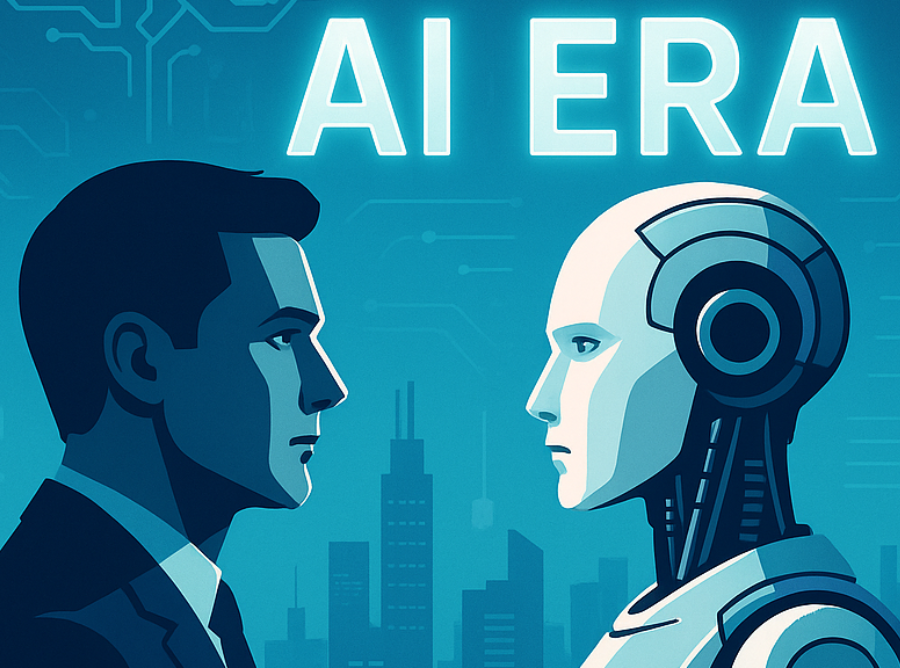




Tech
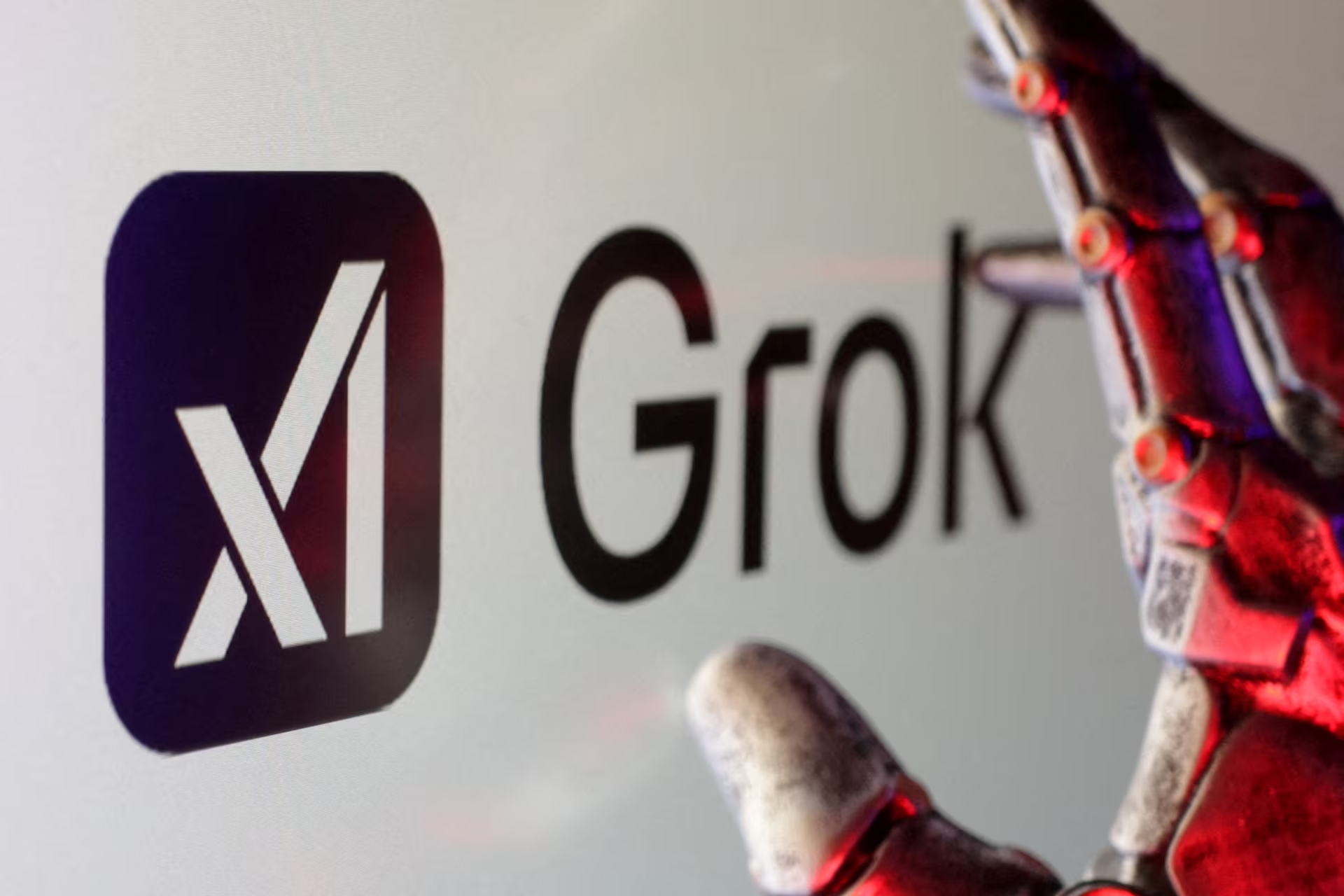
UK Government Criticizes X for Limiting Grok AI Image Editing to Paid Subscribers, Labeling It ‘Insulting’ to Victims of Abuse



Introduction
Technology is evolving faster than ever, and 2025 is shaping up to be a breakthrough year across multiple industries. Understanding the different types of technology is no longer optional—it’s essential for businesses, creators, students, and professionals who want to stay ahead.
Whether it’s artificial intelligence powering your daily apps or robotics revolutionizing healthcare, the types of technology emerging today are driving massive shifts in how we work, live, and connect.
This blog by Level Up Mag breaks down the most impactful types of technology in 2025, how they’re shaping the world, and why staying informed gives you a competitive advantage.
What Are the Top Types of Technology in 2025?
Here are the leading types of technology dominating the global landscape in 2025:
1. Artificial Intelligence & Machine Learning
AI is no longer futuristic—it’s everywhere. Among all types of technology, AI stands out as the most transformative.
AI impacts:
- Automation
- Personalized experiences
- Business decision-making
- Predictive analytics
- Creativity & content generation
Tools like ChatGPT, Midjourney, and various enterprise AI models prove that AI will continue reshaping industries. The rise of Generative AI, which is now used in marketing, design, research, and customer service, is defining the next wave of innovation.
2. Blockchain & Web3 Technology
Blockchain isn’t just for crypto anymore. It is becoming the backbone of trust-based digital systems.
This type of technology is used in:
- Supply chain tracking
- Smart contracts
- Identity verification
- Decentralized apps (dApps)
- Secure payments
Web3 introduces ownership, privacy, and transparency—making it one of the most important types of technology reshaping digital ecosystems.
3. Robotics & Automation
Robotics is evolving beyond manufacturing. In 2025, robots are in:
- Healthcare
- Agriculture
- Warehousing
- Retail
- Defense
From humanoid robots to delivery drones, this type of technology is leading the automation revolution.
Robots now assist in surgeries, pick warehouse orders, and even help with customer service. The combination of robotics + AI is unlocking new levels of productivity.
4. Biotechnology & HealthTech
Biotechnology is one of the fastest-growing types of technology, especially post-pandemic. It includes:
- Genetic engineering
- Vaccine development
- Wearable health devices
- AI-powered medical diagnostics
Breakthroughs in personalized medicine, DNA editing, and regenerative treatments are giving humanity tools to prevent diseases early and increase life expectancy.
HealthTech apps and devices are also enabling people to monitor their health in real time.
5. Cybersecurity & Digital Safety
As technology grows, so does cybercrime. That’s why cybersecurity has become one of the essential types of technology in 2025.
It includes:
- Threat detection systems
- Data protection tools
- Network security
- Zero-trust architecture
- AI-powered security systems
Businesses of every size rely on advanced cybersecurity to protect digital assets, customers, and operations.
6. Internet of Things (IoT) & Smart Technology
IoT connects physical devices to the internet, allowing them to communicate and function intelligently.
Popular IoT examples:
- Smart homes
- Connected cars
- Wearable devices
- Smart manufacturing
- Smart city infrastructure
This type of technology improves convenience, safety, and operational efficiency across industries.
7. Extended Reality (AR, VR & MR)
Extended Reality is becoming mainstream, especially in education, gaming, real estate, and corporate training.
This type of technology offers:
- Immersive learning
- 3D virtual experiences
- Virtual events
- Real-time simulation training
In 2025, AR glasses, VR training modules, and mixed reality environments are widely used for both entertainment and productivity.
8. Cloud Computing & Edge Computing
Cloud computing powers almost every major platform today. But edge computing is emerging as an important complement.
They support:
- Streaming services
- SaaS platforms
- Real-time data processing
- Remote work
These types of technology are crucial for storing data securely, improving speed, and enabling large-scale digital operations.

Why Understanding These Types of Technology Matters
Knowing the top types of technology helps you:
- Stay competitive in your industry
- Make informed business decisions
- Upskill for future careers
- Innovate faster
- Adapt to digital transformation
Technology is not slowing down—those who understand it will always stay ahead.
The Future of Technology in 2025 and Beyond
2025 marks a turning point in human innovation. The main types of technology discussed above are converging, amplifying each other’s potential.
AI + robotics will redefine labor.
Blockchain + IoT will enhance global transparency.
AR + 5G will reshape digital experiences.
Biotech + data analytics will transform healthcare.
The world is entering an era where technology doesn’t just support life—it enhances it.
Conclusion
From AI to biotechnology, the top types of technology in 2025 are opening the door to smarter, safer, and more efficient ways of living. Understanding these technologies empowers individuals and businesses to grow, innovate, and stay future-ready.
Level Up Mag will continue delivering powerful insights into the evolving tech landscape—because in this fast-changing world, staying informed is your biggest advantage.



-

 Health5 years ago
Eva Savagiou Finally Breaks Her Silence About Online Bullying On TikTok
-

 Health4 years ago
Traumatone Returns With A New EP – Hereafter
-

 Health4 years ago
Top 5 Influencers Accounts To Watch In 2022
-

 Fashion5 years ago
The Tattoo Heretic: Kirby van Beek’s Idea Of Shadow And Bone
-

 Fashion5 years ago
Natalie Schramboeck – Influencing People Through A Cultural Touch
-

 Fashion9 years ago
9 Celebrities who have spoken out about being photoshopped
-

 Health5 years ago
Brooke Casey Inspiring People Through Her Message With Music
-

 Health5 years ago
Top 12 Rising Artists To Watch In 2021
-

 Health5 years ago
Madison Morton Is Swooning The World Through Her Soul-stirring Music
-

 Health & Wellness5 years ago
Ali Farahaani, The Optimistic Performer Who Is Ready To Soar In The World