Connect with us

Business

Nissan Bets Big on Hybrids to Survive

Published

on

nissan-hybrid-ev-strategy

For Nissan, the road to redemption may run through a technology it helped pioneer, but never fully capitalized on. Once celebrated for the all-electric Leaf, Japan’s second-largest automaker is now placing its biggest bet yet on a new type of hybrid system known as e-Power. The hope? That this innovation can steer the company out of deep financial distress and back into relevance, particularly in the crucial North American market.

The e-Power technology may sound like just another hybrid, but Nissan insists it’s a class apart. Unlike conventional hybrids that switch between electric motors and gasoline engines, e-Power vehicles run solely on their electric motors. The gasoline engine doesn’t drive the wheels, it only serves as a generator to charge the battery. That means the driving experience is pure EV: quiet, smooth, and responsive. But without the hassle of plugging in. You just fill up the gas tank, and you’re on your way.

It’s a clever engineering workaround for consumers hesitant about full EVs, those who worry about range anxiety, charging infrastructure, or long road trips. And in a global market still figuring out how to phase out combustion engines without leaving rural drivers or infrastructure behind, e-Power may be hitting the sweet spot.

But this isn’t just about a car. This is about a company in crisis.

nissan-hybrid-ev-strategy

Nissan reported a staggering $4.5 billion loss for the fiscal year ending in March. The company has been in recovery mode since its high-profile fallout with former Chairman Carlos Ghosn and a series of costly missteps in its U.S. product lineup. Once a serious contender to dominate the global EV space, Nissan is now struggling to stay solvent.

Chief Technology Officer Eiichi Akashi says e-Power is more than just a feature, it’s a pillar in Nissan’s turnaround strategy. “Nissan has a proud history of pioneering innovative technology that set us apart,” he said during a test drive demonstration at the company’s Grandrive course outside Tokyo.

But bold words can’t cover bruised balance sheets. Nissan’s recovery plan under new CEO Ivan Espinosa includes cutting 15% of its global workforce, roughly 20,000 employees, and shuttering 7 of its 17 global production plants. It’s the kind of corporate triage rarely seen in Japan’s otherwise steady auto industry.

That makes e-Power both a technological promise and a financial Hail Mary.

The upcoming U.S. release of e-Power in models like the new Nissan Rogue could be a litmus test. Americans have historically been wary of hybrids, especially after Toyota’s early success with the Prius plateaued and then declined in favor of full EVs like Tesla. But Nissan’s approach avoids the plug-in requirement, effectively delivering an EV-like experience using existing gas infrastructure.

For many U.S. drivers, that might just be the bridge technology they’ve been waiting for.

Still, timing is critical. Nissan’s competitors aren’t waiting around. While Nissan sharpens its hybrid pitch, the rest of the industry is racing toward full electrification. Even Nissan’s own Leaf, once a trailblazer, is now an afterthought in a market flooded with sleeker, longer-range EVs. The company says it’s working on solid-state batteries to power future models, more energy-dense, faster to charge, and safer than lithium-ion, but those aren’t ready for mass deployment just yet.

And there’s more turbulence ahead.

The U.S. market, once a growth engine for Japanese automakers, is turning unpredictable. Tariff threats and protectionist policies have disrupted traditional import strategies. Labor costs are rising. Union pressure is increasing. And newer American startups are eating into market share by offering direct-to-consumer, software-forward vehicles.

Meanwhile, analysts are whispering what Nissan executives won’t say out loud: the company might run out of cash if e-Power flops.

Speculation is swirling around potential asset sales, like the iconic Yokohama headquarters, or converting underutilized domestic factories into commercial real estate or, bizarrely, casinos. It’s a level of desperation that reflects just how high the stakes have become.

In Europe, e-Power is already available in the Qashqai and X-Trail models, and it has been quietly successful in Japan through the Note hatchback. But America is a different beast. The margins are bigger, the customer expectations higher, and the patience shorter. Nissan doesn’t just need a decent car, it needs a blockbuster. A Rogue that lives up to its name and breaks the company out of its downward spiral.

At the same time, Nissan’s e-Power bet reflects a broader truth about the auto industry in 2025: innovation isn’t always about revolution, it’s about adaptation. And for Nissan, adapting might be its only path forward.

Level Up Insight

Nissan’s e-Power strategy isn’t just a technical evolution, it’s a survival mechanism. While the rest of the industry races toward fully electric futures, Nissan is pitching a middle-ground solution to a market still stuck in transition. Whether it’s brilliant pragmatism or a last gasp will depend on U.S. drivers, and how much longer the company can hold on. In today’s auto economy, even giants don’t get second chances unless the tech really delivers.


Continue Reading
Click to comment

Leave a Reply

Your email address will not be published. Required fields are marked *

Business

Dubai: A Global City Redefining the Future at the Crossroads of Innovation and Culture

Published

on

dubai-a-global-city-shaping-the-future-of-innovation

Dubai has emerged as one of the world’s most dynamic global cities, known for its futuristic skyline, economic ambition, and ability to reinvent itself at remarkable speed. From a modest trading port on the Arabian Gulf to a global hub for business, tourism, and innovation, Dubai’s transformation reflects a carefully crafted vision that blends modern progress with cultural heritage.

At the heart of Dubai’s success lies its strategic location. Positioned between Asia, Europe, and Africa, the city has become a natural gateway for trade and travel. Dubai International Airport consistently ranks among the busiest airports globally, while its ports connect supply chains across continents. This geographic advantage, combined with pro-business policies, has attracted multinational companies, startups, and investors from around the world.

Economically, Dubai has worked hard to reduce its dependence on oil. Today, sectors such as real estate, tourism, logistics, financial services, and technology drive growth. Free zones like Dubai Internet City and Dubai International Financial Centre offer attractive incentives, including full foreign ownership and tax benefits, making the emirate a magnet for global talent and capital. Major international events, trade expos, and conferences further strengthen its reputation as a business-friendly destination.

Tourism remains one of Dubai’s most visible pillars. Millions of visitors arrive each year to experience its luxury hotels, iconic landmarks, and desert landscapes. Attractions such as the Burj Khalifa, Palm Jumeirah, and Dubai Mall have become global symbols. At the same time, the city has invested in cultural tourism, highlighting historic districts like Al Fahidi, traditional souks, and Emirati cuisine. This balance allows Dubai to appeal to both luxury travelers and those seeking authentic local experiences.

Innovation is another defining feature of Dubai’s identity. The government has actively promoted smart-city initiatives, artificial intelligence, and sustainability projects. Ambitious plans include autonomous transport, paperless government services, and renewable energy investments such as the Mohammed bin Rashid Al Maktoum Solar Park. Dubai has also positioned itself as a testing ground for future technologies, from flying taxis to blockchain-based public services.

Culturally, Dubai stands out for its diversity. Expatriates from hundreds of nationalities live and work alongside Emiratis, creating a multicultural environment rarely seen in the region. While modern and international in outlook, the city continues to preserve its traditions through festivals, museums, and strong community values rooted in hospitality and respect.

However, Dubai’s rapid growth is not without challenges. Rising living costs, sustainability concerns, and the need to balance development with environmental responsibility remain ongoing issues. Authorities have increasingly focused on long-term planning, green initiatives, and quality-of-life improvements to address these pressures.

Overall, Dubai represents a unique model of urban development—one driven by vision, adaptability, and global connectivity. As it continues to evolve, the city is not only shaping its own future but also influencing how modern cities can thrive in an increasingly interconnected world.

Continue Reading

Business

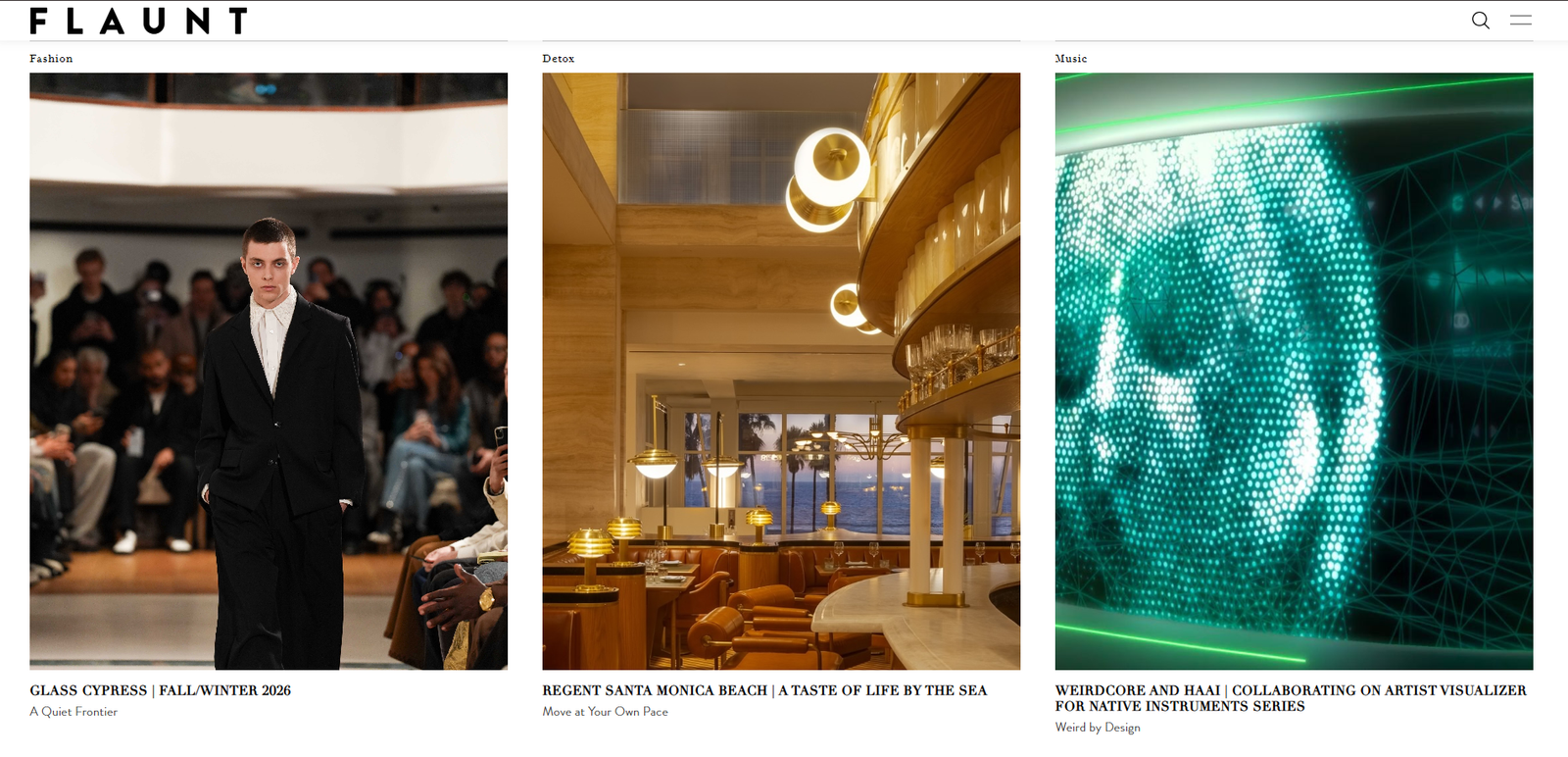
How to Get Published in Flaunt Magazine: A Business and Digital Strategy

Published

on

Get Published in Flaunt Magazine

In today’s fast-paced media landscape, brands are constantly looking for ways to stand out. Social media campaigns and paid advertisements may generate attention, but editorial credibility is what truly elevates a brand. Flaunt Magazine, known for its high-end fashion, culture, and lifestyle coverage, offers a unique opportunity for businesses to Get Published in Flaunt Magazine and benefit from both print prestige and digital reach.

This article explores why Flaunt Magazine is a strategic platform for businesses, how brands can position themselves for publication, and ways to leverage both digital and print features for long-term growth.

Why You Should Get Published in Flaunt Magazine for Business Growth

Flaunt Magazine has built a reputation as a cultural authority, blending cutting-edge aesthetics with compelling storytelling. Unlike paid ads, editorial features in Flaunt are seen as third-party validation, which creates trust and enhances credibility.

From a business perspective, being featured in Flaunt can:

  • Establish brand authority within your industry
  • Connect your brand to cultural trends and creative movements
  • Offer long-term visibility through both digital and print editions
  • Provide high-quality content for marketing campaigns, presentations, and investor materials

Learning how to Get Published in Flaunt Magazine is not only a media strategy—it’s a business decision that directly supports growth, reputation, and market positioning.

The Power of Print in a Digital World

Even in today’s digital-first environment, print still carries weight. Flaunt’s print editions are collectible, visually striking, and highly curated, making them a premium tool for businesses.

Key advantages of print include:

  • Tangible Brand Assets: Print copies can be used for client meetings, events, or office displays.
  • Investor and Partner Credibility: A printed feature validates your brand in professional contexts.
  • Long-Term Visibility: Unlike fleeting digital ads, print features stay relevant over time.
  • Enhanced Storytelling: Print allows for visually rich narratives that reflect your brand’s identity.

To maximize the business value, brands aiming to Get Published in Flaunt Magazine must prioritize quality visuals, strong storytelling, and cultural relevance.

How to Get Published in Flaunt Magazine for Digital Exposure

Flaunt’s digital platform extends the reach of its print content. Features published online can generate SEO benefits, backlinks, and global audience engagement.

Digital advantages for businesses include:

  • Search Engine Visibility: Editorial content is indexed and can improve organic traffic.
  • Social Media Amplification: Online features are shareable across Instagram, LinkedIn, and other platforms.
  • Global Audience Reach: Digital articles give international exposure, expanding your potential market.
  • Lead Generation: High-quality features attract collaboration opportunities, partnerships, and new clients.

A strategic approach to Get Published in Flaunt Magazine combines print prestige with digital visibility, creating a dual-channel marketing asset.

Steps to Successfully Get Published in Flaunt Magazine

Flaunt editors seek unique, visually compelling stories. Brands that succeed in being published focus on creativity, relevance, and professionalism.

To increase your chances to Get Published in Flaunt Magazine, consider these steps:

  1. Craft a Strong Narrative: Flaunt values stories over product pitches. Focus on your brand’s purpose, mission, and impact.
  2. Use High-Quality Visuals: Professional photography, cohesive design, and a clear brand identity are essential.
  3. Highlight Cultural Relevance: Connect your brand to trends in fashion, art, music, or lifestyle.
  4. Prepare Media Assets: Include press kits, imagery, and previous coverage to make it easy for editors.
  5. Think Like an Editor: Present your story in a way that’s visually and narratively compelling, making it easy for Flaunt to feature your brand.

A well-prepared brand is far more likely to successfully Get Published in Flaunt Magazine and gain long-term value from the exposure.

Leveraging Features for Business Growth

Once your brand is featured, it’s important to integrate the coverage into your business strategy. Flaunt features can serve as multi-purpose business assets:

  • Marketing Collateral: Repurpose editorial images and quotes for social media, email campaigns, and website content.
  • Investor and Stakeholder Presentations: Flaunt features demonstrate credibility and market recognition.
  • Partnership Opportunities: Editorial recognition attracts potential collaborators and influencers.
  • Content Strategy: Use features to create evergreen content for blogs, newsletters, or internal communications.

Strategically leveraging your feature ensures that a single publication delivers long-term ROI for your business.

Avoiding Common Pitfalls

Many brands attempt to secure editorial coverage but make avoidable mistakes. To successfully Get Published in Flaunt Magazine, avoid:

  • Overly Promotional Pitches: Flaunt prioritizes narrative over product promotion.
  • Low-Quality Visuals: Editorial quality requires professional, cohesive photography and design.
  • Ignoring Editorial Tone: Misaligned messaging reduces the chance of acceptance.
  • Lack of Strategy: Failing to leverage the feature reduces business value.

By understanding what Flaunt looks for, brands can create compelling pitches that stand out and secure meaningful coverage.

Why Editorial Coverage Outperforms Paid Media

Paid ads generate quick visibility, but editorial coverage delivers authority, trust, and long-term exposure. Flaunt features provide:

  • Third-Party Validation: Being featured by a reputable magazine adds authenticity.
  • Evergreen Content: Editorial content remains relevant and can be referenced over time.
  • Organic Reach: High-quality features are more likely to be shared and cited by other media outlets.

From a business perspective, learning to Get Published in Flaunt Magazine is a smarter investment than short-term paid campaigns because it builds credibility that lasts.

Conclusion: Make Your Business Stand Out by Getting Published in Flaunt Magazine

For brands, entrepreneurs, and creatives, visibility is just one part of growth. Flaunt Magazine offers digital reach, print authority, and cultural relevance, making it a strategic platform for businesses looking to elevate their brand.

To successfully Get Published in Flaunt Magazine, brands must focus on strong storytelling, visual excellence, and cultural alignment. Once published, strategic integration of the feature across digital and print channels maximizes ROI, strengthens authority, and opens doors to new business opportunities.

Being featured in Flaunt is more than media coverage—it’s a business asset that supports long-term growth, credibility, and influence.

Continue Reading

Business

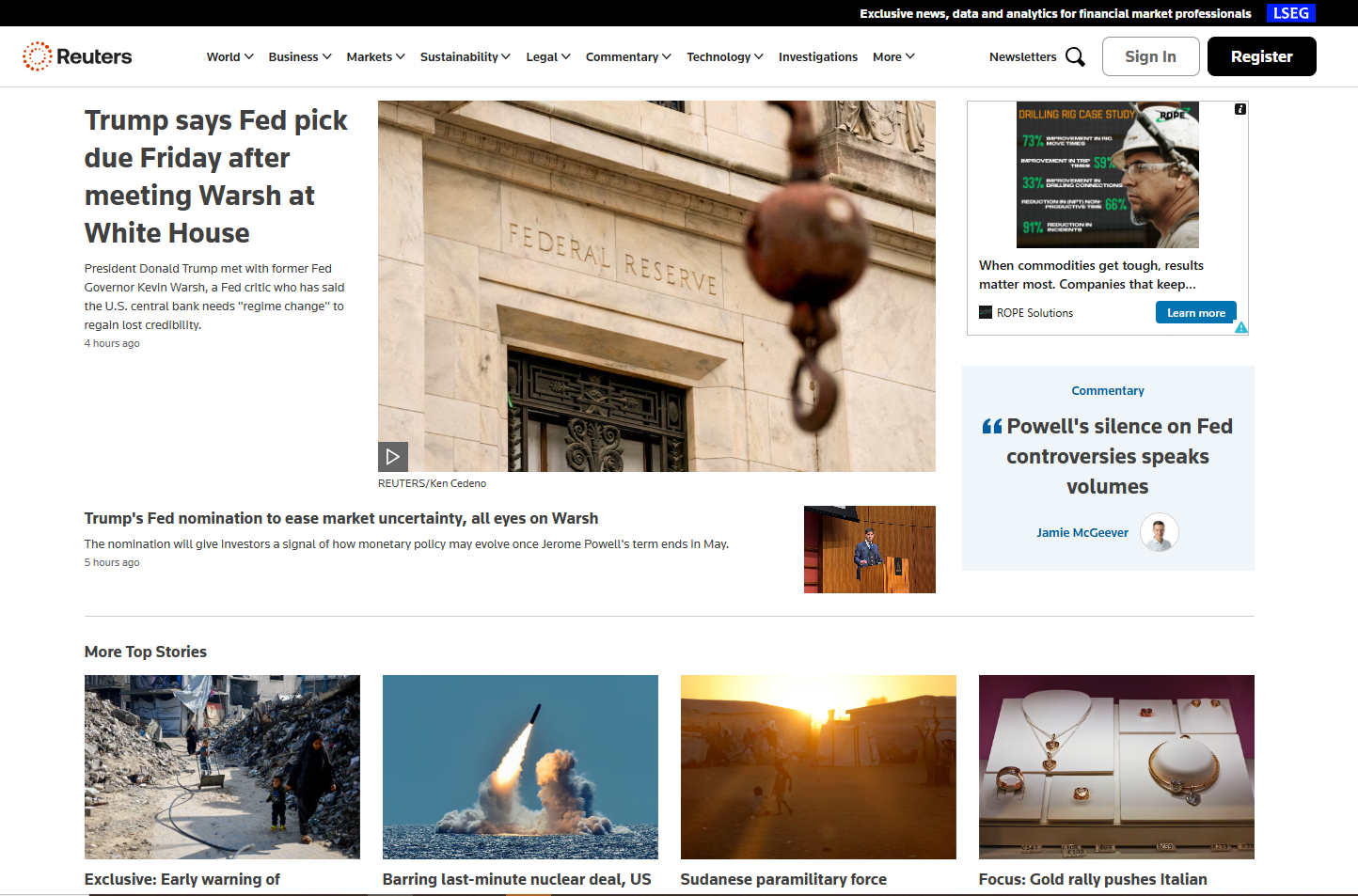
Want to Get Published in Reuters Magazine? Here’s What Thought Leaders Must Know

Published

on

Get Published in Reuters magazine

In today’s digital-first world, credibility is currency. Brands, entrepreneurs, and subject-matter experts are constantly searching for ways to build trust, expand influence, and stand out in crowded markets. One of the most powerful ways to achieve this is through earned media—especially from globally respected news organizations.

Among them, Reuters holds a unique position. Known for its rigorous editorial standards and worldwide reach, it is a platform that decision-makers, investors, and policymakers rely on daily. For professionals aiming to elevate their authority, the goal to Get Published in Reuters magazine is both ambitious and transformative.

This guide explains what it really takes, why it matters, and how to approach the process strategically.

Why Reuters Is a Game-Changer for Personal and Brand Authority

Reuters is not just another media outlet. It is one of the most trusted news organizations in the world, with a reputation built on accuracy, neutrality, and depth. When your insights appear on such a platform, credibility follows naturally.

Professionals who Get Published in Reuters magazine often experience:

  • Increased trust from clients and partners
  • Higher visibility among global audiences
  • Stronger brand positioning in competitive industries
  • Enhanced SEO and digital reputation

Unlike promotional blogs or sponsored placements, Reuters content is editorially driven. That distinction is what makes the exposure so valuable and long-lasting.

Understanding What It Takes to Get Published in Reuters Magazine

Before pitching, it’s critical to understand what Reuters actually publishes. This is where many professionals miss the mark. Reuters is not interested in personal promotion or brand storytelling.

Instead, editors prioritize:

  • Data-driven insights
  • Industry trends with global relevance
  • Expert analysis supported by facts
  • Timely commentary on economic, technological, or political developments

If your content feels like an advertisement, it will be rejected. Those who successfully Get Published in Reuters magazine position themselves as analysts and contributors to public understanding—not marketers.

Who Can Get Published in Reuters Magazine?

Contrary to popular belief, you don’t need to be a celebrity or Fortune 500 executive. However, credibility is non-negotiable. Reuters typically considers contributors such as:

  • Founders or executives with proven industry experience
  • Academics and researchers
  • Policy experts and consultants
  • Professionals with a strong track record of insight

What matters most is your ability to contribute meaningfully to a global conversation. If your perspective helps readers understand complex issues, your chances to Get Published in Reuters magazine increase significantly.

Crafting a Pitch That Editors Respect

Your pitch is the gateway. Reuters editors receive hundreds of submissions, often deciding within seconds whether to continue reading.

An effective pitch should:

  • Clearly explain the topic and why it matters now
  • Briefly establish your expertise
  • Highlight the global, economic, or societal impact
  • Avoid promotional language entirely

Think like a journalist, not a brand owner. Objectivity, clarity, and relevance dramatically improve your chances to Get Published in Reuters magazine.

The Role of Thought Leadership in Getting Published in Reuters Magazine

Thought leadership is not about declaring expertise—it’s about demonstrating it through insight. Reuters favors contributors who can identify and explain trends before they become widely recognized.

Strong thought leadership topics include:

  • Interpreting shifts in global markets
  • Explaining regulatory or policy changes
  • Analyzing emerging technologies
  • Offering insight into geopolitical developments

Publishing high-quality content on reputable platforms can also support your journey to Get Published in Reuters magazine, as editors often review a contributor’s existing work.

Common Mistakes That Block Publication

Many qualified professionals fail due to avoidable errors. Common mistakes include:

  • Submitting sales-focused or branded content
  • Failing to include credible data or sources
  • Pitching topics with only local relevance
  • Ignoring Reuters’ editorial tone and structure

Reuters writes for a global, professional audience. Aligning your content with this standard is essential if you want to Get Published in Reuters magazine.

How Digital PR Helps You Get Published in Reuters Magazine Faster

While organic pitching is possible, it can be time-consuming and unpredictable. This is why many professionals turn to digital PR experts who understand editorial expectations and media workflows.

A strategic PR approach can:

  • Refine your story angle
  • Align your expertise with the right editors
  • Ensure pitches meet editorial guidelines

Although not a guarantee, this approach significantly improves your odds to Get Published in Reuters magazine compared to cold outreach alone.

SEO and Brand Value Beyond the Feature

The benefits extend far beyond the article itself. Being featured in Reuters strengthens your digital footprint through high-authority backlinks, brand mentions, and increased search visibility.

When potential clients or partners search your name or company, Reuters coverage acts as instant validation. This is why many brands prioritize strategies to Get Published in Reuters magazine as part of long-term growth.

Patience and Persistence to Get Published in Reuters Magazine

Getting featured in a top-tier publication rarely happens overnight. Multiple pitches, refinements, and rejections are part of the process—even for experienced contributors.

Those who succeed combine persistence with strategic improvement. Each attempt brings you closer to aligning with what editors want, increasing your chances to Get Published in Reuters magazine.

Final Thoughts

Earning a place in Reuters is not about luck. It’s about preparation, credibility, and delivering real value through insight-driven storytelling. When done right, it can redefine your professional image and open doors that traditional marketing cannot.

If you have expertise that matters beyond your own business and are willing to meet the highest editorial standards, the opportunity to Get Published in Reuters magazine is challenging—but absolutely achievable.


Continue Reading

Business

Get Published in Variety: Your Complete Guide to Media Recognition

Published

on

Get published in variety

To Get Published In Variety, you need more than a press release—you need a compelling story, strong industry relevance, and a strategic media approach. Variety is one of the most influential entertainment publications in the world, covering film, television, music, and digital media. Earning a feature here can significantly elevate your visibility, credibility, and industry authority.

In this guide, you’ll learn how Variety selects stories, what makes a pitch stand out, and the exact steps you can take to improve your chances of landing a feature.

Why Getting Published in Variety Matters

Variety is a trusted source for entertainment professionals, studios, producers, executives, artists, and media insiders. A feature in this publication offers:

  • Increased industry credibility

  • Enhanced brand or personal reputation

  • Greater visibility among decision-makers

  • Opportunities for partnerships, funding, and collaborations

  • Long-term authority within the entertainment space

Being published in Variety positions you as a serious player in your industry.

Who Variety Typically Covers

Variety focuses on stories that impact the entertainment and media industries. You’re more likely to be considered if you are:

  • A filmmaker, producer, or director

  • A musician, artist, or record label executive

  • A studio executive or media entrepreneur

  • A tech innovator disrupting entertainment

  • A publicist, agent, or manager with notable clients

  • A company launching a major project, acquisition, or platform

That said, emerging talent with a strong story and measurable impact can also earn coverage.

How Variety Chooses What to Publish

Understanding Variety’s editorial standards is essential if you want to get published successfully.

Key Criteria Variety Looks For

  1. Newsworthiness
    Your story must be timely and relevant—such as a major release, acquisition, funding round, festival premiere, or industry shift.

  2. Industry Impact
    Variety prioritizes stories that influence the entertainment business or shape trends.

  3. Credibility
    You should have verifiable credentials, achievements, or data to support your story.

  4. Audience Value
    The story should educate, inform, or inspire entertainment professionals—not simply promote a product or service.

How to Get Published in Variety: Step-by-Step

1. Build a Strong Industry Profile

Before pitching Variety, ensure your professional presence reflects authority and credibility:

  • Maintain a polished website or press page

  • Secure past media mentions and features

  • Highlight awards, recognitions, or notable projects

  • Establish yourself as a thought leader in your niche

Journalists often research sources before considering a story.

2. Identify the Right Variety Journalist or Editor

Variety has writers who specialize in film, television, music, streaming, gaming, and business. To improve your success rate:

  • Search for recent articles related to your field

  • Identify journalists who cover similar stories

  • Study their writing style and audience focus

Pitching the right person increases your chances significantly.

3. Craft a Compelling Pitch

Your pitch should be concise, relevant, and focused on value—not promotion.

A strong pitch includes:

  • A clear, newsworthy subject line

  • A brief background on you or your company

  • Your unique angle or insight

  • Why the story matters to the entertainment industry

  • Why it’s timely right now

Avoid generic language. Make your pitch specific and impactful.

4. Highlight Data, Milestones, and Impact

Journalists rely on facts. Include measurable achievements such as:

  • Box office results

  • Streaming numbers

  • Audience growth

  • Funding rounds or acquisitions

  • Awards, nominations, or festival selections

These details strengthen your credibility and make your story more attractive.

5. Consider Professional PR Support

Many individuals and brands work with experienced PR agencies to improve their chances of success. A skilled PR team:

  • Knows how to position your story

  • Has relationships with entertainment journalists

  • Crafts high-impact pitches

  • Handles media outreach professionally

While PR doesn’t guarantee placement, it significantly improves your chances when done ethically and strategically.

Common Mistakes to Avoid

Overly Promotional Pitches

Variety prioritizes editorial value over advertising. Avoid sales-driven language.

Lack of Newsworthiness

Generic business updates without industry relevance are unlikely to be considered.

Poor Timing

Pitching too early or too late in your project cycle can reduce your chances.

Ignoring Editorial Fit

Pitching a music story to a film reporter lowers your success rate.

What to Do After You Get Published

Once you secure coverage, maximize its impact:

  • Share the article on your website and social media

  • Include it in investor decks, media kits, and email signatures

  • Use it as credibility in future media outreach

  • Reference it in speaking engagements and partnerships

A Variety feature is a long-term asset, not just a one-time win.

How Long Does It Take to Get Published?

There’s no guaranteed timeline. Some individuals secure coverage within weeks, while others take months. Success depends on:

  • The strength of your story

  • Your industry relevance

  • Timing and market conditions

  • Outreach strategy and persistence

Consistency and patience are key.

Final Thoughts

To get published in Variety, you must combine credibility, strategy, storytelling, and persistence. It’s not about chasing publicity—it’s about offering real value, insight, and impact to one of the most influential audiences in entertainment. Whether you’re launching a project, building a brand, or shaping industry conversations, a Variety feature can elevate your authority and open doors to new opportunities. Start by refining your story, building your profile, and approaching the right journalists with purpose and professionalism.

Continue Reading

Business

Get Featured in Forbes Magazine A Complete Guide to Earning Your Spot

Published

on

Get featured in forbes magazine

To Get Featured In Forbes Magazine, you need more than just a great business or personal brand—you need a compelling story, strong credibility, and a smart media strategy. Forbes is one of the most respected publications in the world, known for highlighting entrepreneurs, innovators, executives, and thought leaders who are shaping industries.

In this guide, you’ll learn exactly what it takes to get noticed by Forbes, how the editorial process works, and what steps you can take to improve your chances of landing a feature.

Why Getting Featured in Forbes Matters

Being featured in Forbes instantly boosts your credibility, authority, and visibility. Whether you’re a startup founder, CEO, investor, author, or industry expert, a Forbes mention can:

  • Enhance your personal and brand reputation

  • Open doors to partnerships and speaking opportunities

  • Increase trust with clients, customers, and investors

  • Strengthen your online presence and media profile

For many professionals, Forbes recognition acts as a powerful form of social proof that sets them apart from competitors.

How Forbes Chooses Who to Feature

Understanding how Forbes operates is essential if you want to get featured. Unlike traditional media outlets, Forbes works with both staff writers and a network of vetted contributors. These contributors pitch and publish stories about business leaders, trends, and innovative ideas.

Key Criteria Forbes Looks For

  1. Authority and Expertise
    You should be a recognized expert in your field or have a strong track record of success.

  2. Newsworthiness
    Your story should be timely, relevant, and impactful. This could include a major business milestone, funding round, industry innovation, or social impact.

  3. Unique Perspective
    Forbes values fresh insights and original viewpoints. Generic success stories are less likely to stand out.

  4. Audience Value
    The content must provide value to Forbes readers—whether that’s inspiration, education, or actionable business insights.

Who Is Most Likely to Get Featured in Forbes?

While Forbes features a wide range of professionals, certain profiles tend to attract attention more easily:

  • Startup founders and entrepreneurs

  • CEOs and business leaders

  • Investors and venture capitalists

  • Authors and thought leaders

  • Innovators in tech, finance, healthcare, and sustainability

  • Social impact leaders and nonprofit founders

However, being famous is not a requirement. What matters most is having a strong story and measurable impact.

How to Get Featured in Forbes Magazine: Step-by-Step

1. Build a Strong Personal or Brand Profile

Before pitching Forbes, make sure your online presence reflects credibility and authority. This includes:

  • A professional website

  • Active and polished social media profiles

  • Previous media mentions or thought leadership articles

  • Clear positioning within your industry

Forbes contributors often research you before considering a story, so your digital footprint matters.

2. Identify the Right Forbes Contributor

Not all Forbes writers cover the same topics. Some focus on startups, others on finance, leadership, technology, or lifestyle. To improve your chances:

  • Search Forbes for articles related to your industry

  • Identify contributors who write about topics similar to your story

  • Study their writing style and audience focus

Reaching out to the right contributor is more effective than sending mass pitches.

3. Craft a Compelling Pitch

Your pitch should be short, clear, and value-driven. Focus on what makes your story unique and why it matters to Forbes readers.

A strong pitch includes:

  • A clear headline or hook

  • A brief background about you or your brand

  • Your unique angle or insight

  • Why the story is relevant right now

Avoid sounding promotional. Forbes prioritizes informative and educational content over advertising-style pitches.

4. Highlight Data, Results, and Impact

Numbers strengthen credibility. Include:

  • Revenue growth

  • Funding rounds

  • User or customer growth

  • Awards or recognitions

  • Social or community impact

The more measurable your success, the more compelling your story becomes.

5. Work with a Professional PR Agency

Many individuals and brands choose to work with media professionals to increase their chances of success. A skilled PR agency:

  • Has relationships with Forbes contributors

  • Knows what angles get accepted

  • Helps refine your story

  • Handles outreach professionally

While PR doesn’t guarantee coverage, it significantly improves your odds when done ethically and strategically.

Common Myths About Getting Featured in Forbes

Myth 1: You Can Pay Forbes Directly for a Feature

Forbes does not sell editorial features. Any legitimate coverage must go through contributors and editorial approval.

Myth 2: Only Billionaires Get Featured

While Forbes does cover high-profile figures, many featured individuals are startup founders, small business owners, and emerging leaders.

Myth 3: One Pitch Is Enough

Media outreach often requires persistence, refinement, and multiple attempts before success.

What to Do After You Get Featured

Once you secure a Forbes feature, maximize its value:

  • Share it across your website and social media

  • Include it in email signatures and marketing materials

  • Use it in investor decks and sales presentations

  • Reference it in future media pitches

A Forbes feature is not just a one-time achievement—it’s a powerful long-term branding asset.

How Long Does It Take to Get Featured?

There’s no fixed timeline. Some individuals secure coverage within weeks, while others take months of pitching and brand-building. Success depends on:

  • Your story’s strength

  • Timing and relevance

  • Contributor availability

  • Media strategy and outreach quality

Consistency and patience are key.

Final Thoughts

To get featured in Forbes magazine, you need a combination of credibility, strategy, storytelling, and persistence. It’s not about chasing publicity—it’s about offering real value, insights, and impact to Forbes’ global audience.

Whether you’re an entrepreneur, executive, or industry expert, earning a Forbes feature can significantly elevate your brand and open doors to new opportunities. By building authority, crafting a compelling narrative, and approaching the right contributors, you position yourself for one of the most prestigious media placements in the world.

Continue Reading

Business

Get Published in Hollywood Life: Turn Your Passion into Recognition

Published

on

Get Published in Hollywood Life

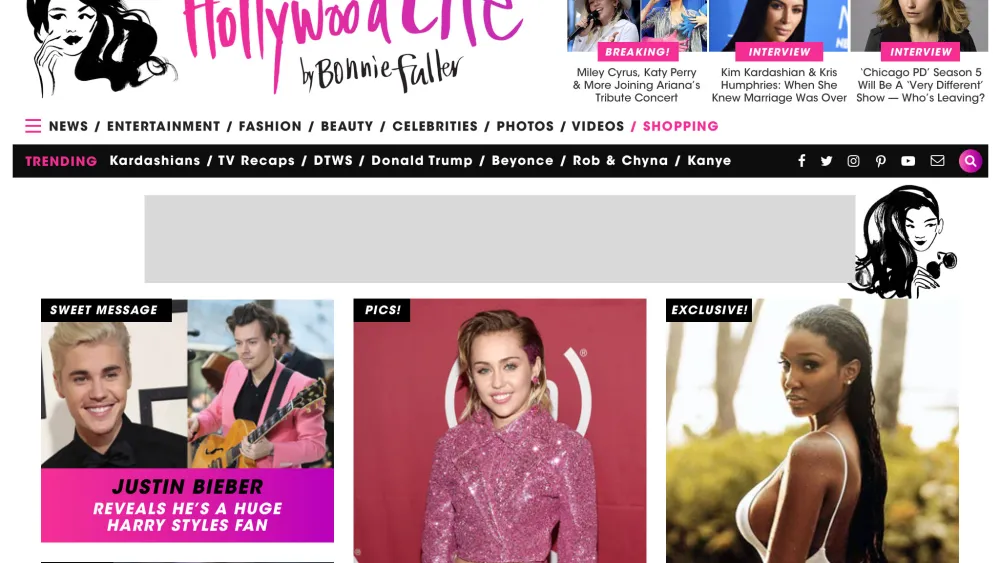
Have you ever dreamed of seeing your name in print on one of the most prominent entertainment platforms? If you’re a writer, influencer, or creative professional, the thought of sharing your work with a large audience is exciting—and completely attainable. Get Published in Hollywood Life and turn your passion into recognition by understanding the right approach, platform, and audience strategy. In this guide, we’ll explore how to make that dream a reality.

Why You Should Aim to Get Published in Hollywood Life

Hollywood Life is not just another entertainment platform—it’s a hub for celebrity news, lifestyle content, and trending stories. Writers and content creators who get featured here enjoy visibility and credibility that can significantly elevate their careers. By choosing to Get Published in Hollywood Life, you position yourself as a trusted voice in the entertainment industry, attracting readers, collaborations, and new opportunities.

The exposure isn’t limited to Hollywood enthusiasts either. Because of the site’s broad audience, your work can reach thousands—or even millions—of readers who share your interests. This kind of recognition is invaluable, especially if you’re trying to establish yourself as an expert in entertainment, pop culture, or lifestyle content.

How to Get Published in Hollywood Life: Know the Audience

Before you submit your work, it’s essential to understand who reads Hollywood Life. The audience is primarily interested in:

  • Celebrity news and gossip
  • Entertainment industry insights
  • Lifestyle and fashion trends
  • Pop culture commentary

Understanding the audience helps you craft content that resonates. For instance, an article about the latest movie release will get more traction if you include exclusive insights, trending social media reactions, or personal commentary. If you want to Get Published in Hollywood Life, tailoring your writing to their readers’ preferences is key.

Step-by-Step Guide to Get Published in Hollywood Life

  1. Research the Platform Thoroughly

Before submitting any work, spend time exploring Hollywood Life’s articles. Note the tone, structure, and style they use. Are their pieces casual and conversational, or do they lean toward investigative and detailed reporting? Recognizing these patterns will improve your chances to Get Published in Hollywood Life because editors look for content that aligns with their established voice.

  1. Choose Your Niche

Hollywood Life covers a broad spectrum of topics, but you don’t need to write everything. Focus on your expertise—be it celebrity interviews, movie reviews, lifestyle tips, or social media trends. Having a niche makes your submission stronger and more targeted, increasing the likelihood to Get Published in Hollywood Life.

  1. Craft a Compelling Pitch

Editors at Hollywood Life receive countless submissions, so a compelling pitch is essential. Your pitch should include:

  • A clear headline or story idea
  • A brief summary of the content
  • Why it’s relevant to their audience
  • Any unique angle or insider knowledge

When pitching, mention how your content will engage readers. This is your opportunity to demonstrate that your work is not just interesting but also shareable—an important factor for editors.

  1. Submit Your Content Professionally

Most platforms have submission guidelines. For Hollywood Life, it’s crucial to follow their instructions carefully. Submit your article in the requested format and include all necessary credentials. Attention to detail shows professionalism, which boosts your chance to Get Published in Hollywood Life.

Tips to Turn Your Publication into Recognition

Getting published is just the first step. The real benefit comes when you leverage that exposure to gain recognition in your field. Here’s how:

  1. Promote Your Work

Once your article goes live, share it on social media platforms, professional networks, and personal blogs. Tag Hollywood Life and relevant personalities if appropriate. This increases visibility and shows editors that your content can reach a wider audience, which is crucial to Get Published in Hollywood Life repeatedly.

  1. Engage with Readers

Respond to comments, questions, and feedback. Engaging with readers builds credibility and trust, turning casual readers into loyal followers. A strong reader base can also increase your chances to Get Published in Hollywood Life again, as editors notice writers who generate interaction.

  1. Build a Portfolio

Every article you get published contributes to your professional portfolio. A diverse portfolio demonstrates versatility and expertise, making it easier to pitch future content. As you continue to Get Published in Hollywood Life, your portfolio grows, enhancing your reputation and opening doors to more opportunities in entertainment journalism.

Overcoming Challenges in Getting Published

Even the most skilled writers face challenges when aiming to Get Published in Hollywood Life. Common hurdles include:

  • High competition for article slots
  • Editors’ preference for exclusive content
  • Maintaining originality while aligning with the platform’s voice

Overcoming these challenges requires persistence, adaptability, and continuous learning. Keep refining your pitch, researching trending topics, and experimenting with different writing styles. Remember, every rejection is a learning opportunity, not a dead-end.

The Long-Term Benefits of Getting Published

The benefits of getting your work published in Hollywood Life extend beyond immediate exposure. Some long-term advantages include:

  • Increased credibility in your niche
  • Networking opportunities with other writers and industry insiders
  • Invitations for collaborations, speaking engagements, or media appearances
  • Enhanced online presence that strengthens personal branding

When you consistently Get Published in Hollywood Life, you don’t just gain readership—you establish a lasting reputation in the entertainment industry.

Conclusion: Make Your Passion Your Recognition

Turning your passion into recognition is not just a dream—it’s achievable with strategy, perseverance, and insight. By learning how to Get Published in Hollywood Life, understanding the audience, crafting compelling pitches, and leveraging your exposure, you can take your creative career to new heights. Remember, every great writer starts with a single article. Your journey toward recognition begins with one submission, one story, and one bold step into the world of Hollywood Life.


Continue Reading

Business

Get Published in US Weekly A Step-by-Step Guide to National Media Visibility

Published

on

Get Published in US Weekly

For entrepreneurs, public figures, brands, and creatives, few achievements match the credibility and exposure of national media coverage. If your goal is to Get Published in US Weekly, you’re not just seeking publicity—you’re aiming for recognition, trust, and influence. In today’s competitive media landscape, a feature in a major publication like US Weekly can elevate your reputation, expand your audience, and create long-term brand value.

But earning that placement takes more than a good story. It requires strategy, timing, and a clear understanding of what editors and journalists are looking for. This guide will walk you through the exact steps to increase your chances of getting featured successfully.

Why US Weekly Coverage Matters

US Weekly is a widely recognized publication that reaches millions of readers across entertainment, lifestyle, business, and pop culture. A feature here offers several powerful advantages:

  • Massive audience reach across print and digital platforms

  • Instant credibility through third-party validation

  • Brand visibility beyond niche or local markets

  • Influencer and partnership opportunities

  • Increased trust with customers, clients, and investors

A US Weekly feature doesn’t just boost awareness—it positions you as relevant and noteworthy on a national stage.

Understanding What US Weekly Looks For

Before pitching, it’s important to understand the types of stories US Weekly covers. While best known for celebrity and entertainment content, the publication also features compelling stories across:

  • Business and entrepreneurship

  • Lifestyle and wellness

  • Fashion and beauty

  • Personal success journeys

  • Innovation and social impact

Your story should align with their audience’s interests and provide value, inspiration, or entertainment.

How to Prepare Your Story for Publication

Preparation is the foundation of successful media outreach.

1. Define Your Angle

A strong pitch focuses on one clear angle. Ask yourself:

  • What makes your story unique?

  • Why will readers care?

  • What impact have you made?

2. Build a Compelling Narrative

Journalists don’t promote—they tell stories. Frame your journey, brand, or achievement in a way that resonates emotionally and intellectually with readers.

3. Gather Supporting Materials

Have your press kit ready. This may include:

  • A professional bio

  • High-quality photos

  • Brand background

  • Recent achievements or milestones

The easier you make it for editors to understand and publish your story, the better your chances.

How to Pitch US Weekly Effectively

A successful pitch is concise, personalized, and relevant.

Subject Line

Keep it clear and intriguing. Avoid exaggeration or sales language.

Opening Line

Reference why your story fits US Weekly’s audience.

Core Pitch

Briefly explain:

  • Who you are

  • What makes your story newsworthy

  • Why it matters now

Call to Action

Offer an interview, exclusive access, or additional information if they’re interested.

Avoid sending mass emails. Personalized pitches stand out and show respect for the editorial process.

Common Mistakes to Avoid

Many people fail to get published not because their story lacks value, but because of avoidable errors:

  • Sending generic or overly long pitches

  • Being overly promotional or sales-driven

  • Pitching without a clear angle

  • Failing to research the publication’s audience

  • Not following up professionally

Avoiding these mistakes significantly improves your chances of success.

The Role of Public Relations in Media Placement

While some individuals successfully pitch on their own, many choose to work with PR professionals to improve their odds. A strong PR strategy helps:

  • Refine your story

  • Identify the most compelling angles

  • Build relationships with journalists

  • Time announcements effectively

  • Secure high-quality placements

PR experts understand how editorial decisions are made and how to position your story in a way that aligns with publication standards.

Best Timing to Pitch US Weekly

Timing is crucial. The best moments to pitch include:

  • Major brand launches

  • Career milestones or achievements

  • New product releases

  • Industry recognition or awards

  • Personal success stories with broader impact

Avoid pitching when you don’t have real news or a meaningful story to share.

What to Do After You Get Published

Once you successfully Get Published in US Weekly, maximize the value of your coverage:

  • Share the feature across your social media platforms

  • Add it to your website’s press section

  • Include it in marketing materials and presentations

  • Use it in investor or client outreach

  • Leverage it for future media opportunities

One high-quality feature can unlock multiple doors when used strategically.

Building Long-Term Media Relationships

Media success is not a one-time event. Building long-term relationships with journalists and editors increases your chances of consistent coverage.

  • Share relevant updates periodically

  • Offer expert insights or commentary

  • Be responsive and professional

  • Respect editorial independence

Over time, this trust can lead to repeated features and stronger brand authority.

Conclusion

Learning how to Get Published in US Weekly is about more than getting your name in print—it’s about building credibility, expanding your influence, and creating long-term brand value. With the right story, strategy, and timing, you can significantly increase your chances of landing a feature in one of the nation’s most recognizable publications. Whether you’re an entrepreneur, public figure, or brand leader, national media exposure can be a powerful catalyst for growth. Focus on storytelling, stay consistent, and treat PR as a long-term investment in your success.

Continue Reading

Business

Get Featured in TechCrunch: A Proven Guide for Startups and Innovators

Published

on

Get Featured in TechCrunch

For startups, founders, and tech brands, few achievements carry as much credibility and exposure as getting mentioned by a top-tier publication. If your goal is to Get Featured in TechCrunch, you’re aiming for more than just publicity—you’re positioning your company for trust, investment interest, and long-term growth. In today’s competitive startup ecosystem, TechCrunch coverage can instantly elevate your brand and open doors to new opportunities.

But earning that feature doesn’t happen by chance. It requires strategy, storytelling, and a clear understanding of what journalists are looking for. This guide will walk you through how to prepare, pitch, and stand out—so you can maximize your chances of landing in one of the world’s most influential tech publications.

Why TechCrunch Coverage Matters

TechCrunch is one of the most respected platforms in the technology and startup world. It’s trusted by founders, investors, developers, and decision-makers globally. A feature on this platform offers:

  • Massive visibility among tech-savvy audiences

  • Investor attention from venture capitalists and angel investors

  • Brand credibility through third-party validation

  • Organic traffic to your website or product

  • Recruitment advantages by attracting top talent

Being highlighted by TechCrunch isn’t just about press—it’s about positioning your brand as relevant, innovative, and worth watching.

What TechCrunch Journalists Look For

Before you pitch, it’s essential to understand what makes a story newsworthy to TechCrunch. Their editorial focus typically includes:

1. Innovation and Disruption

They prioritize companies that are solving real problems in new or groundbreaking ways.

2. Strong Traction

User growth, revenue milestones, funding rounds, or strategic partnerships make stories more compelling.

3. Clear Market Impact

Journalists want to know how your product changes the market, industry, or consumer behavior.

4. Timely News

Product launches, funding announcements, acquisitions, or major pivots are all ideal opportunities to pitch.

Understanding these criteria is the foundation for any successful TechCrunch outreach strategy.

How to Prepare Before You Pitch

Preparation is critical if you want your outreach to stand out.

1. Refine Your Story

Journalists don’t promote products—they tell stories. Your pitch should clearly explain:

  • The problem you solve

  • Why it matters

  • What makes your solution unique

  • Why now is the right time for your story

2. Gather Supporting Proof

Data, testimonials, user numbers, funding details, or performance metrics strengthen your credibility and increase your chances of being featured.

3. Identify the Right Journalist

Not every reporter covers every sector. Research TechCrunch contributors and find the journalist who aligns with your niche—whether it’s AI, fintech, SaaS, health tech, or e-commerce.

How to Pitch TechCrunch Effectively

A strong pitch is short, relevant, and compelling. Here’s how to structure it:

Subject Line

Make it specific and intriguing. Avoid hype. Focus on the news angle.

Opening Line

Show that you understand the journalist’s work and why your story fits their beat.

The Core Story

Briefly explain:

  • Who you are

  • What you’ve built

  • Why it matters

  • What’s new or noteworthy

Call to Action

Offer additional details, interviews, or exclusive access if appropriate.

Keep your pitch concise, personalized, and respectful of the journalist’s time.

Common Mistakes to Avoid

Many founders fail not because their story isn’t good, but because of avoidable mistakes:

  • Sending generic, mass pitches

  • Overloading emails with jargon

  • Focusing on features instead of impact

  • Pitching without real news

  • Being overly promotional

  • Following up too aggressively

Avoiding these pitfalls immediately improves your chances of being taken seriously.

The Role of PR in Getting TechCrunch Coverage

While some founders successfully pitch on their own, many choose to work with PR professionals to improve their chances. A strong PR strategy helps:

  • Shape your narrative

  • Identify the strongest angles

  • Build long-term media relationships

  • Time your announcements strategically

  • Secure exclusive coverage opportunities

PR experts understand what editors look for and how to position your brand in a way that aligns with editorial standards.

When Is the Best Time to Pitch?

Timing plays a major role in media success. The best moments to pitch include:

  • Product launches

  • Funding announcements

  • Major partnerships

  • Industry trend contributions

  • Significant user or revenue milestones

Avoid pitching during slow news cycles or when you don’t have something truly newsworthy to share.

What to Do After You Get Featured

Once you successfully Get Featured in TechCrunch, the work doesn’t stop. Maximize the value of that coverage by:

  • Sharing the article across social media channels

  • Adding the feature to your website and press page

  • Including it in investor decks and sales materials

  • Sending it to your email subscribers

  • Leveraging it in future PR outreach

One strong feature can unlock multiple business opportunities if used strategically.

Building Long-Term Media Relationships

Media success isn’t a one-time effort—it’s a long-term strategy. Stay connected with journalists by:

  • Sharing meaningful updates

  • Offering expert commentary on industry trends

  • Respecting their time and editorial independence

  • Being responsive and professional

Building trust over time increases your chances of consistent media coverage.

Conclusion

Learning how to Get Featured in TechCrunch is about more than sending a pitch—it’s about crafting a compelling story, understanding media expectations, and positioning your brand as truly newsworthy. With the right preparation, strategy, and timing, you can dramatically increase your chances of earning that coveted feature. Whether you’re a startup founder, tech entrepreneur, or innovator launching something new, TechCrunch coverage can become a powerful catalyst for growth, credibility, and success. Focus on storytelling, build genuine media relationships, and approach PR as a long-term investment in your brand’s future.

Continue Reading

Business

Get Featured in Times Square Billboard: The Ultimate Guide to Global Brand Visibility

Published

on

Get Featured in Times Square Billboard

In the world of marketing, visibility is everything. Brands are constantly searching for iconic platforms that instantly elevate credibility and recognition. One such opportunity that continues to dominate the global advertising landscape is the chance to Get Featured in Times Square Billboard. Known as the crossroads of the world, Times Square offers unmatched exposure, prestige, and influence for businesses, entrepreneurs, artists, and personal brands alike.

Whether you are launching a new product, celebrating a milestone, or strengthening your brand authority, being showcased in Times Square can transform how your audience perceives you.


Why Brands Want to Get Featured in Times Square Billboard

Times Square is more than just a famous location—it’s a global media powerhouse. With over 50 million visitors annually and billions of digital impressions through photos, videos, and social media, brands that Get Featured in Times Square Billboard instantly gain international visibility.

This iconic destination is associated with success, innovation, and leadership. When your brand appears there, it sends a powerful message: you belong on the world stage. Unlike traditional advertising channels, Times Square offers both physical foot traffic and digital amplification, making it a one-of-a-kind branding opportunity.


How to Get Featured in Times Square Billboard for Your Brand

Many people assume that advertising in Times Square is reserved only for massive corporations. In reality, brands of all sizes can now Get Featured in Times Square Billboard thanks to flexible digital advertising options.

Modern LED billboards allow advertisers to display content for short durations, making it affordable and accessible. You can choose your display time, creative format, and even the specific screen location. From startups and influencers to authors and eCommerce brands, this opportunity is no longer out of reach.

All you need is compelling creative content, a clear message, and the right advertising partner to guide you through the process.


Benefits of Choosing to Get Featured in Times Square Billboard

The advantages go far beyond simple visibility. When you Get Featured in Times Square Billboard, you unlock multiple branding benefits:

  • Instant credibility – Being seen in Times Square builds trust and authority.

  • Global exposure – Tourists, media outlets, and online audiences amplify your reach.

  • Social media engagement – Times Square billboards are highly shareable and photogenic.

  • Brand memorability – Audiences remember brands showcased in iconic locations.

This form of advertising creates a lasting impression that few other platforms can replicate.


Who Should Get Featured in Times Square Billboard?

Almost anyone with a message can benefit from this powerful platform. Brands that commonly Get Featured in Times Square Billboard include:

  • Small and medium businesses launching new products

  • Entrepreneurs building personal brands

  • Artists, musicians, and filmmakers promoting releases

  • Coaches, authors, and speakers increasing authority

  • E-commerce brands seeking trust and recognition

Regardless of industry, if your goal is to stand out and be remembered, Times Square delivers.


Creative Tips to Get Featured in Times Square Billboard Successfully

To maximize impact, your content must be bold, clear, and visually engaging. When brands Get Featured in Times Square Billboard, the most successful campaigns share a few common traits.

Short messages perform best, as viewers only have seconds to absorb the content. High-contrast visuals, strong branding elements, and a clear call-to-action make your billboard more effective. Simplicity is key—avoid clutter and focus on one powerful message.

Remember, your billboard is not just an ad; it’s a branding statement.


SEO and Digital Impact When You Get Featured in Times Square Billboard

One often overlooked benefit is the digital ripple effect. When you Get Featured in Times Square Billboard, the experience doesn’t end on the street.

Photos and videos of your billboard can be shared across websites, blogs, press releases, and social platforms. This creates valuable online content, boosts brand searches, and strengthens your digital presence. Many brands use Times Square features as proof of authority on landing pages, improving conversion rates and trust.

In terms of SEO and brand positioning, this exposure can significantly enhance online performance.


Cost and Accessibility of Getting Featured in Times Square

While Times Square was once associated with extremely high advertising costs, digital billboards have changed the game. Today, brands can Get Featured in Times Square Billboard for a fraction of traditional long-term advertising expenses.

Costs vary depending on screen size, time slot, and duration, but flexible packages make it possible for brands with different budgets. Short-term campaigns are especially popular for announcements, celebrations, and social media content creation.

This accessibility makes Times Square one of the smartest high-impact investments in modern branding.


How to Prepare Before You Get Featured in Times Square Billboard

Preparation is essential for success. Before you Get Featured in Times Square Billboard, ensure your branding is consistent across all platforms. Update your website, social media profiles, and marketing materials so audiences can easily find you after seeing your billboard.

Plan how you’ll document the moment with photos and videos, and schedule content distribution ahead of time. Turning your Times Square appearance into a full marketing campaign multiplies its value.


Final Thoughts: Get Featured in Times Square Billboard and Elevate Your Brand

In a crowded digital world, standing out requires bold moves. Choosing to Get Featured in Times Square Billboard is more than advertising—it’s a statement of ambition, credibility, and global relevance.

From increased trust and visibility to long-term brand recognition, the benefits are undeniable. Whether you are a growing business or an established brand, Times Square offers a rare opportunity to showcase your message where the world is watching.

If you’re ready to take your brand to the next level, now is the time to step into the spotlight and get featured where icons are made.

Continue Reading

Business

Get Featured in Inc Magazine: A Strategic Guide for Entrepreneurs and Growing Brands

Published

on

Get Featured in Inc Magazine

For founders, executives, and fast-growing companies, the opportunity to Get Featured in Inc Magazine is a powerful credibility booster. Known for spotlighting innovation, leadership, and business success stories, Inc Magazine is one of the most trusted publications in the entrepreneurial world. A feature doesn’t just increase visibility—it positions your brand as a serious player in your industry.

Why Inc Magazine Is a Top-Tier Business Publication

Inc Magazine is widely respected for covering startups, small businesses, and high-growth companies. Its audience includes entrepreneurs, investors, executives, and decision-makers who value insight, innovation, and actionable business advice.

Being featured in Inc Magazine offers:

  • Enhanced brand credibility

  • Access to a business-focused audience

  • Increased trust among investors and partners

  • Strong positioning as an industry leader

Few media placements carry the same authority in the business and entrepreneurship space.

What Inc Magazine Editors Look For

Compelling Business Stories

Editors prioritize stories that highlight innovation, growth, leadership, and real-world impact. This could include:

  • Rapid company growth

  • A unique business model

  • Industry disruption

  • A founder’s journey

The story should educate, inspire, or provide value to other business leaders.

Clear Market Relevance

Your story must resonate with Inc Magazine’s audience. It should offer insights that are applicable to entrepreneurs and business owners, not just promote a product or service.

Authenticity and Data

Editors appreciate transparency, credible metrics, and real-world examples. Revenue growth, customer impact, or operational improvements strengthen your pitch significantly.

Preparing Your Brand for Editorial Coverage

Refine Your Business Narrative

Before pitching, define:

  • Your mission and vision

  • Your unique value proposition

  • Your growth journey

  • The problem you solve

Your story should be clear, concise, and compelling.

Organize Your Press Assets

Ensure you have:

  • A professional founder bio

  • High-quality headshots and team photos

  • Company background information

  • Case studies or customer success stories

Well-prepared assets make it easier for editors to say yes.

How to Pitch Inc Magazine Successfully

Identify the Right Editor or Contributor

Inc Magazine has different editors and contributors covering leadership, startups, technology, marketing, and finance. Research articles related to your niche and pitch the most relevant writer.

Craft a Strong Pitch Email

Your pitch should be short, relevant, and story-driven. Include:

  • A compelling subject line

  • A brief introduction to your company

  • Your unique story angle

  • Why it matters to Inc Magazine’s readers

  • Supporting data or results

Avoid sounding overly promotional—focus on insight and value.

Follow Up Thoughtfully

If you don’t receive a response, send one polite follow-up after 5–7 business days. Keep it brief and respectful.

The Role of PR Agencies in Securing Inc Features

Many brands partner with PR professionals to improve their chances of coverage. A PR agency can:

  • Identify the right editors

  • Craft tailored pitches

  • Position your story strategically

  • Manage media relationships

Experienced PR teams understand what editors want and how to align your narrative with editorial standards.

Common Mistakes to Avoid

Being Overly Promotional

Inc Magazine is not an advertising platform. Editors want stories, insights, and lessons—not sales pitches.

Lacking a Clear Angle

Generic business stories rarely stand out. Your pitch must offer a unique perspective, insight, or learning opportunity.

Ignoring the Audience

If your story doesn’t serve entrepreneurs or business leaders, it’s unlikely to be accepted.

How to Maximize the Value of Your Feature

Promote the Coverage Across Channels

Once published, share the feature on:

  • Your website

  • Email newsletters

  • LinkedIn and other social platforms

  • Sales and investor presentations

This extends the reach and lifespan of your coverage.

Use the Feature to Build Authority

Media recognition builds trust. Leverage it to:

  • Strengthen investor conversations

  • Support partnership negotiations

  • Improve sales credibility

  • Attract top talent

Editorial validation can unlock new growth opportunities.

Industries That Commonly Get Featured

Inc Magazine regularly covers:

  • Startups and scale-ups

  • Technology and SaaS companies

  • Marketing and e-commerce brands

  • Leadership and management experts

  • Finance, fintech, and business services

If your business drives innovation or growth, your story is likely relevant.

How Long Does It Take to Get Featured?

There is no fixed timeline. Some stories are published quickly if they align with current editorial needs, while others take weeks or months due to planning cycles and contributor schedules.

Consistency, persistence, and strong storytelling significantly improve your chances.

Conclusion: Turning Business Success Into Editorial Success

To Get Featured in Inc Magazine is more than a publicity win—it’s a strategic milestone that signals leadership, credibility, and business excellence. By preparing your narrative, pitching thoughtfully, and aligning with editorial values, you can position your brand for high-impact media coverage.

Continue Reading

Trending

Subscribe To Our News Letter


Contact Us
First
Last

This will close in 20 seconds