
Tech
Apple’s Smart Glasses Are Coming for Your Face


In the back rooms of Cupertino, Apple isn’t thinking about the next iPhone. It’s thinking about your face. More specifically, what you’ll be wearing on it two years from now. As the rest of the tech world fumbles through clunky VR headsets and camera-hungry smartwatches, Apple is quietly gearing up for a 2026 launch of its most ambitious wearable yet, AI-powered smart glasses designed to rival Meta’s Ray-Ban integration and redefine the human-device relationship.
This isn’t a hobby project. It’s Apple’s next strategic moonshot. And like all things Apple, it isn’t just about hardware. It’s about presence, privacy, and the kind of invisible intelligence that doesn’t need a camera lens to feel omnipresent.
The Real Vision: Wearables That Disappear
Apple has long been obsessed with making technology vanish, first into our pockets, then our wrists, and now onto our faces. But its approach to smart glasses is distinctly different from the mixed-reality battles it dabbled in with the Vision Pro. Instead of bulky, immersive headsets, this new class of wearable will be sleek, subtle, and purpose-built for real life. Think less Ready Player One, more James Bond in a meeting.
What separates Apple’s glasses from the rest isn’t just style, it’s what’s not there. Insiders report that Apple scrapped a separate project: a smartwatch equipped with a built-in camera meant to “analyze surroundings.” It sounds futuristic, but Apple backed off, reportedly over privacy concerns. The idea of always-on surveillance from your wrist didn’t sit well with a company that’s staked its reputation on trust.
So Apple pivoted. Not to more data, but smarter delivery. The smart glasses, set to begin mass prototyping by late 2025, will reportedly feature ambient AI built directly into the frame, capable of feeding context-aware information to the wearer without being intrusive. No flashy HUD. No aggressive UI. Just relevant, timely, intelligent insights layered gently into your day.

Why Apple’s Timing Is Brutally Strategic
The world is finally warming up to smart eyewear, and Apple knows it. Meta’s partnership with Ray-Ban has quietly carved out a niche of fashion-first smart glasses that offer voice-activated AI, music, and real-time photo capture. They’re selling. They’re going viral. And they’re becoming normal.
Apple’s goal isn’t just to enter this market, it’s to dominate it. While Meta continues experimenting with form, Apple is betting it can deliver a tighter blend of aesthetics, function, and trust. Unlike Meta, which leans into camera-based features, Apple is going full steam into camera-less AI that feels helpful, not invasive.
This aligns with Apple’s broader AI strategy: less flash, more embedded intelligence. In a post-ChatGPT world where every brand is rushing to slap “AI” onto their product, Apple is once again playing the long game, baking AI into its ecosystem in subtle but meaningful ways.
Think Siri, evolved. But not shouting from your phone. Whispering through your glasses.
What’s Under the Hood (And What’s Not)
Apple’s smart glasses are expected to run on a custom chip designed for ultra-low power consumption, likely some offshoot of the M-series or a new AI-dedicated silicon family. But what’s more intriguing is what these glasses won’t have. No camera. No AR gaming. No overbearing notifications.
Instead, early whispers point to a system built around contextual awareness, interpreting where you are, what you’re doing, and how to assist without overwhelming. Walking near your car? Your glasses could quietly prompt you with your next appointment. In the grocery store? It could highlight what’s missing from your usual list. At no point do you feel like you’re “on a device.” It’s just there, working in the background.
That’s classic Apple, making something that feels less like tech and more like intuition.
The Bigger Battle: Apple vs. Meta, Round 2
While the world focuses on Apple vs. Google or Apple vs. Samsung, the real hardware war of the next five years is shaping up to be Apple vs. Meta. And the battlefield is your face.
Meta’s Ray-Bans are already on their second generation. They’re social, flashy, and designed to live-stream your life. Apple is going the other direction—private, AI-first, and probably twice the price. But that’s the point.
Apple isn’t targeting teenagers trying to go viral. It’s targeting professionals, executives, and early adopters who value seamless integration over social exposure. The same crowd that bought AirPods Pro before they became cool. The ones who skipped VR but are ready for passive AI tools that augment real-world performance.
It’s not a hardware race. It’s a philosophy war.
Why It Matters More Than The Vision Pro Ever Could
Let’s be honest—the Vision Pro, for all its technical brilliance, was never meant for the mainstream. At $3,500, it was an experiment in spatial computing and developer engagement. But Apple’s glasses? They could actually scale.
If priced smartly (think between $500–$1,000), and marketed not as an AR device but a life assistant, Apple’s smart glasses could unlock an entirely new product category—one the company has been grooming for years without saying a word.
The iPhone will eventually plateau. The Apple Watch has matured. Even AirPods are leveling off. But a new, everyday wearable powered by ambient intelligence? That’s a category Apple could own for the next decade.
The Real Genius: Selling Intelligence Without Data Addiction
Here’s the final kicker. In an era where AI is synonymous with data scraping and cloud dependency, Apple’s playbook remains clean: privacy-first. That means all processing stays on-device. No creepy data sharing. No ad-targeting.
Just you, your glasses, and the quiet supercomputer sitting above your eyebrows.
Level Up Insight
Apple’s genius has never been just about building hardware—it’s about redefining habits. Smart glasses aren’t just another gadget. They’re a potential shift in how we interact with the world. By skipping the camera and embracing invisible, assistive AI, Apple isn’t chasing trends. It’s creating a new one. And in 2026, that trend might be sitting right on your face.





Tech
UK Government Criticizes X for Limiting Grok AI Image Editing to Paid Subscribers, Labeling It ‘Insulting’ to Victims of Abuse




Introduction
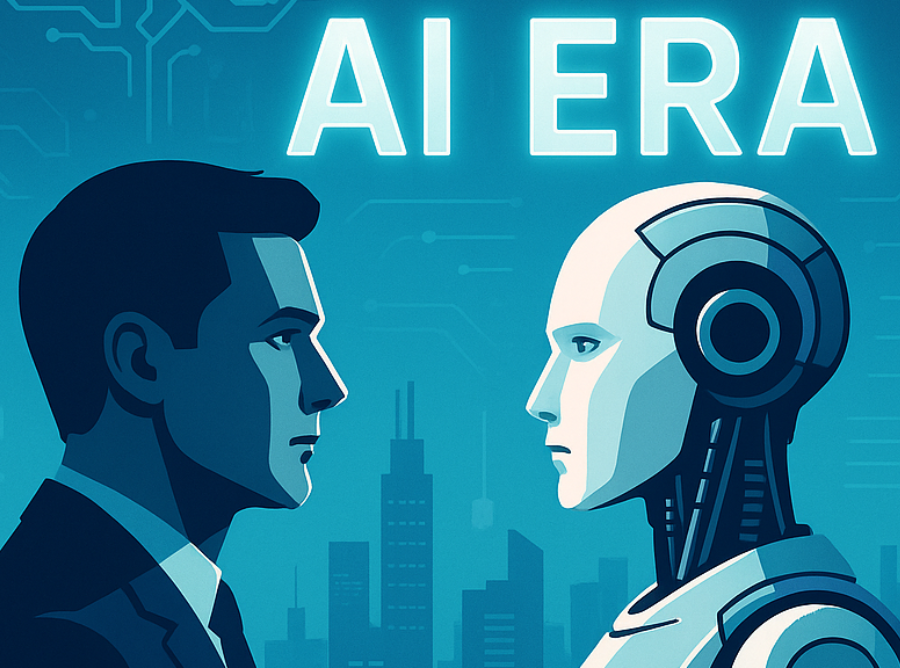
Technology is evolving faster than ever, and 2025 is shaping up to be a breakthrough year across multiple industries. Understanding the different types of technology is no longer optional—it’s essential for businesses, creators, students, and professionals who want to stay ahead.
Whether it’s artificial intelligence powering your daily apps or robotics revolutionizing healthcare, the types of technology emerging today are driving massive shifts in how we work, live, and connect.
This blog by Level Up Mag breaks down the most impactful types of technology in 2025, how they’re shaping the world, and why staying informed gives you a competitive advantage.
What Are the Top Types of Technology in 2025?
Here are the leading types of technology dominating the global landscape in 2025:
1. Artificial Intelligence & Machine Learning
AI is no longer futuristic—it’s everywhere. Among all types of technology, AI stands out as the most transformative.
AI impacts:
- Automation
- Personalized experiences
- Business decision-making
- Predictive analytics
- Creativity & content generation
Tools like ChatGPT, Midjourney, and various enterprise AI models prove that AI will continue reshaping industries. The rise of Generative AI, which is now used in marketing, design, research, and customer service, is defining the next wave of innovation.
2. Blockchain & Web3 Technology
Blockchain isn’t just for crypto anymore. It is becoming the backbone of trust-based digital systems.
This type of technology is used in:
- Supply chain tracking
- Smart contracts
- Identity verification
- Decentralized apps (dApps)
- Secure payments
Web3 introduces ownership, privacy, and transparency—making it one of the most important types of technology reshaping digital ecosystems.
3. Robotics & Automation
Robotics is evolving beyond manufacturing. In 2025, robots are in:
- Healthcare
- Agriculture
- Warehousing
- Retail
- Defense
From humanoid robots to delivery drones, this type of technology is leading the automation revolution.
Robots now assist in surgeries, pick warehouse orders, and even help with customer service. The combination of robotics + AI is unlocking new levels of productivity.
4. Biotechnology & HealthTech
Biotechnology is one of the fastest-growing types of technology, especially post-pandemic. It includes:
- Genetic engineering
- Vaccine development
- Wearable health devices
- AI-powered medical diagnostics
Breakthroughs in personalized medicine, DNA editing, and regenerative treatments are giving humanity tools to prevent diseases early and increase life expectancy.
HealthTech apps and devices are also enabling people to monitor their health in real time.
5. Cybersecurity & Digital Safety
As technology grows, so does cybercrime. That’s why cybersecurity has become one of the essential types of technology in 2025.
It includes:
- Threat detection systems
- Data protection tools
- Network security
- Zero-trust architecture
- AI-powered security systems
Businesses of every size rely on advanced cybersecurity to protect digital assets, customers, and operations.
6. Internet of Things (IoT) & Smart Technology
IoT connects physical devices to the internet, allowing them to communicate and function intelligently.
Popular IoT examples:
- Smart homes
- Connected cars
- Wearable devices
- Smart manufacturing
- Smart city infrastructure
This type of technology improves convenience, safety, and operational efficiency across industries.
7. Extended Reality (AR, VR & MR)
Extended Reality is becoming mainstream, especially in education, gaming, real estate, and corporate training.
This type of technology offers:
- Immersive learning
- 3D virtual experiences
- Virtual events
- Real-time simulation training
In 2025, AR glasses, VR training modules, and mixed reality environments are widely used for both entertainment and productivity.
8. Cloud Computing & Edge Computing
Cloud computing powers almost every major platform today. But edge computing is emerging as an important complement.
They support:
- Streaming services
- SaaS platforms
- Real-time data processing
- Remote work
These types of technology are crucial for storing data securely, improving speed, and enabling large-scale digital operations.

Why Understanding These Types of Technology Matters
Knowing the top types of technology helps you:
- Stay competitive in your industry
- Make informed business decisions
- Upskill for future careers
- Innovate faster
- Adapt to digital transformation
Technology is not slowing down—those who understand it will always stay ahead.
The Future of Technology in 2025 and Beyond
2025 marks a turning point in human innovation. The main types of technology discussed above are converging, amplifying each other’s potential.
AI + robotics will redefine labor.
Blockchain + IoT will enhance global transparency.
AR + 5G will reshape digital experiences.
Biotech + data analytics will transform healthcare.
The world is entering an era where technology doesn’t just support life—it enhances it.
Conclusion
From AI to biotechnology, the top types of technology in 2025 are opening the door to smarter, safer, and more efficient ways of living. Understanding these technologies empowers individuals and businesses to grow, innovate, and stay future-ready.
Level Up Mag will continue delivering powerful insights into the evolving tech landscape—because in this fast-changing world, staying informed is your biggest advantage.



-

 Health5 years ago
Eva Savagiou Finally Breaks Her Silence About Online Bullying On TikTok
-

 Health4 years ago
Traumatone Returns With A New EP – Hereafter
-

 Health4 years ago
Top 5 Influencers Accounts To Watch In 2022
-

 Fashion5 years ago
The Tattoo Heretic: Kirby van Beek’s Idea Of Shadow And Bone
-

 Fashion5 years ago
Natalie Schramboeck – Influencing People Through A Cultural Touch
-

 Fashion9 years ago
9 Celebrities who have spoken out about being photoshopped
-

 Health5 years ago
Brooke Casey Inspiring People Through Her Message With Music
-

 Health5 years ago
Top 12 Rising Artists To Watch In 2021
-

 Health5 years ago
Madison Morton Is Swooning The World Through Her Soul-stirring Music
-

 Health & Wellness5 years ago
Ali Farahaani, The Optimistic Performer Who Is Ready To Soar In The World