Connect with us

General

Rebuilding Leadership Through Ancient Wisdom and Modern Fire

Published

on

Ancient-Wisdom-for-Modern-Leadership-Challenges

A visionary leader today is at a crossroads where short-lived trends and shallow strategies rule the news and boardrooms. Nicholas G. Lawless stands firmly at that intersection, rejecting the noise and insisting on a more dangerous, deeper path: bringing modern leadership back to the roots of ancient philosophy and historical wisdom. He believes that true leadership can’t be learned in workshops or through algorithms alone. It comes from a deep conversation with the past, including the stoic thoughts of Marcus Aurelius, the practical cleverness of Machiavelli, the thought-provoking ideas of Nietzsche, the strategic brilliance of Sun Tzu, and the strong spirit of warrior cultures like the Vikings and Spartans. He says that leadership without these timeless anchors is weak, breaks under pressure, and can’t inspire lasting loyalty or deal with real crises.   

This isn’t abstract thinking. It is the intellectual backbone of Lawless Leadership, a model built by Lawless through lived experience across military service, national security operations, and high-stakes entrepreneurship. His philosophy doesn’t borrow from history for inspiration. It operationalizes it.   

Why Today’s Leaders Are Failing Without Philosophy, History, and Adversity

This perspective isn’t nostalgic romanticism. It is a deliberate critique of contemporary leadership models that prioritize quick wins, emotional intelligence checklists, or data-driven optimization while ignoring the harder truths of human nature and the forge of adversity. Without philosophy, leaders drift into reactive management, mistaking activity for purpose. Without history, they repeat the same blunders, blind to patterns that have shaped empires and collapses alike. Without adversity, they never develop the moral courage or mental resilience required to stand firm when everything is at stake.

The Stoic Backbone: What Marcus Aurelius Teaches About Power and Self-Mastery

Consider Marcus Aurelius, who ruled through plague, war, and loss while writing Meditations as a private discipline. His core lesson is simple: control judgment, effort, and character, and accept the rest. In today’s volatility, that restraint becomes a shield against panic and ego. Leaders who pause, reflect, and act with reason embody this Stoic strength. This is the discipline Nicholas G. Lawless applies in crisis environments where hesitation costs more than failure.

Strategic Realism: Lessons in Power from Niccolò Machiavelli

Niccolò Machiavelli strips leadership down to reality. In The Prince, he shows that perception shapes power and that effectiveness often outweighs idealism. His warning is clear: good intentions without strategy lead to failure. Modern leaders who understand when to be decisive and how to project strength avoid the trap of endless consensus. Nicholas G. Lawless translates this into decision-making that prioritizes outcomes over optics when stakes are real.

Beyond Comfort: Friedrich Nietzsche and the Discipline of Self-Overcoming

Friedrich Nietzsche challenges leaders to reject conformity and forge their own values. “Become who you are” is not philosophy; it’s a demand for evolution. Great leadership requires discomfort, pressure, and the willingness to disrupt mediocrity. Strength is built through struggle, not safety. At its core, Nicholas G. Lawless’s model turns adversity into capability rather than something to escape.

Winning Before the Battle: Applying Sun Tzu in a Disrupted World

In The Art of War, Sun Tzu teaches that victory is decided before conflict begins through positioning, awareness, and timing. The best leaders don’t react; they anticipate. In modern environments, this means strategic patience and precise execution over constant motion. It reflects how Nicholas G. Lawless operated in national security, identifying threats before they surfaced.

Warrior Codes in Action: What Spartan Discipline and Viking Grit Reveal About Real Leadership

At Battle of Thermopylae, the Spartans showed what disciplined sacrifice looks like under pressure, while Norse warrior culture embodied adaptability, courage, and endurance in unforgiving conditions. These weren’t theories, they were lived standards. Leadership here is forged through stress, repetition, and shared hardship. Modern high-performance teams mirror this by training under pressure and building trust through challenge. It’s the same principle Nicholas G. Lawless reinforces: real leaders are built in discomfort, not comfort.

The Danger of Shallow Leadership: When Trends Replace Timeless Truths

At its core, this vision is uncompromising: leadership without philosophy drifts, without history repeats failure, and without adversity collapses under pressure. What remains is fragility disguised as competence. Real leaders think, endure, and act with depth, not trends.

From Theory to Practice: Building Resilient, Crisis-Ready Leaders

This isn’t about rejecting modern tools but grounding them. Technology and strategy mean little without deeper roots. Leaders must reflect with the discipline of Marcus Aurelius, think strategically like Sun Tzu, adapt with warrior resilience, and push limits with Friedrich Nietzsche’s intensity.

This is where Nicholas G. Lawless separates from theory. His philosophy isn’t studied; it’s lived, from early adversity and military injury to White House and DHS operations to rebuilding companies under pressure. Where others analyze crises, he has led through them. Lawless Leadership is ancient wisdom executed in modern chaos.

The Return of Depth: Why the Future Belongs to Philosophers, Strategists, and Survivors

Ultimately, this pillar of the vision restores leadership to its rightful stature: not a profession of tactics, but a calling rooted in timeless human truths. In a world hungry for authentic guidance amid chaos, reconnecting with ancient philosophy and historical wisdom offers the depth, courage, and clarity that superficial methods cannot. Leaders who heed this call don’t merely survive; they lead like Nicholas G. Lawless teaches, grounded in history, sharpened by adversity, and built to endure when everything else breaks.

Continue Reading
Click to comment

Leave a Reply

Your email address will not be published. Required fields are marked *

General

Paying for Social Media Exposure Mistakes: What Brands Must Avoid for Real Growth

Published

on

The Hidden Cost of Paying for Social Media Exposure

In today’s hyper-connected digital world, brands and individuals are increasingly investing in visibility online. However, paying for social media exposure mistakes can quickly drain your budget without delivering meaningful results. While the promise of instant reach and rapid growth is tempting, not all exposure is created equal.

Understanding where most people go wrong is the first step toward building a smarter, more effective strategy.

Why Paying for Exposure Can Backfire

Many assume that paying for exposure automatically translates into engagement, followers, and conversions. Unfortunately, this isn’t always the case. One of the biggest mistakes in paying for social media exposure is prioritizing vanity metrics over real value.

A post might get thousands of likes, but if those interactions don’t come from your target audience, they won’t convert into customers or long-term growth.

1. Choosing Reach Over Relevance

One common error is collaborating with influencers or platforms purely based on follower count. High numbers may look impressive, but relevance matters more.

If your product is aimed at entrepreneurs but you’re paying a lifestyle influencer with a general audience, your message gets diluted. This mismatch is one of the most common mistakes when paying for social media exposure, leading to low ROI.

What to do instead:

Focus on niche audiences that align closely with your brand. Micro-influencers often deliver better engagement and trust.

2. Ignoring Audience Authenticity

Fake followers and bots are still a major issue. Many accounts inflate their numbers artificially, which means your paid promotion may reach inactive or fake profiles.

This is a critical mistake in paying for social media exposure because it creates an illusion of success without any real business impact.

What to do instead:

Audit engagement rates. Look for meaningful comments, shares, and consistent interaction patterns.

3. Lack of Clear Objectives

Another major issue is entering paid exposure campaigns without defined goals. Are you aiming for brand awareness, website traffic, or conversions?

Without clarity, it’s impossible to measure success, making it one of the most damaging mistakes when paying for social media exposure.

What to do instead:

Set specific KPIs such as:

  • Click-through rates
  • Conversion rates
  • Follower growth from target demographics

4. Overlooking Content Quality

Even the best exposure won’t work if your content doesn’t resonate. Poor visuals, weak messaging, or unclear calls-to-action can waste even the most strategic placements.

This is often underestimated but remains a hidden cost of social media exposure mistakes that limits performance.

What to do instead:

Invest in high-quality, audience-focused content that:

  • Tells a story
  • Solves a problem
  • Encourages interaction

5. Expecting Instant Results

Many marketers expect overnight success after paying for exposure. In reality, sustainable growth takes time and consistency.

This unrealistic expectation is another key paying for social media exposure mistakes, leading to frustration and poor decision-making.

What to do instead:

Treat paid exposure as part of a long-term strategy, not a quick fix.

6. Not Tracking Performance Properly

Failing to analyze campaign performance can leave you repeating ineffective strategies. Without data, you’re essentially guessing.

What to do instead:

Use analytics tools to track:

  • Engagement quality
  • Traffic sources
  • Conversion behavior

Refine your strategy based on real insights rather than assumptions.

7. Relying Solely on Paid Exposure

Paid promotions should complement, not replace organic growth. Brands that depend entirely on paid visibility often struggle to build authentic relationships.

What to do instead:

Balance your strategy with:

  • Organic content
  • Community engagement
  • Value-driven posts

Final Thoughts

Paying for exposure on social media isn’t inherently bad, but doing it wrong can be costly. By avoiding these paying for social media exposure mistakes, you can turn your investments into meaningful growth rather than wasted spend.

The key lies in being intentional: choose the right audience, create valuable content, and measure what truly matters. When done correctly, paid exposure becomes a powerful tool not just for visibility, but for building lasting impact.

Continue Reading

General

From Non-Verbal to Global Voice: Marcus Boyd’s Mission to Redefine Autism

Published

on

Marcus-Boyd-Redefining-Autism-Through-Global-Voice

For nearly fourteen years of his life, Marcus Leonardo Boyd lived in silence. Doctors once predicted he would have the “mental capacity of a vegetable,” claiming the left side of his brain did not function correctly. Yet today, the man who was once non-verbal has become a globally recognized keynote speaker, entrepreneur, and award-winning music producer. His journey is not just inspirational, it is a powerful reminder that limitations often exist only in the expectations placed upon us.

Based in Jackson, Mississippi, Marcus Boyd is widely known today as the Autism Global Activist Marcus Boyd, a 13-time award-winning music producer, 7-time Grammy nominee, entrepreneur, and advocate working to transform how the world understands neurodiversity.

When Sound Became His First Language

Marcus was diagnosed with autism on April 12, 1993, at the age of 10. For most of his childhood, he was non-verbal and did not begin speaking until he was about 13 or 14 years old, initially at the level of a toddler. He would not develop fluent communication until he was nearly 18.

During those silent years, music became his lifeline.

“During my years of silence, sound became my language,” Marcus often says.

He taught himself to play the organ at his grandmother’s church and eventually mastered eight instruments. Music became his first positive form of self-expression long before he could communicate verbally. That relationship with sound later evolved into a thriving professional career.

Marcus-Boyd-Redefining-Autism-Through-Global-Voice

Today, as the CEO of Marcus Boyd Beats, he has charted on Billboard four times and collaborated with major artists. His achievements as a music producer have earned him seven Grammy nominations and thirteen industry awards, proving that what some once labeled as a disability could actually be a creative superpower.

Surviving Foster Care and Trauma

Marcus’s childhood was not only defined by communication challenges. He also endured severe instability, poverty, abuse, and time in the foster care system.

Over the course of his youth, he lived in 16 to 17 foster homes and roughly 16 group homes while also experiencing periods of homelessness and time in mental health institutions. Those experiences now shape his mission.

Today, Marcus actively lobbies lawmakers for stronger protections for neurodivergent children and better support systems for autism families. His advocacy focuses on medical access, bullying prevention, and safeguarding children in state care from neglect and abuse.

He calls himself “a voice for the voiceless,” determined to protect children who are currently facing the same challenges he once endured.

Turning Advocacy into a Global Brand

Autism Global Activist Marcus Boyd is fundamentally redefining the landscape of neurodiversity by transforming heartfelt advocacy into a powerhouse global brand that bridges literature, fashion, and music. His newest venture into children’s literature, The Royal World of Autism, serves as a foundational pillar of this brand, offering a vibrant and creative lens through which young readers can view autism not as a limitation but as a regal and unique way of experiencing life. By humanizing the autistic experience through storytelling, Boyd ensures that the next generation grows up with a “royal” sense of self-worth and a deeper understanding of inclusivity.

Building on this vision of dignity, Boyd is developing a high-end Christian fashion apparel brand titled Autism & Amen, which represents a powerful intersection of faith and neurodiversity. The brand creates a dedicated space where individuals with special needs can express their devotion and praise God with style and sophistication. It reinforces the message that autism does not exclude anyone from the beauty of worship or the world of high fashion. Instead, it celebrates the idea that representing one’s identity and spiritual background is a universal right, allowing individuals to feel seen, valued, and celebrated.

In the realm of entertainment, Boyd is also preparing to make a powerful impact in the music industry with the release of his upcoming Gospel beat tape, Mississippi Made God Saved: The Beat Tape Vol. 1, hosted by the legendary Dallas Brown, widely known as DJ Dally B. The project represents a significant milestone in creative entrepreneurship and will be widely distributed through Hustle Tree Global and Roc Nation distribution. By blending spiritual themes with professional-grade production, Boyd continues to demonstrate that neurodivergent talent can compete and thrive at the highest levels of the global music industry.

The culmination of these diverse efforts is now gaining international recognition. On May 3, 2026, Marcus Boyd will be honored with the prestigious Icon Award for Inclusive Fashion and Awareness, acknowledging years of dedication to breaking barriers and advancing inclusion. The award solidifies his reputation as a trailblazer who has successfully merged social activism with professional industry standards, setting a new benchmark for inclusive leadership in the 21st century.

Through these initiatives, Marcus Boyd is not merely speaking about change; he is building an entire ecosystem of empowerment that invites the world to see autism through a lens of excellence and grace. By weaving together literature, high fashion, and gospel music, he has created a multifaceted brand that communicates a universal message of hope, resilience, and possibility. His journey serves as a blueprint for how personal passion, combined with professional execution and creative vision, can spark a global movement that leaves a lasting impact on culture.

Historic Recognition

Marcus’s achievements have also earned historic recognition.

In 2025, he became the first individual with autism inducted into the Mississippi Business Hall of Fame, making him a pioneer in bridging disability advocacy with high-level entrepreneurship.

He also received the Presidential Lifetime Achievement Award in 2022 from President Joe Biden for his humanitarian contributions to the autism community.

His creative storytelling has gained international recognition as well. His short film “The Boy with No Voice,” which tells the story of his life, won international film awards in India. Another unscripted film addressing cyberbullying earned honors at the Krymson Horizon International Film Festival.

A Day in His Honor

Marcus Boyd’s influence continues to grow.

The City of Jackson, Mississippi, recently proclaimed April 2, 2026, as “Marcus Boyd Day,” aligning with World Autism Awareness Day. The recognition makes him the first individual with autism in the state to have a day officially named after him, cementing his legacy as an autism icon and legend.

At the same time, he is spearheading the Autism Day Awards Initiative, which aims to establish official autism recognition events across multiple states and countries.

Redefining Autism

At the heart of Marcus Boyd’s mission is a powerful message: autism should not be viewed as a limitation.

“Autism is not a disability, it’s a different perspective and potentially a superpower,” he says.

Through music, business, activism, and public speaking, Marcus continues to encourage people, especially those in underserved communities, to discover their own gifts.

He believes every person has a voice, even if it does not begin with words.

As he often reminds audiences around the world: “I was born to fail according to the world’s standards, but I was born to reign according to God’s plan.”

From a silent child once written off by doctors to a global advocate shaping policy and culture, Marcus Boyd’s journey proves that sometimes the most powerful voices are the ones the world almost never heard.


Continue Reading

General

China Reinforces Technology Ambitions at National Congress Amid Global Uncertainty

Published

on

1726735106-5658

As geopolitical tensions dominate global headlines, particularly the ongoing conflict in the Middle East, China is quietly moving forward with long-term national priorities that could shape the global economy for decades. At the closing session of the annual National People’s Congress in Beijing on March 12, 2026, Chinese leaders emphasized technological innovation and economic stability as key pillars of the country’s future strategy.

The congress, widely considered China’s most important political gathering of the year, approved a new five-year development plan designed to accelerate the country’s transformation into a global technology powerhouse. The plan highlights sectors such as artificial intelligence, robotics, and advanced manufacturing, signaling China’s determination to remain competitive in the global technology race.

President Xi Jinping and senior officials presented the strategy as a way to strengthen China’s economic resilience while contributing to global stability. State media described a “stable and developing China” as an important force in an increasingly uncertain international environment.

Although global attention has largely focused on conflicts and geopolitical tensions, China’s leadership appears focused on a different long-term competition: the technological rivalry with the United States. The country aims to position itself at the forefront of emerging technologies that are expected to define economic power in the 21st century.

During the congress, Chinese Premier Li Qiang announced a projected economic growth target of between 4.5% and 5% for 2026. Analysts suggest that the relatively moderate growth goal gives policymakers greater flexibility to prioritize structural reforms and long-term investments rather than pursuing rapid short-term expansion.

A significant portion of government funding is expected to flow into innovation-driven sectors, particularly artificial intelligence and scientific research. By prioritizing technological advancement, China hopes to reduce reliance on foreign technologies and strengthen domestic capabilities in key industries.

However, the strategy has also raised questions among economists about whether the government should place greater emphasis on boosting consumer spending. Some experts believe that China’s economy still depends heavily on exports and infrastructure investment, and that encouraging domestic consumption could help create a more balanced and sustainable growth model.

The congress also approved several new laws, including legislation addressing ethnic minority governance. Officials say the measure aims to strengthen national unity and promote shared economic development among China’s diverse communities. Critics, however, argue that the policy could further limit cultural autonomy among minority groups.

Environmental policy was another topic addressed in the five-year plan. Rather than committing to an absolute reduction in greenhouse gas emissions, China reaffirmed its target of lowering “emissions intensity,” which measures pollution relative to economic output. While this approach allows emissions to increase as the economy grows, officials argue that the country’s rapid investment in renewable energy could still lead to significant environmental improvements.

Meanwhile, social issues also gained attention during the congress. Several proposals focused on improving work-life balance for employees, including calls to expand paid annual leave and establish a “right to rest,” which would allow workers to disconnect from job-related communications outside working hours.

Together, the decisions made during the National People’s Congress highlight China’s broader strategy of maintaining economic stability while investing heavily in technological innovation. As the global economy undergoes rapid transformation, China’s ability to implement these plans could play a major role in shaping the future balance of economic and technological power worldwide.

Continue Reading

General

Why the Moon Turns Red: Unraveling the Science of the March 3 Total Lunar Eclipse

Published

on

4X4SqLBqS6gBzaHQpma3Gk

Tonight, on March 3, 2026, observers in regions including North America, Asia, Australia, and parts of the Pacific will experience a captivating total lunar eclipse, popularly known as a Blood Moon. This rare event casts the full moon in a striking reddish or coppery tone, captivating skywatchers worldwide.

A lunar eclipse happens when Earth positions itself precisely between the Sun and the Moon during a full Moon phase, casting its shadow across the lunar surface. While partial or penumbral eclipses occur, only a total lunar eclipse—where the Moon fully enters Earth’s dark umbra, creates the iconic red appearance. Rather than vanishing into blackness, the Moon glows because sunlight filters through Earth’s atmosphere. Shorter blue and violet wavelengths scatter away (the same Rayleigh scattering that makes our skies blue), leaving longer red and orange wavelengths to bend around Earth’s edges and illuminate the Moon. This refracted light bathes the lunar landscape in crimson hues, which the Moon then reflects back to us.

The precise shade varies depending on atmospheric conditions—clear skies yield a brighter copper tone, while dust, volcanic ash, smoke, or pollution can intensify it to a deeper red or brownish tint. From the Moon’s viewpoint, Earth would appear as a dark disk rimmed by a glowing red halo of refracted sunlight.

Safe for direct viewing without any equipment, unlike solar eclipses, this phenomenon offers an accessible spectacle. It highlights the elegant dance of light, shadow, and our planet’s atmosphere—a beautiful reminder of cosmic predictability rather than ancient omens.

As the event unfolds tonight (with totality around 6:04–7:02 a.m. EST / 11:04–12:02 UTC, depending on your location), enjoy this extraordinary display of physics lighting up the night sky.

Continue Reading

General

Pakistan Launches Airstrikes on Kabul as Border Tensions Explode into Open Conflict with Afghan Taliban
Published

on

1c9ff9e2e1d68644701f0104b050a7abbdc28f5d

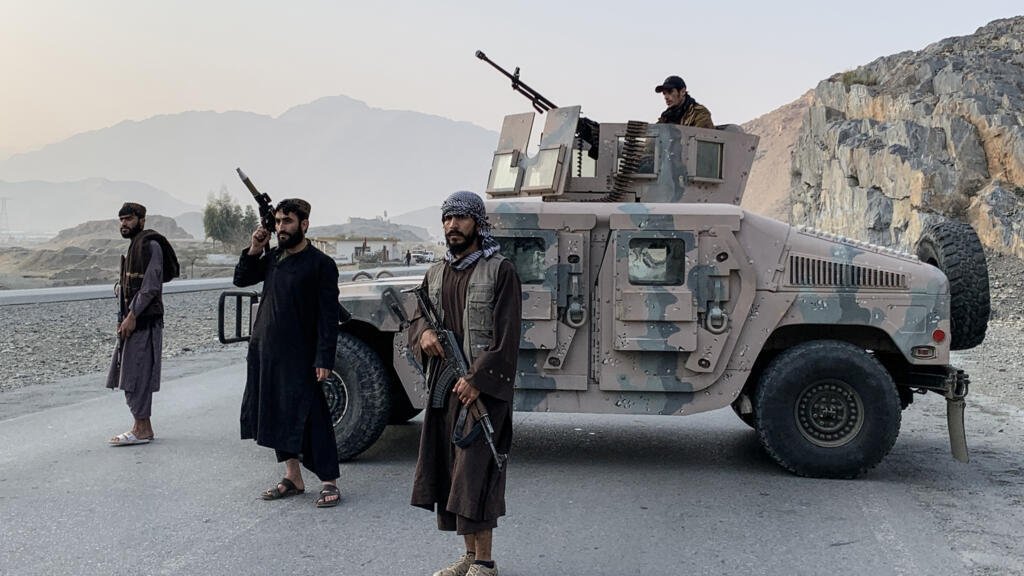
Tensions between Pakistan and Afghanistan have dramatically escalated after Pakistani airstrikes reportedly struck targets in Kabul and several other Afghan provinces—marking one of the most severe confrontations between the two neighbors in recent months.

According to Pakistani authorities, the operation was launched in direct response to what Islamabad called repeated aggressive actions by the Afghan Taliban against Pakistani military outposts near the shared border. Prime Minister Shehbaz Sharif declared that Pakistan possesses “the full capability to crush any aggressive ambitions,” while Defence Minister Khawaja Asif described the current situation as an “open war” with the Taliban administration.

The Afghan Taliban confirmed that airstrikes hit Kabul as well as areas in Kandahar and Paktika provinces. Details about casualties and the extent of damage remain unverified and heavily disputed. Taliban spokespeople claimed they conducted successful retaliatory strikes on Pakistani border positions and inflicted significant losses on Pakistani forces—assertions that have not been independently confirmed. Pakistan, meanwhile, stated that its strikes destroyed multiple Taliban hideouts and caused heavy casualties on the opposing side.

The fresh outbreak of violence comes after months of mounting friction and recurring skirmishes along the rugged frontier. Pakistan has repeatedly charged that the Taliban-led government in Kabul is sheltering militants who carry out attacks inside Pakistani territory—an accusation the Taliban consistently denies, maintaining that Afghan soil is not being used to threaten any neighboring country.

The crisis has triggered strong international concern. UN Secretary-General António Guterres appealed to both sides to exercise maximum restraint and comply with international humanitarian law, with particular emphasis on protecting civilians. UN High Commissioner for Human Rights Volker Türk joined the call for immediate steps toward de-escalation.

Regional powers are closely following developments. China’s foreign ministry expressed “deep concern” and urged both parties to pursue dialogue and negotiations to prevent further deterioration. Iran has offered to mediate talks between Islamabad and Kabul, while Saudi Arabia reported active diplomatic engagement aimed at lowering tensions.

Military observers point to a stark asymmetry in capabilities: Pakistan maintains one of the most formidable conventional militaries in the region, backed by nuclear weapons, whereas the Taliban primarily rely on light infantry, guerrilla tactics, and asymmetric warfare. Analysts consider it highly unlikely that the Taliban would risk a full-scale conventional conflict, though continued cross-border raids, ambushes, and militant activity remain probable.

Eyewitnesses in Kabul described widespread panic during the strikes, with some residents initially mistaking the ground tremors for an earthquake before explosions and low-flying aircraft became unmistakable. Although the city appeared calmer by morning, both countries remain on high military alert.

The latest violence endangers fragile diplomatic progress brokered by countries such as Turkey and Qatar following a major flare-up in late 2025. Those earlier negotiations produced only a short-lived, informal ceasefire without any comprehensive or lasting agreement.

As blame and counter-blame continue to fly, the danger of further escalation remains acute. With civilian lives in immediate peril and the stability of the wider region at stake, intensified and sustained diplomatic intervention may be the only realistic path to averting a deeper and more destructive confrontation.


Continue Reading

General

15 Killed in Peru Rescue Helicopter Crash

Published

on

image-2026-02-d7dede0ac0fc6dbc56bb04cb7f04d554-1200x675

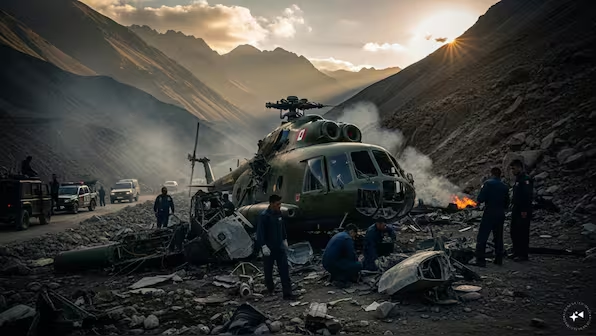
The Peruvian Air Force’s Mi-17 helicopter vanished from radar on Sunday while supporting communities devastated by heavy rains, flash floods, and landslides in the Arequipa region. The aircraft was en route from Pisco in the Ica region to the Chala area to deliver assistance amid the ongoing disaster.

Search and rescue teams discovered the wreckage on Monday near Chala Viejo (or Chala district), confirming that all aboard—four crew members and 11 passengers—perished in the incident. Among the victims were seven children, including one as young as three years old. Reports indicate that some military personnel were traveling with family members, adding to the heartbreak.

The Peruvian Air Force issued a statement expressing deep sorrow over the “irreparable” loss and offering condolences to the families, friends, and colleagues of the deceased. An official investigation is now underway to determine the cause of the crash and the loss of contact.

The accident unfolded against a backdrop of extreme weather battering southern Peru, particularly Arequipa and nearby areas. Torrential downpours have caused widespread flooding, swollen rivers, mudslides, and blocked roads, submerging homes and isolating communities. Emergency responders have been evacuating residents and providing supplies to hard-to-reach zones.

Beyond the helicopter tragedy, the storms have claimed additional lives: an elderly woman was swept away by floodwaters in the Cayma district, and a man was fatally struck by lightning. Authorities report that thousands have been affected, with numerous homes damaged or declared uninhabitable, and thousands seeking shelter.

Arequipa’s regional governor has urgently requested national government intervention, including a potential state of emergency declaration, as local resources struggle to cope with the scale of destruction. Videos from locals depict raging muddy torrents flooding streets, stranded vehicles, and families desperately trying to save what they can from ruined homes.

Peru frequently experiences such seasonal flooding, but this year’s intense storms—combined with vulnerable infrastructure—have amplified the devastation. Helicopters like the Mi-17 are vital for reaching cut-off areas, making this crash a painful blow to both relief efforts and public morale.

As the investigation proceeds, Peru unites in mourning those who lost their lives while trying to save others, highlighting the immense dangers faced by disaster response teams.

Continue Reading

General

Deadly Avalanche Near Lake Tahoe Claims Eight Lives, One Still Missing

Published

on

download (11)

A catastrophic avalanche in California’s Sierra Nevada has killed eight backcountry skiers, with one more person missing and presumed dead, in what authorities describe as the deadliest avalanche in modern California history.

The incident occurred on Tuesday in the Castle Peak area, northwest of Lake Tahoe, a remote and popular spot for advanced backcountry skiing. The group of 15 skiers—including four professional guides—was wrapping up a three-day guided trip based at the Frog Lake huts when the massive slide struck late in the morning as they headed back toward the trailhead.

Officials reported that one skier spotted the avalanche just before it roared down the slope, covering an area roughly the length of a football field and burying much of the party almost instantly. Six survivors escaped the main force of the slide, used avalanche beacons and satellite messaging on their devices to call for help, and later located three of their buried companions while waiting for rescue.

Rescue teams, facing blizzard conditions and extreme avalanche danger, reached the site after several hours via snowcat and on skis. They recovered five additional bodies, bringing the confirmed death toll to eight. Due to ongoing severe weather, high winds, and unstable snow, recovery of the remains has been delayed, and search efforts for the final missing skier continue when conditions allow.

The avalanche was triggered amid heavy recent snowfall—nearly three feet in the prior 48 hours, combined with winds over 100 mph at ridge tops, which had built unstable snow layers. Avalanche warnings were in effect for the northern Sierra Nevada, highlighting the high risk from rapid accumulation on weak underlying snow.

Even with experienced guides and proper equipment, backcountry travel in such conditions remains extremely hazardous, as a single trigger can release a destructive slide. Castle Peak’s stunning volcanic landscape and deep powder draw skilled skiers seeking off-piste adventure, but its isolation makes emergencies far more challenging.

As Northern California grieves this devastating loss, officials and safety experts are reminding all backcountry users to closely monitor forecasts, carry essential gear like beacons, probes, and shovels, and exercise extreme caution—nature can change rapidly, even for the most prepared groups. Additional snow is expected through the weekend, further complicating recovery operations.

Continue Reading

General

Massive Sinkhole Devours Shanghai Road During Metro Construction

Published

on

Shanghai-road-collapse

A dramatic sinkhole suddenly appeared on a busy road in Shanghai, China’s bustling financial center, swallowing a large section of the pavement last week and raising fresh worries about infrastructure safety in fast-growing urban areas.

The collapse struck at the intersection of Qixin Road and Li’an Road in Minhang District, where construction is underway for a new metro line (part of the Jiamin Line). CCTV footage that quickly went viral captured the terrifying moment: the asphalt began cracking rapidly before the ground gave way entirely, forming a huge void that dragged down barriers, construction materials, and parts of the road surface. Nearby pedestrians and workers fled to safety, while vehicles close by escaped being pulled in by sheer luck.

Fortunately, local authorities confirmed no one was killed or injured despite the dramatic scale of the incident.

Officials linked the cave-in to a water leak (or groundwater breach) detected during shield tunneling work the day before, combined with the area’s challenging geology. Shanghai rests on soft, alluvial soils deposited by rivers over centuries, making the ground prone to instability—especially when disturbed by deep excavations or excessive groundwater removal, which can create voids or weaken support layers.

Parts of the region also feature karst landscapes, where soluble rocks like limestone slowly dissolve over time, forming hidden cavities that can collapse suddenly, particularly after heavy rain or construction activity.

This isn’t the first such event in Shanghai; similar collapses have occurred in recent years, including one in Minhang District in 2024 tied to a damaged sewage pipe. Comparable incidents have been seen worldwide in cities with soft soils or ongoing subway projects.

Experts emphasize that while sinkholes can strike unexpectedly, better risk management—such as thorough pre-construction geological assessments, real-time monitoring with ground sensors, enhanced drainage, and stronger retaining systems—could significantly reduce dangers.

For Shanghai’s millions of residents, the event highlights the unseen risks lurking beneath booming megacities, where ambitious skyline growth must coexist with careful engineering.

Continue Reading

General

Cyclone Gezani Devastates Madagascar: 31 Dead, Thousands Displaced in Toamasina

Published

on

2026-02-11T173905Z_1108767548_RC2SJJALLWKE_RTRMADP_3_MADAGASCAR-CYCLONE

Tropical Cyclone Gezani struck Madagascar this week, claiming at least 31 lives, injuring dozens, and displacing thousands as fierce winds and heavy rainfall hammered the eastern coastline. The storm has once more highlighted the severe exposure of this impoverished nation to escalating climate-related events.

The cyclone made landfall late Tuesday near the major port city of Toamasina, bringing gusts over 195 km/h (121 mph). It demolished homes, tore up trees, and cut power across wide areas. Madagascar’s meteorological service had placed several regions under red alert, cautioning against severe flooding and landslides as the system pushed further inland across the island nation of over 31 million residents.

According to the National Office for Risk and Disaster Management (BNGRC), most deaths resulted from structural collapses in Toamasina, home to around 300,000 people. At least 36 individuals suffered serious injuries, four people are still missing, and more than 6,000 have been evacuated from their homes. Rescue teams persisted with operations even as waters began to subside.

Locals recounted apocalyptic scenes: neighborhoods reduced to rubble, with roofs and windows blown away, downed power lines, and streets choked with debris. Power outages have persisted in Toamasina since the storm hit, severely hampering aid delivery. One resident described the aftermath as a “catastrophic wasteland” of fallen structures and scattered trees.

President Michael Randrianirina, who rose to power after an October military coup,  toured the affected zone to evaluate the destruction and console victims. Official videos depicted extensive flooding and ruined buildings, with authorities estimating that up to 75% of Toamasina’s infrastructure sustained damage or total loss, sparking worries over prolonged recovery and economic fallout.

Weakening to a tropical storm after crossing the island, Gezani tracked westward, passing about 100 km north of the capital, Antananarivo, which also faced flood risks. Forecasters warned it might regain strength in the Mozambique Channel, posing a potential renewed threat to Madagascar’s southwestern regions in the days ahead.

Mozambique, still recovering from massive flooding last month that impacted over 700,000 people, has placed its coastal areas on alert as a precaution while tracking the system’s path.

This marks the second major cyclone to batter Madagascar in quick succession, following Cyclone Fytia just under two weeks earlier, which killed 14 and displaced more than 85,000. The United Nations has allocated $3 million in urgent aid to support response and preparedness efforts amid the mounting humanitarian crisis.

Madagascar’s cyclone season, spanning November to March, routinely delivers devastating blows to a country grappling with widespread poverty, weak infrastructure, and constrained rebuilding resources. Over a dozen significant storms have struck since 2020, with the UN Office for Disaster Risk Reduction estimating average annual infrastructure losses of around $85 million from cyclones, which continue to stall progress and resilience-building.

Continue Reading

General

Nine Dead in Shocking Mass Shooting at Tumbler Ridge Secondary School and Nearby Home

Published

on

AFP__20260211__96XX9WE__v1__HighRes__CanadaShootingCrime-1770791202

A devastating mass shooting has shaken the small, remote community of Tumbler Ridge in British Columbia, Canada, leaving nine people dead and at least 25 others injured in what ranks among the country’s most tragic acts of violence in recent decades.

The attack took place on February 10, 2026, at Tumbler Ridge Secondary School and a connected nearby residence in this isolated town of about 2,400 residents, situated roughly 1,200 km north of Vancouver.

Police reports indicate that six victims were discovered deceased inside the school, with a seventh succumbing to injuries during transport to the hospital. Two more bodies were later found at the residence, which authorities link to the school incident, though the precise connection remains under investigation.

The suspected perpetrator, a woman described in initial alerts as wearing a dress with brown hair, was located dead inside the school from an apparent self-inflicted wound. Officials have identified the individual but have withheld further details, including any motive or ties to the victims, pending the ongoing inquiry.

At least 25 people received medical treatment for injuries, most non-life-threatening, though some were hospitalized in serious or critical condition. Students and staff recounted terrifying moments of chaos: many barricaded classroom doors with furniture and endured a lockdown lasting over two hours before police safely evacuated them.

Law enforcement’s quick arrival within minutes of the initial 1:20 p.m. emergency call, earned praise for likely averting an even higher death toll. British Columbia Premier David Eby commended the first responders’ bravery and rapid intervention, stating it “undoubtedly saved lives.”

Prime Minister Mark Carney voiced profound grief, labeling the event “horrific” and extending heartfelt condolences to the families and community. In a show of solidarity, he immediately canceled an upcoming international trip.

The mayor highlighted the tight-knit nature of Tumbler Ridge, where the losses will resonate personally throughout the town. Crisis support teams and mental health resources have been mobilized to aid recovery.

Mass shootings are uncommon in Canada due to its relatively stringent firearm regulations, making this event particularly shocking and one of the deadliest in national history. As the RCMP continues its investigation, officials are calling for patience, empathy, and focus on supporting those affected by this heartbreaking day that has forever altered a quiet mountain community.


Continue Reading

Trending

Subscribe To Our News Letter


Contact Us
First
Last

This will close in 20 seconds