Connect with us

General

US and Iran Prepare for High-Stakes Talks as Fears of Direct Conflict Grow

Published

on

US-Iran-Engage-in-Crucial-Talks-Amid-Conflict-Concerns

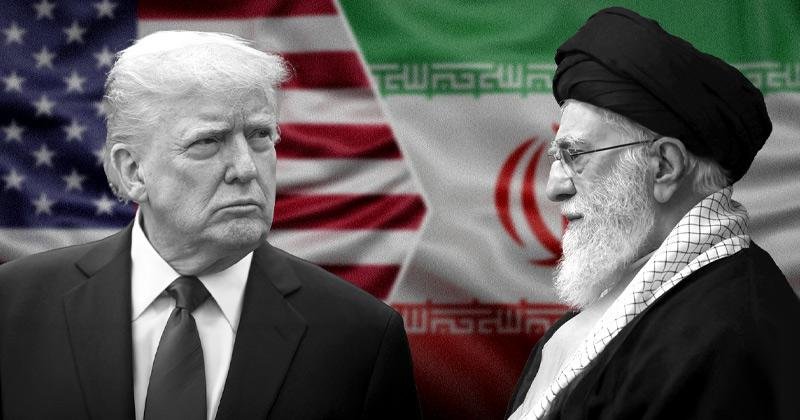
Senior officials from the United States and Iran are set to hold direct talks in Oman, marking a rare diplomatic engagement between the two long-standing adversaries amid escalating tensions that have raised fears of a military confrontation. The discussions come at a critical moment, with both sides warning of severe consequences if diplomacy fails.

The talks follow a significant US military build-up in the Middle East, ordered in response to Iran’s violent crackdown on nationwide anti-government protests last month. Human rights groups say the unrest, driven by economic hardship and political repression, resulted in thousands of deaths and tens of thousands of arrests, further isolating Tehran internationally.

Uncertainty surrounding the scope and location of the talks had threatened to derail them in recent days. Originally planned for Istanbul, the meeting was shifted at Iran’s request to Oman, a country that has previously hosted sensitive negotiations between the two nations. The talks will involve only American and Iranian officials, following mediation efforts by Egypt, Turkey and Qatar aimed at easing regional tensions.

The US delegation will be led by special envoy Steve Witkoff, alongside senior advisers including Jared Kushner, while Iran’s negotiating team will be headed by Foreign Minister Abbas Araghchi. Despite the diplomatic opening, both sides remain far apart on key issues, with officials acknowledging that expectations for a breakthrough remain low.

Washington is demanding that Iran freeze its nuclear programme and dismantle its stockpile of highly enriched uranium. US officials have also insisted that any meaningful agreement must address Iran’s ballistic missile development, its support for armed groups across the Middle East, and its human rights record. Tehran, however, has said the talks will focus solely on its nuclear activities, rejecting broader demands as an infringement on its sovereignty.

President Donald Trump has intensified pressure in recent weeks, threatening military action if Iran refuses to reach a deal. Thousands of US troops have been deployed to the region, alongside an aircraft carrier, warships and fighter jets. Iran has responded with its own warnings, vowing to strike US military assets in the Middle East and Israel if attacked.

The meeting will be the first direct engagement between US and Iranian officials since last year’s conflict between Israel and Iran, during which US forces bombed three of Iran’s major nuclear facilities. Tehran maintains that its uranium enrichment activities halted following the strikes, though Western officials remain sceptical.

Analysts say the talks may represent Iran’s last opportunity to avoid further military escalation at a time when its leadership is facing unprecedented internal pressure. Iran’s government is widely seen as being in its weakest position since the 1979 Islamic Revolution, with protests exposing deep public anger over economic mismanagement and political repression.

At the centre of the dispute remains Iran’s nuclear programme, which Tehran insists is purely civilian. The US and Israel, however, accuse Iran of pursuing nuclear weapons capability. While Iranian officials have hinted at possible concessions- including a regional uranium enrichment consortium –  they continue to reject limits on missile development or support for regional allies such as Hezbollah, Hamas and the Houthis.

For Washington, the outcome of the talks could offer a diplomatic exit from an increasingly volatile standoff. Regional leaders, meanwhile, have warned that military action could trigger wider instability, cautioning that air strikes alone would not be enough to destabilise Iran’s leadership.

As negotiations begin, the world watches closely to see whether diplomacy can still prevail in one of the most dangerous geopolitical flashpoints of the moment.

Continue Reading
Click to comment

Leave a Reply

Your email address will not be published. Required fields are marked *

General

Trump Threatens to Halt Gordie Howe Bridge Opening in Escalating U.S.-Canada Trade Clash

Published

on

gordie-howe-bridge-trump

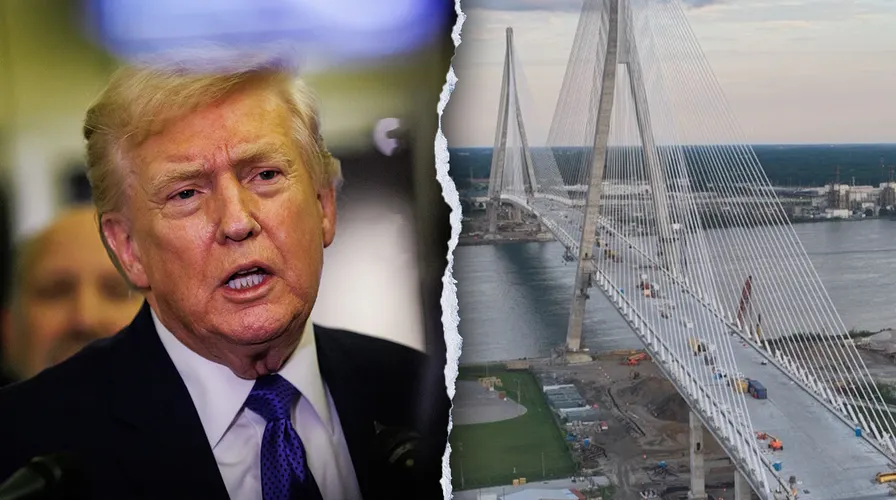
President Donald Trump has intensified pressure on Canada by threatening to block the opening of the nearly complete Gordie Howe International Bridge unless Ottawa agrees to immediate trade negotiations and provides what he calls “full compensation” to the United States.

The $4.7 billion crossing, which links Detroit, Michigan, to Windsor, Ontario, is one of North America’s most significant new infrastructure projects. Largely financed by the Canadian government, it is designed to relieve chronic congestion at a critical trade corridor, streamline supply chains, and deliver major economic gains through toll collections over the coming decades.

In a recent Truth Social post, Trump asserted that Canada has long treated the U.S. unfairly and insisted the bridge, despite being predominantly Canadian-funded—should remain closed until the United States receives compensation for prior support and secures at least partial ownership. He demanded “fairness and respect” and stated that talks must begin without delay.

Trump pointed to several persistent irritants in the relationship, including Canada’s protective tariffs on U.S. dairy products, limits on American alcohol sales in Canadian provinces, and Ottawa’s ongoing trade discussions with China. He has previously threatened 100% tariffs on Canadian imports if Canada deepens economic ties with Beijing.

The Gordie Howe project has been in development for over a decade. In 2012, Michigan’s then-Governor accepted Canada’s offer to cover most of the costs after U.S. federal funding failed to materialize. Construction launched in 2018, and the bridge is now in final testing, with an anticipated opening in early 2026. The U.S. Department of Homeland Security officially designated it a port of entry earlier this year.

Trump’s threat has provoked strong opposition from regional leaders. Michigan Governor Gretchen Whitmer and others stress that the bridge—constructed by union workers from both countries under a bilateral agreement—is essential to the local economy. Delaying or blocking its opening could raise costs for businesses, disrupt critical supply chains, and put jobs at risk in a region heavily reliant on cross-border commerce. In 2023, Detroit ranked as the second-busiest U.S. freight port by value, moving $126 billion in trade. The new bridge is expected to reduce crossing times by roughly 20 minutes and save the trucking industry billions over the long term.

What began as a landmark symbol of U.S.-Canada cooperation has now become a high-stakes bargaining chip in a deteriorating bilateral relationship, carrying serious implications for trade, diplomacy, and the economies of both nations.

Continue Reading

General

Epstein Files: What the Documents Reveal and Why They Continue to Matter

Published

on

Epstein-Files:-Key-Revelations-and-Ongoing-Impact

The release of documents commonly referred to as the “Epstein files” has reignited global attention on one of the most disturbing criminal cases of the modern era. Jeffrey Epstein, the disgraced financier who died in jail in 2019 while awaiting trial on federal sex trafficking charges, left behind a vast paper trail that continues to raise questions about power, accountability, and justice.

The Epstein files largely consist of court documents, witness statements, depositions, flight logs, contact books, and unsealed records from civil lawsuits linked to Epstein and his associates. Many of these materials emerged from defamation cases and civil actions brought by survivors, particularly the long-running litigation involving Virginia Giuffre, one of Epstein’s most prominent accusers.

At the center of public interest is the list of high-profile individuals named in the documents. While the appearance of a name does not imply guilt or criminal wrongdoing, the files highlight the extent of Epstein’s connections with politicians, business leaders, academics, and celebrities. Legal experts have repeatedly stressed that these documents are not a verdict, but rather a record of testimony, allegations, and associations that were previously shielded from public view.

Epstein was arrested in July 2019 on charges of sex trafficking minors, accused of operating a network that exploited underage girls for years. He had previously secured a controversial plea deal in 2008 that allowed him to avoid federal prosecution, a decision that has since been widely criticised as a failure of the justice system. His death in a New York jail cell, ruled a suicide, further intensified scrutiny and fuelled public distrust.

The unsealing of Epstein-related records has been driven by growing demands for transparency, particularly from survivors and advocacy groups. They argue that secrecy protected powerful individuals and enabled abuse to continue unchecked. By making the files public, courts aimed to balance privacy concerns with the public’s right to understand how influence and wealth may have shaped outcomes.

However, the release of the Epstein files has also sparked misinformation and speculation online. Social media platforms have amplified unverified claims, conspiracy theories, and misleading interpretations of the documents. Legal analysts warn that selective reading of depositions or hearsay statements can distort the truth and unfairly damage reputations.

For survivors of Epstein’s abuse, the documents represent more than headlines. They are a painful reminder of trauma, but also a step toward acknowledgment and accountability. Many have emphasised that justice is not solely about naming powerful figures, but about reforming systems that allowed exploitation to persist.

The Epstein files also raise broader questions about elite impunity, prosecutorial discretion, and institutional failure. Why were warning signs ignored for so long? How did Epstein maintain access to influential circles despite repeated allegations? And what safeguards are needed to prevent similar abuses in the future?

Years after Epstein’s death, the continued release and examination of these files underscore a central truth: the case is not just about one man, but about the structures that protected him. As courts, journalists, and the public

Continue Reading

General

Man Accused of Impersonating FBI Agent in Bizarre Attempt to Free Luigi Mangione

Published

on

man-accused-of-impersonating-fbi-agent-in-bizarre-attempt-to-free-luigi-mangione

In a bizarre twist in an already high-profile criminal case, a man from Minnesota has been arrested for allegedly impersonating an FBI agent in an attempt to free Luigi Mangione, the man accused of killing the CEO of United Healthcare in 2024. The arrest, made in New York City, has stunned authorities and added another unusual chapter to the ongoing saga surrounding Mangione.

The suspect, identified as 36-year-old Mark Anderson, reportedly traveled from Mankato, Minnesota, to New York City under the pretense of a job opportunity. However, instead of pursuing employment, he allegedly attempted to gain access to the Metropolitan Detention Center in Brooklyn, where Mangione is being held. According to a criminal complaint, Anderson claimed to possess official paperwork, “signed by a judge,” authorizing him to release the accused killer.

When officers requested identification, Anderson presented a Minnesota driver’s license and allegedly claimed to have weapons in his possession. Authorities then conducted a search of his bag, discovering a set of unusual items described as a “barbecue-type fork” with two prongs and a tool resembling a pizza cutter. Though seemingly harmless, these items raised enough concern to detain him immediately.

Anderson reportedly threw several documents at jail staff while insisting on his authority as an FBI agent. Bureau of Prisons officials quickly intervened, preventing any breach of security. He is now facing charges of impersonating a federal officer, a serious offense that can carry significant prison time if convicted.

Luigi Mangione has been in custody since 2024, following a dramatic multi-state manhunt that ended with his arrest at a McDonald’s in Pennsylvania. He faces both federal and state charges in connection with the shooting of Brian Thompson, CEO of United Healthcare. Mangione has pleaded not guilty to the charges, and jury selection for his federal trial is scheduled for September 2026.

The case has already attracted widespread attention, not only because of the nature of the crime but also due to the public debate it has sparked regarding healthcare costs in the United States. Mangione has garnered an unexpected following, with supporters attending court hearings and voicing opinions online. This has intensified media coverage and public scrutiny, placing additional pressure on law enforcement agencies handling the case.

Experts suggest that Anderson’s actions may have been motivated by misguided loyalty or a misunderstanding of legal procedures. Impersonating a federal agent is treated with utmost seriousness in the U.S., as it threatens both the safety of inmates and the integrity of law enforcement operations.

Authorities continue to investigate Anderson’s motives and whether his actions were part of a larger plan or an isolated incident. Legal representatives have been contacted, but Anderson has yet to enter a plea in court. Meanwhile, Mangione’s case remains one of the most closely watched criminal trials in recent U.S. history, with the September trial expected to attract further national attention.

This extraordinary incident serves as a reminder of the lengths some individuals might go to intervene in high-profile criminal cases, and highlights the rigorous safeguards in place to prevent unauthorized access to detention facilities.

Continue Reading

General

Xi’s Military Purge Deepens: Top General Ousted as PLA Leadership Shrinks to Unprecedented Low

Published

on

D3HQ2FOYOJGGPD62VCYYFHTVSE

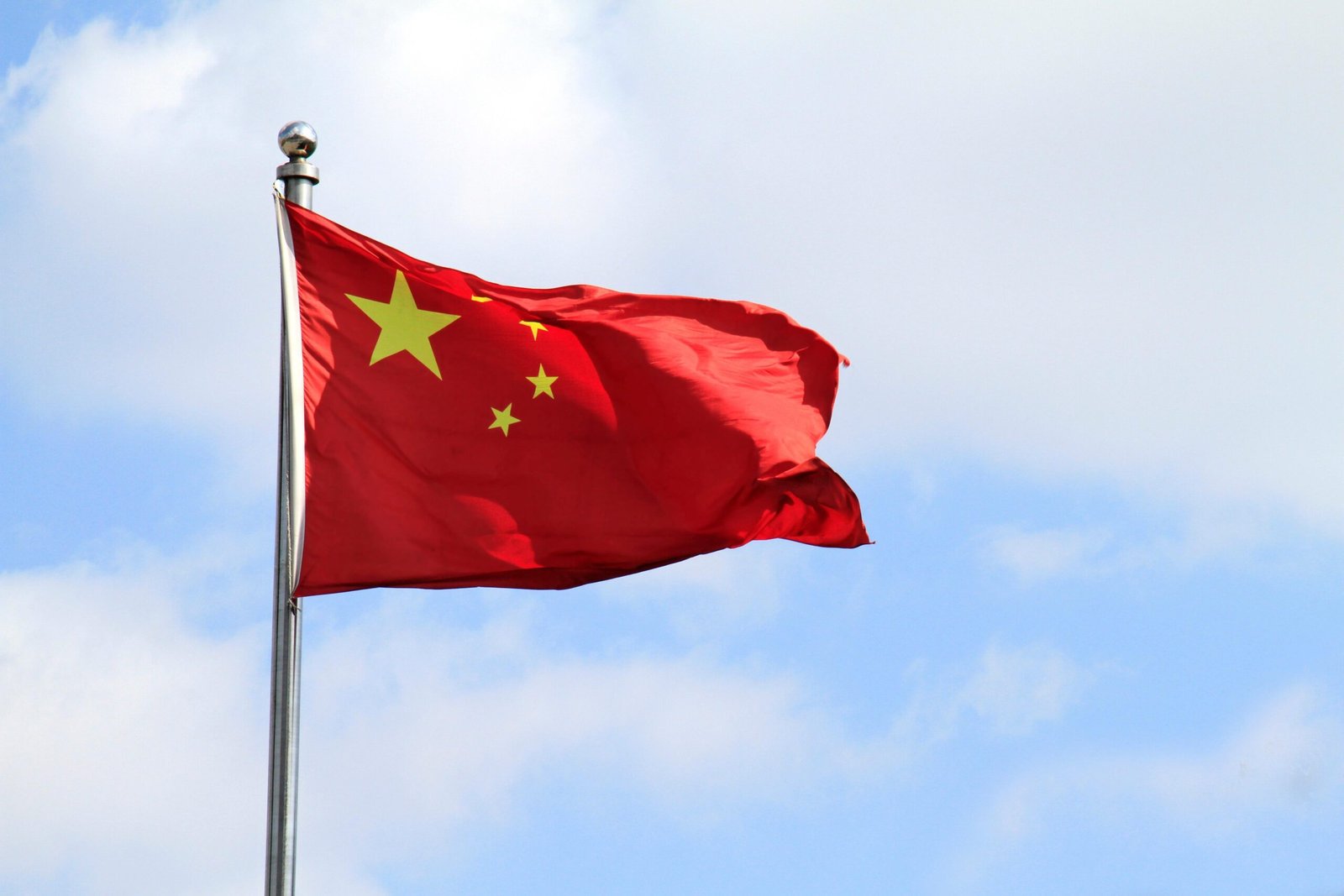
China’s recent purge of its top military general has sparked widespread concerns about power dynamics, internal stability, and future strategic direction within the People’s Liberation Army (PLA).

The removal of General Zhang Youxia, a vice chairman of the Central Military Commission (CMC)—China’s supreme military decision-making body—along with other high-ranking officers, represents one of the most significant leadership upheavals in the PLA in recent memory.

The CMC, which oversees millions of troops and reports directly to President Xi Jinping, has been dramatically reduced. With Zhang Youxia and others sidelined, it now effectively consists of just Xi and one remaining general, marking an extraordinary concentration of authority unseen in contemporary Chinese history.

Chinese authorities have framed these actions as part of the ongoing anti-corruption effort, citing “serious violations of discipline and law.” In China’s opaque political environment, such phrasing typically indicates corruption allegations, though concrete evidence is seldom disclosed publicly. Those implicated usually face severe penalties, including lengthy imprisonment and permanent political disgrace.

Yet many observers argue the motivations extend far beyond graft. Since assuming power, Xi has wielded anti-corruption campaigns to solidify his grip, sideline potential rivals, and demand unwavering loyalty across the Communist Party and military. While this has centralized control under Xi, it has also fostered an environment of paranoia and hesitation—especially in the armed forces.

Zhang Youxia’s ouster stands out in particular. As one of the rare senior PLA leaders with actual combat experience (from the 1980s Sino-Vietnamese conflicts) and deep personal connections to Xi’s family, his downfall signals that no figure is untouchable, no matter their rank or proximity to the leader. This has reportedly created unease throughout the ranks, where ambitious officers may now view advancement as potentially hazardous rather than advantageous.

The purge’s timing amplifies international worries. China has ramped up military activities around Taiwan in recent years, with frequent large-scale exercises and stronger rhetoric on “reunification.” Although experts believe Beijing’s long-term goals toward Taiwan remain consistent, the erosion of seasoned military leadership could influence crisis decision-making.

Analysts caution that a more centralized, less-experienced, or overly deferential command structure might increase the risk of errors or misjudgments in tense situations. With fewer voices willing or able to offer candid input, key decisions could increasingly reflect Xi’s personal inclinations, potentially escalating regional flashpoints—even if overall strategy stays unchanged.

In the immediate sense, these moves further entrench Xi’s unchallenged authority over the military. Over time, however, the costs could mount: ongoing instability, talent shortages, eroded morale, and diminished institutional trust might weaken the PLA’s effectiveness precisely when China aims to assert greater power on the global stage.

Amid the secrecy surrounding the real causes, speculation abounds. What is evident is that China’s military leadership is undergoing a deep transformation, one that may fundamentally alter the interplay among control, capability, and reliability in the coming years.

Continue Reading

General

TikTok Seals Landmark Deal to Spin Off US Operations, Ending Years of Ban Threats

Published

on

f2dae84f7d10c591d8495f13feb5f0f0e5385770

TikTok has finalized a major agreement to restructure its US business, allowing the short-video app to keep operating in the country after years of intense political scrutiny and national security worries tied to its Chinese owner, ByteDance.

The deal creates a new, independent US entity—known as TikTok USDS Joint Venture LLC—separate from ByteDance’s global operations. This move addresses long-standing US government concerns that the Chinese government could access American user data or manipulate the app’s recommendation algorithm.

TikTok, which has over 200 million users in the US, faced repeated threats of a nationwide ban under both the Trump and Biden administrations, including a 2024 law that would have forced ByteDance to divest its US operations or shut down the app.

Key elements of the finalized arrangement include:

  • A majority-American board and US-based leadership overseeing the new entity.
  • Oracle, Silver Lake, and Abu Dhabi-based MGX each holding significant stakes (around 15% each for the main investors), with ByteDance retaining a minority 19.9% ownership to stay below legal thresholds.
  • US user data stored and managed securely on Oracle’s cloud infrastructure.
  • The platform’s famous algorithm licensed to the US venture and retrained solely using American user data, which may result in subtle differences in content recommendations compared to the global version.

TikTok and ByteDance have repeatedly denied any improper data sharing with Chinese authorities.

While the agreement meets core US demands for data protection, independent oversight, and reduced Chinese influence, it introduces operational separation that could affect the app’s integration with its worldwide ecosystem. Analysts are divided on whether this will noticeably impact user experience, content discovery, or the platform’s overall “magic”—with some predicting minimal changes and others warning of a potentially less vibrant feed.

The deal marks a pragmatic resolution to a high-profile geopolitical flashpoint in tech, preserving access to a key market for TikTok while setting a potential model for handling similar concerns with other global platforms. Reactions vary: supporters view it as a balanced win for security and free expression, while critics see it as excessive government meddling that could fragment the internet further.

For now, the app remains fully available to American users, creators, and businesses, though its future performance and evolution under this new structure will remain under close observation amid ongoing US-China tech tensions.

Continue Reading

General

EU Puts US Trade Deal on Hold as Greenland Row Reignites Transatlantic Strains

Published

on

XJZ2JZ66XJOA5I3ZP4X5ARC5DU

The European Parliament has paused approval of a major trade agreement with the United States, deepening tensions across the Atlantic following renewed remarks by US President Donald Trump about acquiring Greenland. The decision signals growing European concern over what lawmakers see as coercive trade behaviour and erratic diplomacy from Washington, even as global markets remain relatively steady.

The agreement, reached in principle in July during negotiations at Trump’s Turnberry golf resort in Scotland, aimed to resolve a year-long tariff standoff between the world’s two largest trading partners. It would have reduced US tariffs on most European goods to 15 percent, down from the 30 percent initially threatened. In exchange, the European Union pledged increased investment in the US and regulatory adjustments to support American exports.

However, the deal required formal ratification by the European Parliament—a process now suspended.

Speaking in Strasbourg, Bernd Lange, chair of the Parliament’s International Trade Committee, said lawmakers had “no alternative” but to halt work on the agreement after Trump linked fresh tariff threats to the Greenland issue. The announcement coincided with Trump’s speech at the World Economic Forum in Davos, underscoring the political weight of the move.

Trump’s renewed insistence that the US should take control of Greenland—a territory belonging to Denmark, a NATO ally—unsettled European governments and briefly shook financial markets. Although the president later claimed progress toward a “framework” understanding on Greenland and stepped back from immediate tariff threats against several NATO members, officials in Brussels remained sceptical, viewing the shift as tactical rather than substantive.

The suspension reopens the possibility of EU retaliation, including tariffs on up to €93 billion worth of US goods. These measures, unveiled last year in response to earlier American tariffs, were frozen while talks continued. Unless the EU extends the pause or revives the trade deal, the tariffs could take effect as early as February, raising fears of a renewed trade conflict.

European leaders have also signalled they may turn to the bloc’s anti-coercion instrument—a powerful mechanism designed to counter economic pressure from foreign governments. French President Emmanuel Macron has previously supported its use, indicating a tougher European response if US threats persist.

Despite the diplomatic fallout, markets reacted calmly after Trump’s announcement of a Greenland framework, with US and European stocks posting gains. Analysts note that investors have increasingly discounted the president’s rhetoric, giving rise to the phrase “Trump Always Chickens Out” to describe a pattern of aggressive threats followed by compromise.

Still, the stakes remain high. The US and EU together account for nearly one-third of global trade, exchanging more than €1.6 trillion in goods and services each year. Any prolonged disruption to this relationship could have significant global economic repercussions.

For now, the trade agreement remains stalled. European lawmakers say progress will depend on a clear move away from confrontation and toward cooperation. As one EU official privately remarked, patience in Brussels is running out. In a period of fragile global growth and intensifying geopolitical competition, the standoff illustrates how quickly economic alliances can become entangled in political ambition.

Continue Reading

General

Locked Exits and Deadly Delays: Karachi’s Gul Plaza Fire Claims Dozens in Preventable Tragedy

Published

on

images (100)

A catastrophic fire tore through Gul Plaza, a crowded multi-storey shopping mall in Karachi’s historic Saddar district, on Saturday evening, claiming at least 27 lives and leaving more than 70 people still missing. The blaze erupted suddenly and spread with terrifying speed across the densely packed complex, home to roughly 1,200 shops selling everything from clothing and electronics to household goods. Flammable materials, narrow aisles, and poor ventilation turned the market into a deadly trap. Survivors recounted harrowing scenes: choking black smoke that reduced visibility to almost nothing, deafening screams, people trampling over one another in panic, and desperate attempts to find a way out—only to encounter locked metal gates and blocked emergency staircases.

Official accounts and eyewitness testimony have exposed glaring safety violations at the heart of the disaster. Of the building’s 16 designated exits, only three were unlocked when the fire broke out, as management had already secured most entrances in preparation for the mall’s routine closing time. Several trapped victims managed to call relatives from inside, begging for help in final, heart-wrenching messages before losing contact. Rescue teams faced immense challenges: the structure is now dangerously unstable, with sections of flooring and walls collapsed, and thick smoke still billowing from the wreckage days later. Many recovered bodies are badly charred, requiring DNA testing and forensic identification, prolonging the agony for families gathered outside the cordoned-off site. Initial emergency response was also criticised, with the first fire brigade call reportedly arriving more than 30 minutes after smoke was first noticed—by which time the upper floors were already fully engulfed.

The tragedy has ignited widespread public outrage, protests, and demands for immediate accountability in Pakistan’s largest city. Relatives of the victims, survivors, and local residents have taken to the streets near the charred ruins, chanting slogans against negligence and corruption. Political leaders from across the spectrum have called for a thorough investigation and sweeping reforms, including stricter enforcement of building codes, mandatory functional fire-safety systems, regular inspections of commercial structures, and better training for emergency services. This is far from an isolated incident in Karachi—ageing markets and multi-level plazas have repeatedly turned into death traps due to illegal extensions, overloaded electrical wiring, absent sprinklers, and routine disregard for safety regulations. As grief-stricken families continue their agonising wait for news and answers, one question echoes across the city: how many more lives must be lost before fire safety is finally treated as a non-negotiable priority rather than an optional expense?

Continue Reading

General

Valentino Garavani: A Legacy of Timeless Elegance and Haute Couture Mastery

Published

on

valentino_1768853543267_1768853555017

Valentino Garavani, the legendary Italian fashion designer known simply as Valentino, passed away peacefully at his home in Rome on January 19, 2026, at the age of 93. Born in Voghera, Italy, in 1932, he co-founded the Valentino fashion house in 1960 and spent over six decades redefining luxury, glamour, and sophistication in the world of high fashion. His passing marks the end of an era for a designer whose creations dressed royalty, Hollywood stars, and global icons, leaving an indelible mark on the industry.

Renowned for his exquisite haute couture, Valentino mastered bold colors, refined silhouettes, and opulent fabrics that exuded effortless elegance. His signature “Valentino red”—a vibrant, unmistakable hue—became a hallmark of his vision, symbolizing passion and timeless allure. From breathtaking evening gowns to sophisticated tailoring, his designs graced red carpets, royal occasions, and prestigious events, blending impeccable craftsmanship with an innate sense of beauty.

Princess Diana was among his most devoted admirers, famously wearing a striking burgundy velvet and lace dress by Valentino in 1992, an image that captured her enduring style. Hollywood luminaries such as Sharon Stone, Halle Berry, Cate Blanchett, Anne Hathaway, who once called him “like a father,” along with Jennifer Lopez, Naomi Campbell, Gwyneth Paltrow, and Pedro Pascal, frequently chose his pieces for major appearances, underscoring his broad and lasting appeal across generations and continents.

After retiring in 2008, Valentino entrusted the creative direction to Pierpaolo Piccioli, under whom the brand flourished, preserving its reputation for imaginative luxury while evolving to captivate new audiences. Valentino’s runway shows during Paris Fashion Week continued to command attention, affirming the house’s ongoing influence in a dynamic fashion landscape.

Beyond garments, Valentino shaped fashion photography, red-carpet aesthetics, and the broader culture of style. As a mentor and inspiration to emerging talents, he proved that artistry, attention to detail, and genuine connections with clients could transcend time. His relationships with muses and wearers were built on trust and mutual admiration, reflecting a designer who crafted not just clothes, but unforgettable moments of grace and confidence.

Valentino Garavani’s journey from his Italian roots to the pinnacle of global fashion was defined by unwavering passion, dedication, and an extraordinary eye for beauty. His legacy endures as a celebration of elegance, haute couture, and the enduring power of timeless design, inspiring the fashion world for generations to come.

Continue Reading

General

Deadly High-Speed Train Collision in Southern Spain Claims at Least 21 Lives

Published

on

422329

A tragic high-speed train collision in southern Spain has left at least 21 people dead and dozens more injured, marking one of the nation’s most severe rail incidents in recent memory. The crash occurred on Sunday evening near the town of Adamuz, in the province of Córdoba, when a Málaga-to-Madrid service derailed on a straight section of track and veered onto the adjacent line, colliding with an oncoming Madrid-to-Huelva train.

Spain’s rail infrastructure manager, Adif, reported that the Iryo-operated train (a Frecciarossa 1000 model capable of speeds up to 400 km/h) derailed first, causing its carriages to cross paths with the Renfe-operated service approaching from the opposite direction. The impact was devastating: carriages twisted, mangled, and in some cases overturned or pushed down an embankment, creating chaotic and hazardous conditions for emergency responders. Approximately 300 passengers were aboard the Iryo train, while the Renfe service carried around 100, totaling roughly 400 people affected.

Transport Minister Óscar Puente described the event as “extremely strange” and “baffling” to experts, noting that the derailment happened on a recently refurbished straight track segment—upgraded just last year as part of major infrastructure investments. No immediate cause has been identified, with officials ruling out obvious factors like sharp curves or poor weather. A comprehensive investigation is underway, involving rail authorities, police, and independent experts, though preliminary findings may take weeks or months to emerge.

Initial reports confirmed at least 21 fatalities, with Andalusian emergency services treating over 70 injured passengers, more than 30 in serious condition and several in critical care. Authorities warned that the death toll could climb as search-and-rescue operations persisted through the night and into the following day, with teams using heavy equipment to access trapped individuals amid the wreckage. Survivors recounted terrifying moments: one passenger likened the impact to “an earthquake,” with people hurled from seats amid screams and flying debris. Aboard the struck Renfe train, the driver was reportedly among the victims.

Prime Minister Pedro Sánchez expressed profound sorrow, calling it “a night of deep pain” for Spain. King Felipe VI and Queen Letizia conveyed condolences to grieving families and wished the injured a full recovery. Solidarity messages arrived from European leaders, including French President Emmanuel Macron and European Commission President Ursula von der Leyen.

Emergency services mobilized swiftly, deploying firefighters, paramedics, Red Cross volunteers, and helicopters. The twisted metal and difficult terrain posed major challenges, forcing rescuers to prioritize amid limited access. Counseling support has been offered to families and survivors. Rail traffic on the key Madrid-Andalusia line was halted, with stations remaining open overnight to assist stranded travelers and relatives seeking information.

This disaster revives painful memories of Spain’s 2013 Santiago de Compostela derailment, which claimed 80 lives. As the nation mourns and investigators probe what went wrong on a modern, high-safety line, the focus remains on supporting victims and preventing future tragedies.

Continue Reading

General

US and UK Reduce Personnel at Qatar’s Al Udeid Air Base Amid Escalating Iran Tensions

Published

on

1cb8477e0207a3d4de11f0f01d06db40

The United States and United Kingdom have initiated a limited withdrawal of military personnel from Al Udeid Air Base in Qatar, the largest U.S. military installation in the Middle East, as a precautionary measure amid rising regional tensions linked to Iran’s ongoing crackdown on anti-government demonstrations.

Al Udeid Air Base, which serves as a critical hub for U.S. Central Command operations and hosts approximately 10,000 American troops along with around 100 British personnel, is seeing a partial reduction in staffing. Officials from both nations have described the moves as temporary and targeted, emphasizing that they do not signal a full-scale evacuation or major shift in posture. U.S. sources, speaking to media outlets including Reuters and CBS News, characterized the decision as a preventive step while President Donald Trump evaluates potential responses to Iran’s handling of the protests. The UK has similarly repositioned some of its forces, though the Ministry of Defence has refrained from detailed comment, citing operational security.

Qatar’s government has confirmed the personnel adjustments, attributing them to “current regional tensions” and reaffirming its commitment to protecting citizens, residents, and key infrastructure.

The developments coincide with widespread unrest in Iran, which erupted in late December 2025 over economic grievances including currency collapse and skyrocketing living costs. What began as demonstrations against inflation has escalated into broad calls for political reform, marking one of the most significant challenges to the Islamic Republic’s leadership since the 1979 Revolution. Human rights organizations report severe repression by security forces, with death toll estimates from the crackdown varying widely—ranging from over 2,500 confirmed by groups like the Human Rights Activists News Agency (HRANA) to much higher figures, potentially exceeding 12,000 according to some internal sources and activist reports. Thousands more have been detained amid allegations of unlawful killings, mass arrests, and excessive force, drawing condemnation from Amnesty International and other watchdogs.

In response to the violence, Iran temporarily restricted its airspace to most commercial flights, leading to rerouting by international carriers such as Air India and Lufthansa, and causing widespread aviation disruptions. Diplomatic fallout has included the temporary remote operation of the British embassy in Tehran and heightened caution advisories from the U.S. embassy in Doha. Several European countries have issued travel warnings urging citizens to depart Iran.

President Trump has issued strong public statements on the situation, warning Tehran of “very strong action” if executions of protesters proceed and indicating that U.S. intelligence suggests a recent slowdown in killings. Iran has countered by threatening retaliation against any U.S. military moves and accusing Washington of seeking pretexts for intervention.

Despite the rhetoric, diplomatic sources indicate no evidence of a large-scale withdrawal from Al Udeid comparable to preparations for past conflicts. Analysts view the limited personnel reductions as a signal of measured caution rather than imminent escalation, allowing Washington and its allies to mitigate risks while diplomatic and strategic options remain under review.

Al Udeid continues to play a pivotal role in U.S. regional operations, underscoring the base’s enduring strategic importance even as the situation in Iran evolves rapidly.

Continue Reading

Trending

Subscribe To Our News Letter


Contact Us
First
Last

This will close in 20 seconds