Connect with us

food

The Health Benefits of Kiwi fruit: A Nutrient-Dense Superfood

Published

on

Health-benefits-of-kiwi-fruit-770x433

Kiwifruit, commonly referred to as kiwi or Chinese gooseberry, is a nutrient-rich fruit renowned for its vibrant green flesh, sweet-tart flavor, and exceptional health benefits. Beyond its culinary appeal, kiwifruit is a nutritional powerhouse, delivering an array of vitamins, minerals, antioxidants, and fiber. This article examines the nutritional composition, health benefits, potential risks, and practical ways to incorporate kiwifruit into a balanced diet.

Nutritional Composition of Kiwifruit

A 100-gram serving of peeled kiwifruit provides approximately 65 calories and a robust nutrient profile, including:

  • Carbohydrates: 13.8 grams
  • Dietary Fiber: 2.1 grams
  • Vitamin C: 58.5 milligrams (nearly 100% of the daily recommended intake for adults)
  • Potassium: 302 milligrams
  • Vitamin K: 40.3 micrograms
  • Folate: 33 micrograms
  • Additional Nutrients: Calcium, magnesium, copper, and phosphorus in trace amounts

Kiwifruit is distinguished by its high antioxidant content, including vitamin C, lutein, zeaxanthin, and choline. These compounds work synergistically to neutralize free radicals, protecting cells from oxidative damage linked to chronic conditions such as cardiovascular disease and cancer.

Key Health Benefits of Kiwifruit

1. Enhances Skin Health, Sleep Quality, and Digestive Function

Kiwifruit’s high vitamin C content supports collagen synthesis, a critical process for maintaining skin elasticity, hydration, and effective wound healing. Regular consumption may contribute to healthier, more resilient skin.

Emerging research highlights kiwifruit’s potential to improve sleep quality. A 2023 study involving elite athletes demonstrated that consuming two kiwifruits one hour before bedtime for four weeks improved sleep duration and recovery. While further research is warranted, these findings suggest kiwifruit may serve as a natural sleep aid.

The fruit’s fiber and water-retaining properties promote digestive health by facilitating regular bowel movements. A 2019 study confirmed that kiwifruit improves stool consistency and frequency, offering a natural remedy for mild constipation without the need for pharmaceutical laxatives.

2. Promotes Cardiovascular Health and Disease Prevention

Kiwifruit’s combination of fiber, potassium, and antioxidants supports cardiovascular health. Potassium aids in blood vessel relaxation, helping to regulate blood pressure, while dietary fiber assists in managing cholesterol levels. Together, these nutrients may reduce the risk of heart disease.

The fruit’s antioxidant properties, particularly its vitamin C content, may also contribute to cancer prevention by mitigating DNA damage caused by oxidative stress. This is especially relevant for colorectal cancer, as kiwifruit’s fiber supports healthy bowel function and fosters beneficial gut microbiota. Additionally, its potassium content may help prevent kidney stone formation, while folate supports fetal development during pregnancy. The presence of vitamin K, calcium, and phosphorus further promotes bone health, potentially reducing the risk of osteoporosis.

3. Supports Immune Function and Reduces Inflammation

Kiwifruit contains unique proteins, such as kiwellin and kissper, which exhibit anti-inflammatory properties that may alleviate intestinal inflammation and enhance gut health. Coupled with its substantial vitamin C content, kiwifruit strengthens immune function, enabling the body to combat infections and recover more effectively from illnesses.

Potential Risks and Considerations

While kiwifruit is generally safe for most individuals, certain populations should exercise caution. Individuals taking beta-blockers for cardiovascular conditions should monitor their potassium intake, as these medications can elevate potassium levels. Similarly, those with kidney dysfunction should limit potassium consumption to avoid serious complications, including cardiac arrest.

Kiwifruit’s significant vitamin K content may interfere with blood-thinning medications, such as warfarin. Patients on such treatments should consult their healthcare provider before increasing kiwifruit consumption.

Although rare, kiwi allergies can occur, with symptoms ranging from mild rashes to severe anaphylaxis. Individuals experiencing allergic reactions should seek immediate medical attention.

Practical Ways to Incorporate Kiwifruit into Your Diet

Kiwifruit’s versatility makes it easy to integrate into a variety of dishes. Consider the following suggestions:

  • Scoop and Eat: Cut a ripe kiwi in half and scoop out the flesh with a spoon for a quick snack.
  • Fruit Salad: Combine kiwi chunks with pineapple, mango, and strawberries for a vibrant, nutrient-packed salad.
  • Smoothies: Blend kiwi with spinach, apple, and pear for a refreshing, nutrient-dense beverage.
  • Frozen Treats: Freeze kiwi slices for a cooling snack on warm days.
  • Green Salads: Add diced kiwi to salads with walnuts, dried cranberries, feta, and a light vinaigrette for a flavorful twist.

Conclusion

Kiwifruit is a nutrient-dense superfood that offers a wide range of health benefits, from supporting skin and digestive health to promoting cardiovascular function and immune resilience. While individuals with specific medical conditions should approach its consumption with caution, kiwifruit remains a versatile and delicious addition to a balanced diet. By incorporating this vibrant fruit into daily meals, individuals can enhance their overall well-being while enjoying its refreshing flavor.

Continue Reading
Click to comment

Leave a Reply

Your email address will not be published. Required fields are marked *

food

Pomegranates: The Timeless Superfruit Conquering the World

Published

on

Top-5-Pomegranate-Exporting-Countries-in-the-World-in-2025

In the dynamic landscape of global nutrition, few foods capture the imagination quite like the pomegranate. Its vibrant red arils, steeped in ancient lore, have evolved from symbols of abundance and eternal life to a scientifically validated powerhouse in today’s health and wellness arena. From mythic tales to modern menus, this fruit is experiencing an unprecedented surge in popularity.

Roots in History, Validated by Science

Pomegranates have enchanted humanity for millennia, featuring prominently in Greek myths, Islamic scriptures, and ancient Egyptian art dating back more than 3,000 years. What began as a emblem of prosperity is now substantiated by cutting-edge research.

Leading universities, including Harvard and Oxford, have uncovered the fruit’s potent arsenal of antioxidants, such as punicalagins and anthocyanins. These compounds are linked to fighting oxidative damage, easing inflammation, and bolstering heart health. A notable 2024 Harvard School of Public Health study found that daily pomegranate juice intake can reduce systolic blood pressure by as much as 5%, attributable to its abundant polyphenols.

This scientific endorsement has fueled a booming market. Pomegranate-derived items—from pure juices and dietary supplements to beauty formulations—are proliferating. Industry forecasts indicate the sector will exceed $3 billion by 2026, driven by robust demand in North America, the Middle East, and Asia.

A Wellness Essential in Daily Life

Pomegranates seamlessly integrate into contemporary lifestyles. In bustling cities like Los Angeles and London, juice bars tout pomegranate mixes for workout recovery, while Mediterranean cuisines incorporate them into vibrant salads, tangy sauces, and sweet treats.

In India, home to thriving pomegranate orchards in Maharashtra and Gujarat, the fruit has been a cornerstone of Ayurvedic medicine for its gut-health and anti-inflammatory benefits. Modern Indian brands are innovating with pomegranate-infused teas and capsules, appealing to local and global markets alike.

As nutrition expert Riya Kapoor explains, “Pomegranates uniquely combine flavor, visual appeal, and therapeutic benefits. Packed with fiber, vitamin C, and potassium while remaining low-calorie, they offer a perfect harmony of pleasure and nourishment.”

Beauty’s Rising Star

The fruit’s versatility extends to skincare, where pomegranate extracts are prized for combating free radicals, delaying aging signs, and boosting collagen. Punicic acid, a rare omega-5 fatty acid in the seed oil, improves skin suppleness and moisture retention.

High-end labels like Estée Lauder and The Ordinary feature pomegranate in serums and creams, while K-beauty innovators add it to masks and cleansers. Global Cosmetics Insights reports an 18% annual increase in pomegranate skincare demand since 2022, with peak growth in East Asia and Europe.

Embracing Sustainable Growth

The pomegranate renaissance is prompting eco-conscious practices. Commercial hubs in Spain and Israel are optimizing water use and transforming peels into dyes and fertilizers.

India, a top exporter, benefits from governmental backing to enhance organic farming and supply chains. Yet, hurdles like weather variability, escalating transport expenses, and potential oversupply threaten smaller farmers. Advocates stress that fair trade and green methods are crucial for long-term viability.

Beyond a Passing Fad

Pomegranates represent a fusion of heritage, evidence-based benefits, and ethical production. Their path from ancient Persian gardens to today’s health bowls mirrors a broader shift toward mindful eating and well-being.

As the wellness industry flourishes, this crimson gem underscores the value of nature’s enduring gifts. Enjoyed in beverages, topicals, or atop meals, pomegranates are reshaping how we nourish body and spirit.

Continue Reading

food

Does Bread Raise Cancer Risk? Science Separates Fact from Fear

Published

on

dc-Cover-h0cnacapfpapk413celldm7k91-20160524081422.Medi

The Acrylamide Alarm: What Sparks the Concern?

Bread, a global dietary staple for millennia, now faces scrutiny over acrylamide, a compound formed when starchy foods like bread are baked or fried at high temperatures. Animal studies link high acrylamide doses to DNA damage and elevated cancer risks. Yet, human evidence remains inconclusive and mixed, experts stress. The compound appears in many baked items, but harm hinges on bread type, processing, and intake volume. Modern refining strips nutrients, amplifying concerns, while traditional whole-grain methods preserve protective elements.

Research Breakdown: White vs. Whole-Grain and Rye

A comprehensive analysis in Current Developments in Nutrition reviewed 24 studies with nearly 1.9 million adults from Europe, the U.S., and Japan. Key findings highlight stark differences by bread type:

Whole-grain, rye, and non-white breads correlated with 4–12% lower colorectal cancer risk per extra daily slice.

Men eating more non-white bread showed up to 21% reduced overall cancer mortality.

White bread, however, was tied to 22–35% higher colon and rectal cancer risk in select studies.

Breast cancer data proved nuanced: high-fiber breads offered protection, but daily rye intake slightly elevated risk in some cases. Whole-wheat bread yielded neutral or inconsistent results. Though whole-grain varieties may contain marginally more acrylamide, their fiber, antioxidants, and bioactive compounds mitigate damage by aiding digestion, curbing inflammation, and supporting gut health. Refined white bread, lacking these, triggers rapid blood sugar spikes linked to metabolic woes.

Smart Choices: Guidelines for Safer Consumption

Nutritionists advocate quality over elimination. Prioritize whole-grain or multigrain options for superior fiber and nutrients. Scrutinize labels to dodge added sugars, refined flours, or artificial preservatives. Limit over-toasting, as darker crusts boost acrylamide. Complement bread with vegetables, avocado, or lean proteins for balanced meals. Whole-grains also bolster heart health, digestion, and weight management.

Bread itself isn’t the villain, processed diets are. Diets laden with refined grains, sugars, and meats drive greater cancer risks than bread alone. Mediterranean or DASH patterns, rich in whole grains, produce, and healthy fats, consistently prevent cancer. Moderation reigns: select wisely and integrate into a diverse, nutrient-dense diet.

Continue Reading

food

AI in Food Industry 2025: How Artificial Intelligence Is Transforming the Way We Eat

Published

on

AI in Food Industry 2025

The rise of AI in Food Industry marks one of the biggest technological revolutions in how humans produce, prepare, and enjoy food. As we move into 2025, artificial intelligence is no longer a futuristic idea — it’s the core ingredient driving efficiency, creativity, and sustainability across the global food system.

1. Smart Farming: The Backbone of AI in Food Industry

Farmers today rely on AI in Food Industry tools to make data-driven decisions. AI systems analyze soil moisture, pest activity, and crop health to recommend precise irrigation and harvesting schedules. This not only increases yield but also reduces resource waste.

Companies like IBM, CropIn, and John Deere are at the forefront, showing how AI in Food Industry can transform agriculture into a climate-resilient powerhouse.

2. Personalized Nutrition: The Human Side of AI in Food Industry

One of the most exciting benefits of AI in Food Industry is how it personalizes diets. AI-powered nutrition apps assess DNA data, lifestyle habits, and medical records to suggest custom meal plans.
For instance, EatLove and Nutrigenomix leverage AI in Food Industry insights to help users achieve health goals faster.

3. AI Chefs and Smart Kitchens

The modern kitchen is a tech hub — and AI in Food Industry is its new chef. From smart ovens that auto-detect recipes to robot arms cooking gourmet meals, automation is redefining home dining.
Brands like Moley Robotics use AI in Food Industry to replicate complex techniques with precision.

4. Food Safety Revolution with AI in Food Industry

Food contamination once relied on manual checks. Today, AI in Food Industry uses computer vision and predictive analytics to detect spoilage long before it’s visible.
Solutions like IBM Food Trust ensure transparent supply chains, keeping consumers safer.

5. Sustainable Dining and Waste Management

Sustainability is where AI in Food Industry shines brightest. Restaurants use predictive AI to forecast demand and manage inventory. This helps cut food waste by up to 40%.
Apps like Winnow and Too Good To Go prove that AI in Food Industry can turn sustainability into profitability.

6. Smarter Food Delivery

The delivery ecosystem thrives on AI in Food Industry innovations. Algorithms optimize delivery routes, predict peak hours, and even pair riders efficiently.
Autonomous delivery robots and drones are fast becoming the next frontier powered by AI in Food Industry research.

7. Beverage Intelligence: Brewing with AI

From coffee to craft beer, AI in Food Industry applications extend to beverages. Smart brewers now monitor fermentation, while AI baristas remember your flavor profile.
This marriage of technology and taste defines the next wave of drink personalization through AI in Food Industry.

AI in Food Industry 2025

8. Reducing Food Waste with Predictive AI

Every year, tons of food go unused — but AI in Food Industry analytics are changing that. By predicting purchasing behavior and tracking leftovers, AI systems recommend recipes and storage methods that extend shelf life.

Supermarkets using AI in Food Industry tools report fewer expired goods and happier customers.

9. Emotional Connection and Ethical AI in Food Industry

Some fear AI may remove the “human touch” from cooking. In truth, AI in Food Industry enhances creativity by handling repetitive tasks, allowing chefs to focus on artistry.
Ethical use of AI in Food Industry ensures respect for culture, tradition, and authenticity.

10. The Road Ahead: AI in Food Industry by 2030

By 2030, experts predict AI in Food Industry will enable fully autonomous restaurants and personalized nutrition ecosystems.
Menus will adapt dynamically to your biometric data, ensuring every bite supports your health and environmental goals.

Conclusion: The Endless Possibilities of AI in Food Industry

From farms to fine dining, AI in Food Industry is redefining the meaning of food itself. It makes eating more efficient, sustainable, and deeply personal.

As innovation continues, one truth remains — the future of food belongs to those who embrace AI in Food Industry with curiosity, care, and creativity.

Continue Reading

food

Why Eating Colorful Food is Good for You

Published

on

b96c2d61-d6c0-4cce-a6a9-617ffb383180

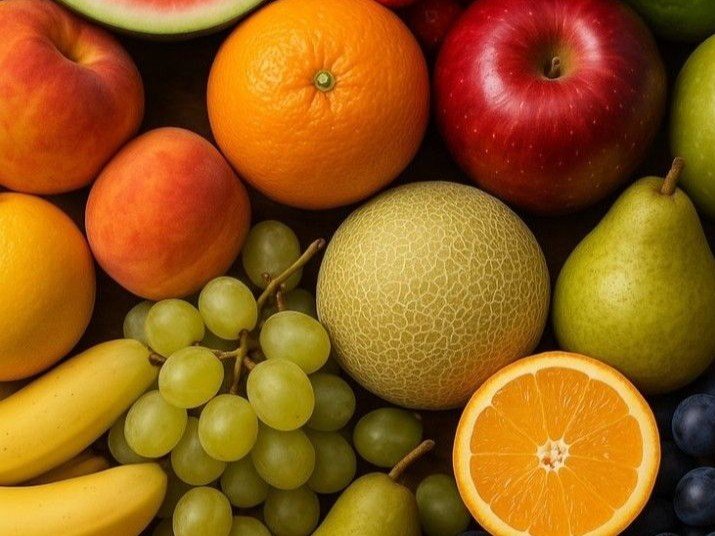
Eating a variety of colorful foods isn’t just visually appealing; it’s a smart strategy for better health. By incorporating all the colors of the rainbow into your diet, you can boost brain health and reduce the risk of heart disease. Daily food choices often hinge on factors like price, accessibility, and taste, but health benefits play a key role too. Researchers emphasize the importance of a varied diet to ensure we get essential nutrients. One effective way to achieve this is by focusing on colorful fruits and vegetables, which are packed with phytonutrients that support overall well-being. This approach mirrors the Mediterranean diet, often hailed as one of the healthiest by scientists, featuring abundant fruits, vegetables, and healthy fats like extra virgin olive oil.

A rainbow of fruits and vegetables provides diverse nutrients.

The Mediterranean diet’s success isn’t accidental; it’s rich in different colors, providing a wide array of nutrients and phytonutrients. These plant-produced compounds aid digestion and help eliminate toxins from the body. While the diet varies seasonally, emphasizing local, home-grown produce, it consistently includes colorful elements. Francesco Sofi, associate professor of clinical nutrition at the University of Florence, notes that this mirrors other vegetable-based diets like vegetarianism. Boiling vegetables instead of frying preserves nutrients, adding to the diet’s advantages. Deanna Minich, a functional nutritionist at the University of Western States, highlights that a colorful diet minimizes the risk of nutrient deficiencies. Missing a color might mean missing specific health functions from that food.

The Power of Phytonutrients

Phytonutrients, including carotenoids and flavonoids, offer anti-inflammatory benefits and are color-specific. Blue and purple foods like blueberries contain anthocyanins, linked to lower risks of heart disease and type 2 diabetes. Yellow foods with flavones may also protect the heart. Minich explains that certain pigments target specific body parts; for instance, lutein from yellow and green foods supports eye health, potentially reducing macular degeneration. Flavonoids can enhance brain function by combating neurotoxicity associated with Alzheimer’s. A long-term study by Tian-shin Yeh at Harvard TH Chan School of Public Health tracked 50,000 people over 20 years, finding that flavonoid-rich diets, with foods like oranges, peppers, celery, and grapefruit, correlate with reduced cognitive decline and dementia. The greatest benefits came from consistent long-term consumption, but starting at any age helps.

Health benefits of foods by color.

Yeh also warns of over-relying on one food; for example, orange juice aids cognition, but excess sugar can raise diabetes risk. Balance is key. Victoria Taylor from the British Heart Foundation cautions that aiming for every color daily might be overwhelming, and we must include other food groups for macronutrients like protein.

Benefits for Brain and Heart Health

The health impacts of fruit- and vegetable-rich diets on the brain and heart are well-documented. Minich includes white foods like tofu in the rainbow diet, noting isoflavones’ links to lower heart disease, cancer, and cognitive decline risks. Eating colorfully may increase overall produce intake; one study showed that colorful meals encourage more healthy eating. Rochelle Embling from Swansea University observes that variety sustains interest, leading to longer, healthier meals, though this applies less to desserts. However, variety can tempt overeating unhealthy foods, like colorful pizzas, so limit colors in indulgences. Artificial colors in sweets don’t count toward health benefits.

Beyond color, taste, and plant parts matter. Bitter vegetables like rocket and kale lower blood pressure and sugar due to fiber and phytonutrients, with synergistic effects enhancing health. Yeh suggests considering plant parts, roots like turnips versus leaves like cabbage, for nutritional variety, though color remains the simplest guide.

Practical Ways to Eat the Rainbow

To implement this, expand beyond fruits and veggies to herbs, spices, legumes, nuts, seeds, wholegrains, and tea. Seasonality and locality, as in the Mediterranean approach, ensure freshness. Grow your own if possible. Prompting colorful plates boosts consumption without complexity. Minich stresses flavors, especially bitter ones from green tea or celeriac, for added benefits. Ultimately, a rainbow diet fosters variety, reducing deficiency risks and promoting longevity. It’s never too late to start painting your plate with colors for a healthier you.


Continue Reading

food

Daily Mix of Water, Coffee, and Tea May Enhance Longevity, Research Suggests

Published

on

Health-GettyImages-1756987412-21874f182d31432f9ee288d9c83cf46c

Hydration: A Cornerstone of Health

Proper hydration is vital for maintaining bodily functions, including temperature regulation, metabolism, and fluid balance. A new study indicates that combining water with coffee and tea in daily consumption may not only keep you hydrated but also contribute to a longer life.

Published in the British Journal of Nutrition, the study examined data from 182,770 UK Biobank participants. Using multiple 24-hour dietary recall surveys, researchers assessed daily intake of water, coffee, and tea and monitored health outcomes over an average of 13 years, tracking disease incidence and mortality.

The results were compelling: individuals consuming 7–8 drinks daily, with a balanced mix of water, coffee, and tea, showed a 28% lower risk of all-cause mortality compared to those consuming fewer than four drinks. Notably, the most beneficial combination involved a roughly 2:3 coffee-to-tea ratio.

Unique Benefits of Coffee and Tea

Coffee and tea are packed with bioactive compounds that may drive their health benefits. Coffee contains flavonoids, chlorogenic acids, and trigonelline, which may enhance insulin sensitivity and reduce inflammation. Tea provides catechins and flavonoids that promote vascular health and support blood vessel function. Together, these beverages may work synergistically to boost health outcomes.

A 2021 review of coffee research confirmed that up to four cups daily are generally safe and may lower the risk of inflammatory conditions, such as obesity, metabolic syndrome, and type 2 diabetes, as well as certain cancers and overall mortality. Tea, meanwhile, is linked to cardiovascular health, anti-aging properties, and reduced diabetes risk.

Thomas M. Holland, MD, MS, from the RUSH Institute for Healthy Aging, called the findings “intuitive yet fascinating,” noting their association with lower mortality and reduced risk of major diseases, including cardiovascular and digestive issues.

Balance and Moderation Are Crucial

While coffee and tea offer health benefits, overconsumption can pose risks. The study found no added benefit beyond 7–8 drinks daily, and consuming nine or more, particularly of coffee and tea, may increase cardiovascular risks due to excessive caffeine, which can raise blood pressure, accelerate heart rate, and hinder mineral absorption. Experts suggest a balanced routine, such as two cups of coffee in the morning, tea throughout the day, and water for consistent hydration.

Preparation methods also matter. Eamon Laird, PhD, from Atlantic Technological University, pointed out potential risks like microplastics from tea brewed in plastic-based bags and acrylamide, a possible carcinogen, in coffee roasted at high temperatures. These concerns highlight the need for mindful consumption and moderation.

In summary, the study suggests that hydration need not rely solely on water. A balanced daily intake of 7–8 drinks, including water, coffee, and tea, can provide hydration and beneficial plant compounds. For those aiming for longevity, this moderate, thoughtful mix may be the key to optimal health.

Continue Reading

food

Greek Yogurt vs. Cottage Cheese: Decoding the Healthiest High-Protein Dairy Snack

Published

on

Greek-Yogurt-vs.-Cottage-Cheese--Which-Is-the-Healthier-High-Protein-Snack-66b9f4dcedd94145bad23adb697c5b75

In the world of nutritious snacking, high-protein dairy products stand out for their role in supporting muscle repair, bone density, and overall satiety. Greek yogurt and cottage cheese, two staples in many refrigerators, offer a convenient way to boost daily protein intake while delivering essential nutrients and gut-friendly probiotics. These versatile foods can be enjoyed plain or dressed up, making them ideal for busy lifestyles. But when pitting them against each other, which one claims the title of the healthiest? The answer depends on factors like nutritional nuances, personal taste, and dietary needs. Let’s break it down to help you decide.

Common Ground: Nutritional Powerhouses from Dairy

At their core, both Greek yogurt and cottage cheese originate from milk, giving them overlapping nutritional profiles that make either a smart choice for health-conscious eaters. A typical one-cup serving of each provides roughly 160 to 180 calories, paired with a substantial dose of protein, often around 20-25 grams depending on the variety. This protein punch is key for building and maintaining muscle tissue, stabilizing blood sugar levels, and promoting feelings of fullness by influencing hormones that signal the brain to stop eating.

Scientific evidence backs the benefits of protein-rich diets. Studies indicate that increasing protein consumption can lead to reduced body fat, enhanced muscle mass, and greater physical strength, particularly when combined with exercise. For athletes, weight managers, or anyone aiming to stay energized throughout the day, these snacks deliver reliable fuel.

Bone health is another area where both shine. Loaded with calcium and phosphorus, they contribute to a strong skeletal structure and may help ward off osteoporosis, a progressive bone-weakening disease that becomes more prevalent with age. Protein itself plays a supportive role by aiding in bone maintenance and repair.

When it comes to cardiovascular wellness, incorporating low-fat versions of these dairy items can be advantageous. Research links regular low-fat dairy intake to lower blood pressure and a decreased risk of heart disease. This makes them suitable for heart-healthy meal plans, especially when opting for varieties without added fats or sugars.

Micronutrients further enhance their appeal. Vitamin B12, essential for nerve function and red blood cell formation, is abundant in both, helping prevent deficiencies that could lead to fatigue or neurological issues. Selenium, another shared nutrient, acts as an antioxidant and supports thyroid health, protecting cells from oxidative stress.

Probiotics add yet another layer of benefit. Selecting products with “live and active cultures” introduces beneficial bacteria to the gut, which can improve digestion, boost immunity, and even influence mood through the gut-brain axis. In a time when gut health is gaining attention, this feature makes both options particularly valuable.

Where They Diverge: Sodium, Texture, and More

Despite their similarities, Greek yogurt and cottage cheese aren’t identical twins. One glaring difference is sodium: a cup of Greek yogurt typically has only about 88 milligrams, whereas cottage cheese packs in around 696 milligrams, nearly a third of the daily recommended intake. For those monitoring sodium to control hypertension or adhere to low-salt guidelines, Greek yogurt is the clearer winner. Fortunately, low-sodium cottage cheese options exist for fans who can’t resist its unique qualities.

Sensory aspects also set them apart. Greek yogurt boasts a velvety, thick consistency with a tangy flavor profile, lending itself to endless culinary creativity. It’s like a blank canvas for both sweet and savory applications. Cottage cheese, by contrast, features curds in a milky whey, offering a chunkier texture and a subtler, sometimes saltier taste. Preference here is subjective; some love the creaminess of yogurt, while others appreciate the satisfying bite of cottage cheese.

Digestibility is a practical consideration, especially for lactose-sensitive individuals. Greek yogurt’s straining process removes much of the whey, resulting in lower lactose levels, often making it more tolerable. Cottage cheese, retaining more lactose (up to three times as much), might trigger symptoms like bloating or cramps in those with intolerance. This makes yogurt a gentler introduction for dairy re-entry.

Integrating Them into Your Daily Routine

Versatility is a hallmark of both foods, allowing seamless integration into meals and snacks. For sweet cravings, layer Greek yogurt with fresh berries, a sprinkle of nuts, or chia seeds for added fiber and crunch. Blend it into smoothies for a creamy boost or freeze it with fruit for a healthier ice cream alternative. Cottage cheese works similarly; mix it with honey and cinnamon for a quick treat or stir it into oatmeal.

On the savory side, Greek yogurt shines as a healthier swap for sour cream or mayo in dips, dressings, or atop baked potatoes. It adds tang to soups and sauces without extra calories. Cottage cheese excels in heartier dishes: pair it with tomatoes and herbs for a simple salad, fold it into eggs for fluffy scrambles, or use it as a filling in stuffed peppers.

To maximize health perks, always scan labels. Flavored varieties often hide added sugars from syrups or mix-ins, which can undermine benefits. Stick to plain versions and customize with whole-food add-ins to keep things nutrient-dense.

That said, these aren’t universal fits. Vegans and paleo followers skip dairy entirely, and severe lactose intolerance might require non-dairy alternatives like plant-based yogurts.

Wrapping It Up: The Healthier Pick?

Ultimately, Greek yogurt and cottage cheese are nutritional all-stars, rich in protein, vitamins, and minerals that foster muscle health, bone strength, heart protection, and sustained energy. Their shared attributes make them interchangeable in many ways, but differences in sodium, lactose, and texture tip the scales for specific needs.

Greek yogurt often takes the lead for its lower sodium and lactose, plus built-in probiotics and smoother appeal. Yet cottage cheese holds its own as a protein-packed, flavorful option. By including one or both in your diet, you can elevate your snacking game while aligning with wellness goals. Whether you’re fueling a workout or curbing midday hunger, these dairy delights prove that healthy eating can be both simple and delicious.

Continue Reading

food

Is Your Breakfast Cereal Really Healthy?

Published

on

download

For many of us, breakfast cereal has been a lifelong comfort food. Quick, crunchy, and often sweet, it’s a staple in millions of households. I’ll admit it: I’ve always loved cereal. As a child, it was my go-to breakfast and even my evening snack. Raisin Bran, Corn Flakes, and Rice Krispies rotated through my kitchen, and like many cereal lovers, I never let leftover milk go to waste. I’d simply add more cereal until both were gone.

That love for cereal has stayed with me into adulthood. And judging by the numbers, I’m not alone. In the United States, more than a quarter of children and adolescents eat ready-to-eat cereal for breakfast most days of the week. Among adults, nearly half pour themselves a bowl at least once or twice a week. Beloved athletes have long appeared on cereal boxes, while celebrities such as Jerry Seinfeld and Justin Timberlake have openly shared their affection for cereal.

But the big question remains: is cereal actually healthy?

The Health Halo Around Cereal

For decades, cereal has been marketed as a healthy breakfast option. Labels often highlight vitamins, whole grains, or claims like “heart healthy” and “part of a balanced breakfast.” Bright colors, cartoon mascots, and nostalgic branding only add to the appeal.

Yet, a 2025 study of more than 600 popular breakfast cereals reveals a less flattering truth: many of the cereals people know best are packed with sugar, light on fiber and protein, and contain unnecessary additives. Even when labels tout nutrients, much of the nutritional value often comes not from the cereal itself but from what we add,  most commonly milk.

And let’s not forget portion size. While cereal boxes often list serving sizes at around 120 to 150 calories per cup, most people eat far more than that. In reality, a typical bowl can easily creep past 300 calories, with sugar accounting for a large share.


A Closer Look at Popular Cereals

Take a walk down the cereal aisle, and you’ll see familiar names like Cheerios, Frosted Flakes, Honey Nut Cheerios, Honey Bunches of Oats, Cinnamon Toast Crunch, Froot Loops, and Lucky Charms.

How do they measure up? Unfortunately, not well.

  • Sugar overload: Many of these cereals are essentially dessert in disguise.

  • Low protein: Before adding milk, most offer little to no protein.

  • Minimal fiber: Some brands barely deliver on one of cereal’s main advertised health benefits.

  • Hidden sodium: Many sneak in unnecessary salt.

  • Additives galore: Artificial colors and preservatives still make appearances, even in brands advertising themselves as “natural.”

While some cereals are fortified with small amounts of vitamins or minerals, that doesn’t cancel out the empty calories and sugar rush they provide.

Are Cereals Getting Any Healthier?

If you think reformulations are improving cereals, think again. A study published in May 2025 looked at 1,200 cereals marketed to children that were either newly released or reformulated between 2010 and 2023. Instead of becoming healthier, the trend moved in the wrong direction:

  • More sugar, sodium, and fat

  • Less protein and fiber

That’s not good news, especially since children are among the biggest cereal consumers.

However, there is some hope. The USDA has updated guidelines for school breakfast programs, requiring gradual reductions in sugar and salt while increasing whole grains. This could nudge manufacturers to make cereals a little better in the years to come.

Healthier Breakfast Alternatives

If breakfast is the most important meal of the day, we should aim for more than sugar-packed, processed foods disguised as healthful choices. Fortunately, there are plenty of alternatives:

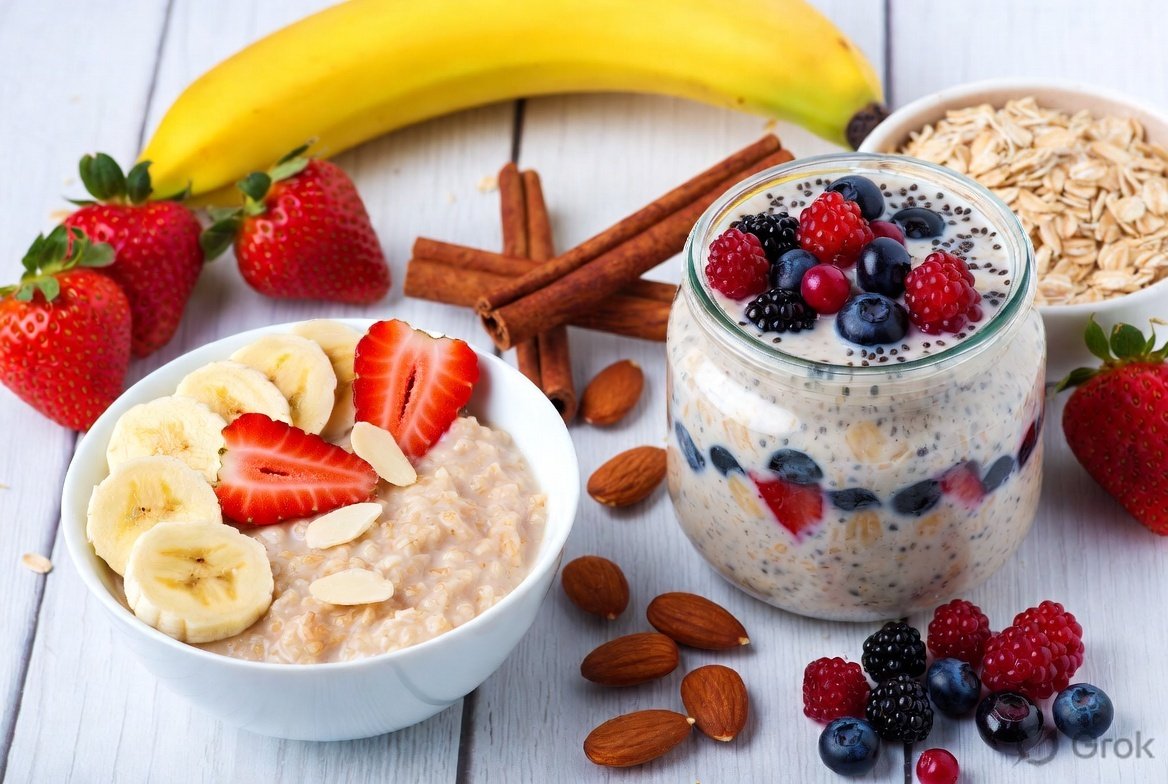
  • Oatmeal topped with fruit and nuts

  • Eggs in any form, for a protein boost

  • Yogurt with fruit for probiotics and balance

  • Peanut butter on whole grain toast for healthy fats and fiber

But what if you just can’t give up your cereal habit?

Choosing Better Cereals

Not all cereals are nutritional disasters. The key is to be selective. When scanning the nutrition label, look for:

  • Whole grain as the first ingredient

  • At least 2.5 grams of fiber per serving (5 grams or more is even better)

  • Minimal or no added sugar or sodium

  • 150 calories or less per serving (and actually measure the serving size!)

  • Short ingredient lists with recognizable foods instead of chemicals and dyes

Examples of cereals that fare better include Shredded Wheat, Kashi Go Lean, Cheerios, and All-Bran. Pairing them with protein-rich milk alternatives or toppings like fruit and nuts can turn an ordinary bowl into a truly nourishing meal.

The Bottom Line

Breakfast cereal isn’t the worst thing you can eat, but it isn’t the health powerhouse marketers make it out to be either. Many of the most popular options are little more than sweetened, processed grains designed to sell well rather than fuel the body.

If cereal is your comfort food, you don’t need to abandon it entirely, just make smarter choices. Prioritize whole grains, fiber, and low sugar, and always pay attention to portion size. For those who want the best start to their day, balance cereal with other wholesome options like fruit, yogurt, or eggs.

A healthy breakfast should set you up with energy, focus, and nourishment, not just a sugar rush. Choose wisely, and your morning bowl can be more than just crunchy junk food masquerading as a meal.

Continue Reading

Trending

Subscribe To Our News Letter


Contact Us
First
Last

This will close in 20 seconds