
General
Inside the Matrix: Samuel Leeds Meets Andrew Tate in Dubai


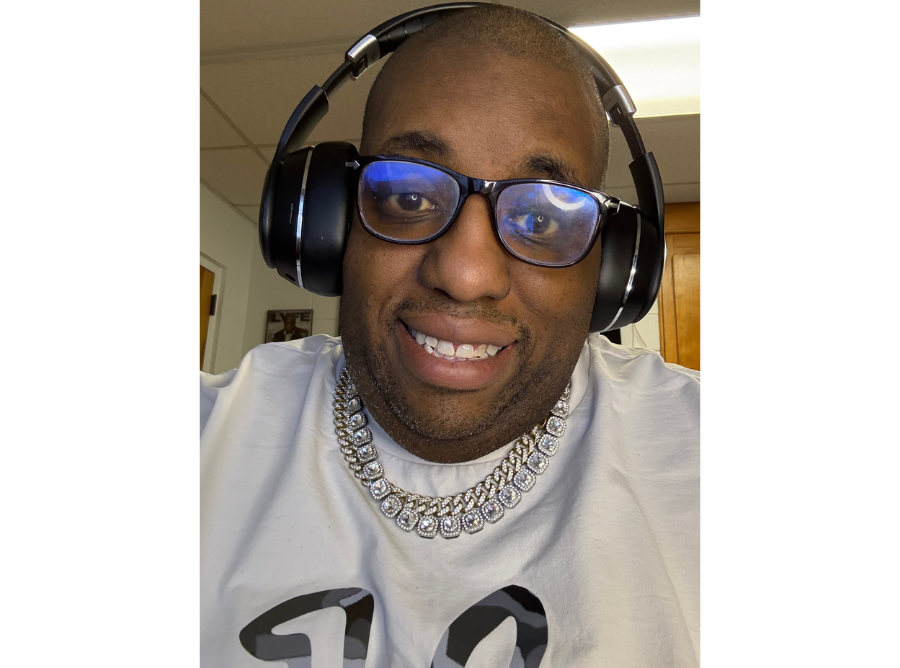
For nearly fourteen years of his life, Marcus Leonardo Boyd lived in silence. Doctors once predicted he would have the “mental capacity of a vegetable,” claiming the left side of his brain did not function correctly. Yet today, the man who was once non-verbal has become a globally recognized keynote speaker, entrepreneur, and award-winning music producer. His journey is not just inspirational, it is a powerful reminder that limitations often exist only in the expectations placed upon us.
Based in Jackson, Mississippi, Marcus Boyd is widely known today as the Autism Global Activist Marcus Boyd, a 13-time award-winning music producer, 7-time Grammy nominee, entrepreneur, and advocate working to transform how the world understands neurodiversity.
When Sound Became His First Language
Marcus was diagnosed with autism on April 12, 1993, at the age of 10. For most of his childhood, he was non-verbal and did not begin speaking until he was about 13 or 14 years old, initially at the level of a toddler. He would not develop fluent communication until he was nearly 18.
During those silent years, music became his lifeline.
“During my years of silence, sound became my language,” Marcus often says.
He taught himself to play the organ at his grandmother’s church and eventually mastered eight instruments. Music became his first positive form of self-expression long before he could communicate verbally. That relationship with sound later evolved into a thriving professional career.
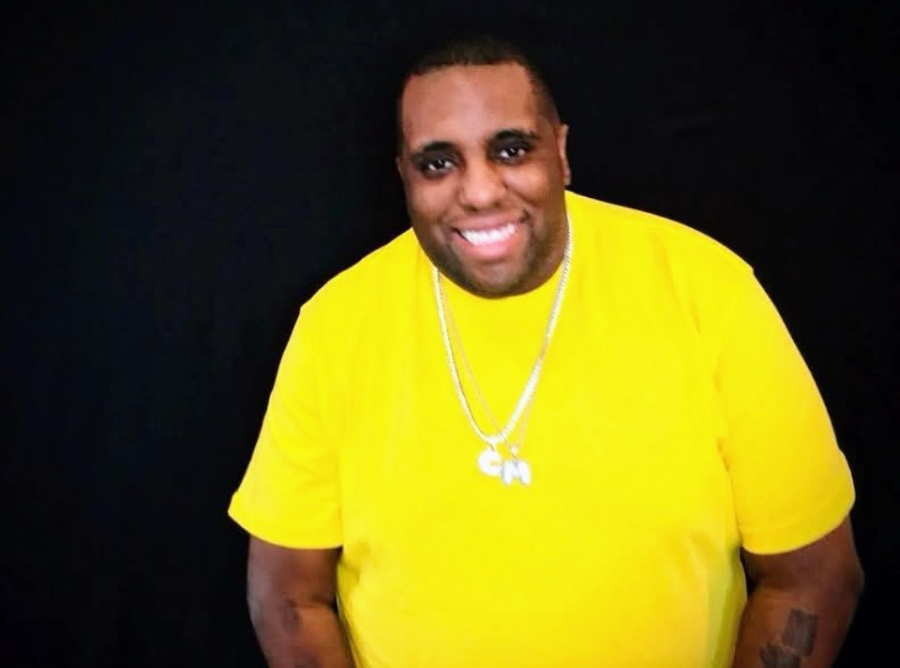
Today, as the CEO of Marcus Boyd Beats, he has charted on Billboard four times and collaborated with major artists. His achievements as a music producer have earned him seven Grammy nominations and thirteen industry awards, proving that what some once labeled as a disability could actually be a creative superpower.
Surviving Foster Care and Trauma
Marcus’s childhood was not only defined by communication challenges. He also endured severe instability, poverty, abuse, and time in the foster care system.
Over the course of his youth, he lived in 16 to 17 foster homes and roughly 16 group homes while also experiencing periods of homelessness and time in mental health institutions. Those experiences now shape his mission.
Today, Marcus actively lobbies lawmakers for stronger protections for neurodivergent children and better support systems for autism families. His advocacy focuses on medical access, bullying prevention, and safeguarding children in state care from neglect and abuse.
He calls himself “a voice for the voiceless,” determined to protect children who are currently facing the same challenges he once endured.
Turning Advocacy into a Global Brand
Autism Global Activist Marcus Boyd is fundamentally redefining the landscape of neurodiversity by transforming heartfelt advocacy into a powerhouse global brand that bridges literature, fashion, and music. His newest venture into children’s literature, The Royal World of Autism, serves as a foundational pillar of this brand, offering a vibrant and creative lens through which young readers can view autism not as a limitation but as a regal and unique way of experiencing life. By humanizing the autistic experience through storytelling, Boyd ensures that the next generation grows up with a “royal” sense of self-worth and a deeper understanding of inclusivity.
Building on this vision of dignity, Boyd is developing a high-end Christian fashion apparel brand titled Autism & Amen, which represents a powerful intersection of faith and neurodiversity. The brand creates a dedicated space where individuals with special needs can express their devotion and praise God with style and sophistication. It reinforces the message that autism does not exclude anyone from the beauty of worship or the world of high fashion. Instead, it celebrates the idea that representing one’s identity and spiritual background is a universal right, allowing individuals to feel seen, valued, and celebrated.
In the realm of entertainment, Boyd is also preparing to make a powerful impact in the music industry with the release of his upcoming Gospel beat tape, Mississippi Made God Saved: The Beat Tape Vol. 1, hosted by the legendary Dallas Brown, widely known as DJ Dally B. The project represents a significant milestone in creative entrepreneurship and will be widely distributed through Hustle Tree Global and Roc Nation distribution. By blending spiritual themes with professional-grade production, Boyd continues to demonstrate that neurodivergent talent can compete and thrive at the highest levels of the global music industry.
The culmination of these diverse efforts is now gaining international recognition. On May 3, 2026, Marcus Boyd will be honored with the prestigious Icon Award for Inclusive Fashion and Awareness, acknowledging years of dedication to breaking barriers and advancing inclusion. The award solidifies his reputation as a trailblazer who has successfully merged social activism with professional industry standards, setting a new benchmark for inclusive leadership in the 21st century.
Through these initiatives, Marcus Boyd is not merely speaking about change; he is building an entire ecosystem of empowerment that invites the world to see autism through a lens of excellence and grace. By weaving together literature, high fashion, and gospel music, he has created a multifaceted brand that communicates a universal message of hope, resilience, and possibility. His journey serves as a blueprint for how personal passion, combined with professional execution and creative vision, can spark a global movement that leaves a lasting impact on culture.
Historic Recognition
Marcus’s achievements have also earned historic recognition.
In 2025, he became the first individual with autism inducted into the Mississippi Business Hall of Fame, making him a pioneer in bridging disability advocacy with high-level entrepreneurship.
He also received the Presidential Lifetime Achievement Award in 2022 from President Joe Biden for his humanitarian contributions to the autism community.
His creative storytelling has gained international recognition as well. His short film “The Boy with No Voice,” which tells the story of his life, won international film awards in India. Another unscripted film addressing cyberbullying earned honors at the Krymson Horizon International Film Festival.
A Day in His Honor
Marcus Boyd’s influence continues to grow.
The City of Jackson, Mississippi, recently proclaimed April 2, 2026, as “Marcus Boyd Day,” aligning with World Autism Awareness Day. The recognition makes him the first individual with autism in the state to have a day officially named after him, cementing his legacy as an autism icon and legend.
At the same time, he is spearheading the Autism Day Awards Initiative, which aims to establish official autism recognition events across multiple states and countries.
Redefining Autism
At the heart of Marcus Boyd’s mission is a powerful message: autism should not be viewed as a limitation.
“Autism is not a disability, it’s a different perspective and potentially a superpower,” he says.
Through music, business, activism, and public speaking, Marcus continues to encourage people, especially those in underserved communities, to discover their own gifts.
He believes every person has a voice, even if it does not begin with words.
As he often reminds audiences around the world: “I was born to fail according to the world’s standards, but I was born to reign according to God’s plan.”
From a silent child once written off by doctors to a global advocate shaping policy and culture, Marcus Boyd’s journey proves that sometimes the most powerful voices are the ones the world almost never heard.


General
Pakistan Launches Airstrikes on Kabul as Border Tensions Explode into Open Conflict with Afghan Taliban









-

 Health5 years ago
Eva Savagiou Finally Breaks Her Silence About Online Bullying On TikTok
-
 Health4 years ago
Traumatone Returns With A New EP – Hereafter
-

 Health4 years ago
Top 5 Influencers Accounts To Watch In 2022
-

 Fashion5 years ago
The Tattoo Heretic: Kirby van Beek’s Idea Of Shadow And Bone
-

 Fashion5 years ago
Natalie Schramboeck – Influencing People Through A Cultural Touch
-

 Fashion9 years ago
9 Celebrities who have spoken out about being photoshopped
-

 Health5 years ago
Brooke Casey Inspiring People Through Her Message With Music
-

 Health5 years ago
Top 12 Rising Artists To Watch In 2021
-
 Health5 years ago
Madison Morton Is Swooning The World Through Her Soul-stirring Music
-

 Health & Wellness5 years ago
Ali Farahaani, The Optimistic Performer Who Is Ready To Soar In The World