Gigi Hadid’s Met Gala Looks Have Always Been About the Transformation
Gigi Hadid’s Met Gala looks have always been about the transformation. While many celebrities stick to a signature style on fashion’s biggest night, Gigi consistently reinvents herself, delivering bold shifts in silhouette, mood, texture, and concept with every appearance.
Since making her debut in 2015, the supermodel has become one of the most anticipated guests at the Met Gala. Each year, she proves her deep understanding of the theme while showcasing her versatility, moving effortlessly from elegant and classic to futuristic, theatrical, sculptural, and glamorous.
2015: The Sophisticated Debut
Theme: China: Through the Looking Glass
Gigi Hadid’s Met Gala looks have always been about the transformation, starting with her very first appearance. She stepped onto the carpet in a striking red Diane von Furstenberg (DVF) wrap gown featuring a deep plunging neckline and high slit. Paired with strappy Louboutin heels, the look was confident, feminine, and polished, a strong introduction to the fashion world.
2016: Futuristic Tommy Hilfiger
Theme: Manus x Machina: Fashion in an Age of Technology
In 2016, Gigi switched gears completely with a sparkling space-age Tommy Hilfiger dress complete with a structured corset top. She attended alongside then-boyfriend Zayn Malik, adding to the memorable moment. The metallic and sequined details perfectly captured the technology theme.
2017: Romantic Asymmetry
Theme: Rei Kawakubo/Comme des Garçons: Art of the In-Between
The following year, Gigi returned in another Tommy Hilfiger creation, a champagne-colored gown with an asymmetrical tulle train and fishnet stockings. This softer, more romantic take showed her willingness to play with volume and proportion.
2018: Heavenly Versace Masterpiece
Theme: Heavenly Bodies: Fashion & The Catholic Imagination
One of her most acclaimed looks came in 2018. Gigi wore a breathtaking one-shoulder Versace gown inspired by stained glass windows, with intricate shimmering embellishments. The angelic, ethereal quality made this appearance one of her most memorable Met Gala moments to date.
2019: Embracing Camp
Theme: Camp: Notes on Fashion
For the playful “Camp” theme, Gigi fully committed to a dramatic Michael Kors Collection ensemble featuring exaggerated proportions and bird-inspired elements. It was theatrical and fun, a clear departure from her earlier polished looks.
2021: Monochrome Prada Power
Theme: In America: A Lexicon of Fashion
After the 2020 cancellation, Gigi returned in a striking black-and-white strapless Prada gown with a dramatic back slit and leather opera gloves. The sculptural, architectural silhouette marked another strong transformation in her Met Gala journey.
2022: Dramatic Versace Reveal
Theme: In America: An Anthology of Fashion
In 2022, Gigi delivered one of her boldest transformations yet with a custom Versace look: a sleek red latex catsuit underneath a massive voluminous silk puffer cape. The dramatic reveal as the cape fell away perfectly embodied the spirit of transformation on the red carpet.
2023: Sensual Givenchy Tribute
Theme: Karl Lagerfeld: A Line of Beauty
For the Karl Lagerfeld tribute, she chose a sheer black Givenchy gown with ruched detailing, hip cutouts, intricate embellishments, and a long train. The sensual yet sophisticated look respectfully nodded to Lagerfeld’s aesthetic while staying true to Gigi’s evolving style.
2024: Thom Browne Extravagance
Theme: Sleeping Beauties: Reawakening Fashion
In 2024, Gigi stunned in a highly detailed Thom Browne creation, an off-the-shoulder white gown adorned with shimmering beads and yellow floral embellishments, paired with a structured jacket and extravagant train. The piece was incredibly labour-intensive and felt both romantic and reawakened.
2025: Golden Pin-Up Glamour
Theme: Superfine: Tailoring Black Style
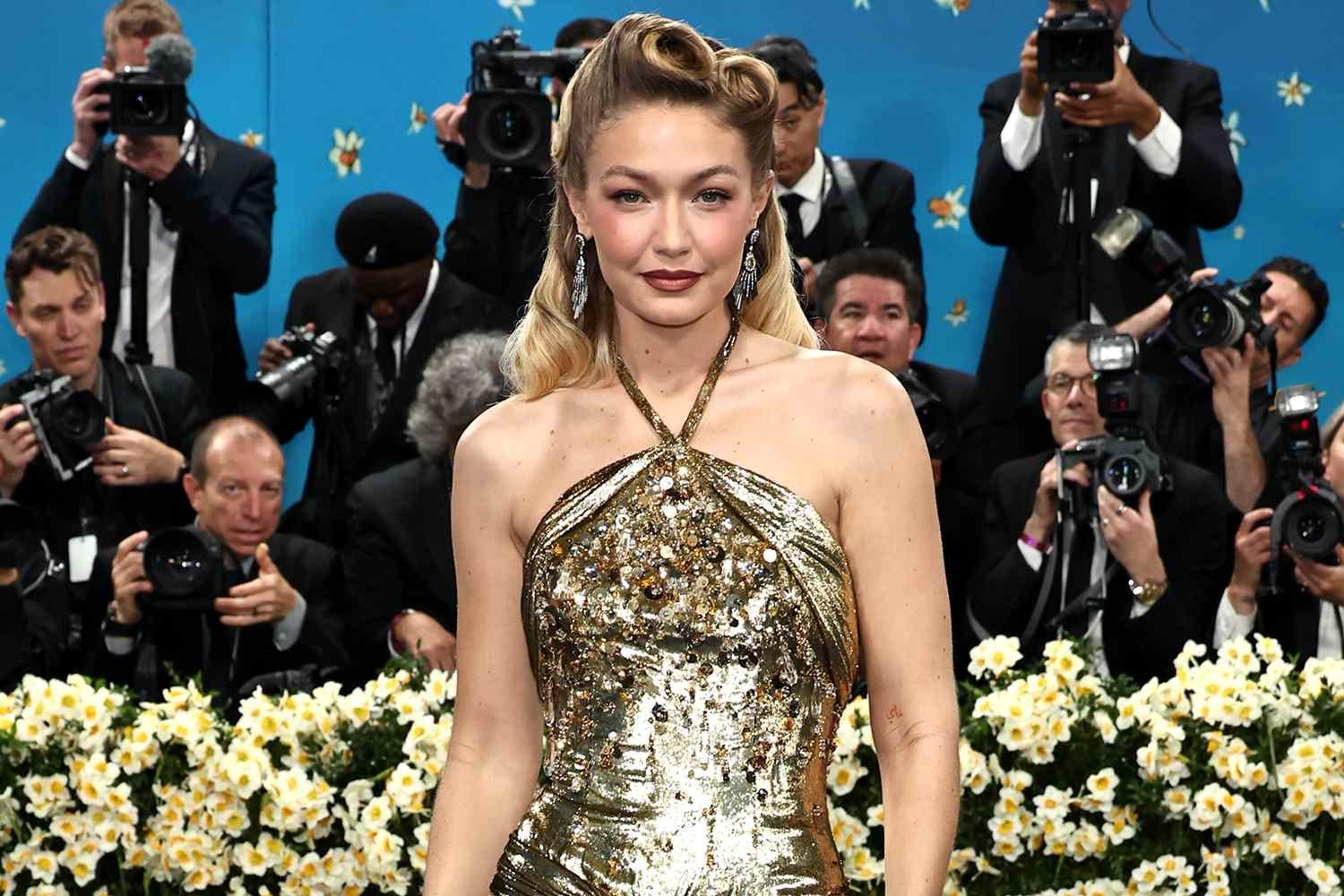
Most recently, Gigi Hadid’s Met Gala looks have always been about the transformation, which reached another highlight in 2025. She wore a custom gold sequined Miu Miu halter gown with ruched detailing, crystal embellishments, and a flowing train. Styled with 1940s-inspired Victory Roll pin-up curls, the look paid homage to designer Zelda Wynn Valdes and Josephine Baker, blending old Hollywood glamour with modern elegance.
Why Gigi Hadid’s Met Gala Looks Stand Out
What makes Gigi’s appearances so compelling is her consistent commitment to change. She rarely repeats the same formula. One year, she embraces a futuristic structure; the next, she goes romantic and flowing; then architectural and beaded; then sensual and sheer; and finally golden and vintage-inspired.
Her Met Gala evolution reflects:
- Strong interpretation of each year’s theme
- Fearless experimentation with proportion, texture, and mood
- Successful collaborations with top designers and stylists
- Ability to stay recognisable while constantly evolving
From classic DVF red carpet elegance to Versace drama, Prada minimalism, Thom Browne craftsmanship, and Miu Miu golden glamour, Gigi continues to surprise and impress.
The Art of Transformation at the Met Gala
Gigi Hadid’s Met Gala looks have always been about the transformation because the Met Gala itself is a celebration of fashion as storytelling and reinvention. The event rewards those who fully embody the theme rather than simply wearing a pretty dress.
Through her decade-long presence on the steps, Gigi has shown that true fashion impact comes from evolution. She has grown from a promising new face in 2015 into one of the most reliable show-stoppers, always bringing excitement and sincerity to her looks.
As fans and the fashion industry look forward to her future appearances, one thing remains clear: with Gigi Hadid, the only constant is change, and that’s exactly why her Met Gala journey continues to captivate audiences worldwide.







 Health5 years ago
 Health4 years ago
 Health5 years ago
 Business6 months ago
 Fashion5 years ago
 Fashion5 years ago
 Fashion9 years ago
 Health5 years ago
 Health5 years ago
 Business3 years ago