Health & Wellness
Importance of Health and Wellness: 7 Powerful Reasons to Thrive
Published
5 months agoon
Health is not just the absence of disease — it is a dynamic state of complete physical, mental, and social well‑being. The importance of health and wellness cannot be overstated. In today’s fast-paced world, prioritizing health and wellness is key to unlocking your full potential, increasing longevity, and leading a more fulfilling life. Here are 7 powerful reasons to thrive when you put health and wellness first.
1. Sustained Energy and Vitality
One of the most immediate impacts of embracing the importance of health and wellness is the boost in your daily energy levels. When you eat well, sleep enough, and move your body regularly, your system becomes more efficient:
- Balanced nutrition provides essential macronutrients and micronutrients that fuel your brain and muscles.
- Regular exercise enhances cardiovascular health and helps deliver oxygen and nutrients more efficiently.
- Quality sleep allows your body to repair, regenerate, and recharge.
When you feel energized, you’re more productive, more motivated, and more present in your daily life. This sustained vitality empowers you to tackle challenges with enthusiasm and resilience.
2. Improved Mental Health and Emotional Resilience
The importance of health and wellness extends deeply into your mental and emotional wellbeing. Physical health and mental wellness are interlinked in a powerful feedback loop:
- Exercise stimulates the release of endorphins, serotonin, and dopamine, which are natural mood lifters.
- Good nutrition supports brain function, stabilizes blood sugar, and reduces mood swings.
- Stress management techniques—like mindfulness and meditation—help you respond calmly under pressure.
By prioritizing wellness, you build emotional resilience. You’re better equipped to handle stress, anxiety, and life’s ups and downs. Strong mental health means you’re more likely to maintain a positive outlook, make wiser decisions, and build healthier relationships.
3. Stronger Immunity and Disease Prevention
One critical but often underappreciated aspect of the importance of health and wellness is disease prevention. Your lifestyle choices dramatically affect your immune system:
- A balanced diet rich in fruits, vegetables, lean proteins, and healthy fats equips your body with vital nutrients.
- Physical activity stimulates circulation, which helps white blood cells do their job more effectively.
- Adequate sleep and stress reduction strengthen your body’s defenses.
When health and wellness are prioritized, you lower your risk of chronic illnesses such as heart disease, diabetes, obesity, and certain cancers. Investing in your wellness now saves you from potential health crises later—and can dramatically reduce healthcare costs over a lifetime.
4. Better Productivity and Mental Clarity
If you’ve ever wondered about the importance of health and wellness in your career or studies, consider how a sound body and mind translate into sharper focus and better performance:
- When you’re well-rested and well-nourished, your cognitive functions—like memory, problem-solving, and creativity—are at their best.
- Physical fitness improves blood flow to the brain, which improves concentration and alertness.
- Emotional wellness ensures you’re not overwhelmed by stress, so you can think more clearly and make decisions calmly.
Whether you’re an entrepreneur, a student, or working a 9-to-5 job, prioritizing health and wellness means you work smarter, not harder—and sustain success sustainably over the long run.
5. Longer, More Fulfilling Life
At the heart of the importance of health and wellness is longevity—not just in terms of years, but in terms of quality of life. Wellness is not merely about surviving; it’s about thriving:
- Healthy habits such as regular exercise and clean eating slow down the aging process at a cellular level.
- Preventive wellness behaviors can delay or prevent age-related diseases and disabilities.
- Emotional wellness, community involvement, and purpose-driven life contribute to a fulfilling and meaningful existence.
By committing to health and wellness, you don’t just add years to your life—you add life to your years.
6. Better Relationships and Social Well‑Being
Wellness is deeply social. The importance of health and wellness is also about how you connect with others:
- Good mental health helps you communicate clearly, empathize better, and resolve conflict more effectively.
- Physical wellness often comes from shared activities—walking with friends, joining sports clubs, or attending wellness classes.
- Emotional stability supports stronger, more supportive relationships: you’re more present, patient, and understanding.
When you feel good physically and mentally, you bring your best self to your relationships, making them more meaningful and resilient.
7. Financial Benefits and Reduced Stress
While health and wellness may not seem directly linked to your finances, they absolutely are. Recognizing the importance of health and wellness translates into cost savings and financial well-being:
- Fewer medical bills: By preventing disease, you spend less on healthcare in the long run.
- Increased productivity: As your energy, focus, and efficiency improve, you perform better at work, which may lead to promotions or higher income.
- Reduced stress-related costs: Stress can lead to burnout, absenteeism, and poor decision-making—by managing stress well, you avoid these pitfalls.
When your wellness is prioritized, it’s not just your body and mind that benefit—it’s your wallet, too.
Practical Strategies to Prioritize Health and Wellness
Understanding the importance of health and wellness is one thing—applying it daily is another. Here are actionable strategies you can incorporate into your life to make wellness a sustainable habit:
A. Build Balanced Nutrition Habits
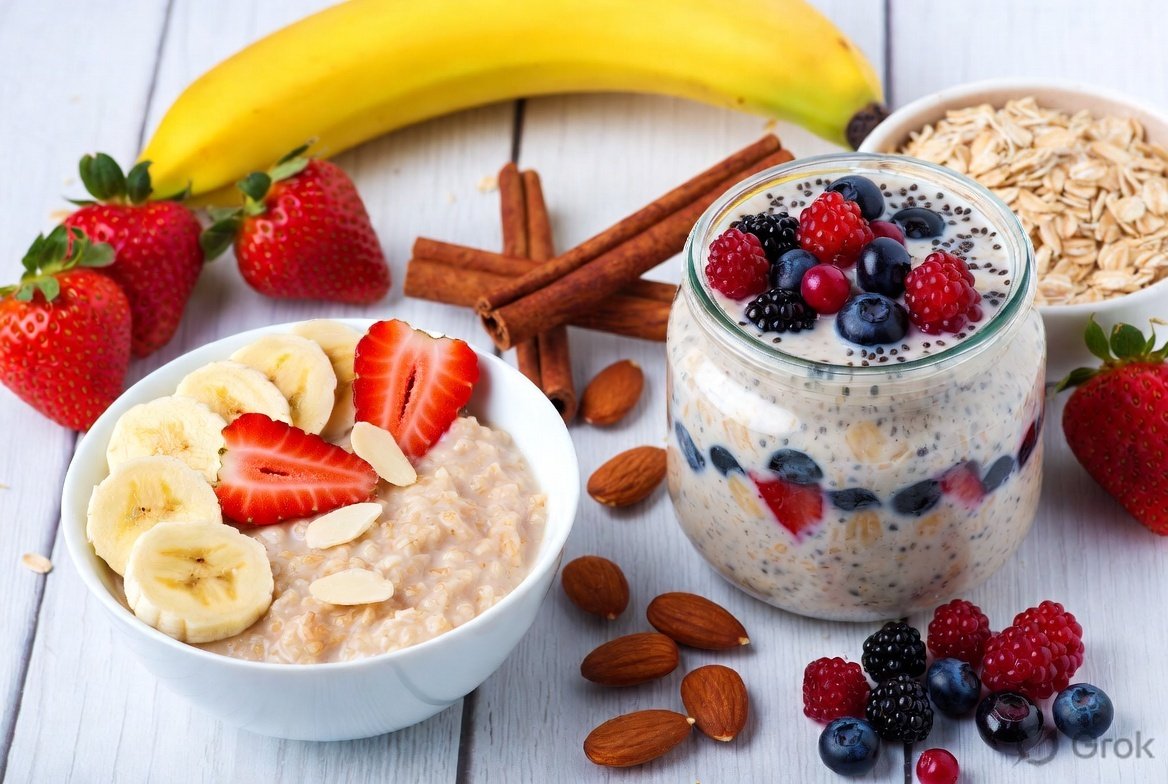
- Aim for whole foods: vegetables, fruits, lean proteins, whole grains, and healthy fats.
- Limit processed sugar and refined carbs.
- Stay hydrated by drinking water throughout the day, not just when thirsty.
- Plan and prepare meals ahead of time to avoid relying on fast food or convenience snacks.
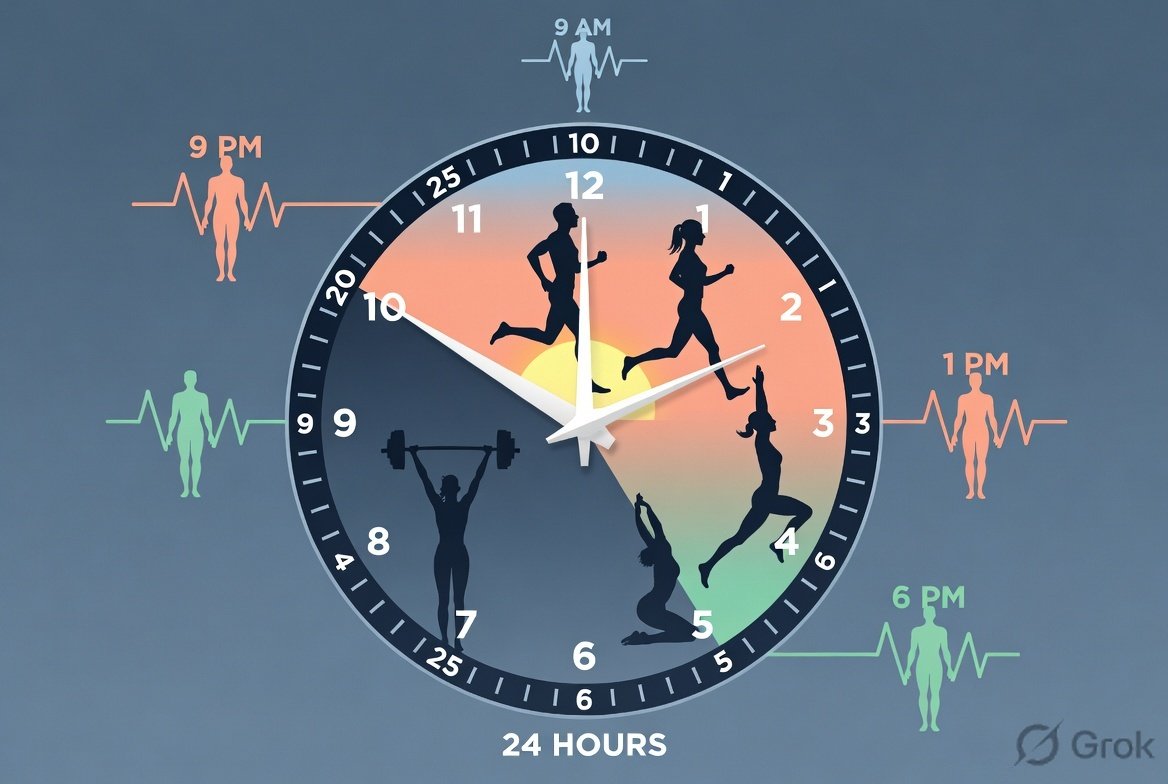
B. Establish a Consistent Movement Routine
- Choose an activity you love—running, yoga, weight training, dance, or walking.
- Aim for at least 150 minutes of moderate exercise or 75 minutes of vigorous exercise per week, per WHO guidelines.
- Incorporate strength training 2–3 times a week to build muscle and support metabolism.
- Add incidental movement: take stairs, walk during calls, stretch at your desk.
C. Prioritize Sleep and Rest
- Stick to a consistent sleep schedule, even on weekends.
- Create a bedtime routine: avoid screens, dim lights, read a book, or meditate.
- Make your sleep environment comfortable: cool, dark, and quiet.
- Nap smartly—short power naps can boost energy without disrupting nighttime sleep.
D. Manage Stress Proactively
- Practice mindfulness or meditation daily—even 5–10 minutes helps.
- Use breathing exercises (like box breathing) to calm your system under pressure.
- Engage in hobbies, journaling, or creative outlets.
- Connect with supportive friends or professionals when things feel overwhelming.
E. Cultivate Social and Emotional Wellness
- Make time for relationships: call family, meet friends, or join wellness groups.
- Practice active listening and empathy.
- Volunteer or take part in community projects to foster a sense of purpose.
- Seek help when needed: therapy, coaching, or wellness communities can support you.
F. Monitor and Reflect on Progress
- Set realistic wellness goals with measurable milestones.
- Keep a wellness journal or use an app to track your habits: sleep, food, exercise, mood.
- Review monthly: What’s working? What’s not? Adjust accordingly.
- Celebrate small wins—each step forward in your health journey is worth acknowledging.
Long-Term Impact: Why Health and Wellness Matter for Your Future
Embracing the importance of health and wellness today builds a bright future in multiple dimensions:
1. Sustainable High Performance
Consistent wellness habits lead to sustained energy, mental clarity, and physical resilience. Over time, you perform better at work or in personal projects—and burnout becomes less likely.
2. Legacy of Well‑Being
Your wellness habits can inspire others—family, friends, and even your community. By prioritizing health and wellness now, you lay a foundation for those you care about to do the same.
3. Adaptability and Resilience
Life is unpredictable. Those who prioritize health and wellness are better equipped to navigate challenges—whether they are physical illnesses, emotional stress, or major life transitions.
4. Lifelong Joy and Purpose
Wellness is not just about avoiding disease. It’s about cultivating joy, meaning, and purpose. When you’re healthy, you have the capacity to pursue your passions, support others, and live on your own terms.
Overcoming Common Barriers to Health and Wellness
Even when you know the importance of health and wellness, obstacles may arise. Here are common barriers and how to overcome them:
Barrier 1: Time Constraints
Solution: Start small. Use short workouts, batch‑cook meals, and micro-practice mindfulness during breaks. Even tiny sustainable changes add up.
Barrier 2: Lack of Motivation
Solution: Anchor your wellness habits to something meaningful—your family, future goals, or self-growth. Find a buddy or community for accountability.
Barrier 3: Financial Concerns
Solution: Wellness doesn’t require a gym membership or expensive diet. You can walk, cook simple meals, and use free or low-cost meditation apps.
Barrier 4: Overwhelm or Burnout
Solution: Prioritize rest, delegate tasks, and limit non-essential commitments. Use self-care as a non-negotiable part of your weekly schedule.
Barrier 5: Inconsistent Results
Solution: Track progress, reflect every month, and adapt. It’s okay to pivot or try new routines if something isn’t working.
The Role of Community in Health and Wellness
One of the most beautiful dimensions of the importance of health and wellness is how community amplifies its effects. When you surround yourself with people who prioritize well‑being:
- You get motivation and accountability.
- You share knowledge, strategies, and successes.
- You build a support system for emotional and physical challenges.
- You contribute to each other’s growth and celebrate wins together.
Communities like wellness groups, fitness clubs, online forums, or local meetups can sustain your journey beyond what you might do alone.

Why “Importance of Health and Wellness” Is Especially Relevant Today
In an age marked by digital overload, stress, and constant change, the importance of health and wellness is more relevant than ever:
- Remote work often reduces incidental activity; focusing on wellness counteracts a sedentary lifestyle.
- Mental health challenges are rising due to social media, isolation, and uncertainty. Wellness practices help buffer anxiety and depression.
- Chronic diseases are increasing globally; preventive wellness can reduce this burden.
- Life expectancy without quality of life is a risk; wellness ensures not just a longer life, but a better life.
By placing health and wellness at the center of your life, you navigate modern challenges with strength, grace, and purpose.
Conclusion
The importance of health and wellness lies in its profound ability to transform every aspect of your life—from energy and productivity to emotional resilience and long-term purpose. By understanding why health matters, adopting practical strategies, and building robust habits, you unlock the potential to thrive every day.
When you commit to the 7 powerful reasons discussed — energy, mental health, immunity, productivity, longevity, relationships, and financial wellbeing — you’re not just improving your body; you’re elevating your entire life.
Remember, the journey to wellness is not a sprint but a lifelong adventure. Small, consistent changes compound over time. Surround yourself with supportive communities, track your progress, adapt as you grow, and celebrate every milestone. Your future self will thank you.
Prioritizing health and wellness isn’t a luxury — it’s a necessity. Embrace that necessity with intention, and you’ll discover a life lived with more energy, joy, and purpose. For guidance, accountability, and expert wellness strategies, Level Up PR can help you design a personalized plan to prioritize your health and truly thrive.
You may like
Fashion
Summer 2026 Skirt Trends: 7 Skirt Styles Everyone Will Be Wearing
Published
1 day agoon
April 27, 2026
Summer 2026 skirt trends are redefining seasonal fashion with a blend of bold experimentation and everyday practicality. This year, skirts are no longer just wardrobe basics; they are statement pieces that reflect personality, comfort, and versatility.
Designers are focusing on fluid silhouettes, innovative fabrics, and nostalgic influences, creating styles that transition effortlessly from casual daywear to elevated evening looks. Whether minimal or expressive, these trends cater to a wide range of fashion preferences.
1. Sheer Layered Skirts
Sheer fabrics continue to dominate summer 2026 skirt trends, bringing a sense of lightness and sophistication. Materials like organza, mesh, and chiffon are layered to create dimension without adding weight.
These skirts are ideal for warm weather, offering breathability while maintaining a refined aesthetic. Styling them with structured tops or bodysuits creates a balanced, modern look.
2. Voluminous Maxi Skirts
Maxi skirts are evolving into more dramatic silhouettes this season. Volume is the key element, with pleats, gathers, and sculptural shapes adding movement and presence.
Key features:
- High-waisted designs for a flattering fit
- Flowing fabrics that enhance movement
- Bold silhouettes that create visual impact
These skirts work well with fitted tops to maintain proportion and structure.
3. Low-Rise Y2K Skirts
The Y2K revival remains strong, and low-rise skirts are making a confident return. However, they are now reimagined with improved tailoring and modern styling.
Denim minis, satin midis, and cargo-inspired variations dominate this trend. Pairing them with cropped tops or sleek tanks creates a balanced and contemporary outfit.
4. Cargo and Utility Skirts
Functionality meets style in one of the most practical summer 2026 skirt trends. Cargo skirts feature multiple pockets, durable materials, and utilitarian details.
Why they stand out:
- Practical for everyday wear
- Neutral tones make them easy to style
- Blend of comfort and street-style appeal
They pair effortlessly with basic tees, shirts, or even structured blazers for a smart-casual look.
5. Asymmetrical Skirts
Asymmetry is adding a modern edge to skirt designs. Uneven hemlines and unexpected cuts create visual interest and movement.
These skirts can be styled simply to let the design stand out. Whether in mini, midi, or maxi lengths, asymmetrical skirts offer a fresh alternative to traditional silhouettes.
How to Style Summer 2026 Skirt Trends
Styling summer 2026 skirt trends is all about balance and intention. Since many skirts act as statement pieces, pairing them with complementary elements is essential.
Quick styling guidelines:
- Match voluminous skirts with fitted tops.
- Pair sheer fabrics with structured layers.
- Balance utility styles with softer textures
- Choose footwear that aligns with the overall look.
Accessories should enhance rather than overpower the outfit, allowing the skirt to remain the focal point.
Why These Trends Matter
The evolution of summer 2026 skirt trends reflects broader shifts in the fashion industry. Comfort, individuality, and versatility are now central to design choices.
These trends highlight:
- A move toward expressive, personal styling
- Blending of casual and formal aesthetics
- Increased focus on functional yet stylish clothing
Final Thoughts
Summer 2026 skirt trends offer a diverse range of styles that cater to both bold and minimal fashion preferences. From sheer elegance to structured utility, skirts are becoming one of the most versatile pieces in modern wardrobes.
The key to embracing these trends lies in experimentation and confidence. By mixing textures, playing with proportions, and adapting styles to your personal taste, you can make each trend your own.
Health
Claude Desktop Browsing Update: How Anthropic Is Transforming AI Interaction
Published
6 days agoon
April 23, 2026
Claude Desktop Browsing Update: What’s Changing?
The Claude Desktop Browsing Update is one of the most significant shifts in how AI assistants interact with users and their digital environments. With this new capability, Claude AI, developed by Anthropic, moves beyond being a conversational assistant and steps into the role of an active digital collaborator that can interact directly with desktop applications.
This update introduces a new layer of functionality, allowing Claude to respond to prompts in isolation. Instead, it can browse, navigate, and interact with apps on your computer, making it far more useful for real-world workflows.
What Exactly Is Desktop Browsing?
Desktop browsing means that Claude can now access and interact with software applications installed on your system, such as browsers, productivity tools, or even development environments. Rather than copying and pasting data manually between apps, users can rely on Claude to handle these tasks seamlessly.
For example, instead of asking Claude to summarize a document and then pasting the content manually, Claude could directly open the file, read it, and provide insights in real time. This drastically reduces friction in everyday tasks and increases efficiency.
Key Features of the Claude Desktop Browsing Update
1. Real-Time App Interaction
Claude can now work across multiple applications, allowing users to automate workflows that previously required constant switching between tools. This includes reading files, extracting information, and even assisting with editing tasks.
2. Context-Aware Assistance
With access to desktop environments, Claude gains deeper context about what users are working on. This enables more accurate responses, better suggestions, and highly personalized assistance.
3. Workflow Automation
Repetitive tasks such as organizing files, summarizing reports, or gathering data can now be automated. Claude effectively becomes a productivity assistant capable of executing multi-step processes.
4. Reduced Manual Input
Users no longer need to repeatedly input or transfer data. Claude can fetch relevant information directly from open applications, saving time and effort.
Why This Update Matters
The Claude Desktop Browsing Update represents a shift from passive AI to active AI. Previously, most AI assistants functioned within a single interface, requiring users to act as the bridge between different tools. Now, Claude eliminates that barrier.
This is particularly important in professional environments where efficiency is critical. Whether you’re working in business, marketing, development, or research, the ability to integrate AI directly into your workflow can significantly boost productivity.
Use Cases Across Industries
Business & Productivity
Professionals can use Claude to analyze spreadsheets, draft emails, and generate reports directly from their desktop tools. This reduces time spent on administrative work and allows more focus on strategic tasks.
Content Creation
Writers and marketers can benefit from real-time editing, research assistance, and content generation without switching between multiple platforms.
Software Development
Developers can use Claude to review code, debug issues, and even suggest improvements while working within their development environment.
Research & Data Analysis
Claude can quickly gather and analyze data from multiple sources, making it easier to derive insights and create summaries.
Privacy and Security Considerations
While the Claude Desktop Browsing Update offers powerful capabilities, it also raises important questions about privacy and data security. Giving an AI assistant access to desktop applications means users must trust how data is handled and processed.
Anthropic has emphasized safety and alignment in its AI systems, which suggests that user control and transparency will be key components of this feature. However, users should remain cautious and ensure they understand permission settings before enabling such capabilities.
How Claude Compares to Other AI Assistants
This update puts Claude in direct competition with other AI systems that are also moving toward deeper integration with user environments. However, Claude’s focus on safety, usability, and context-aware intelligence sets it apart.
Instead of simply responding to prompts, Claude is evolving into a tool that actively participates in tasks, blurring the line between assistant and collaborator.
The Future of AI Assistants
The Claude Desktop Browsing Update signals a broader trend in AI development: moving from isolated chatbots to fully integrated digital assistants. As AI continues to evolve, we can expect even deeper integration with operating systems, smarter automation, and more personalized experiences.
This could eventually lead to AI systems that manage entire workflows independently, acting as digital partners rather than just tools.
Final Thoughts
The Claude Desktop Browsing Update is more than just a feature; it’s a fundamental shift in how users interact with AI. By enabling direct interaction with desktop applications, Claude AI becomes significantly more powerful and practical.
As Anthropic continues to innovate, this update positions Claude at the forefront of the next generation of AI assistants, where productivity, automation, and intelligence converge seamlessly.
For users, this means one thing: less time managing tools, and more time focusing on what actually matters, a source of unnoticed financial strain.
Health
Travel-Inspired Hobbies: The Best Thing to Bring Back from Your Travels
Published
2 weeks agoon
April 14, 2026
Travel-inspired hobbies are often the most meaningful souvenirs we bring back from our journeys, far more lasting than anything we could buy. Out of all the places I’ve visited, the most memorable trip of my life wasn’t a luxury resort escape or a whirlwind city adventure. It was a quiet seven-day stay at my best friend’s village in Odisha, many years ago.
As a city girl accustomed to concrete and screens, those days opened up an entirely new world: wandering through lush wilderness, foraging for fresh leaves and wildflowers near the house, milking a cow at sunrise, and catching my own fish for dinner.
That simple week imprinted itself far more deeply than any purchased keepsake.
Why Travel-Inspired Hobbies Stay With You
Even today, on exhausting city days trapped in endless traffic, scrolling through alarming AQI alerts, or doom scrolling during my commute, my mind drifts back to those village moments. I long for the solid weight of a fishing rod and the thrill of that sudden tug on the line. I miss the delicate softness of a petal against my skin instead of the unyielding glow of my smartphone.
This is the quiet power of travel-inspired hobbies; they don’t just remind you of a place; they reconnect you with how you felt there. Unlike souvenirs that fade or gather dust, these hobbies become living memories you can return to anytime.
The Rise of Travel-Inspired Hobbies and Hobbymaxxing
It turns out I’m not alone in this longing. Across the world, burnt-out professionals and curious travellers are embracing “hobbymaxxing,” deliberately dedicating vacation time to developing creative or hands-on skills.
Concepts like “side quests,” “serial hobbies,” and “funmaxxing” are reshaping how we travel. Instead of passive sightseeing, people are choosing travel-inspired hobbies that spark small, sustainable joys and help them recharge long after the trip ends.
This movement aligns perfectly with the rise of passion travel, where experiences are centered around learning, doing, and immersing rather than simply observing.
Why Travel-Inspired Hobbies Are Gaining Popularity
The popularity of travel-inspired hobbies is growing rapidly, especially among younger traveller seeking meaningful experiences. Instead of ticking off tourist attractions, they are diving into activities that offer cultural connection and personal growth.
From geocaching adventures to slow-living retreats, travel is becoming less about consumption and more about participation. Even retirees are embracing this shift, prioritizing enriching experiences over material savings.
At its core, this trend reflects a deeper desire: to return home not just refreshed, but transformed.
Creative Journaling: Capturing Travel Through Art
One of the most powerful travel-inspired hobbies is creative journaling. When you travel with a notebook in hand, you don’t just document, you absorb.
Imagine sketching beside a waterfall, writing reflections during a golden sunset, or creating collages from leaves and receipts collected along the way. These small acts turn fleeting moments into lasting artifacts.
Unlike hundreds of photos buried in your phone, a journal becomes a tactile time capsule rich with textures, emotions, and memories that digital storage often fails to preserve.
Rock Balancing: The Art of Stillness
If foraging feels too adventurous, rock balancing offers a quieter form of connection. This meditative practice involves carefully stacking stones in seemingly impossible formations.
As a travel-inspired hobby, it teaches patience, focus, and presence. Each attempt requires stillness and persistence and failure is part of the process. Yet, when the balance finally holds, it creates a moment of profound calm and accomplishment.
In a fast-paced digital world, such moments are rare and deeply valuable.
How Travel Is Redefining Hobbies
Travel platforms and experiences are evolving to meet this demand for travel-inspired hobbies. Around the world, traveller can now participate in:
- Coffee-tasting journeys
- Pottery workshops in rural villages
- Perfume-making sessions
- Cultural craft experiences
- Guided nature walks and skill-based retreats.
These experiences go beyond sightseeing they invite traveller to become active participants in the culture and environment they are exploring.
2026 Travel Trends: Meaning Over Material
Modern travel trends show a clear shift toward meaning and mindfulness. Quiet activities like fishing, birdwatching, and journaling are gaining popularity as people seek relief from constant digital noise.
These “hushed hobbies” are a natural extension of travel-inspired hobbies, offering restorative experiences that help travellers reconnect with themselves.
Instead of returning home with bags full of souvenirs, people are bringing back something far more valuable: a renewed sense of curiosity and purpose.
Why Travel-Inspired Hobbies Are the Best Souvenir
The greatest advantage of travel-inspired hobbies is their portability. Unlike fragile objects, they don’t break, fade, or lose relevance over time.
They become part of your daily life—whether it’s journaling during a quiet evening, practicing mindfulness through rock balancing, or recreating a dish inspired by your travels.
Each time you engage with these hobbies, you relive a piece of your journey.
Final Thoughts
So the next time you plan a trip, ask yourself: what do you truly want to bring back? A souvenir that sits on a shelf—or a skill that becomes part of who you are?
Travel-inspired hobbies offer a different kind of keepsake—one that grows with you, evolves over time, and continues to bring joy long after the journey ends.
In a world that often feels chaotic and overwhelming, choosing to travel with the intention of learning something new may be one of the most meaningful forms of self-care.
Stay curious. Stay open. The world is full of experiences waiting to shape not just your memories, but who you become.
Health
“A Modern Awakening: How Gen Z Is Reshaping Spirituality”
Published
3 weeks agoon
April 9, 2026
Electric guitars and drums alongside a harmonium are placed at the center. Over the next hour, the rhythm pulsed like a club set, each chant building momentum the way a chorus does at a live concert. Around me, people swayed, clapped, and sang along, some with eyes closed, others smiling at one another. Yet, there were no chart-topping hits in the setlist. Instead, the evening unfolded through bhajans like Achyutam Keshavam and Raghupati Raghav Raja Ram.
Inside St Andrew’s Auditorium in Mumbai, the atmosphere felt like a curious fusion of part rave, part prayer. What might seem contradictory on paper felt surprisingly natural in practice: a distinctly Gen Z expression of spirituality that moves fluidly between kirtan gatherings, tarot circles, bhajan-inspired performances, and crystal pop-ups. According to Barkha Punjabi, a shamanic facilitator who works closely with younger clients, this generation is driven more by curiosity than convention. Rather than inheriting belief systems unquestioned, they are choosing to explore and interpret spirituality on their own terms.
For many young people today, spirituality is no longer confined to tradition or community expectations. Instead, it is approached almost like a creative pursuit, something to experiment with, adapt, and personalize. Punjabi notes that this shift reflects a broader desire to move beyond prescribed frameworks and discover meaning in ways that feel authentic and self-directed.
This evolution is particularly visible in the rising popularity of chant-led events. What once belonged to intimate, home-based gatherings is now finding space in ticketed venues and curated experiences. Performances by artists like Radhika Das, collectives such as Backstage Siblings, and initiatives like Kirtan Mumbai are drawing notably young audiences. These events offer something that feels both ancient and immediate, ritual reimagined through a contemporary lens.
For Meghna Siraj, co-creator of Kirtan Mumbai, this trend speaks to a deeper emotional landscape. Many young people, she explains, are navigating a sense of social, political, and personal. In that context, collective chanting becomes more than just a spiritual act; it becomes a grounding experience. When voices come together in unison, it creates a moment of stillness, a shared pause that fosters connection and belonging.
As these gatherings evolve, so too does their sound. Musicians are increasingly blending traditional kirtan with modern musical elements, creating an experience that feels immersive without losing its essence. As Baldev Maheshwari points out, this fusion does not necessarily dilute tradition when approached with care. Instead, it opens the door for those who might never step into a temple or attend a satsang, making spirituality more accessible and inclusive.
Not all expressions of this shift are as performative. In quieter settings, spirituality takes on more intimate forms through tarot readings, Reiki sessions, or curated crystal collections. These spaces offer a different kind of comfort: a sense of symbolism, reflection, and temporary grounding in an otherwise fast-moving world.
For individuals like Ishita Bangera, spirituality began as a response to overwhelm. Growing up amid constant digital engagement and societal pressure, practices like Reiki and tarot became tools for self-awareness and emotional balance. They provided not answers, but a framework for introspection, a way to reconnect with oneself in moments of disconnection.
This renewed interest in spirituality is perhaps unsurprising in the context of modern anxieties, climate uncertainty, economic pressures, and the relentless visibility of digital life. As Punjabi observes, many who turn to spirituality have already achieved conventional markers of success, only to find them insufficient. What they seek instead is a deeper, more enduring sense of fulfillment.
At the same time, spirituality today exists alongside logic and science rather than in opposition to them. Supported by the rise of therapy culture, mindfulness practices, and mental health awareness, it has become part of a broader ecosystem of self-regulation and well-being.
The satsangs of previous generations and today’s bhajan-infused gatherings may differ in form, sound, and setting. Yet, at their core, they share the same intent: to cultivate attention, surrender, and a sense of belonging. While the aesthetics have evolved, the underlying impulse remains unchanged: the timeless human desire to seek meaning.
Health
Blockchain Unlocked: Revolutionizing Modern Marketing with Unbreakable Trust and Transparency
Published
3 weeks agoon
April 8, 2026
How Blockchain is Transforming Marketing in 2026: Real Impact, Persistent Challenges, and Actionable Steps
Blockchain, once primarily known for enabling secure digital payments, has evolved into a powerful tool for modern marketing. In 2026, amid stricter privacy regulations, the decline of third-party cookies, and rising concerns over data ownership, brands are turning to blockchain to build transparency, trust, and efficiency in their campaigns.
What is Blockchain and Why Does It Matter?
Blockchain is a decentralized digital ledger that records information across thousands of computers worldwide. Unlike traditional centralized databases, it operates as an immutable chain of blocks. Once data is added and verified by the network through consensus, it becomes nearly impossible to alter without majority agreement. This tamper-proof nature makes it ideal for verifying transactions, identities, and interactions of critical assets in today’s skeptical digital landscape.
Blockchain’s Disruption in Digital Marketing
The biggest shift lies in moving away from centralized data giants like Google, Meta, and Amazon toward privacy-first, decentralized ecosystems. With global regulations tightening and AI-generated deepfakes proliferating, blockchain offers verifiable, consent-driven data sharing that respects user privacy while enabling smarter targeting.
Real-World Example:
Imagine a customer buys running shoes from a retailer. With explicit opt-in consent, the purchase is recorded on a shared blockchain network. Partner brands can instantly access verified insights without seeing raw personal data and deliver relevant offers like fitness apparel or local race events across platforms. This reduces wasted ad spend and improves relevance in real time.
Greater Ad Transparency and Reduced Fraud
Ad fraud remains a massive drain on budgets, with estimates suggesting 25-30% of digital ad impressions wasted on bots. Blockchain addresses this by timestamping and recording every ad impression as a unique, verifiable transaction on an immutable ledger. Through consensus mechanisms, the network confirms genuine human interactions, making it extremely difficult to inflate numbers or create fake traffic.
Brands no longer need to blindly trust third party platforms. Instead, they gain full visibility into where ads appear and how audiences truly engage, ensuring every dollar delivers real value.
Eliminating Redundant and Annoying Ads
Blockchain also solves the frustration of repetitive advertising. When a customer completes a purchase on one platform, the updated record instantly syncs across participating networks. Other sites and partners automatically stop serving the same ad, reducing annoyance and cutting unnecessary costs for advertisers.
This creates a more efficient customer journey, allowing marketers to focus on meaningful frequency and better lead generation rather than over-exposure.
Real-World Impact
Major brands are already seeing results. Unilever, in partnership with IBM, has piloted blockchain solutions to enhance transparency in the advertising supply chain, helping verify genuine impressions and significantly reduce fraud. As interoperability between blockchains improves and industry standards mature, more success stories are emerging.
Challenges Ahead
Despite progress, challenges persist. Scalability issues, high implementation costs, complex integration across different blockchain networks, and evolving regulatory frameworks can slow adoption. Data privacy concerns and the need for widespread industry collaboration also remain hurdles.
Actionable Steps for Marketers
- Start Small: Pilot blockchain-based ad verification or loyalty programs with a single campaign or partner network.
- Prioritize Consent: Build opt-in mechanisms that give users control over their data. Transparency builds long-term trust.
- Focus on Partnerships: Join or explore industry consortia (such as those involving IBM or Mediaocean) for shared blockchain infrastructure.
- Measure ROI Clearly: Track metrics like reduced fraud rates, improved engagement quality, and lower redundant spend.
- Stay Educated: Monitor interoperability advancements and regulatory updates in 2026 to scale effectively.
Blockchain is no longer future hype; it is delivering measurable transparency and efficiency today. Marketers who embrace it strategically will gain a competitive edge in building authentic customer relationships while optimizing budgets in an increasingly privacy-conscious world.
Health
“Hepatitis Warning: How to Stop Infections from Turning into Chronic Liver Disease”
Published
3 weeks agoon
April 7, 2026
Protect Your Liver: How Hepatitis Can Lead to Chronic Liver Disease and Simple Preventive Tips
Your liver is one of the hardest-working organs in your body, performing over 500 vital functions every day. Yet, it often goes unnoticed until something goes wrong. The truth is, you don’t get a second liver. Once it fails, the consequences can be life-threatening.
Liver diseases range from mild and reversible conditions to severe, terminal ones like chronic liver cirrhosis. Long-term inflammation caused by hepatitis viruses can silently damage liver cells, leading to scarring, hardening, and swelling. Over time, this impairs the liver’s ability to function, increasing the risk of serious complications.
Hepatitis infections, caused by different viruses (mainly A, B, and C), trigger inflammation in the liver. While some cases resolve on their own, others become chronic and progress to dangerous liver diseases. The good news? Many hepatitis infections and the resulting liver damage are preventable with simple lifestyle changes and precautions.
Here are six essential preventive tips to lower your risk of hepatitis and protect your liver health:
- Maintain a Healthy Weight
Obesity is a major risk factor for fatty liver disease, which can lead to cirrhosis. Adopt a balanced, low-fat diet rich in fruits, vegetables, lean proteins, and whole grains. Regular physical activity helps reduce fat buildup in the liver and supports overall liver function.
- Limit Alcohol Consumption
Excessive drinking is extremely harmful to the liver. Alcohol causes inflammation and swelling, speeds up liver damage, and significantly raises the risk of cirrhosis. If you drink, do so in moderation — or better yet, avoid it completely if you already have liver concerns.
- Be Careful with Medications
Many common medicines, including paracetamol (acetaminophen), aspirin, and ibuprofen (NSAIDs), can harm the liver when taken excessively or long-term. Always follow recommended doses. If you have existing liver issues, consult your doctor before taking supplements, herbal remedies, or high doses of vitamin A and iron, as some can be hepatotoxic.
- Get Vaccinated
Safe and effective vaccines are available for Hepatitis A and Hepatitis B. Completing the full vaccination course is one of the best ways to prevent these viral infections and protect your liver from long-term damage. Speak to your doctor about getting vaccinated, especially if you are at higher risk.
- Practice Good Personal Hygiene
Hepatitis A and E spread mainly through contaminated food and water. Wash your hands thoroughly with soap and water before eating and after using the toilet. Drink clean, safe water and avoid raw or undercooked food, especially while travelling. Practice safe sex, never share needles or personal items (like razors or toothbrushes), and avoid direct contact with an infected person’s blood or bodily fluids.
- Eat a Liver-Friendly Diet
Support your liver by choosing nutrient-rich foods. Focus on fresh fruits and vegetables, whole grains, and lean protein sources. Reduce intake of processed foods, fried items, and excessive fats. Eating smaller, balanced meals throughout the day can also ease the liver’s workload.
By adopting these habits, you can significantly reduce your risk of hepatitis infections and prevent chronic liver disease. Remember, early prevention is far better than dealing with advanced liver complications later.
Health
Bangladesh’s Measles Surge Raises Alarm: Are India’s Border States at Risk?
Published
3 weeks agoon
April 7, 2026
With over 100 deaths reported, the outbreak highlights gaps in vaccination, and the risks of cross-border spread
A deadly measles outbreak in Bangladesh is raising fresh concerns across South Asia, especially in neighbouring India. With the virus known for its extreme contagiousness, health experts warn that no border is strong enough to stop its spread, particularly in communities with low vaccination coverage.
Bangladesh has reported 118 deaths, most of them children, since mid-March. According to the Directorate General of Health Services (DGHS), more than 2,000 suspected cases are currently being treated in hospitals. Alarmingly, five deaths were recorded within just a 24-hour window, underscoring the rapid spread of the disease. Health experts in Bangladesh have linked the surge to disruptions in vaccination programs. Benazir Ahmed, a former director of disease control at DGHS, pointed to the cancellation of a key immunisation initiative, which created a vaccine shortage and left many children vulnerable. The situation is particularly concerning as the country had set a goal to eliminate measles and rubella by 2026.
Measles is one of the most contagious viral diseases, capable of spreading through air and direct contact. According to global health authorities, even a single infected individual can trigger an outbreak in under-vaccinated populations. Given the movement of people across borders, through travel, migration, and trade, the risk of transmission cannot be ignored.
Experts say India is well-prepared, but vigilance, vaccination, and hygiene remain critical to staying safe.
However, experts believe India is in a relatively strong position. Recent data shows that measles-rubella (MR) vaccination coverage in India stands above 90% for both doses. This high coverage has significantly reduced cases, with a 73% drop in measles infections recorded in 2024 compared to the previous year. Paediatrician Dr. Sanjeev Bagai notes that India’s long-standing immunisation efforts have built a solid defence. “The country has achieved a level of herd immunity, which offers protection at the community level,” he explains. Still, he cautions that risks remain due to global and regional movement, adding that air travel and migration can contribute to the spread, especially from regions with weaker healthcare systems. Despite this, experts stress that there is no immediate cause for panic, provided vigilance is maintained.
Protecting yourself and your family starts with vaccination. The MMR vaccine is highly effective, offering up to 97% lifelong immunity after two doses. Children should receive their first dose between 12–15 months and the second between 4–6 years, while unvaccinated adults should also consider getting immunised. Alongside vaccination, basic hygiene practices such as frequent handwashing, proper respiratory etiquette, and maintaining clean, well-ventilated spaces can significantly reduce the risk of infection. During outbreaks, it is advisable to avoid crowded or poorly ventilated areas and seek medical advice promptly if symptoms like fever, rash, or respiratory issues appear.
As Bangladesh battles a growing health crisis, the situation serves as a timely reminder that in an interconnected world, infectious diseases can travel fast, but with strong vaccination coverage and timely precautions, their impact can be contained.
Health
“Want Better Health? Start Adding These 8 Anti-Inflammatory Spices to Your Daily Meals”
Published
3 weeks agoon
April 6, 2026
Add These 8 Powerful Anti-Inflammatory Spices to Your Meals and Transform Your Health
Anti-inflammatory eating doesn’t require a complete diet overhaul. In most Indian households, these potent spices have been used for generations in everyday meals from dals and subzis to curries, teas, and traditional home remedies. The real change comes from being more mindful and intentional about incorporating them regularly across your dishes. This simple habit offers a practical and sustainable way to support your body, especially in managing everyday low-grade inflammation caused by stress, poor sleep, processed foods, pollution, and fluctuating blood sugar levels.
What makes these spices even more valuable is that many are among the highest natural sources of antioxidants. They help the body fight oxidative stress, a key driver of chronic inflammation, premature ageing, and several lifestyle-related diseases.
The Benefits of Anti-Inflammatory Spices
“Inflammation increases when the body is constantly under stress from an unbalanced diet, lack of sleep, pollution, or repeated blood sugar spikes,” explains Aken Sanghavi, founder of CNTH (Apeiro Biosciences). “Over time, this leads to oxidative stress and cellular damage. Spices like turmeric, cinnamon, cloves, and ginger contain powerful bioactive compounds that help regulate these processes. They don’t eliminate inflammation entirely, but they prevent it from staying elevated for too long.”
This internal balance also shows visible results on the skin. “Any skin condition with an inflammatory root, such as acne, eczema, psoriasis, or pigmentation issues, can significantly improve when systemic inflammation is kept in check,” adds Sanghavi.
Here are eight of the most effective anti-inflammatory and antioxidant-rich spices commonly found in Indian kitchens:
- Ranked among the highest antioxidant foods globally, cloves are rich in eugenol. They help reduce inflammation, combat oxidative stress, and support cellular health. Just a small pinch delivers powerful benefits.
- Cinnamon is loaded with polyphenols, which help lower inflammation, stabilise blood sugar, and offer antibacterial properties that protect the body from long-term cellular damage.
- Turmeric The crown jewel of Indian spices, turmeric’s curcumin is a potent anti-inflammatory and antioxidant compound known for neutralising harmful free radicals.
- Ginger: Thanks to gingerol, ginger provides strong anti-inflammatory and antioxidant effects. It aids digestion, helps the body respond better to stress, and soothes internal inflammation.
- Garlic Its sulfur compounds, especially allicin, reduce inflammation, boost immunity, support heart health, and fight oxidative damage.
- Fenugreek is rich in flavonoids and polyphenols; fenugreek seeds offer excellent antioxidant and anti-inflammatory benefits while supporting healthy blood sugar levels.
- Cumin is a kitchen staple with strong antioxidant properties. Cumin aids digestion and helps combat daily inflammation.
- Black Pepper Beyond adding flavour, black pepper contains piperine, which has its own anti-inflammatory and antioxidant effects. Most importantly, it dramatically enhances the absorption of curcumin from turmeric.
Simple Daily Rules to Maximise Benefits
- Always combine turmeric with black pepper for better absorption.
- Use ginger and garlic as a cooking base.
- Add high-antioxidant spices like cloves and cinnamon in small amounts.
- Finish meals with digestive spices such as cumin or fennel.
“The real benefit comes from consistent, daily use as part of a balanced diet,” says Sanghavi. “When combined regularly, these spices help the body manage inflammation and daily wear and tear more effectively.”
At the same time, moderation is crucial. “These are bioactive compounds, not neutral ingredients,” cautions Atul Rajani, founder and chief innovation officer at Be. “In excess, especially in concentrated forms, they may irritate the gut or create imbalances.”
Rajani recommends a practical approach: “Start gradually, listen to your body, and keep portions reasonable. Even common spices like turmeric or chilli can trigger flare-ups in sensitive individuals if overused. Small, consistent habits such as adding a pinch of turmeric with black pepper to your daily dal or rice are what truly create lasting change.”
Health
“7 Rich Woody & Smoky Women’s Fragrances for a Darker Twist”
Published
4 weeks agoon
April 3, 2026
Some women have moved on from smelling like a flower garden. They no longer want soft rose, peony, or overly sweet scents that fill a room before they do. Instead, they seek fragrances with depth and attitude, woody, smoky, spicy, and sometimes lightly leathery. These scents feel like putting on a sharp, tailored blazer or walking into a dimly lit bar: confident, mysterious, and quietly rebellious.
David Benedek, founder of BDK Parfums, doesn’t believe in strictly dividing fragrances by gender. “All aromas in perfumery are genderless,” he says. “A man can love florals, just as a woman can love woody and smoky profiles. It’s about what feels right for you.”
Woody and smoky notes offer a unique strength on the skin. Sandalwood, cedarwood, and vetiver bring a grounded, quietly luxurious feel that lasts. Smoky accents tobacco, incense, guaiac wood, or dark amber add warmth, intensity, and intrigue. Even oud, when masterfully blended, can range from bold and animalic to soft and sensual.
These fragrances are also surprisingly versatile. Clean, lighter woody scents work beautifully during the day for a polished, sophisticated presence. Richer, smokier compositions come alive at night, ideal for dinners, dates, weddings, or any occasion where you want your perfume to feel like a statement.
If you’re tired of traditional florals and ready for something with real character and backbone, here are seven exceptional woody and smoky women’s fragrances:
1. Guerlain Tabac Sahara – ₹20,350 Smoky tobacco meets juicy raspberry and warm ambergris. Rich, spiced, and nocturnal like berries smoked over glowing embers.
2. Tom Ford Soleil Neige – ₹12,900 Cool and refined with a dark edge. Bright bergamot and white florals are deepened by resinous labdanum, benzoin, and musk for an ambery, luxurious twist.
3. Kilian Paris Angels’ Share On The Rocks – ₹21,500 Boozy cognac, bitter orange, cinnamon, myrrh, and oak deliver a warm, ambered depth with a crisp, chilled edge. Intoxicating and bold.
4. Ajmal Perfumes Strings Of Oud – ₹8,000 Cardamom, wormwood, and pepper open into layers of incense, tobacco, cedar, and bourbon vanilla. A plush, smoky oriental-woody delight.
5. BDK Parfums Nuit De Sable – ₹21,000 Dry and seductive. Cardamom, nutmeg, cumin, and hot sand blend with Turkish rose and a warm base of sandalwood, tonka, and ambroxan for spiced, desert warmth.
6. Marc Jacobs Fragrances Perfect Absolute – ₹12,995 Caramelised fig and jasmine absolu rest on a rich amber base, creating a lush, sensual, and grounded warmth.
7. Jo Malone London Amber Labdanum – ₹17,900 Bitter orange lifts the top while labdanum, roasted oak, vanilla, and amber build a deep, resinous, smoky base. Perfect evening elegance.
Health
Inside the $550 Million Deal Fueling America’s Data Center Gold Rush
Published
4 weeks agoon
April 1, 2026
A Hyperscaler Partnership That Signals a Massive Shift in Digital Infrastructure
What if the next big tech revolution wasn’t just about chips, code, or cloud, but about where people sleep, eat, and live? As artificial intelligence and cloud computing explode at an unprecedented pace, a surprising player is stepping into the spotlight. Target Hospitality Corp. has just landed a staggering $550 million contract, not to build servers, but to build the human backbone behind them. And in doing so, it may have unlocked one of the most overlooked opportunities in the booming data center economy.
The Texas-based company has signed a multi-year lease and services agreement with a top-five hyperscaler, one of the global giants driving the digital age, to support a sprawling data center campus in North Texas. The deal guarantees over $550 million in revenue through early 2031, with options extending to 2035 and the potential to generate an additional $20–$40 million annually once the facility reaches full capacity.
This isn’t just a contract, it’s a clear signal that the data center boom is entering a new phase, where infrastructure goes far beyond machines.
From Workforce Housing to 4,000-Person Smart Communities
At the core of this deal lies an ambitious vision: building an entire purpose-designed community to house nearly 4,000 workers. But this isn’t your typical accommodation setup. It’s a fully integrated, self-sustaining ecosystem built to support the demanding needs of large-scale, remote digital infrastructure projects.
Construction is already underway, with first occupancy expected by the third quarter of 2026 and full completion slated for mid-2027. To deliver this, Target Hospitality plans to invest between $115 million and $125 million, with the majority of capital deployed in 2026.
What makes this project stand out is its all-encompassing approach. Beyond housing, the company will provide food services, logistics, security, laundry, and recreational facilities, essentially creating a mini-city tailored for a modern, mobile workforce powering the digital economy.
This marks a major strategic shift for Target Hospitality, which has traditionally catered to the energy and government sectors. Now, it is rapidly repositioning itself at the heart of the tech infrastructure boom. As hyperscalers expand aggressively to keep up with AI and cloud demand, the need for scalable workforce solutions is skyrocketing, and Target Hospitality is capitalizing on that gap.
The financial upside is already becoming evident. The company has raised its 2026 revenue forecast to between $360 million and $370 million, with adjusted EBITDA projected at $70 million to $80 million. By mid-2027, it expects annual revenues to exceed $500 million, driven largely by this landmark deal.
Investors are paying close attention. The company’s stock has delivered strong returns over the past year, reflecting growing confidence in its evolving business model and long-term growth potential.
In many ways, this deal captures a larger transformation underway. The digital economy isn’t just being built in data centers, it’s being built around them. And as the demand for data surges, companies like Target Hospitality are proving that even in a tech-driven world, people, and the infrastructure that supports them, remain at the center of it all.
Trending
-
Health5 years agoEva Savagiou Finally Breaks Her Silence About Online Bullying On TikTok
-

Health4 years agoTraumatone Returns With A New EP – Hereafter
-

Health4 years agoTop 5 Influencers Accounts To Watch In 2022
-

Fashion5 years agoThe Tattoo Heretic: Kirby van Beek’s Idea Of Shadow And Bone
-
Fashion5 years agoNatalie Schramboeck – Influencing People Through A Cultural Touch
-
Fashion9 years ago9 Celebrities who have spoken out about being photoshopped
-
Health5 years agoBrooke Casey Inspiring People Through Her Message With Music
-
Business1 month agoHow to Get Published in Vogue: The Ultimate Guide for Aspiring Creators
-
Health5 years agoTop 12 Rising Artists To Watch In 2021
-

Health5 years agoMadison Morton Is Swooning The World Through Her Soul-stirring Music