Connect with us

fINANCE

G7 Finance Chiefs Seek to Tackle Global Economic Imbalances Amid Trade Strains

Published

on

2026-05-18T000157Z_1490823113_RC2D2LA0UJWD_RTRMADP_3_G7-FINANCE

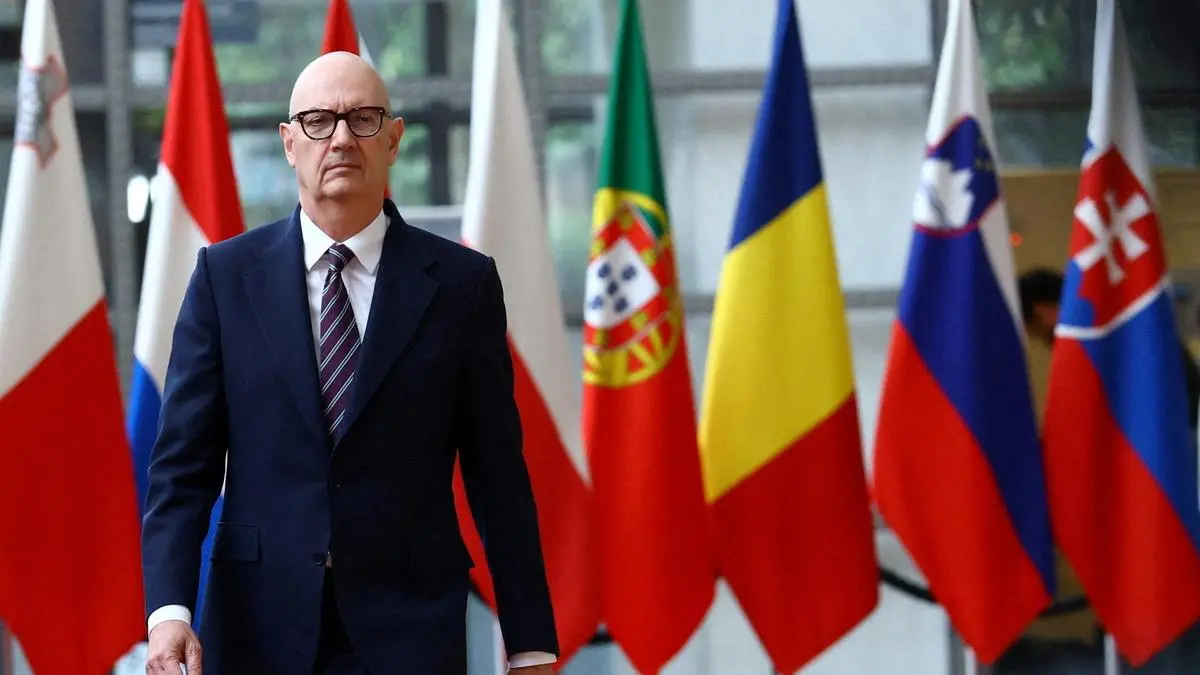
Global economic imbalances took center stage as finance ministers from the Group of Seven (G7) nations gathered in Paris on Monday to discuss growing trade tensions, supply chain vulnerabilities, and geopolitical instability affecting the world economy. The high-stakes meeting comes at a time when divisions among major economies are deepening, especially after the recent summit between US President Donald Trump and Chinese President Xi Jinping in Beijing produced few concrete economic breakthroughs.

French Finance Minister Roland Lescure, who is hosting the two-day summit, warned that the current structure of the global economy is becoming increasingly unsustainable. According to Lescure, China’s under-consumption, America’s over-consumption, and Europe’s under-investment are creating serious global economic imbalances that are fuelling trade disputes and financial instability.

G7 Focuses on Trade Friction and Financial Stability

The Paris meeting is expected to provide a platform for frank discussions among allies struggling to maintain unity on economic policy. Lescure admitted that disagreements with Washington remain significant, particularly on responsibility for global trade and capital flow distortions.

While G7 ministers hope to establish some common understanding regarding the causes of these global economic imbalances, analysts believe the United States may resist taking responsibility for its role in widening deficits and trade pressures. Philip Luck, director of the economics program at the Center for Strategic and International Studies in Washington, noted that merely acknowledging shared responsibility would already be considered progress.

Finance ministers are also closely monitoring developments following the Trump-Xi summit and rising tensions in West Asia. Concerns over freedom of navigation through the Strait of Hormuz and renewed uncertainty around Russian oil sanctions are adding pressure to already fragile global markets.

Britain’s Finance Minister Rachel Reeves is expected to push for coordinated international efforts to reduce inflationary pressures and ease supply chain disruptions. Britain also aims to strengthen trade ties with the European Union amid growing uncertainty in global commerce.

Critical Minerals and China Dependence Remain Key Concerns

Another major topic dominating the G7 agenda is the growing dependence on China for critical minerals and rare earth materials. These resources are essential for electric vehicles, renewable energy technologies, semiconductors, and defence systems.

G7 countries are exploring joint strategies to reduce reliance on Chinese-controlled supply chains by encouraging domestic production, diversifying suppliers, and improving coordination among allied nations. Proposed measures reportedly include pooled purchasing systems, market monitoring mechanisms, price stabilization efforts, and targeted tariffs.

Lescure stressed that no single country should ever again hold a monopoly over materials that are vital to global industries and national security. However, experts caution that creating alternative supply chains will take years and that there is still no unified strategy even within Western governments.

The meeting in Paris is also being viewed as a crucial step ahead of the upcoming G7 leaders’ summit scheduled to take place in Evian from June 15 to 17. With rising geopolitical tensions, volatile bond markets, and persistent global economic imbalances, the pressure is mounting on G7 nations to present a united front and deliver meaningful economic cooperation.

Continue Reading
Click to comment

Leave a Reply

Your email address will not be published. Required fields are marked *

Fashion

Gigi Hadid’s Met Gala Looks Have Always Been About the Transformation: A Complete Evolution

Published

on

gigi-hadid-2025-met-gala-050525-6f4c64847c36496bbce01c85a697b994

Gigi Hadid’s Met Gala Looks Have Always Been About the Transformation

Gigi Hadid’s Met Gala looks have always been about the transformation. While many celebrities stick to a signature style on fashion’s biggest night, Gigi consistently reinvents herself, delivering bold shifts in silhouette, mood, texture, and concept with every appearance.

Since making her debut in 2015, the supermodel has become one of the most anticipated guests at the Met Gala. Each year, she proves her deep understanding of the theme while showcasing her versatility, moving effortlessly from elegant and classic to futuristic, theatrical, sculptural, and glamorous.

2015: The Sophisticated Debut

Theme: China: Through the Looking Glass
Gigi Hadid’s Met Gala looks have always been about the transformation, starting with her very first appearance. She stepped onto the carpet in a striking red Diane von Furstenberg (DVF) wrap gown featuring a deep plunging neckline and high slit. Paired with strappy Louboutin heels, the look was confident, feminine, and polished, a strong introduction to the fashion world.

2016: Futuristic Tommy Hilfiger

Theme: Manus x Machina: Fashion in an Age of Technology
In 2016, Gigi switched gears completely with a sparkling space-age Tommy Hilfiger dress complete with a structured corset top. She attended alongside then-boyfriend Zayn Malik, adding to the memorable moment. The metallic and sequined details perfectly captured the technology theme.

2017: Romantic Asymmetry

Theme: Rei Kawakubo/Comme des Garçons: Art of the In-Between
The following year, Gigi returned in another Tommy Hilfiger creation, a champagne-colored gown with an asymmetrical tulle train and fishnet stockings. This softer, more romantic take showed her willingness to play with volume and proportion.

2018: Heavenly Versace Masterpiece

Theme: Heavenly Bodies: Fashion & The Catholic Imagination
One of her most acclaimed looks came in 2018. Gigi wore a breathtaking one-shoulder Versace gown inspired by stained glass windows, with intricate shimmering embellishments. The angelic, ethereal quality made this appearance one of her most memorable Met Gala moments to date.

2019: Embracing Camp

Theme: Camp: Notes on Fashion
For the playful “Camp” theme, Gigi fully committed to a dramatic Michael Kors Collection ensemble featuring exaggerated proportions and bird-inspired elements. It was theatrical and fun, a clear departure from her earlier polished looks.

2021: Monochrome Prada Power

Theme: In America: A Lexicon of Fashion
After the 2020 cancellation, Gigi returned in a striking black-and-white strapless Prada gown with a dramatic back slit and leather opera gloves. The sculptural, architectural silhouette marked another strong transformation in her Met Gala journey.

2022: Dramatic Versace Reveal

Theme: In America: An Anthology of Fashion
In 2022, Gigi delivered one of her boldest transformations yet with a custom Versace look: a sleek red latex catsuit underneath a massive voluminous silk puffer cape. The dramatic reveal as the cape fell away perfectly embodied the spirit of transformation on the red carpet.

2023: Sensual Givenchy Tribute

Theme: Karl Lagerfeld: A Line of Beauty
For the Karl Lagerfeld tribute, she chose a sheer black Givenchy gown with ruched detailing, hip cutouts, intricate embellishments, and a long train. The sensual yet sophisticated look respectfully nodded to Lagerfeld’s aesthetic while staying true to Gigi’s evolving style.

2024: Thom Browne Extravagance

Theme: Sleeping Beauties: Reawakening Fashion
In 2024, Gigi stunned in a highly detailed Thom Browne creation, an off-the-shoulder white gown adorned with shimmering beads and yellow floral embellishments, paired with a structured jacket and extravagant train. The piece was incredibly labour-intensive and felt both romantic and reawakened.

2025: Golden Pin-Up Glamour

Theme: Superfine: Tailoring Black Style
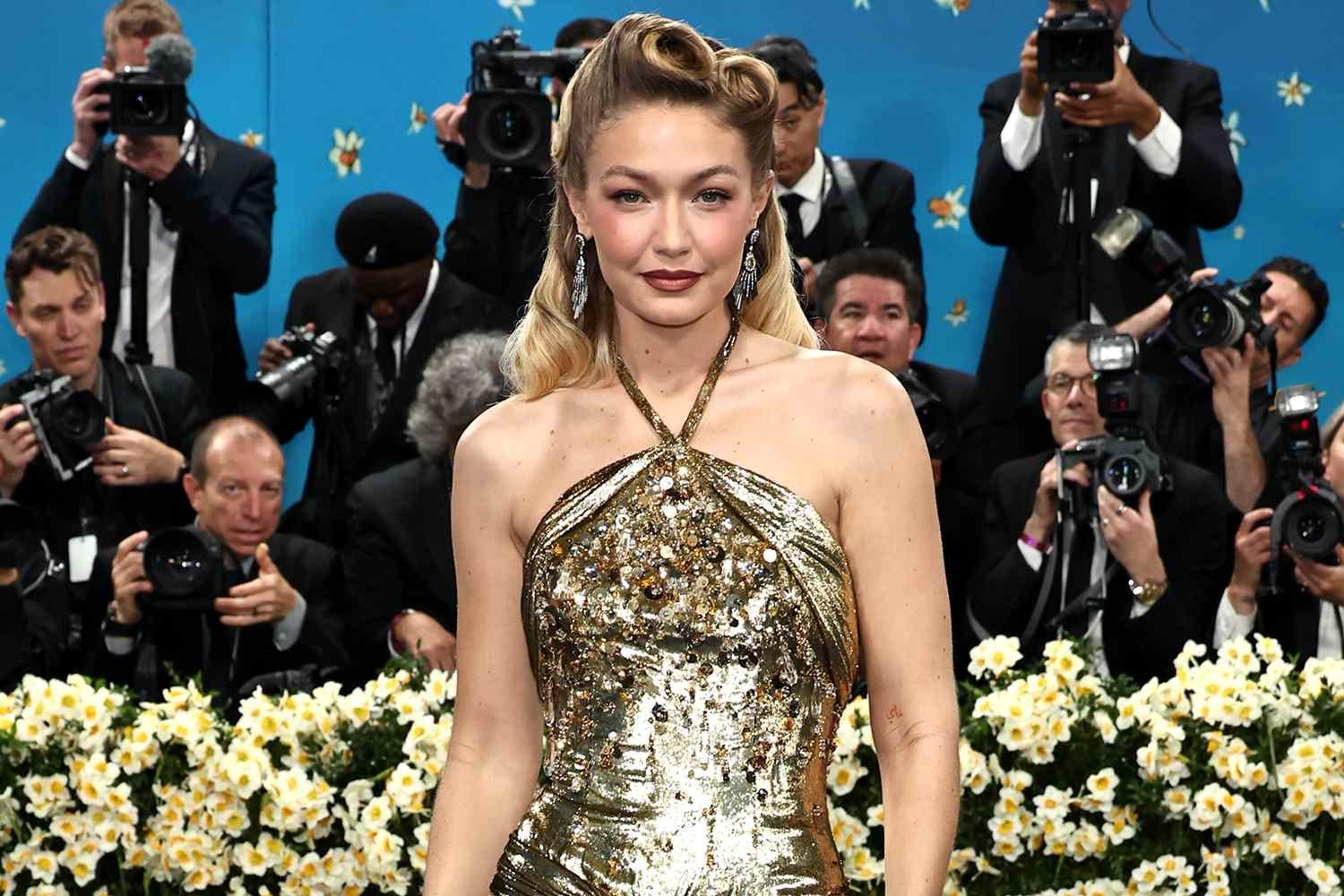
Most recently, Gigi Hadid’s Met Gala looks have always been about the transformation, which reached another highlight in 2025. She wore a custom gold sequined Miu Miu halter gown with ruched detailing, crystal embellishments, and a flowing train. Styled with 1940s-inspired Victory Roll pin-up curls, the look paid homage to designer Zelda Wynn Valdes and Josephine Baker, blending old Hollywood glamour with modern elegance.

Why Gigi Hadid’s Met Gala Looks Stand Out

What makes Gigi’s appearances so compelling is her consistent commitment to change. She rarely repeats the same formula. One year, she embraces a futuristic structure; the next, she goes romantic and flowing; then architectural and beaded; then sensual and sheer; and finally golden and vintage-inspired.
Her Met Gala evolution reflects:
  • Strong interpretation of each year’s theme
  • Fearless experimentation with proportion, texture, and mood
  • Successful collaborations with top designers and stylists
  • Ability to stay recognisable while constantly evolving
From classic DVF red carpet elegance to Versace drama, Prada minimalism, Thom Browne craftsmanship, and Miu Miu golden glamour, Gigi continues to surprise and impress.

The Art of Transformation at the Met Gala

Gigi Hadid’s Met Gala looks have always been about the transformation because the Met Gala itself is a celebration of fashion as storytelling and reinvention. The event rewards those who fully embody the theme rather than simply wearing a pretty dress.
Through her decade-long presence on the steps, Gigi has shown that true fashion impact comes from evolution. She has grown from a promising new face in 2015 into one of the most reliable show-stoppers, always bringing excitement and sincerity to her looks.
As fans and the fashion industry look forward to her future appearances, one thing remains clear: with Gigi Hadid, the only constant is change, and that’s exactly why her Met Gala journey continues to captivate audiences worldwide.

Continue Reading

fINANCE

India-New Zealand FTA 2026: A Landmark Trade Agreement

Published

on

India-New-Zealand-FTA-0_1766390128247_1766390173887_1777251678250

Negotiations Revived After Years of Deadlock

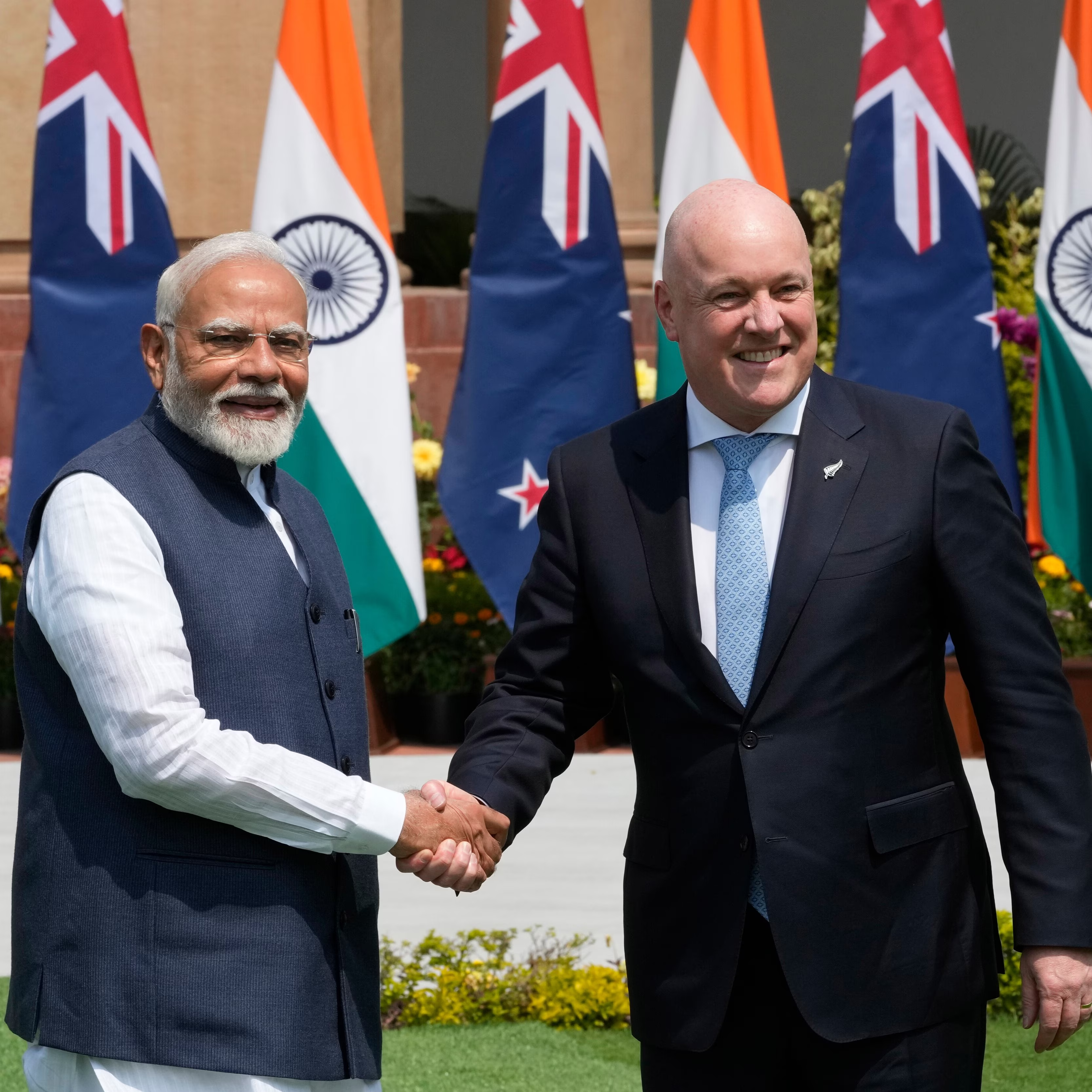
India New Zealand FTA 2026 marks a historic turning point as both nations sealed a long-awaited Free Trade Agreement after nearly a decade of stalled negotiations. The deal, signed on April 27, 2026, is being described as a once-in-a-generation economic pact that resets bilateral ties and opens a new chapter in trade cooperation. Talks between India and New Zealand had remained dormant for years due to differences over market access, especially in sensitive sectors like agriculture and dairy. However, renewed engagement in 2024 helped both sides move past earlier roadblocks and fast-track discussions toward a comprehensive agreement.

The revival of negotiations came at a time when both countries were looking to diversify trade partnerships and reduce dependency on limited markets. For India, the agreement aligns with its broader strategy of expanding global trade networks and securing better access for its exporters. For New Zealand, it provides an opportunity to strengthen its presence in one of the world’s fastest-growing major economies. The FTA is expected to double bilateral trade to nearly $5 billion within five years, driven by improved market access and reduced trade barriers. Policymakers on both sides have emphasized that the agreement goes beyond goods, focusing equally on services, investments, and workforce mobility, making it a comprehensive economic partnership rather than just a tariff-reduction deal.

Zero Tariffs, Investment Push, and Export Growth

One of the most significant features of the India New Zealand FTA 2026 is the elimination of tariffs on 100% of Indian exports to New Zealand. This move is expected to provide a major boost to key sectors such as textiles, pharmaceuticals, engineering goods, and gems and jewellery by making them more competitive in the New Zealand market. At the same time, New Zealand will benefit from reduced or eliminated duties on nearly 95% of its exports to India, including products like wool, meat, and forestry goods. The agreement carefully balances liberalization with protection, ensuring that sensitive sectors in India, particularly dairy, remain safeguarded.

Beyond trade in goods, the FTA places strong emphasis on investment and services. A proposed $20 billion investment commitment over the next 15 years is expected to enhance infrastructure, technology transfer, and business collaboration between the two countries. Additionally, new visa pathways for around 5,000 Indian professionals annually will create opportunities in sectors such as IT, healthcare, and education, strengthening people-to-people ties and boosting the services economy. Industry experts believe the deal could lead to a sharp rise in Indian exports, with some sectors projecting growth of up to 200% in the coming years.

Overall, the India New Zealand FTA 2026 represents more than just a trade agreement, it is a strategic partnership designed to unlock long-term economic growth. By combining zero-tariff access, investment flows, and talent mobility, the deal positions both nations to benefit from deeper integration in an evolving global economy.

Continue Reading

fINANCE

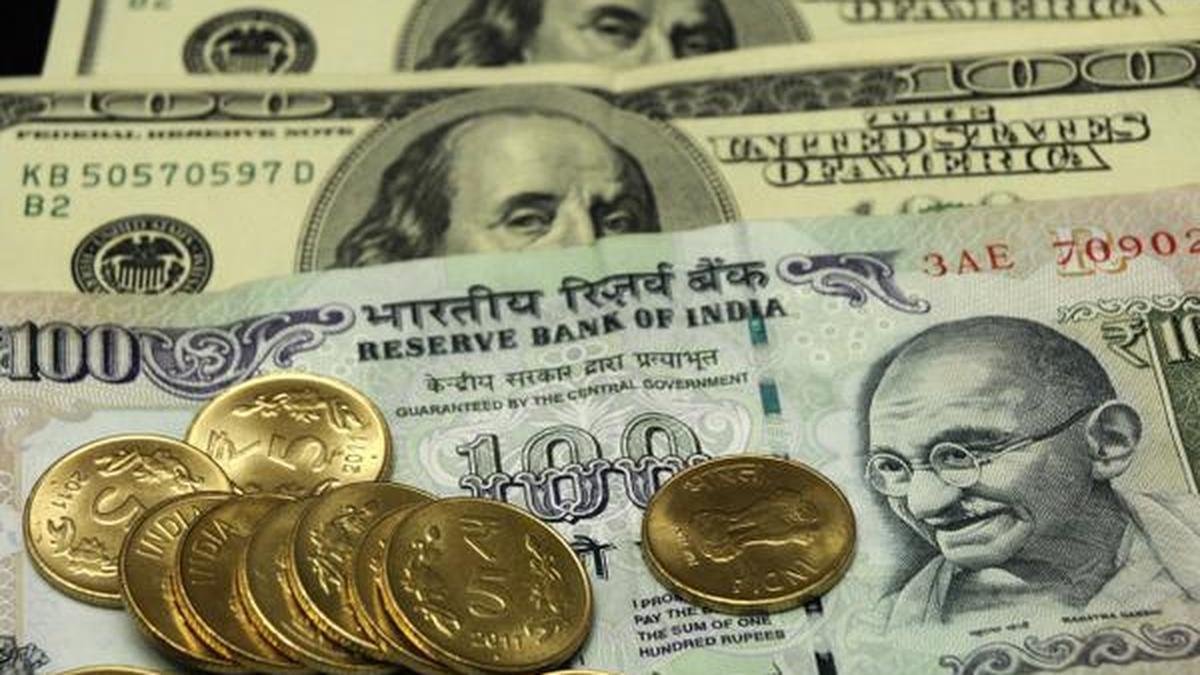
Indian Rupee Edges Lower Amid International Turmoil, Eyes RBI Guidance

Published

on

VBK-RUPEE (1)

Weekly Opening Sees Modest Decline

The Indian rupee kicked off the week with a subtle dip, dropping 4 paise to hover at ₹88.69 per US dollar during early Monday sessions. This minor setback underscores the prevailing unease in worldwide markets, driven by factors like the US government shutdown, surging oil costs, and the Reserve Bank of India’s (RBI) measured responses. Opening at ₹88.64 before settling lower, the currency closed the prior Friday at ₹88.65, illustrating traders’ hesitancy amid diminished global risk tolerance and a preference for the secure US dollar.

Amit Pabari, Managing Director at CR Forex Advisors, noted that market eyes are fixed on the RBI’s position, with the 88.80 threshold serving as a key psychological barrier. He anticipates resistance between 88.80 and 89.00, support around 88.40, and potential near-term stabilization in this band.

US Shutdown Bolsters Dollar, Oil Surge Compounds Strain

The persistent US government shutdown is unusually propping up the dollar by restricting its supply through halted expenditures, leading to a 0.08 percent uptick in the dollar index to 99.68. This fortification pressures emerging currencies like the rupee, as capital shifts toward safer havens, though experts suggest the dollar’s surge may fade if the US deadlock drags on and erodes trust.

Compounding the issue, Brent crude oil climbed 0.66 percent to $64.05 a barrel, straining India as a major importer. Elevated oil expenses inflate dollar demand for imports, further softening the rupee. Nonetheless, current price points are deemed sustainable, bolstered by the RBI’s substantial forex reserves to cushion against fluctuations.

RBI Interventions and Positive Equity Signals Shape Outlook

The RBI has been proactive in forex markets to curb sharp rupee slides, prioritizing incremental, evidence-based tweaks over aggressive actions. Reserves dipped $5.62 billion to $689.73 billion for the week to October 31, yet they rank among the globe’s highest, offering robust protection from external jolts. Pabari maintains a medium-term bullish view on the rupee, predicting advances to ₹88.00 or ₹87.70 if it breaches ₹88.40.

In contrast to currency woes, Indian stocks showed resilience, with the Sensex advancing 202 points to 83,418 and Nifty gaining 68 points to 25,560 early on. Foreign investors injected ₹4,581 crore into equities last Friday, signaling faith in India’s solid fundamentals, including robust earnings, controlled inflation, and infrastructure pushes.

Looking forward, the rupee’s path hinges on international shifts; prolonged US issues or oil hikes could spur volatility, but India’s strong growth and inflation management should provide equilibrium. The US Federal Reserve’s policy signals could also sway flows to markets like India. Overall, this dip signifies resilience rather than fragility, with RBI oversight and investor optimism poised to sustain the currency’s steadiness.

Continue Reading

Trending

Subscribe To Our News Letter


Contact Us
First
Last

This will close in 20 seconds