Connect with us

Health

Get Published In Glamour Magazine: A Complete Guide for Brands, Creators, and Entrepreneurs

Published

on

d4efb181-ff6c-4c9e-9c3c-137dbdb76c4d

Getting featured in Glamour Magazine is a dream for many brands, entrepreneurs, and creatives—and for good reason. Glamour is one of the world’s most influential lifestyle and fashion publications, known for spotlighting inspiring stories, trendsetting products, and powerful voices. If you’re looking to get published in Glamour Magazine, this guide will walk you through everything you need to know to increase your chances of success.


Why Getting Published in Glamour Matters

Glamour reaches millions of readers globally across print, digital, and social platforms. A feature in Glamour can:

  • Build instant brand credibility

  • Boost online visibility and traffic

  • Attract investors, partners, and customers

  • Position you as a thought leader in your industry

Whether you’re a startup founder, fashion brand, beauty entrepreneur, wellness expert, or influencer, a Glamour feature can elevate your brand to the next level.


What Kind of Stories Does Glamour Publish?

To get published in Glamour Magazine, your story must align with their editorial focus. Glamour typically features:

  • Women-led businesses and entrepreneurs

  • Fashion, beauty, wellness, and lifestyle brands

  • Social impact stories and empowerment narratives

  • Cultural trends and innovation

  • Personal journeys that inspire or educate

Before pitching, study recent Glamour articles to understand tone, themes, and style.


How to Get Published in Glamour Magazine

1. Craft a Compelling Story Angle

Journalists aren’t looking for advertisements—they want stories. Ask yourself:

  • What makes your brand or journey unique?

  • What problem are you solving?

  • Why should readers care?

Your pitch should focus on value, relevance, and impact, not promotion.


2. Identify the Right Editor or Section

Glamour has different editors for fashion, beauty, culture, wellness, business, and more. Pitching the right person increases your chances significantly.


3. Write a Strong Media Pitch

Your email pitch should be:

  • Short and personalized

  • Clearly state why your story fits Glamour

  • Include a compelling subject line

  • Offer exclusive insights or expert commentary

Example subject line:
Story Pitch: Female Founder Revolutionizing Clean Beauty


4. Build Your Media Presence

Having an active online presence helps journalists trust your credibility. Make sure your website, social media, and past media mentions are professional and updated.


5. Work with a Professional PR Agency

Getting published in top-tier media like Glamour is highly competitive. A PR agency with strong editorial connections can:

  • Pitch your story strategically

  • Position your brand effectively

  • Handle follow-ups and negotiations

  • Increase acceptance rates


Common Mistakes to Avoid

  • Sending mass, generic pitches

  • Making the pitch overly promotional

  • Ignoring Glamour’s editorial guidelines

  • Failing to follow up professionally

  • Pitching irrelevant topics

Avoid these mistakes to improve your chances of getting published.


How Level Up PR Helps You Get Published in Glamour Magazine

At Level Up PR, we specialize in securing high-impact media placements in top-tier publications, including Glamour Magazine. Our expert PR strategists:

  • Develop powerful brand narratives

  • Identify the best editorial opportunities

  • Pitch directly to relevant Glamour editors

  • Position you as a trusted expert or trendsetter

With our proven media relationships and storytelling expertise, we help brands turn visibility into long-term growth.


Final Thoughts

Getting published in Glamour Magazine is not just about publicity—it’s about credibility, influence, and growth. With the right story, strategy, and media connections, your brand can earn its place in one of the world’s most respected publications.

If you’re ready to get published in Glamour Magazine, now is the time to take action and elevate your brand’s story.

Sahil Sachdeva is the CEO of Level Up Holdings, a Personal Branding agency. He creates elite personal brands through social media growth and top tier press features.

Continue Reading
Click to comment

Leave a Reply

Your email address will not be published. Required fields are marked *

Health

Get Featured in Flaunt Magazine: The Ultimate Guide to Luxury Media Exposure

Published

on

0d667a2a-182d-471a-9e2e-d9b06302f112

Why Flaunt Magazine Is a Powerful Platform for Your Brand

If you want to elevate your brand image and gain international recognition, the best strategy is to get featured in Flaunt Magazine. Flaunt Magazine is a globally respected luxury lifestyle publication known for its high-end editorial content, fashion-forward storytelling, and cultural influence.

Founded in Los Angeles, Flaunt Magazine has built a strong reputation for covering fashion, entertainment, art, music, and luxury brands. Being featured in this prestigious publication instantly positions you as a credible and influential name in your industry.

Whether you are an entrepreneur, celebrity, fashion designer, startup founder, or creative professional, a feature in Flaunt Magazine can dramatically enhance your brand authority.

What Makes Flaunt Magazine Different?

https://cdn.prod.website-files.com/62ee0bbe0c783a903ecc0ddb/68640a7f23cce9cf83bf3a80_199_FLAUNT_MAGAZINE_FLEETING_TWILIGHT_UMA_THURMAN_COVER.jpg
https://cdn.prod.website-files.com/62ee0bbe0c783a903ecc0ddb/644955b24a48acbd455eba0a_186_FLAUNT_MAGAZINE_THE_PROMENADE_COVER_Elle_Fanning_FLAUNT.COM12.jpg
https://cdn.prod.website-files.com/62ee0bbe0c783a903ecc0ddb/67ed953f2a724bf70b26c45b_197_COVER_KIT_CONNOR.webp
4

Unlike traditional business magazines, Flaunt Magazine blends art, culture, and storytelling with high-quality visual presentation. The publication is known for:

  • Striking fashion editorials

  • Exclusive celebrity interviews

  • Cultural commentary

  • Luxury brand storytelling

  • High-production photography

The magazine attracts a global audience of creatives, influencers, investors, and decision-makers. That means your feature reaches not just readers, but potential collaborators and high-value clients.

Benefits of Getting Featured in Flaunt Magazine

1. Instant Brand Credibility

When you get featured in Flaunt Magazine, your brand gains instant validation. Media recognition builds trust, and trust converts into business opportunities.

2. Premium Brand Positioning

Flaunt is associated with luxury and innovation. Being featured aligns your personal or business brand with exclusivity and high status.

3. SEO and Digital Visibility

Flaunt Magazine has strong online authority. A digital feature can improve your search presence, increase branded searches, and boost your overall online credibility.

4. Social Media Leverage

A Flaunt feature is highly shareable. You can promote it across Instagram, LinkedIn, Facebook, and your website to amplify brand authority.

5. Long-Term Reputation Asset

Unlike ads, editorial features remain valuable for years. You can include the feature in press kits, investor presentations, and brand portfolios.

Who Can Get Featured in Flaunt Magazine?

Many people believe that only A-list celebrities appear in Flaunt. While the magazine frequently covers well-known personalities, it also highlights:

  • Emerging entrepreneurs

  • Luxury brand founders

  • Creative directors

  • Fashion innovators

  • Tech visionaries

  • Artists and cultural influencers

If you have a compelling story, innovative business model, or unique brand positioning, you have the potential to get featured in Flaunt Magazine.

How to Get Featured in Flaunt Magazine

Develop a Strong Personal Brand

Editors look for strong narratives. What makes you different? What impact are you creating? Why should readers care?

Your story must go beyond basic success. It should showcase vision, influence, and cultural relevance.

Build a Media-Ready Profile

Before pitching, ensure you have:

  • A professional website

  • High-quality brand photography

  • Clear brand messaging

  • Active social media presence

  • Previous media mentions if possible

These elements signal credibility to editors and journalists.

Craft a Compelling Pitch

Your pitch should be concise but powerful. Focus on:

  • Your unique story

  • Industry impact

  • Achievements

  • Future vision

  • Why your story fits Flaunt’s audience

Avoid generic press releases. Flaunt Magazine values authenticity and originality.

Work with a PR Agency

Getting featured in high-authority publications often requires professional media relationships. PR agencies with established editorial connections can significantly increase your chances.

A strategic PR team can position your narrative in a way that aligns with the magazine’s tone and audience expectations.

What Type of Content Appears in Flaunt Magazine?

https://mir-s3-cdn-cf.behance.net/project_modules/fs/ee291f78513499.5ca6bb2719955.png
https://i.ebayimg.com/images/g/agsAAOSw7WZkp~B3/s-l1200.jpg
https://cdn.prod.website-files.com/62ee0bbe0c783a903ecc0ddb/681232216932e565985e30b6_198_FLAUNT_MAGAZINE_COVER_PENN_BADGLEY.webp
4

When you aim to get featured in Flaunt Magazine, it helps to understand the types of content they publish:

  • In-depth interviews

  • Founder spotlights

  • Fashion and luxury brand features

  • Creative industry insights

  • Cultural impact stories

The content style is narrative-driven and visually engaging. It’s not purely corporate; it blends personality with professionalism.

Common Mistakes to Avoid

If your goal is to get featured in Flaunt Magazine, avoid these mistakes:

  • Sending generic mass pitches

  • Lacking professional visuals

  • Overly promotional tone

  • Weak storytelling

  • No clear brand positioning

Remember, Flaunt Magazine is selective. Quality matters more than quantity.

Final Thoughts

Choosing to get featured in Flaunt Magazine is not just about publicity—it’s about strategic brand elevation. It’s about positioning yourself among industry leaders, creatives, and influential voices.

In today’s competitive digital landscape, media credibility sets you apart. A feature in a prestigious platform like Flaunt Magazine can open doors to partnerships, collaborations, investor opportunities, and global recognition.

If you are serious about scaling your personal brand or business presence, make media exposure part of your growth strategy. With the right positioning, professional presentation, and strategic outreach, getting featured in Flaunt Magazine can transform your public image and accelerate your success.

Continue Reading

Health

Get Featured in Reuters Magazine: A Complete Guide to Building Global Credibility

Published

on

5f73c2a2-c554-4136-95fd-43b477fc6b0a
https://www.reuters.com/resizer/v2/https%3A%2F%2Farchive-images.prod.global.a201836.reutersmedia.net%2F2013%2F06%2F04%2F2013-06-04T021013Z_02_GM1E9640IV801_RTRRPP_0_VENEZUELA.JPG?auth=11bb3ba74654c1a8f73bdbdfc082fab00d9648f5c76b435945575c7354f41cb3&quality=80&width=1920
https://www.reuters.com/resizer/v2/SGHK4ZBGTFLDLPQU4CYGRJGGVI.jpg?auth=894e85edb551db6f5d6ad194ec75c2df7126566c9f7de0f1e8bb5480427b8a6d&quality=80&width=1920
https://www.reuters.com/resizer/v2/https%3A%2F%2Farchive-images.prod.global.a201836.reutersmedia.net%2F2013%2F06%2F04%2F2013-06-04T021013Z_02_GM1E9640IXN01_RTRRPP_0_VENEZUELA.JPG?auth=7f1e069926a64c11423354528988505192eaefc093bf2d6d8bac049a45686cc6&quality=80&width=1920
4

In today’s competitive media landscape, getting global visibility is a game-changer for entrepreneurs, startups, and industry leaders. If you want international recognition, credibility, and authority, your goal should be clear: get featured in Reuters magazine.

Reuters is one of the most respected and trusted news organizations in the world. Being mentioned or covered by Reuters can significantly boost your brand’s image, increase investor confidence, and open doors to new opportunities worldwide.

In this guide, we will explain how to get featured in Reuters magazine and what you can do to increase your chances of media coverage.


Why Getting Featured in Reuters Magazine Matters

When you get featured in Reuters magazine, you gain more than just media coverage. You gain authority.

Here’s why it’s powerful:

1. Global Exposure

Reuters distributes news across countries and industries. Your story can reach millions of readers, businesses, and decision-makers.

2. Strong Brand Credibility

Being covered by a globally recognized news agency instantly builds trust.

3. Investor & Partnership Opportunities

Investors and corporate leaders rely on Reuters for reliable information. A feature can attract serious business inquiries.

4. SEO and Online Authority

When high-authority websites mention your brand, your search engine credibility improves.


Understand What Reuters Covers

Before you try to get featured in Reuters magazine, understand what type of stories they publish.

Reuters focuses on:

  • Business and finance

  • Technology and innovation

  • Global markets

  • Economic developments

  • Startups with measurable impact

  • Major funding announcements

  • Industry-changing trends

They do not publish promotional content. Your story must be newsworthy, not an advertisement.


Step 1: Build a Newsworthy Story

If you want to get featured in Reuters magazine, your story must have strong news value.

Ask yourself:

  • Have you raised significant funding?

  • Are you launching a breakthrough innovation?

  • Is your company solving a large-scale problem?

  • Do you have verified data or strong industry impact?

Numbers matter. Real impact matters. Trends matter.

Instead of saying:

“We are a growing company.”

Say:

“We achieved 300% growth in 12 months and expanded to 5 countries.”

Facts attract journalists.


Step 2: Create a Strong Media Presence

Journalists often research before writing a story.

Make sure you have:

  • A professional website

  • A clear company story

  • Media-ready founder profiles

  • Verified social media presence

  • Previous media mentions (if any)

When you aim to get featured in Reuters magazine, credibility plays a huge role.


Step 3: Craft a Professional Press Release

A press release is one of the most effective ways to approach journalists.

Your press release should include:

  • A strong headline

  • Clear and concise summary

  • Key facts and statistics

  • Founder quote

  • Industry relevance

  • Contact information

Keep it professional and factual. Avoid exaggerated language. Reuters journalists prefer neutral, data-backed content.


Step 4: Pitch the Right Journalist

Not every journalist covers every industry.

Research reporters who cover:

  • Your sector

  • Your geographic region

  • Similar companies

Personalize your pitch. Mention why your story is relevant to their previous coverage.

Short, professional emails work best.


Step 5: Timing is Everything

If you want to get featured in Reuters magazine, timing matters.

Best times to pitch:

  • During funding announcements

  • Market expansion

  • Major partnerships

  • Industry disruption moments

  • Economic trend alignment

Your story should connect with current global developments.


Step 6: Work with PR Professionals

Media relations require strategy and experience. Established PR professionals understand:

  • How to angle your story

  • Which journalist to contact

  • When to pitch

  • How to follow up

  • How to handle interviews

If your goal is to get featured in Reuters magazine, working with a skilled PR agency can significantly improve your chances.


What Reuters Journalists Look For

To increase your success rate, focus on these elements:

Accuracy

All claims must be verifiable.

Transparency

Clear financial data and business model explanation.

Relevance

Your story should connect to larger market trends.

Impact

How does your work affect the industry, economy, or society?

Remember, Reuters is a global news organization. Your story must go beyond local interest.


Common Mistakes to Avoid

If you are trying to get featured in Reuters magazine, avoid these errors:

  • Sending generic mass emails

  • Writing promotional or sales-heavy content

  • Lacking supporting data

  • Ignoring journalist beats

  • Overstating achievements

Professionalism and clarity are key.


How Long Does It Take?

There is no fixed timeline.

Media coverage depends on:

  • News value

  • Industry relevance

  • Market timing

  • Journalist interest

Sometimes coverage happens quickly. Other times, it may take consistent PR efforts over months.


Final Thoughts

If you truly want to get featured in Reuters magazine, focus on credibility, impact, and strategy. Reuters does not publish advertisements — they publish news that matters to the world.

Build a strong story. Back it with data. Align it with global trends. Approach the right journalists professionally.

With the right preparation and positioning, your brand can gain international recognition and long-term authority.

Getting featured in Reuters magazine is not just about publicity — it’s about building global trust and establishing your brand as a serious industry player.

Continue Reading

Health

Stanford’s Nasal Spray Breakthrough: A Step Toward Universal Winter Immunity Against Respiratory Threats


Published

on

images - 2026-02-26T163816.171

A pioneering study from Stanford University, published in the prestigious journal Science, introduces an experimental nasal vaccine with the potential to transform how we defend against the seasonal onslaught of respiratory illnesses. This innovative approach could one day reduce the annual burden of coughs, colds, influenza, COVID-19 variants, and even certain bacterial pneumonia cases through a single, easy-to-administer nasal spray.

Traditional vaccines, dating back to Edward Jenner’s smallpox breakthrough over two centuries ago, work by training the immune system to recognize specific pathogens. They introduce harmless pieces of a virus or bacterium—such as inactivated virus in flu shots or mRNA instructions in COVID vaccines—prompting the body to produce targeted antibodies and memory cells against that exact threat. While highly effective for individual diseases, this strategy requires annual updates for mutating viruses like influenza and leaves gaps against unexpected new pathogens.

In contrast, the Stanford team’s nasal spray adopts a radically different philosophy: training the innate immune system for broad, rapid defense rather than narrow, adaptive memory. The spray delivers a stimulus that activates and “primes” alveolar macrophages—the resident immune sentinel cells in the lungs—placing them in a prolonged state of heightened alertness, likened by researchers to an “amber alert.” In this enhanced mode, these macrophages respond aggressively and quickly to a wide spectrum of invaders, including multiple respiratory viruses, Gram-positive and Gram-negative bacteria, and even non-infectious triggers.

Animal experiments demonstrated striking results. Mice treated with the nasal formulation showed 100- to 1,000-fold reductions in viral replication and dissemination when challenged with various respiratory pathogens. Protection extended to bacterial species notorious for causing severe pneumonia, such as Staphylococcus aureus and multidrug-resistant Acinetobacter baumannii. Remarkably, the primed immune state also appeared to blunt exaggerated responses to common allergens like house dust mite proteins, suggesting possible future applications for allergic asthma sufferers.

The protective window in mice lasted approximately three months, after which the heightened readiness gradually returned to baseline. This duration hints at the possibility of seasonal administration, perhaps a quick nasal dose each autumn to bolster defenses through the peak winter infection period.

Independent experts have welcomed the findings with enthusiasm tempered by realism. Professor Daniela Ferreira from the University of Oxford described the work as an “exciting development” that could reshape strategies against common respiratory infections, provided human data confirm the benefits. However, she and others, including Professor Jonathan Ball of the Liverpool School of Tropical Medicine, emphasize key uncertainties. Human immune systems, shaped by decades of exposures, differ substantially from those of laboratory mice. Questions remain about the longevity of priming in adults, optimal dosing schedules, and risks of prolonged immune activation, such as unintended inflammation or “friendly fire” against harmless particles.

The researchers view this universal nasal approach not as a replacement for conventional targeted vaccines but as a powerful complement. In the early chaotic phase of a new pandemic, it could offer immediate, broad-spectrum shielding while specific vaccines are developed. For routine use, it might serve as an annual “winter shield” to blunt the impact of circulating viruses and bacteria.

Human clinical trials represent the essential next phase. If the safety and efficacy translate successfully to people, this novel strategy could rank among the most impactful advances in respiratory medicine in decades, delivering not protection against a single foe, but resilience against the unpredictable, ever-evolving array of winter respiratory challenges.

Continue Reading

Health

Get Featured in Huffington Post: A Complete Guide to Building National Credibility

Published

on

025d484e-e7b4-4888-84d4-ccb44e5d5d6b

In today’s competitive media landscape, getting published in a globally recognized platform can instantly elevate your brand. If you want to Get Featured in Huffington Post, you need more than just a good story. You need strategy, clarity, and a strong understanding of how digital media works. Being featured in HuffPost not only builds authority but also strengthens your online presence, personal brand, and business credibility.

This guide will walk you through the right approach to secure meaningful media coverage and position yourself as an expert.


Why Getting Featured Matters

When your name or brand appears in a respected publication, people notice. Media coverage acts as social proof. It builds trust with potential clients, investors, and collaborators.

Here are some key benefits:

  • Stronger brand credibility

  • Increased website traffic

  • Better SEO rankings

  • Authority in your industry

  • Enhanced investor and customer trust

A feature in a major publication signals that your voice matters. It shows that your ideas are worth sharing with a larger audience.


Understand the Platform Before You Pitch

Before you attempt to Get Featured in Huffington Post, take time to understand its content style. The platform publishes articles across various categories such as business, lifestyle, politics, wellness, technology, and entrepreneurship.

Study these points carefully:

  • What type of stories are trending

  • The tone and writing style

  • The type of experts being quoted

  • The structure of published articles

Spend time reading recent articles. Notice how headlines are crafted. Observe how data and storytelling are blended. This research will help you craft a pitch that aligns with the publication’s voice.


Build a Strong Personal Brand

Journalists and editors look for credible sources. If you want to increase your chances of being featured, your online presence must reflect authority.

Focus on:

  • A professional website

  • Active LinkedIn profile

  • Thought leadership articles

  • Media-ready bio

  • Clear positioning in your niche

If someone searches your name, they should immediately understand who you are and what expertise you bring.


Craft a Powerful Story Angle

Editors receive hundreds of pitches daily. To stand out, your pitch must be clear and compelling.

Instead of saying:

“I want to share my business journey.”

Say:

“I built a profitable startup in a highly competitive market without external funding. Here are the five unconventional strategies that helped me succeed.”

Make your story:

  • Unique

  • Data-backed

  • Relevant to current trends

  • Valuable to readers

Remember, it is not about promoting yourself. It is about offering insight that helps readers.


Write a Strong Media Pitch

Your pitch email should be short and impactful. Follow this structure:

Subject Line
Clear and benefit-driven

Introduction
Brief introduction about who you are

Hook
Why your story matters now

Value
What readers will gain

Call to Action
Offer to provide additional details or draft

Keep it concise. Editors appreciate clarity.


Leverage Expert Positioning

One of the easiest ways to Get Featured in Huffington Post is by positioning yourself as a subject matter expert. Journalists often look for expert opinions for their articles.

You can:

  • Share research-backed insights

  • Comment on trending topics

  • Provide case studies

  • Offer unique data

Being proactive increases your visibility in media circles.


Use PR Strategies for Better Results

Working with a professional PR agency can significantly improve your chances. PR professionals understand media relationships, editorial requirements, and timing.

They help with:

  • Crafting tailored pitches

  • Connecting with the right editors

  • Aligning your story with current news cycles

  • Managing follow-ups professionally

Strategic PR ensures your story reaches the right desk at the right time.


Focus on Quality Content

If you get the opportunity to contribute an article, ensure it delivers real value.

Your content should:

  • Have a strong headline

  • Use subheadings for clarity

  • Include practical insights

  • Avoid self-promotion

  • End with a strong takeaway

Quality writing increases the chances of future contributions.


Maintain Long-Term Media Relationships

Media coverage should not be a one-time effort. Building relationships with journalists and editors creates long-term opportunities.

You can:

  • Engage with their work on social media

  • Share their published articles

  • Provide timely expert commentary

  • Offer exclusive insights

Consistency builds recognition.


Be Patient and Persistent

Getting featured in a major publication does not happen overnight. Rejections are common. Follow-ups are necessary. Persistence is key.

Refine your pitch. Improve your story angle. Stay updated with industry trends. Each attempt increases your chances of success.


Final Thoughts

If you truly want to Get Featured in Huffington Post, focus on value, credibility, and strategy. Media coverage is not about promotion. It is about positioning yourself as a trusted voice in your field.

Build your brand. Craft compelling stories. Pitch strategically. Deliver quality content.

When you combine these elements, you do not just gain a feature. You build long-term authority and open doors to new opportunities.

The right story, presented at the right time, can transform your visibility and elevate your reputation on a global stage.

Continue Reading

Health

How to Get Featured in SF Weekly: A Complete Guide for Brands, Artists & Entrepreneurs

Published

on

e5ff094e-1ad8-4a0f-832c-df89a2d35e3c

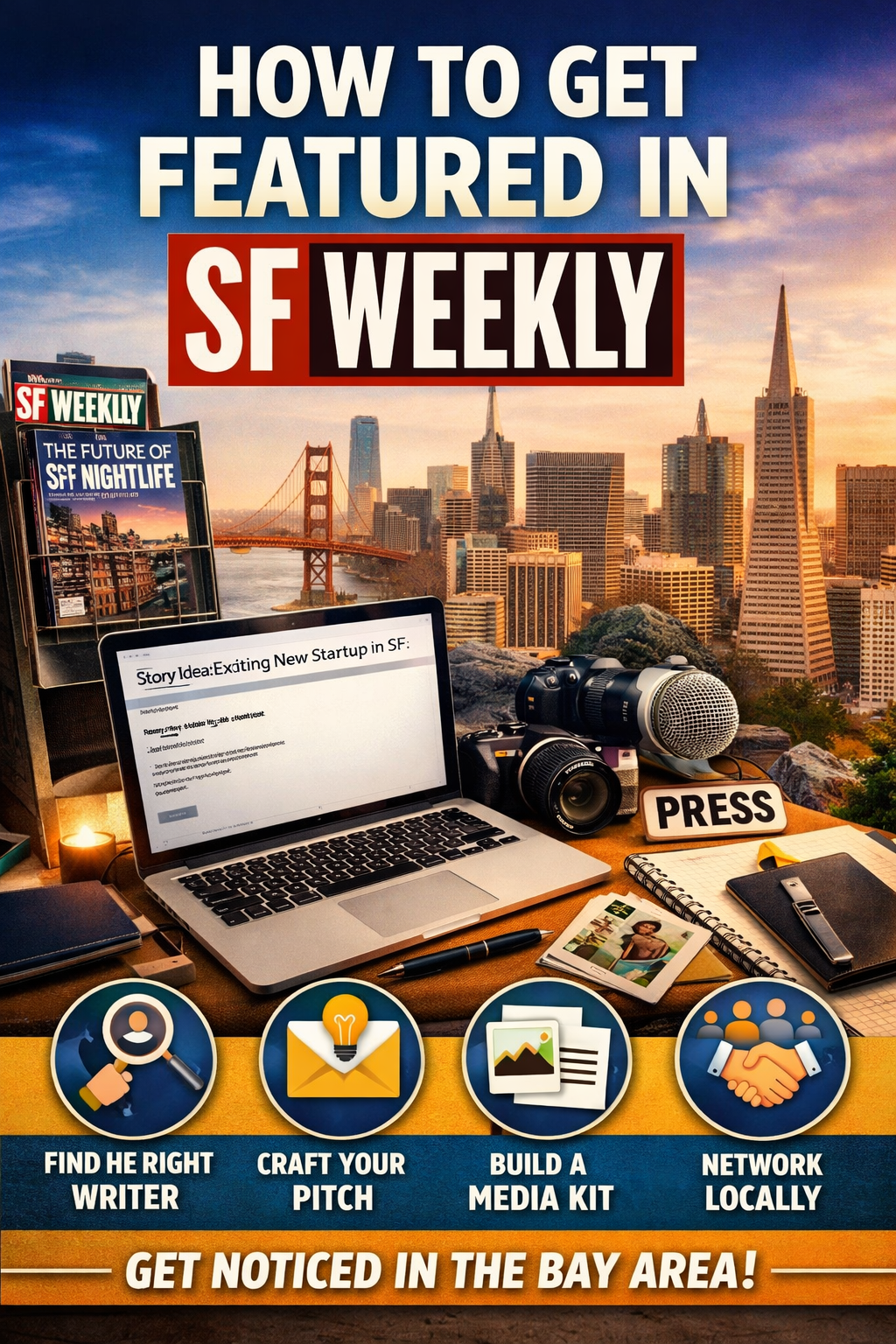
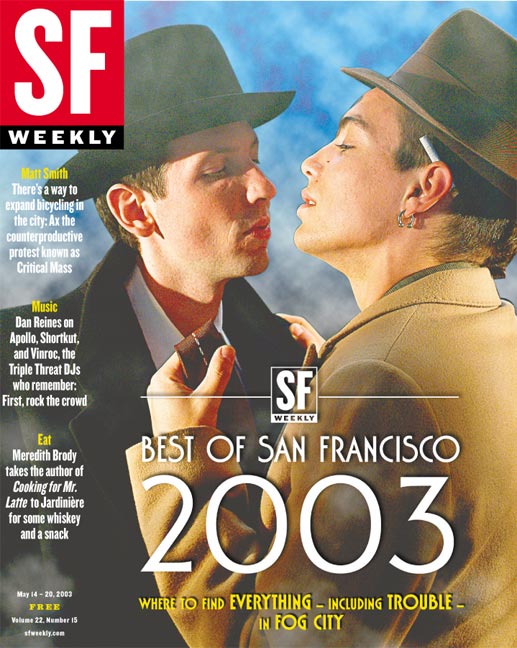
Landing a feature in SF Weekly can dramatically boost your visibility, credibility, and reach in the Bay Area. Whether you’re a startup founder, artist, restaurant owner, or event organizer, getting featured in SF Weekly can open doors to new customers and media opportunities.

In this SEO-friendly guide, you’ll learn how to get featured in SF Weekly, step-by-step — plus insider tips to improve your chances of getting noticed.


Why Getting Featured in SF Weekly Matters
https://images.squarespace-cdn.com/content/v1/54d278d7e4b08b02e24cc549/1423782696056-4FZB4QWTJJM9VZHWU2EY/BOSF-2003-Cover-FINALBIG.jpg
https://media.muckrack.com/groups/icons/sfweekly.jpeg
https://cloudinary-assets.dostuffmedia.com/res/dostuff-media/image/upload/user-375650/1391635755.jpg
4

Before diving into the process, let’s understand why a feature is valuable:

  • Strong local credibility in San Francisco

  • Exposure to Bay Area readers and businesses

  • SEO benefits from authoritative backlinks

  • Increased brand trust and social proof

  • Media validation you can showcase in PR kits

If you’re targeting the San Francisco market, a feature in SF Weekly positions you as a serious local player.


How to Get Featured in SF Weekly (Step-by-Step)

1. Understand What SF Weekly Covers

To get featured in SF Weekly, you must align with their editorial focus. They typically cover:

  • Local news and culture

  • Arts & entertainment

  • Restaurants and food trends

  • Events and nightlife

  • Cannabis industry

  • Emerging businesses

  • Social impact stories

Pro Tip: Study recent articles and identify patterns in tone, story angles, and featured businesses.


2. Create a Newsworthy Angle

SF Weekly won’t feature you just because you ask. You need a compelling hook.

Ask yourself:

  • Are you launching something new?

  • Did you hit a major milestone?

  • Are you disrupting a local industry?

  • Is there a strong human-interest story behind your brand?

  • Are you hosting a unique San Francisco event?

Journalists want stories — not advertisements.


3. Build a Strong Media Kit

To increase your chances of getting featured in SF Weekly, prepare:

  • A professional bio

  • High-resolution photos

  • Brand story

  • Press releases (if available)

  • Social media links

  • Website link

  • Contact information

Make it easy for editors to cover you without extra work.


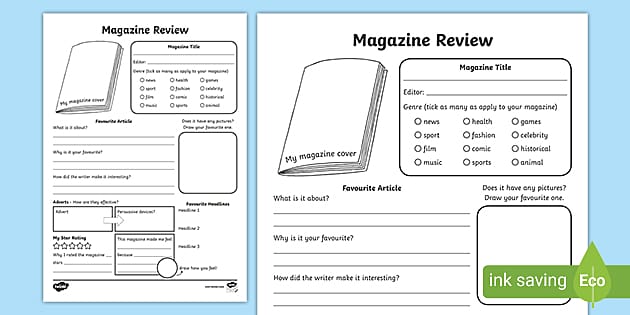
4. Find the Right Editor or Writer

https://images.pond5.com/young-journalist-typing-article-laptop-footage-086689135_iconl.jpeg
https://images.twinkl.co.uk/tw1n/image/private/t_630_eco/image_repo/30/21/t2-e-5239-in-depth-magazine-review-writing-template-_ver_2.jpg
https://cdn.sanity.io/images/p5dzjrg7/production/0c9955763504206af897c8f1f98e34fc4f5c4b0e-700x537.png
4

Instead of sending a generic message, identify:

  • Editors covering your niche

  • Staff writers focused on your industry

  • Contributors who write similar stories

Then personalize your pitch.

Avoid:
 Mass emails
 Generic press releases without context
 Overly promotional language


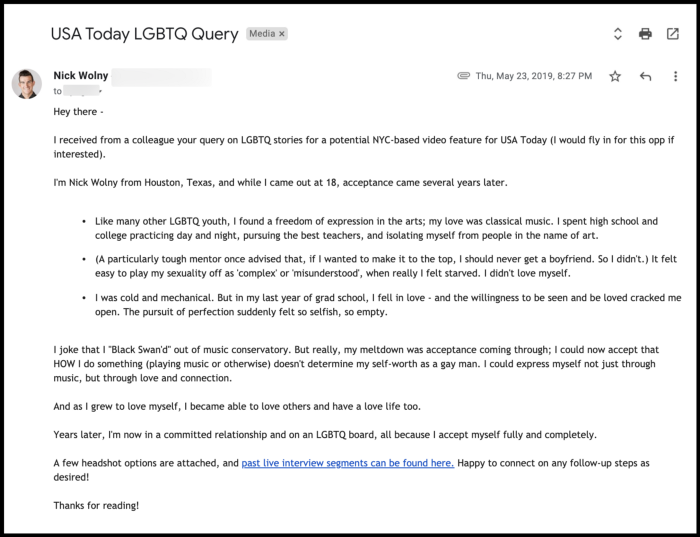
5. Write a Compelling Pitch Email

Here’s a simple pitch structure:

Subject Line: Story Idea: [Compelling Hook] in San Francisco

Email Body:

  • Short introduction (who you are)

  • Why your story matters to SF readers

  • Why it’s timely

  • Link to media kit

  • Offer availability for interview

Keep it under 200 words.


6. Leverage Local PR & Community Engagement

To improve your odds of getting featured in SF Weekly:

  • Attend San Francisco networking events

  • Collaborate with local influencers

  • Participate in community initiatives

  • Get involved in local charities

  • Build relationships with other featured businesses

Media attention often follows community visibility.


7. Use HARO & Media Platforms

Sign up for platforms where journalists request sources. Respond quickly and provide clear, concise insights.

Being proactive increases your visibility beyond just emailing editors directly.


8. Consider Sponsored Content (If Appropriate)

If your goal is guaranteed placement, explore advertising or sponsored editorial options directly through SF Weekly. This can be useful for:

  • Grand openings

  • Major product launches

  • Event promotions

Be transparent and choose the option that aligns with your brand strategy.


Common Mistakes to Avoid

If you want to successfully get featured in SF Weekly, avoid:

  • Pitching without researching the publication

  • Making the email too long

  • Sending low-quality photos

  • Following up excessively

  • Being overly sales-focused

Remember — editors are looking for stories that serve their audience.


How Long Does It Take to Get Featured?

There is no guaranteed timeline. It may take:

  • 1–2 weeks for a response

  • 1–3 months for publication

  • Multiple follow-ups before traction

Consistency is key.


Final Tips on How to Get Featured in SF Weekly

  • Build your personal brand online

  • Maintain active social media

  • Publish thought leadership content

  • Collect testimonials and press mentions

  • Stay relevant to San Francisco trends

Getting featured in SF Weekly isn’t about luck — it’s about strategy, positioning, and persistence.


Conclusion

If you’ve been wondering how to get featured in SF Weekly, the formula is simple:

  1. Be newsworthy

  2. Align with their audience

  3. Pitch strategically

  4. Build relationships

  5. Stay consistent

Media coverage can transform your brand visibility in the Bay Area — and with the right approach, you can make it happen.

Continue Reading

Health

Get Featured in Vanity Fair: The Ultimate Power Move for Your Personal Brand

Published

on

7d468786-84c8-44a2-a854-e157abfd186d
https://vanityfair.blob.core.windows.net/vanityfair20240101thumbnails/Covers/0x600/20240101.jpg
https://akns-images.eonline.com/eol_images/Entire_Site/202522/rs_634x1024-250302220927-Selena_Gomez1.jpg?crop=634%3A1024%3Bcenter%2Ctop&fit=around%7C634%3A1024&output-quality=90
https://media.cnn.com/api/v1/images/stellar/prod/230313102930-03-vanity-fair-oscar-party-billie-eilish.jpg?c=original
4

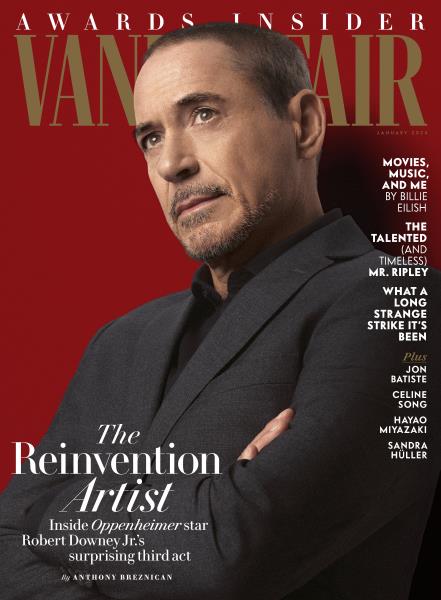
In the world of influence, credibility is currency. You can build a strong social media following, land podcast interviews, and even go viral — but there’s something different about seeing your name printed in the glossy pages of Vanity Fair.

It signals arrival.

For entrepreneurs, creatives, executives, and cultural tastemakers, being featured in Vanity Fair isn’t just a media win. It’s a brand-defining moment. It tells the world: You matter at the highest level.

In this edition of Level Up Magazine, we’re breaking down why Vanity Fair remains one of the most powerful platforms in media — and how positioning yourself for this kind of exposure can elevate your authority instantly.


Why Vanity Fair Still Holds Cultural Power

Founded in 1913 and reimagined for the modern era, Vanity Fair has long been a gatekeeper of influence. From Hollywood elites to political power players, the magazine doesn’t just report culture — it shapes it.

A feature in Vanity Fair means:

  • You’ve crossed into mainstream cultural relevance

  • Your story has narrative depth

  • Your influence extends beyond niche audiences

  • You’re perceived as premium

In today’s crowded digital landscape, perception is everything. Vanity Fair represents legacy media at its finest — highly curated, editorially selective, and globally respected.

While social media builds visibility, legacy publications build permanence.


What Vanity Fair Looks For

If you want to land on their radar, it’s important to understand what they value.

Vanity Fair is not interested in:

  • Generic success stories

  • Surface-level accomplishments

  • Trend-chasing personalities

They are interested in:

  • Cultural impact

  • Distinctive personal narratives

  • Power, influence, and transformation

  • Individuals shaping industries

Your story must feel larger than you.

Are you redefining leadership?
Disrupting an industry?
Challenging norms?
Creating movements?

Vanity Fair features people who represent shifts in culture — not just participants in it.


The Psychology of Being “Vanity Fair Worthy”

There’s a mindset shift required before the media recognition comes.

To be featured at that level, you must:

  • Think beyond local influence

  • Position yourself as a thought leader

  • Operate at premium standards

  • Curate your public image intentionally

Media is a mirror. It reflects how you already show up.

If your brand visuals are inconsistent, your messaging unclear, or your positioning too broad, you won’t attract high-level editorial attention.

Vanity Fair doesn’t create authority — it amplifies existing authority.


Building Toward the Feature

Getting featured in a major publication rarely happens randomly. It’s a result of strategic positioning.

Here’s the blueprint:

1. Elevate Your Narrative

Facts don’t get features — stories do.

Craft a compelling origin story:

  • What obstacles did you overcome?

  • What mission drives you?

  • What tension exists in your journey?

Editors look for depth, vulnerability, and relevance.

2. Strengthen Your Digital Footprint

When editors research you (and they will), what do they find?

  • Professional press photos

  • Clear brand identity

  • Media mentions

  • Thought leadership content

  • Strong website presence

Everything should align with a premium aesthetic.

3. Secure Stepping-Stone Media

Top-tier features often follow mid-tier exposure.

Think:

  • Industry publications

  • Podcasts

  • Authority blogs

  • Speaking engagements

Momentum builds credibility.


The Power of Association

When your name appears in Vanity Fair, you’re placed in proximity to cultural icons, global leaders, and entertainment royalty.

That proximity shifts perception instantly.

Suddenly:

  • Investors see you differently

  • Clients view you as elite

  • Collaborators approach you

  • Your speaking fees increase

Media credibility compounds.

And in high-level business, perception drives opportunity.


It’s Not Just About Fame — It’s About Positioning

Vanity Fair isn’t simply a celebrity magazine. It’s a publication that explores power — who has it, how they use it, and what it costs.

If you want to align yourself with that level of conversation, your brand must reflect:

  • Substance

  • Sophistication

  • Cultural awareness

  • Impact

This is about stepping into rooms where influence is exchanged at the highest level.


Becoming Feature-Ready

Ask yourself:

  • Does my story inspire beyond my industry?

  • Is my brand visually aligned with premium media?

  • Am I building cultural relevance — or just visibility?

  • Would a global audience find my journey compelling?

If not, that’s your next level.

Becoming “Vanity Fair ready” forces you to refine your message, elevate your standards, and think bigger about your impact.


Final Word: Think Legacy, Not Likes

In a world obsessed with algorithms, aim for legacy.

Being featured in Vanity Fair isn’t about ego — it’s about entering the historical record of influence. It’s about positioning your name alongside those shaping culture, business, art, and power.

At Level Up Magazine, we believe in building brands that don’t just trend — they endure.

The question isn’t whether you want to be featured.

The question is:

Are you building something worthy of it?

Level up accordingly.

Continue Reading

Health

How to Get Featured in Daily Mail: A Strategic Guide for Brands and Experts

Published

on

unnamed (3)

Being highlighted in a major publication can instantly elevate your credibility, visibility, and authority. One of the most influential platforms in global media is Daily Mail — a publication with millions of readers across the UK, the US, and beyond. If your goal is to get featured in Daily Mail, you need more than luck. You need strategy, timing, and a compelling story.

This guide walks you through the right approach to secure meaningful media coverage.


Why Media Coverage in a Major Publication Matters

https://upload.wikimedia.org/wikipedia/en/d/d7/Daily_Mail_10_July_2021.png
https://i.guim.co.uk/img/static/sys-images/Media/Pix/pictures/2010/9/23/1285243806538/Mail-Online---September-2-006.jpg?crop=none&dpr=1&s=none&width=465
https://i.dailymail.co.uk/i/pix/2018/01/12/17/4811E86100000578-5263343-image-a-22_1515776540708.jpg
4

A feature in a high-authority publication offers:

  • Massive exposure to millions of readers

  • Credibility boost for your brand or personal profile

  • SEO benefits from high-domain authority backlinks

  • Increased trust among customers and investors

  • Long-term brand positioning

Unlike paid ads, editorial coverage carries third-party validation — which makes it far more powerful.


Understand What Editors Are Looking For

Journalists and editors receive hundreds of pitches daily. To stand out, your story must align with what the publication values:

1. Strong News Angle

Is your story timely? Does it connect to trending topics, current events, or public interest discussions?

2. Human Interest

Personal journeys, unique challenges, and emotional stories often perform exceptionally well.

3. Data & Evidence

Research-backed insights, surveys, or original statistics increase credibility.

4. Celebrity or Influencer Connection

If your story involves a public figure, partnership, or social media traction, it becomes more attractive to editors.


Craft a Compelling Media Pitch

A strong pitch is concise, relevant, and tailored.

Key Elements:

  • Attention-grabbing subject line

  • Clear headline angle

  • 2–3 short paragraphs explaining why the story matters

  • Supporting data or quotes

  • High-resolution images available upon request

Avoid generic mass emails. Personalize your pitch to the specific journalist who covers your niche.


Build Media Relationships

Media coverage rarely happens from a single cold email. Instead:

  • Follow journalists on social media

  • Engage thoughtfully with their articles

  • Provide value before asking for coverage

  • Become a reliable source in your industry

Long-term relationships significantly increase your chances of publication.


Leverage PR Professionals

If you have the budget, hiring a PR agency can accelerate the process. Experienced publicists:

  • Have established media contacts

  • Know how to position stories strategically

  • Understand editorial standards

  • Manage follow-ups professionally

A well-connected PR expert can bridge the gap between your story and the newsroom.


Create a Story That’s Bigger Than Promotion

One common mistake is pitching a product advertisement disguised as news. Instead of focusing on your business, frame the story around:

  • Industry trends

  • Social impact

  • Unique challenges you’ve overcome

  • Lessons others can learn

When your story serves readers first, editors are far more receptive.


Timing Is Everything

News cycles move quickly. Tie your pitch to:

  • Seasonal trends

  • Breaking news

  • Industry reports

  • Cultural conversations

Relevance increases urgency — and urgency increases coverage.


Optimize Your Online Presence

Before publishing, journalists often research sources. Make sure you have:

  • A professional website

  • Updated social media profiles

  • Clear bio and credentials

  • Press-ready photos

  • Prior media mentions (if available)

Credibility online supports credibility in print.


Final Thoughts

Securing coverage in a leading publication doesn’t happen by accident. It requires a strong narrative, strategic outreach, and persistence. Whether you’re an entrepreneur, expert, or brand, the key is positioning your story in a way that serves the audience first.

When you approach media with authenticity, relevance, and professionalism, your chances of gaining national — even global — attention increase dramatically.

If done correctly, that single feature can transform your visibility and open doors you never imagined.

Continue Reading

Health

Get Featured in The New York Times: A Strategic Guide to National Media Recognition

Published

on

unnamed (2)

In today’s competitive media landscape, credibility is everything. For entrepreneurs, founders, authors, and industry leaders, few achievements carry as much prestige as being featured in The New York Times. If you’re looking to Get Featured in The New York Times, you’re not just seeking publicity—you’re positioning your brand at the highest level of authority and influence.

But landing coverage in one of the world’s most respected publications requires more than luck. It demands strategy, storytelling, and strong media relationships.

In this guide, we’ll break down how you can strategically increase your chances of getting featured in The New York Times.


Why Getting Featured in The New York Times Matters

The New York Times isn’t just another media outlet. It’s a global publication read by millions of decision-makers, investors, journalists, and thought leaders.

Here’s what a feature can do for your brand:

  • Instant credibility and authority

  • Increased brand visibility nationwide and globally

  • Higher trust among clients and partners

  • Stronger investor confidence

  • Long-term SEO value and digital footprint

When your name appears in The New York Times, it becomes a powerful trust signal that sets you apart from competitors.


Step 1: Build a Newsworthy Story

Journalists at The New York Times don’t publish promotional content. They focus on stories that matter to their audience.

To increase your chances of getting featured, your story should be:

  • Timely and relevant

  • Data-driven or backed by strong evidence

  • Impactful at a local, national, or global level

  • Unique or disruptive within your industry

Ask yourself: Is this story interesting beyond my business? If the answer is yes, you’re on the right path.


Step 2: Develop a Strong Media Angle

Even great businesses don’t automatically qualify for media coverage. What makes the difference is the angle.

For example:

  • Did your company solve a major industry problem?

  • Are you pioneering a new trend?

  • Do you have compelling data that reveals something surprising?

  • Is your journey tied to a broader economic or cultural shift?

A powerful angle transforms a business milestone into a story journalists want to cover.


Step 3: Understand The Right Section

The New York Times has multiple sections including:

  • Business

  • Technology

  • Opinion

  • Lifestyle

  • Arts

  • Entrepreneurship

Research which section best aligns with your story. Sending a startup funding story to a lifestyle editor reduces your chances of success. Strategic targeting is critical.


Step 4: Craft a Professional Media Pitch

Your pitch should be concise, compelling, and journalist-focused.

A strong pitch includes:

  • A powerful subject line

  • A clear headline idea

  • Why the story matters now

  • Key statistics or proof points

  • Availability for interviews

Avoid making the pitch about you. Instead, frame it around the value for readers.


Step 5: Build Media Relationships

One of the most overlooked aspects of getting featured in The New York Times is relationship-building.

Journalists receive hundreds of pitches daily. Having established credibility and rapport significantly increases your visibility.

Ways to build relationships:

  • Engage with journalists on social platforms

  • Share their articles thoughtfully

  • Provide expert commentary when relevant

  • Respond quickly to media inquiries

Media exposure is rarely a one-time effort—it’s the result of consistent positioning.


Step 6: Strengthen Your Online Presence

Before publishing a feature, journalists often research your background.

Make sure you have:

  • A professional website

  • Clear messaging and brand positioning

  • Strong social media presence

  • Verified credentials and past achievements

Your digital footprint should reinforce your credibility.


Common Mistakes to Avoid

If you want to Get Featured in The New York Times, avoid these pitfalls:

  • Sending generic press releases

  • Overly promotional messaging

  • Lack of data or proof

  • Pitching without understanding the audience

  • Following up excessively

Precision and professionalism matter at this level.


The Role of Strategic PR Support

While it’s possible to pitch independently, working with experienced public relations professionals significantly improves your chances.

A strategic PR team can:

  • Identify the strongest story angle

  • Develop media-ready press materials

  • Connect with the right editors

  • Position you as an expert source

  • Manage follow-ups professionally

Media placements at the level of The New York Times require credibility, connections, and consistency.


Long-Term Benefits of Being Featured

Getting featured in The New York Times is more than a headline—it becomes a long-term brand asset.

You can leverage the coverage for:

  • Investor presentations

  • Website credibility sections

  • Social proof marketing

  • Speaking engagements

  • Partnership negotiations

A single feature can open doors for years to come.


Final Thoughts

To Get Featured in The New York Times, you must think like a journalist, not a marketer. Focus on delivering real value, strong data, and compelling storytelling. Build relationships, refine your positioning, and ensure your message aligns with what truly matters to readers.

Prestige media coverage doesn’t happen overnight—but with the right strategy, persistence, and professional execution, it becomes achievable.

If your goal is national credibility and global recognition, few platforms offer the impact of The New York Times. The key is approaching it with preparation, precision, and purpose.

Continue Reading

Health

Why Every Founder Wants to Get Featured in TechCrunch

Published

on

Get Featured in TechCrunch

In the fast-paced world of startups and tech innovations, visibility can make or break your business. One of the most prestigious platforms for tech coverage is TechCrunch. Being featured in TechCrunch not only boosts your credibility but also opens doors to investors, potential customers, and media attention. In this guide, we’ll explore how to get featured in TechCrunch and make the most of this incredible opportunity.

Why You Should Aim to Get Featured in TechCrunch

Before diving into strategies, it’s essential to understand why being featured in TechCrunch is a game-changer. TechCrunch is recognized globally for covering emerging technologies, startup funding, and innovations. When your startup gets coverage here, it sends a strong signal to the industry that your business is worth noticing.

Some benefits of getting featured include:

  • Increased visibility: TechCrunch articles often go viral within the tech community, reaching thousands of readers.

  • Investor interest: Investors frequently scan TechCrunch for promising startups.

  • Enhanced credibility: Media coverage from a reputable source establishes trust with potential clients and partners.

Clearly, being featured in TechCrunch can accelerate your startup’s growth and reputation.

How to Prepare Your Startup to Get Featured in TechCrunch

Preparation is key when aiming to get featured in TechCrunch. Journalists are selective, and they tend to write about startups that have a compelling story, a unique product, and clear traction. Here’s how to prepare:

1. Perfect Your Story

TechCrunch loves stories, not just products. You should have a narrative that explains:

  • What problem does your startup solves

  • Why is your solution unique

  • How you’re disrupting the market

The story should resonate emotionally with readers. Startups that present a clear and engaging story often stand out.

2. Have Solid Metrics

TechCrunch journalists prefer startups with measurable progress. Whether it’s revenue growth, user adoption, or market expansion, having concrete metrics makes your story more compelling.

3. Create a Press Kit

A press kit helps journalists quickly understand your business. Include:

  • High-resolution logos and product images

  • Founder bios with professional photos

  • Key metrics and milestones

  • Previous media coverage (if any)

A well-prepared press kit makes it easier for journalists to cover your story and increases your chances to get featured in TechCrunch.

Strategies to Get Featured in TechCrunch

Once you’re prepared, it’s time to focus on strategies that can get your startup noticed by TechCrunch journalists.

1. Build Relationships with TechCrunch Journalists

Networking with journalists is crucial. Follow them on social media, comment on their articles, and understand what topics they cover. When you eventually pitch your story, it should feel personal and relevant to their interests.

2. Craft a Compelling Pitch

Your pitch email should be concise, engaging, and clearly outline why your story is newsworthy. Include your unique angle, key metrics, and why it matters to TechCrunch readers. Avoid sending generic press releases; personalization is critical.

3. Leverage Launch Platforms

Using platforms like Product Hunt or startup accelerators can create buzz that attracts journalists’ attention. A strong product launch with early user feedback increases your chances to get featured in TechCrunch.

4. Highlight Unique Angles

TechCrunch loves innovative, unusual, or disruptive stories. Think about what makes your startup different from competitors and emphasize that. For example, if your AI product is solving a problem in a novel way, make sure that’s the focus of your pitch.

Common Mistakes to Avoid

While trying to get featured in TechCrunch, startups often make mistakes that reduce their chances. Avoid these:

  • Overhyping your product: Exaggeration can backfire. Be truthful and transparent.

  • Ignoring journalist preferences: Not every story suits TechCrunch. Research before pitching.

  • Poor timing: Sending a pitch during busy news cycles can get your email lost.

Post-Feature Strategy

Getting featured in TechCrunch is just the beginning. Once your article is live, make sure you maximize its impact:

  • Share it on social media channels to increase reach

  • Highlight it on your website to build credibility

  • Include it in investor pitches to showcase traction

This approach ensures that the attention you gain converts into tangible benefits for your startup.

Conclusion

Getting media coverage in a prestigious platform like TechCrunch requires preparation, storytelling, and strategic pitching. By understanding what journalists look for, building relationships, and crafting a unique narrative, you significantly increase your chances to get featured in TechCrunch.

Remember, media coverage is not just about vanity; it’s about building trust, attracting customers, and accelerating growth. Start preparing today, and your startup could be the next big story on TechCrunch.

Continue Reading

Health

Get Featured in The Guardian: A Complete Guide to Earning Global Media Coverage

Published

on

09eefef9-7c5b-47c8-8067-c6eec75ffb30

In today’s competitive media landscape, brands, founders, and public figures are constantly searching for credible exposure. One of the most powerful ways to build authority is to Get Featured in The Guardian — a globally respected publication known for its in-depth journalism, cultural influence, and international readership.

Being featured in The Guardian is more than just press coverage. It’s a reputation milestone. With millions of readers across the UK, US, Australia, and beyond, The Guardian has the power to amplify your story on a global scale.

This guide explains how to position your brand for success and increase your chances of securing meaningful media coverage.


Why Getting Featured in The Guardian Matters

https://i.guim.co.uk/img/media/33da67c467d5b64a4953ccfd292571b89d866bcd/0_0_1400_1775/master/1400.jpg?crop=none&dpr=1&s=none&width=375
https://i.guim.co.uk/img/media/93379ba9201b0b7a90555c5fc030b22a54ca3774/301_393_3955_2374/master/3955.jpg?auto=format&fit=max&quality=85&s=01995b5cf82dff76c4dc8616ce36a757&width=1200
https://i.guim.co.uk/img/static/sys-images/Guardian/Pix/pictures/2015/1/28/1422439180039/f8deb38f-0283-45a0-87e9-7c2db48b8d9a-1020x612.png?auto=format&fit=max&quality=85&s=75edc089babe4dbcc8cd0c7c38126688&width=700
4

1. Global Credibility

The Guardian is known for investigative journalism, cultural commentary, business reporting, and social impact stories. A feature instantly elevates your brand’s trust factor.

2. Massive International Reach

With a strong digital presence and global audience, your story isn’t limited to one country — it reaches readers worldwide.

3. Long-Term Brand Authority

Media coverage in a respected publication builds SEO strength, improves online reputation, and enhances investor and customer confidence.


What Type of Stories Does The Guardian Publish?

Before pitching, it’s important to understand what fits their editorial style.

The Guardian typically covers:

  • Social impact and sustainability initiatives

  • Business innovation and startup stories

  • Technology and digital transformation

  • Culture, lifestyle, and arts

  • Politics and global affairs

  • Human-interest stories with meaningful impact

They prioritize substance over self-promotion. If your story is purely promotional, it likely won’t get traction. Instead, focus on insight, originality, and relevance.


Step-by-Step Guide to Get Featured in The Guardian

1. Craft a Newsworthy Angle

Ask yourself:

  • Is this story timely?

  • Does it connect to a larger social or industry trend?

  • Does it provide new data, research, or expert insight?

Journalists look for stories that inform, educate, or challenge perspectives — not advertisements.


2. Research the Right Journalist

https://media.licdn.com/dms/image/v2/C4D12AQFLaiIYrmrYvA/article-cover_image-shrink_720_1280/article-cover_image-shrink_720_1280/0/1536243768117?e=2147483647&t=De8jG_E3KGEFGFEIF7IJNTPtDp62iar-bnCooZzCSjc&v=beta
https://media.licdn.com/dms/image/v2/C4D12AQF-Gx1x8mhdbQ/article-cover_image-shrink_600_2000/article-cover_image-shrink_600_2000/0/1520138271464?e=2147483647&t=Lc1CT5NFNHXSCPGd5JGYWRrGjo_ewLaHY7SmVRAkDdM&v=beta
https://www.slideteam.net/media/catalog/product/cache/1280x720/c/r/create_your_outreach_plan_how_to_create_a_strong_e_marketing_strategy_ppt_infographics_slide01.jpg
4

Don’t send generic emails. Study:

  • Which journalist covers your industry?

  • What tone do they use?

  • What topics have they recently written about?

Personalized pitches dramatically increase response rates.


3. Write a Strong Media Pitch

Your pitch should be:

  • Concise (150–250 words)

  • Clear about why the story matters now

  • Focused on value for readers

  • Free of marketing fluff

Structure:

  1. Compelling subject line

  2. One strong hook sentence

  3. Key facts or data

  4. Offer for interview or additional insights


4. Provide Supporting Materials

Make it easy for journalists:

  • High-resolution images

  • Founder bio or expert profile

  • Data reports or research findings

  • Customer case studies

  • Clear contact information

The easier you make their job, the more likely your story will move forward.


5. Work With a Strategic PR Team

Getting featured in a publication like The Guardian often requires:

  • Established media relationships

  • Deep editorial understanding

  • Strong storytelling skills

  • Timing and persistence

A professional PR strategy ensures your pitch aligns with editorial expectations and current news cycles.


Common Mistakes to Avoid

  • Sending mass, copy-paste emails

  • Pitching without understanding editorial focus

  • Making it overly promotional

  • Ignoring current news relevance

  • Following up too aggressively

Remember: journalists receive hundreds of pitches daily. Respect and relevance make the difference.


Alternative Ways to Appear in The Guardian

Getting featured doesn’t always mean a full profile story. Other opportunities include:

  • Expert commentary in industry articles

  • Op-ed contributions

  • Sponsored content (clearly labeled)

  • Data citations in investigative reports

  • Interviews as a thought leader

Each type of coverage contributes to credibility and visibility.


How Long Does It Take to Get Featured?

There’s no fixed timeline. Media placements depend on:

  • Editorial calendar

  • Current news trends

  • Story strength

  • Journalist availability

Some stories gain traction within weeks. Others require consistent outreach over several months.


Final Thoughts: Positioning Your Brand for High-Impact Coverage

To Get Featured in The Guardian, you need more than a good story — you need the right positioning, timing, and strategic outreach.

Focus on:

  • Authentic storytelling

  • Clear value for readers

  • Data-driven insights

  • Professional media communication

  • Long-term relationship building

When done correctly, a feature in The Guardian can transform your brand perception, increase digital authority, and open doors to new partnerships and opportunities.

Continue Reading

Trending

Subscribe To Our News Letter


Contact Us
First
Last

This will close in 20 seconds