
Spirituality
America’s Spiritual Awakening: Quiet Revolution in 2025


It’s not loud. It’s not trending. And it’s definitely not what the algorithms are pushing. But across coffee shops in Brooklyn, forests in Oregon, and co-working spaces in Austin, something subtle is shifting. America yes, the same country built on capitalism, culture wars, and constant movement is beginning to spiritually exhale.
Not through megachurches or social media sermons, but through quiet rituals, inner work, and a return to meaning that isn’t monetized. While the mainstream chases the next tech rush or market rally, there’s a parallel wave happening one that doesn’t scream for attention. It simply asks: Who are you, really?
Beyond Religion, Into Resonance
This isn’t a return to organized religion. If anything, Gen-Z and millennials are actively walking away from traditional doctrines. But they’re not walking toward nothing. Instead, they’re leaning into practices that feel more felt than preached. Meditation, breathwork, tarot, plant medicine, silent retreats—these aren’t just niche activities anymore. They’ve become a language. A quiet rebellion against the overstimulation of modern life.
And it’s not just individuals. Entire communities especially in cities like Sedona, Santa Fe, and even parts of New York—are emerging as spiritual hubs. Not commercial centers, but ecosystems of seekers. People trading high-paying jobs for higher states of consciousness.
Capitalism Meets Consciousness
Ironically, America’s spiritual rise isn’t separate from its entrepreneurial DNA it’s fusing with it. Coaches, healers, and facilitators are now building six-figure businesses around mindfulness, shadow work, and spiritual alignment. The new-age economy is real, and it’s growing quietly but massively.
There’s an entire wave of creators producing spiritual content that doesn’t preach but invites. Podcasts on consciousness, newsletters on breathwork, YouTube channels breaking down energy healing without the fluff. They’re not claiming to have the answers they’re just holding space for the questions.
And in a culture that’s always optimized for ROI, many are now asking: what’s the Return on Inner peace?

The Great Reprioritization
Post-pandemic America triggered something deeper than job resignations—it sparked soul reevaluations. People didn’t just leave companies; they left identities. And what filled that void wasn’t always another hustle. Sometimes, it was silence. Or solitude. Or a long drive into the desert with nothing but questions.
2025 is not the year of more it’s the year of enough. People are trading ambition for alignment. Instead of asking “How do I scale?”, they’re asking “Why do I want to?” Mental health has been the bridge—but now, the conversation is crossing over into spirit health.
The burnout epidemic didn’t just exhaust bodies. It broke illusions. It forced Americans to confront something they had ignored for decades: the soul needs tending too.
Not Just Wellness. Wholeness.
Spirituality in the US used to be commodified into self-help books and yoga pants. But today, it feels different. More raw. Less aesthetic. This isn’t about crystals on bookshelves—it’s about integrating childhood trauma, rewiring patterns, and finding peace that can’t be posted.
This movement isn’t polished. In fact, most of it happens offline. In circles. In saunas. In breath. In breakdowns. It’s spiritual work that feels more like internal excavation than enlightenment.
And that’s why it’s working. Because it’s real.
Digital Detox as Devotion
A surprising catalyst of this spiritual shift? Tech fatigue. As Americans hit dopamine burnout from doomscrolling and over-optimization, many are starting to unplug not just to detox, but to reconnect. Retreat centers are full. Nature trails are booming. Even luxury brands are selling “disconnection packages.”
But the deepest kind of unplugging isn’t from the internet it’s from the ego. That inner voice that says “You are only as good as what you produce.” People are learning to sit with themselves. Without distractions. Without filters. Just breath, stillness, and presence.
It’s radical. Because in a country obsessed with doing, learning how to be is borderline revolutionary.
The Rise of Inner Leadership
What’s most fascinating is how spirituality is no longer separate from leadership in 2025. Entrepreneurs are hiring energy coaches. Founders are doing ayahuasca before board meetings. Venture capitalists are meditating before pitches.
Why? Because people are realizing—your inner world creates your outer results. Trauma blocks execution. Clarity accelerates alignment. The new leadership is less about charisma and more about coherence. Less about controlling teams and more about regulating your nervous system.
Spirituality is no longer a “soft skill.” In many elite circles, it’s becoming a power move.
This Isn’t a Trend. It’s a Return.
Let’s be clear—what’s happening isn’t some passing phase. It’s a return to something ancient. Something America, in its chase for progress, may have skipped over: stillness.
For the first time in decades, a generation isn’t chasing freedom through fame or finances. It’s seeking liberation through inner work. Healing ancestral wounds. Questioning inherited beliefs. Rebuilding a relationship with self that was long buried beneath productivity.
And it’s doing all of this… quietly.
Level Up Insight
America’s next big transformation may not come from Wall Street or Silicon Valley—but from within. The quiet spiritual awakening of 2025 isn’t loud because it doesn’t need to be. It’s not about trends—it’s about truth. In a world chasing noise, those who can sit in silence are becoming the real leaders. Not because they shout louder, but because they listen deeper.

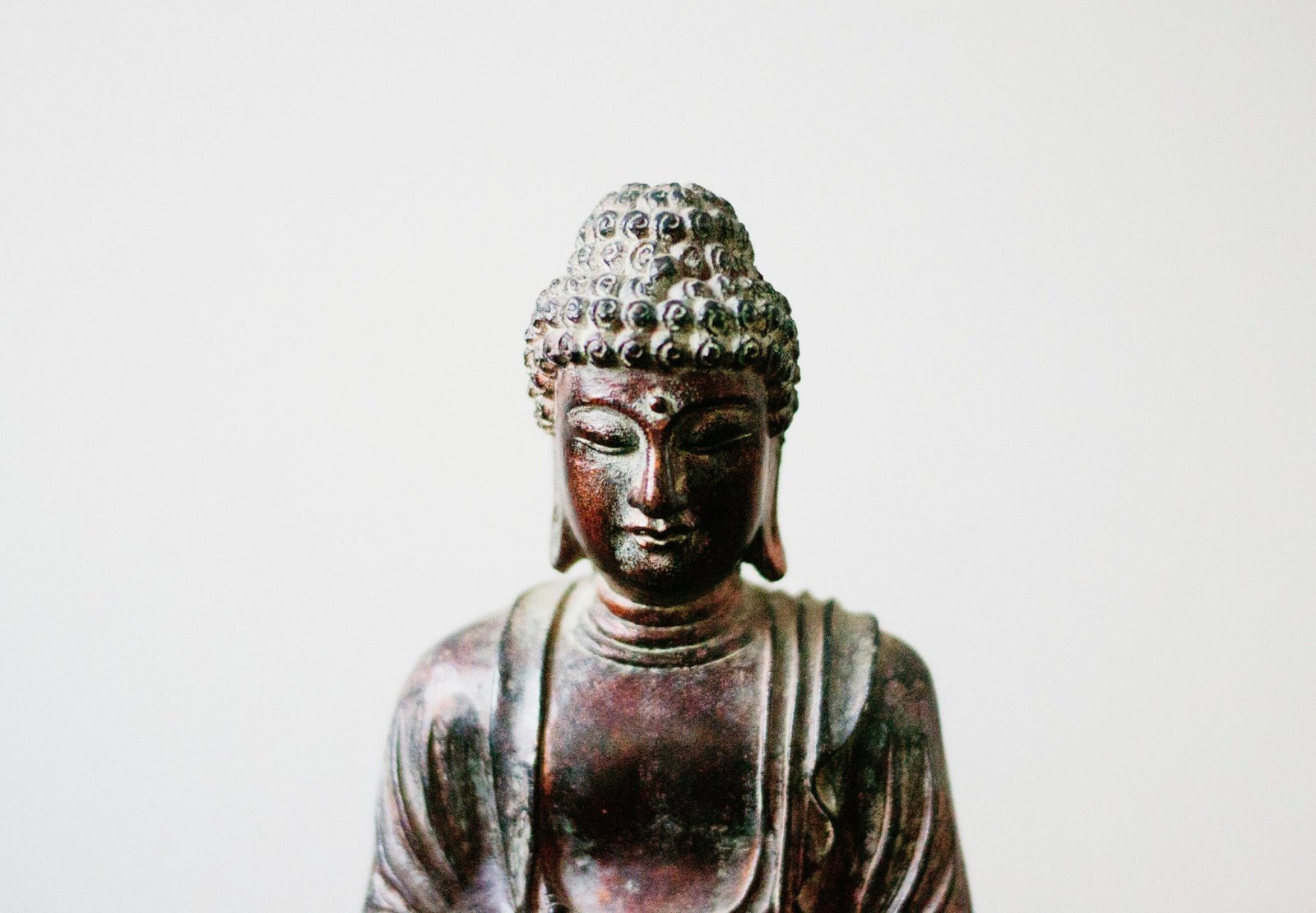
The debate of spirituality vs religion has existed for centuries, yet it remains one of the most important conversations of our time. As more people search for purpose, inner peace, emotional clarity, and a deeper connection with themselves, the distinction between the two becomes even more relevant.
Both spirituality and religion offer paths toward meaning—but they are not the same. Understanding their differences can help you choose the journey that aligns best with your heart, your identity, and your life goals.
In today’s fast-moving world, people are rediscovering spirituality not as an alternative to religion, but as a way to reconnect with themselves and the universe on a personal, intuitive level. Meanwhile, millions continue to benefit from religion’s structured guidance, community, and shared belief system.
This article explores the key differences, surprising similarities, and how embracing either one—or both—can elevate your life.
1. Spirituality Is Personal; Religion Is Collective
The first major difference between spirituality and religion lies in where the journey begins.
Religion provides a structured path followed by a community. It offers:
- Organized beliefs
- Sacred texts
- Rituals and practices
- Moral codes
- Shared traditions
Religion answers questions through established doctrines. It guides people through a system that has existed for generations.
Spirituality, on the other hand, is deeply personal. There is no set handbook or fixed structure. Individuals explore their own truth through:
- Intuition
- Meditation
- Energy practices
- Mindfulness
- Personal experiences
Where religion provides the roadmap, spirituality lets you design your own.
2. Religion Often Looks Upward; Spirituality Turns Inward
Many religions guide individuals to look upward—toward a higher deity, sacred figure, or divine authority. The answers come from a power beyond oneself.
Spirituality focuses on looking inward. Instead of relying on external authority, it encourages:
- Self-awareness
- Inner healing
- Understanding your energy
- Trusting your intuition
- Aligning with your higher self
This inward exploration helps individuals understand their emotions, patterns, and purpose at a deeper level.
3. Spirituality Encourages Questioning; Religion Offers Defined Answers
Religion is built on foundational truths shared by its followers. It answers questions like:
- Who created the universe?
- What is the meaning of life?
- What is right or wrong?
These answers help individuals find clarity and direction.
Spirituality embraces curiosity. It welcomes:
- Questions without definite answers
- Exploration of the unknown
- Personal interpretations
- Multiple possibilities
This openness allows individuals to grow through direct experience rather than doctrine.
4. Religion Builds Community; Spirituality Builds Connection
One of the most beautiful elements of religion is the sense of belonging it offers. People come together through worship, festivals, celebrations, and shared beliefs. This community provides support, accountability, and comfort.
Spirituality builds connection in a different way.
Instead of uniting through shared beliefs, spirituality fosters connection through:
- Higher consciousness
- The universe
- Nature
- Collective energy
- Oneness with all beings
It’s less about group practice and more about universal unity.
5. Spirituality Is Fluid; Religion Is Structured
Religion often has fixed traditions that remain constant across generations—prayers, ceremonies, holidays, and rituals. These structures create stability and continuity.
Spirituality evolves.
There are no strict rules, and the journey can change as you grow. What resonates today may transform tomorrow.
This flexibility makes spirituality feel refreshing for those seeking a more adaptable path.
6. Spirituality Focuses on Experience; Religion Focuses on Faith
Religion encourages faith—even when answers are not immediately visible. Believers trust in the wisdom of their scripture, teachings, or spiritual leaders.
Spirituality encourages direct experience. Individuals seek:
- Signs
- Energy shifts
- Personal breakthroughs
- Emotional awakening
- Moments of clarity
Instead of believing because they are told, spiritual seekers believe because they feel.
7. Spirituality and Religion Can Coexist Harmoniously
The debate of spirituality vs religion often makes it sound like you must choose one. But many people beautifully combine both—finding strength in religion’s traditions while embracing spirituality’s inner freedom.
For example:
- Someone may follow their religion’s rituals while practicing meditation.
- A person may believe in a divine figure while also exploring universal energy.
- Someone may attend religious events but also focus on personal spiritual healing.
Both paths seek the same goal: meaning, peace, and connection. They simply take different routes.
Which Path Is Right for You?
There is no right or wrong answer. The best path is the one that:
- Brings you peace
- Helps you grow
- Strengthens your sense of purpose
- Makes you feel connected
- Encourages compassion
- Elevates your emotional and mental well-being
If structure, community, and tradition resonate with you, religion may be your path.
If freedom, intuition, and personal growth feel right, spirituality may be your calling.
Or perhaps, like many people today, you embrace both in your own unique way.

How Spirituality and Religion Together Can Transform Your Life
When combined, these two paths can become incredibly powerful.
Spirituality builds internal awareness.
Religion builds external discipline.
Together, they help people develop both inner peace and moral strength.
You can meditate for clarity and also practice rituals for grounding.
You can trust your intuition while believing in a higher divine presence.
You can celebrate traditions while exploring universal energy.
The harmony of both worlds creates a richer, more balanced spiritual life.
Final Thoughts: A Journey Toward Inner Peace and Higher Purpose
The conversation around spirituality vs religion is not about choosing sides. It’s about understanding yourself. Both carry wisdom. Both offer pathways to meaning. Both have the power to transform your life—emotionally, mentally, and spiritually.
No matter which path you choose, the real goal is the same:
To live with intention, compassion, peace, and a deeper connection to something greater than yourself.
Your journey is yours alone.
And whichever direction you walk—religion, spirituality, or both—may it lead you to clarity, healing, and a more elevated version of yourself.
Spirituality
Sahil Sachdeva’s Heartfelt Question to Gurudev Sri Sri Ravi Shankar Sparks Viral Inspiration on Social Media


The Timeless Pull of Spirituality
Throughout history, humans have sought meaning beyond material existence. From ancient rituals to modern mindfulness practices, spirituality has remained a constant thread, shaping cultures, values, and worldviews. While every society has carved its unique spiritual path, two broad traditions, Eastern and Western, stand out as defining frameworks for understanding the human spirit. Both are built on centuries of wisdom, yet their methods, philosophies, and practices highlight striking contrasts that continue to influence the world today.
Eastern Spiritual Traditions: Harmony and Inner Awakening
Eastern spiritual traditions, rooted largely in Asia, emphasize the inward journey. Systems like Hinduism, Buddhism, Taoism, and Zen stress meditation, mindfulness, and a sense of oneness with nature and the universe. The focus is not just on worship but on dissolving the ego, finding inner balance, and transcending worldly illusions.
At the heart of these practices lies the idea that life is cyclical, karma and reincarnation shape destiny, and liberation comes from breaking free from that cycle. Eastern thought often embraces silence, contemplation, and energy practices like yoga, tai chi, and pranayama. These methods cultivate patience, presence, and acceptance of impermanence. For many, this pathway is less about dogma and more about self-realization.
Western Spiritual Traditions: Faith, Morality, and Community

On the other side, Western spiritual traditions, deeply influenced by Christianity, Judaism, and later, Islam, have historically emphasized a relationship with a divine creator, guided by scripture and moral codes. Here, the journey is not just inward but also outward: to live by a set of ethical principles, serve others, and establish communities bound by shared faith.
Western spirituality often frames life as linear, with birth, life, death, and eternal salvation or judgment. Rituals such as prayer, sacraments, and worship gatherings create a structured connection to the divine, fostering belonging and discipline. While meditation exists in the West, the emphasis is more on prayer, repentance, and aligning life with divine will. This tradition underscores action, morality, and a sense of duty toward others as a spiritual expression.
Points of Contrast: Inner vs. Outer Worlds

The divergence between Eastern and Western spiritual traditions can be summarized as inward exploration versus outward connection. While the East emphasizes meditation and inner awakening, the West highlights community, faith, and service. Eastern spirituality views divinity as immanent, present within all things, while Western spirituality often sees divinity as transcendent, beyond and above creation.
Another contrast lies in the treatment of suffering. In the East, suffering is seen as an inevitable truth of existence to be transcended through discipline and awareness. In the West, suffering is often framed as a trial of faith, an opportunity to seek divine grace, or a path toward redemption.
The Growing Blend in Modern Times
Interestingly, globalization has blurred these once-rigid boundaries. Today, millions in the West practice yoga, meditation, and mindfulness, while the East increasingly adopts Western traditions of structured worship, church communities, and even motivational-style spirituality. This cultural exchange has birthed a new spiritual landscape, one that values both inner peace and external service.
For example, corporate professionals in New York turn to Buddhist meditation apps before work, while young seekers in Delhi explore biblical wisdom through podcasts and online sermons. The blending of East and West reflects not only curiosity but also a desire for balance, a recognition that both traditions hold answers to life’s deepest questions.
Why These Traditions Still Matter
In an age dominated by technology and distraction, the wisdom of both Eastern and Western traditions is becoming more relevant. Eastern practices teach us to pause, breathe, and connect with our inner world, while Western traditions remind us of the power of community, moral accountability, and faith in something larger than ourselves. Together, they offer a roadmap for a fuller, more balanced human experience.
Level Up Insight
The dialogue between Eastern and Western traditions is not about which is superior, but about how each enriches human understanding in unique ways. The East teaches presence, patience, and inner liberation, while the West emphasizes community, morality, and a purposeful life. In today’s interconnected world, drawing from both paths can create a richer spiritual practice that grounds us internally while inspiring us externally. True growth lies not in choosing one tradition over the other, but in integrating the wisdom of both to navigate modern life with balance, clarity, and purpose.


Spirituality
Building Evangelical Confidence in a Broken World: The Gospel Crusade Led by Pastor Kendra Calico


In a time where distraction is the new default, finding stillness isn’t just a luxury, it’s a necessity. The modern world glorifies hustle, yet the most transformative breakthroughs, whether in business or in life, often happen in silence. Meditation, once a niche practice reserved for monks or yogis, has become a core performance tool for entrepreneurs, athletes, and creatives alike. But beyond the hype and hashtags, what is meditation really doing for us, and why are so many high-level performers swearing by it?
Let’s break it down. Meditation is not about emptying your mind or escaping the real world. It’s about tuning in, to your breath, your body, and your present reality. It trains the mind to observe without judgment, to process without reaction, and to lead without ego. These are no small feats in an era where attention is the currency and overstimulation is the baseline.
At its core, meditation enhances awareness. It sharpens your focus like a blade and builds mental endurance in the same way the gym builds muscle. Just ten to twenty minutes of consistent mindfulness practice can rewire the brain, strengthening the prefrontal cortex (responsible for decision-making and emotional regulation) while reducing the overactivity of the amygdala (our fear and stress center). This isn’t philosophy, it’s neuroscience.

And yet, the benefits go even deeper. Meditation cultivates clarity. When you stop reacting impulsively to every thought, notification, or opinion, you start seeing things as they are, not through the fog of bias or emotional charge. This clarity translates into better decisions, deeper relationships, and a quieter, more confident self. You begin to respond instead of react. You pause before you post. You think before you speak. In today’s chaotic information economy, that’s a superpower.
Mindfulness also impacts physical health. Chronic stress, our ever-present modern affliction, has been linked to inflammation, weakened immunity, and heart disease. Meditation has been shown to lower cortisol levels, improve sleep, and even slow biological aging. It’s not a magic pill, but it might be the closest thing to one. The more we learn about the gut-brain connection, the more evident it becomes that our internal state drives everything, from our cravings to our creativity.
But beyond brain scans and biomarkers lies something more profound: peace. Not the kind of peace that comes from checking out or numbing out, but the kind that comes from checking in. Meditation reconnects us with what matters. It reminds us that we are not our stress, our schedule, or our stats. In a world that wants us constantly tuned in, mindfulness invites us to tune into ourselves.
And no, you don’t have to sit cross-legged in silence for hours. Mindfulness can take many forms. A few deep breaths before a high-stakes meeting. A walk without your phone. Journaling your thoughts without editing them. Even sipping coffee slowly, with full attention. The practice is simple, but the shift is seismic.
For entrepreneurs and creators, this shift is game-changing. Instead of being reactive, driven by deadlines, market swings, or algorithm changes, they become proactive. Grounded. Strategic. They learn to lead from a place of clarity, not chaos. Many credit their biggest ideas and boldest pivots to moments of stillness, not spreadsheets.
The ROI on mindfulness isn’t just personal, it’s professional. Leaders who meditate report higher resilience, better decision-making, and more authentic leadership. Teams led by mindful individuals are more innovative and collaborative. Why? Because presence is contagious. When you’re grounded, your energy invites others to be too. That’s how movements start, from the inside out.
Of course, like any transformation, it’s not instant. Meditation is a practice, not a one-time fix. Some days it will feel effortless. Other days it’ll feel like a mental wrestling match. But over time, the benefits compound. You begin to notice the space between stimulus and response. You begin to notice yourself, who you are when the noise fades and the mind quiets.
This isn’t about perfection. It’s about presence. About living your life instead of racing through it. About listening more than reacting. About seeing the world, not through a screen or a scroll, but through your own eyes, in real-time. That’s what mindfulness delivers. And in a distracted world, that’s a radical act.
Meditation isn’t just for wellness retreats or spiritual seekers anymore. It’s for anyone who wants to lead with more intention, create with more clarity, and live with more depth. Whether you’re building a business, navigating a career pivot, or just trying to stay sane in a noisy world, this practice belongs to you. It’s free. It’s simple. And it works.
If you’re new to it, start small. One minute. One breath. One moment. That’s enough. Build from there. Use tools like breathing exercises, body scans, or guided meditations. Track how you feel, not just during the practice, but throughout your day. You’ll likely notice you’re less reactive, more present, and strangely… happier.
Because here’s the real flex: inner peace. When you’re calm in the chaos, focused in the noise, and grounded in yourself, no external metric can shake you. That’s the level-up mindset. That’s where real influence is born.
Level Up Insight:
While the world celebrates outward success, follower counts, funding rounds, and fast wins—the next era of leadership is being shaped by those who are inwardly dialed-in. Meditation isn’t just a personal wellness hack, it’s a professional power tool. The future belongs to those who can sit still, think clearly, and act decisively. As attention becomes the new economy, those who master their mind will master the market.
So whether you’re scaling a startup or simply seeking sanity, take this as your sign: the next big breakthrough starts with one deep breath.

Some of life’s most powerful moments are also the most quiet. They happen not with fireworks but with intention, when we decide to return to ourselves. When you pause, breathe, reflect, or simply sit in silence, you’re making a spiritual choice. You’re choosing presence over performance, purpose over perfection. This is where true transformation begins.
Committing to a spiritual life doesn’t require grand gestures or dramatic shifts. It’s about the small, consistent decisions you make daily. Each time you step onto a mat, sit in stillness, read something sacred, or show up in service, you cross a personal threshold, one that leads to deeper connection with yourself and the world.
These thresholds aren’t fixed or finite. They evolve with you. You’ll cross them many times, sometimes with clarity, sometimes with confusion. And with each crossing, you shed a layer of old beliefs. You let go of the idea that you have to be perfect or ‘ready’ to begin again. You begin to understand that your worth isn’t defined by how often you show up, but by your willingness to return when you drift away.
Spirituality isn’t a destination, it’s a direction. And each step you take is enough.
For some, that step might mean showing up to a yoga class. For others, it might mean joining a workshop or exploring teacher training. It can be a simple decision to stop doubting your potential and just begin. Fear, uncertainty, and self-doubt are natural companions on this path. But so is courage. And that’s what spiritual commitment is: an act of courage.

Every time you cross into a deeper version of yourself, you say “yes” to growth. You say “yes” to honoring who you are becoming. This doesn’t always feel comfortable. Change never does. But the discomfort you feel is often the signal that transformation is happening.
Crossing that threshold often invites questions. What are you leaving behind? Old habits, limiting beliefs, people-pleasing, or guilt? What are you taking with you? Compassion, resilience, trust, and the intention to live with awareness? The answers might come through quiet moments or deep reflection. They might come through tears, laughter, or even silence. But they will come, if you’re willing to listen.
And with change comes grief. You may grieve parts of your past self, identities you once held, or comforts you’ve outgrown. That’s okay. Grieving is part of healing. Acknowledging what you’re releasing helps you create space for what’s new to arrive.
Living a spiritual life is about choice. A choice to replace judgment with forgiveness. To exchange distraction for presence. To choose a quiet conversation over a loud opinion. These choices may seem small, but they carry immense power.
The shift doesn’t always need to be dramatic. Sometimes, it’s as subtle as deciding to meditate instead of scrolling your phone. Choosing self-care over mindless entertainment. Or sitting with your thoughts instead of numbing them.
The beauty of spirituality is that it’s deeply personal. There’s no one right way. For one person, it might mean booking a solo trip to reconnect with their roots. For another, it could mean reading ancient philosophy, lighting a candle, or sitting quietly with a friend. The form it takes doesn’t matter. The intention behind it does.
Your path won’t look like anyone else’s, and it shouldn’t. Because your story, your pain, your healing, your joy, your heritage, and your voice are unique. Spirituality, at its core, invites you to honor all of that.
It’s also important to deconstruct old narratives that may have limited your access to spirituality. Whether it’s cultural expectations, social norms, or inherited beliefs that told you you’re not enough, part of the journey is unlearning them. Reclaiming your right to connect with your spiritual self, on your own terms.
You don’t need permission to live a spiritual life. You only need your breath, your presence, and the willingness to come back, again and again.
One practical way to ritualize this threshold is by creating your own “crossing” ceremony. Lay a stick, draw a line, or roll out a yoga mat to symbolize a threshold. Stand on one side and reflect. What part of yourself are you leaving behind? What are you stepping into? Let this moment be yours. Cry, dance, journal, move, or sit in stillness. When you’re ready, cross.
On the other side, pause. Who are you now? What do you feel? This small but symbolic act reminds you that transformation isn’t somewhere far away, it’s always available, right here, in the now.
Remember, you don’t have to go far to reconnect with your essence. Sometimes, all it takes is one breath. As one student wisely said, “The only thing yoga asks me to do is breathe. When I connect my breath to intention, shame and self-judgment fall away. That’s where joy lives.”
And that’s the heart of it all: Joy. Not the loud, performative kind. But the kind that rises quietly, from within, when you stop trying to prove and start allowing yourself to simply be.
Level Up Insight
Spiritual living isn’t about perfection, it’s about returning. Returning to your breath, your body, your truth. Whether through daily practices, quiet reflection, or intentional decisions, you have the power to cross the threshold every single day. You are worthy now, not someday, not when, but now.

-

 Health5 years ago
Eva Savagiou Finally Breaks Her Silence About Online Bullying On TikTok
-

 Health4 years ago
Traumatone Returns With A New EP – Hereafter
-

 Health5 years ago
Top 5 Influencers Accounts To Watch In 2022
-

 Business7 months ago
How to Get Published in Vogue: The Ultimate Guide for Aspiring Creators
-

 Fashion5 years ago
The Tattoo Heretic: Kirby van Beek’s Idea Of Shadow And Bone
-

 Fashion5 years ago
Natalie Schramboeck – Influencing People Through A Cultural Touch
-

 Fashion9 years ago
9 Celebrities who have spoken out about being photoshopped
-

 Health5 years ago
Brooke Casey Inspiring People Through Her Message With Music
-

 Health5 years ago
Top 12 Rising Artists To Watch In 2021
-

 Business3 years ago
See How The Nations Are Grappling with the Unpredictable Dangers of AI