Connect with us

Business

American Fast Fashion Brand Forever 21: Plans To Return To China Soon

Published

on

Forever21

Forever 21 had filed for bankruptcy in September 2019 and is now to return with a new strategy.


A post on the company’s official Weibo account stated that the American fast-fashion brand Forever 21 plans to return to China after leaving in 2019. The company has now allowed Lasonic Limited Xusheng Co. Ltd and its subsidiaries Xusheng Electrical (Shenzhen) Co. Ltd to handle the brand’s Asian business. The brand is currently available on some electronic retail platforms such as Vipshop and Pinduoduo in China. Moreover, the company also mentioned that it plans to open new stores across China and strategically market its products through China’s e-commerce channels.


The company has left China three times till now. The latest comeback is Forever 21’s third entry into China was after opening a store in Changshu back in 2008, which closed within a year.  The brand returned in 2011 and operated 11 stores around China by the time it announced its withdrawal in 2019 when it filed for bankruptcy in September 2019 and was acquired by global brand development, marketing, and entertainment company Authentic Brands Group (ABG) in February 2020.


The Reason For Failure In China

Forever 21′s failure in China has been largely attributed to its negligence and slow approach to expansion and a digital marketing strategy that left it less visible to young consumers than its high street competitors. Again, a perfect example of why brands need to reach the right audience and how the right agencies can help you with it. Rather than opting for the kick-ass digital marketing and branding strategy, the company trusted its retail strategy that focussed on huge stores in China’s most expensive shopping streets. It required a major capital investment that proved difficult to recoup.


The Brand Story 

It began when Forever 21’s founders, two Korean immigrants, Do Won Chang and his wife, Jin Sook Chang, founded the first Forever 21 store in Los Angeles, California in 1984. Before opening their first store, Do Won Chang worked as a janitor at a gas station and a coffee shop hard to make ends meet. They started the chain with an aim of providing fashionable pieces at more than reasonable prices, to the kids and teens. In their first year, the company raked in USD 700,000 in sales. Now it operates over 790 stores, selling men’s and women’s clothing across the U.S, Canada, Europe, Africa, Oceania, and across Asia.

Sahil Sachdeva is an International award-winning serial entrepreneur and founder of Level Up PR. With an unmatched reputation in the PR industry, Sahil builds elite personal brands by securing placements in top-tier press, podcasts, and TV to increase brand exposure, revenue growth, and talent retention. His charismatic and results-driven approach has made him a go-to expert for businesses looking to take their branding to the next level.

Continue Reading
Click to comment

Leave a Reply

Your email address will not be published. Required fields are marked *

Business

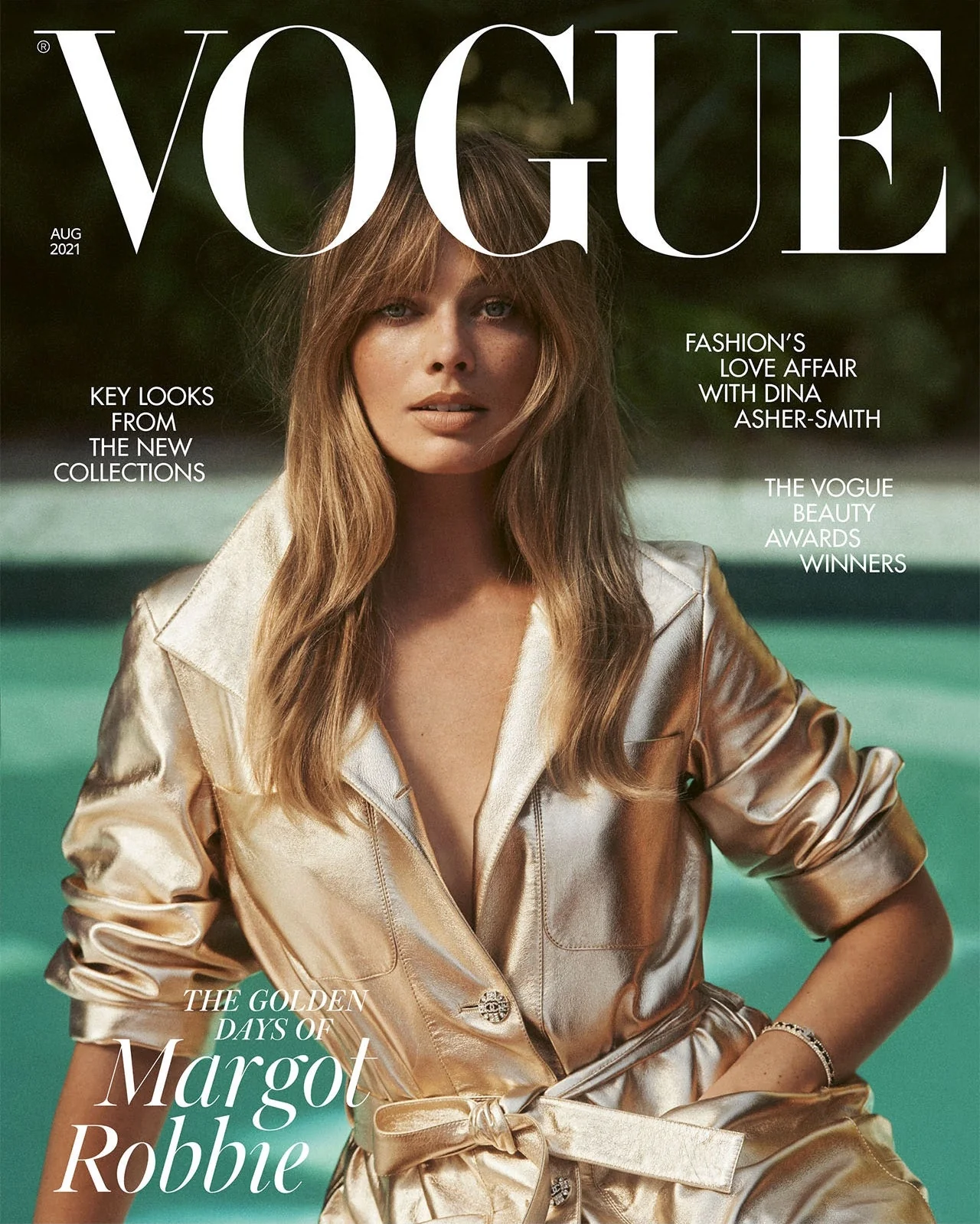
How to Get Published in Vogue: The Ultimate Guide for Aspiring Creators

Published

on

get published in Vogue

If you’ve ever dreamed of seeing your work featured in one of the world’s most prestigious fashion magazines, you’re not alone. Many creatives—writers, photographers, stylists, and designers—aspire to get published in Vogue. But turning that dream into reality requires more than just talent. It demands strategy, consistency, and a clear understanding of how the industry works.

In this guide, we’ll break down everything you need to know to get published in Vogue successfully, while keeping the process practical, achievable, and tailored for modern creators.

Why Getting Published in Vogue Matters

To get published in Vogue is to earn global recognition. It’s not just about prestige—it’s about credibility, exposure, and access to elite industry networks.

Here’s why it matters:

  • Global visibility: Your work reaches millions of readers worldwide
  • Career boost: Opens doors to collaborations and high-end clients
  • Authority: Establishes you as a serious professional in your niche

Understand Vogue’s Editorial Style

Before you even think about submitting your work, you need to understand what Vogue looks for.

Key characteristics:

  • High-fashion, editorial-quality visuals
  • Strong storytelling and unique perspectives
  • Cultural relevance and trend awareness
  • Clean, sophisticated presentation

Spend time studying recent issues, both print and digital. Notice the tone, themes, and visual aesthetics. This insight is crucial if you want to get published in Vogue.

Build a Strong Portfolio

Your portfolio is your ticket in. Whether you’re a writer, photographer, or stylist, your work must reflect excellence.

Tips to strengthen your portfolio:

  • Focus on quality over quantity
  • Showcase your unique voice or style
  • Include editorial-style work (not just commercial projects)
  • Keep it updated and visually appealing

A polished portfolio significantly increases your chances to get published in Vogue.

Create Editorial-Worthy Content

Vogue doesn’t just publish random submissions—it curates stories. Your work needs to feel like it belongs in a magazine spread.

What works well:

  • Fashion editorials with a clear theme
  • Cultural or socially relevant narratives
  • Innovative styling and concepts
  • High-quality photography and design

Think beyond basic ideas. Creativity and originality are key if you want to stand out.

Collaborate with Industry Professionals

Fashion is a collaborative industry. Working with the right people can elevate your work dramatically.

Consider collaborating with:

  • Makeup artists
  • Fashion stylists
  • Models and agencies
  • Creative directors

Strong collaborations often lead to stronger submissions—and better chances to get published in Vogue.

Submit Through the Right Channels

Many people don’t realize that Vogue has multiple editions and submission routes.

Where to submit:

  • Vogue’s official website (depending on region)
  • Editorial contacts and submissions emails
  • Industry platforms like PR agencies or fashion networks

Make sure your submission:

  • Is professionally formatted
  • Includes a clear concept and credits
  • Has high-resolution files

Leverage Digital Platforms

In today’s digital age, your online presence matters just as much as your portfolio.

Build your presence on:

  • Instagram (for visual storytelling)
  • Personal website or portfolio platform
  • LinkedIn (for professional networking)

Editors often discover talent online. A strong digital presence can help you get published in Vogue without traditional gatekeeping.

Stay Consistent and Patient

Getting published in Vogue rarely happens overnight. Rejections are part of the process.

Keep in mind:

  • Improve your work continuously
  • Learn from feedback
  • Stay consistent with submissions
  • Keep evolving with trends

Persistence is often what separates successful creatives from the rest.

Final Thoughts

To get published in Vogue is a dream that’s absolutely achievable with the right approach. Focus on building a strong portfolio, creating standout editorial content, and networking within the industry. Stay patient, keep refining your craft, and most importantly—stay authentic to your creative voice.

Success in fashion publishing isn’t just about being seen—it’s about being remembered.

Frequently Asked Questions (FAQ)

1. How can I get published in Vogue as a beginner?

Start by building a strong portfolio, collaborating with creatives, and creating editorial-style content. Beginners can get published in Vogue by consistently improving and submitting high-quality work.

2. Do I need connections to get published in Vogue?

Connections help, but they are not mandatory. Many creatives get published in Vogue through strong portfolios and online visibility.

3. What type of content does Vogue accept?

Vogue mainly publishes fashion editorials, cultural stories, beauty content, and high-end photography.

4. Is it free to submit work to Vogue?

In most cases, yes. However, always check the official submission guidelines of the specific Vogue edition.

5. How long does it take to get published in Vogue?

It varies. Some creatives take months or even years to develop. Consistency and quality are key factors.

Continue Reading

Business

How to Get Published in Variety: A Complete Guide for Writers and Creators

Published

on

get published in Variety

Are you a writer, journalist, or content creator looking to elevate your career? One of the most prestigious milestones you can achieve is to get published in Variety. Variety is a globally recognized entertainment magazine that covers movies, television, theater, music, and more. Being featured in such a reputable publication not only boosts your credibility but also opens doors to new professional opportunities.

In this guide, we will explore practical strategies, tips, and insider advice to help you successfully get published in Variety.


Why You Should Aim to Get Published in Variety

Getting published in a leading industry publication like Variety can transform your career in multiple ways:

  1. Credibility and Recognition: A byline in Variety instantly establishes you as a credible voice in the entertainment industry.
  2. Networking Opportunities: Being featured allows you to connect with industry leaders, producers, and fellow journalists.
  3. Portfolio Enhancement: High-quality publications like Variety enhance your professional portfolio, which is especially valuable for freelance writers and journalists.
  4. Career Growth: Exposure in Variety can lead to job offers, collaborations, or invitations to industry events.

With these benefits, it’s clear why aspiring writers and industry professionals prioritize the goal to get published in Variety.


Understanding Variety’s Audience and Style

Before submitting your article, it’s essential to understand the magazine’s audience and editorial style:

  • Audience: Variety’s readers are primarily professionals in the entertainment industry, including producers, directors, actors, and media analysts.
  • Content Style: Articles are fact-driven, insightful, and often provide industry analysis. Variety values originality, authority, and a clear, professional tone.
  • Types of Content: News articles, features, opinion pieces, reviews, and industry analysis are all common formats in Variety.

By understanding these aspects, you can tailor your pitch and writing style to match Variety’s expectations, increasing your chances to get published in Variety.


Step 1: Develop a Unique Angle

To stand out, you need a unique angle that adds value to Variety’s readership. Consider these tips:

  1. Industry Insights: Share lesser-known facts, emerging trends, or data-driven analysis in entertainment.
  2. Exclusive Stories: Pitch stories that Variety hasn’t covered or that provide a fresh perspective.
  3. Expert Opinions: Offer commentary on industry events, box office trends, or creative processes in filmmaking or TV production.

A strong, unique angle is your first step to successfully get published in Variety.


Step 2: Build Your Writing Portfolio

Editors at Variety are more likely to consider writers who have a solid track record. Before pitching:

  • Write Regularly: Contribute articles to blogs, magazines, or industry publications.
  • Focus on Quality: Ensure your work is well-researched, error-free, and engaging.
  • Showcase Versatility: Highlight your ability to write news articles, features, reviews, and opinion pieces.

A robust portfolio demonstrates your capability and makes your pitch more persuasive, increasing your chances to get published in Variety.


Step 3: Craft a Compelling Pitch

A pitch is your chance to grab the editor’s attention. A successful pitch should include:

  1. A Clear Subject Line: Summarize your story idea in one line.
  2. Why It Matters: Explain why your story is relevant to Variety’s audience.
  3. Your Credentials: Briefly mention your experience or expertise.
  4. Proposed Structure: Give a short overview of your article’s format and key points.

Remember, editors receive dozens of pitches daily. A concise, compelling pitch significantly improves your likelihood to get published in Variety.


Step 4: Follow Submission Guidelines

Variety has specific submission guidelines, so following them is crucial:

  • Check the Website: Visit Variety’s “Contact” or “Submissions” page to review current guidelines.
  • Format Properly: Use clear headings, subheadings, and standard fonts. Include sources and references.
  • Adhere to Word Limits: Respect any specified word count to demonstrate professionalism.

By adhering to these guidelines, you show editors that you understand their expectations, which is key to getting published in Variety.


Step 5: Network Within the Industry

Networking can significantly improve your chances:

  • Attend Industry Events: Film festivals, press events, and panels are excellent opportunities to meet editors.
  • Engage on Social Media: Follow Variety editors on platforms like LinkedIn and Twitter. Engage respectfully with their content.
  • Build Relationships: Genuine professional relationships often lead to invitations for contributions.

Networking provides insider access that can help you get published in Variety faster than cold submissions alone.


Step 6: Be Persistent and Patient

Getting published in a prestigious magazine like Variety often takes time. Tips to stay on track:

  • Expect Rejections: Even experienced writers face rejections. Use feedback to improve.
  • Keep Pitching: Continually pitch fresh ideas and refine your approach.
  • Stay Updated: Follow entertainment trends to pitch timely and relevant stories.

Persistence is essential if your goal is to consistently get published in Variety.


Bonus Tips to Increase Your Chances

  • Follow Variety Closely: Read the magazine regularly to understand trending topics and editorial preferences.
  • Leverage Personal Stories: Unique experiences or insights from your career can add authenticity.
  • Maintain Professionalism: Clear communication and meeting deadlines are essential when dealing with editors.
  • Highlight Data and Sources: Back your arguments with credible information to establish authority.

These small but impactful strategies can set you apart from other contributors vying to get published in Variety.


Conclusion

Getting your work featured in Variety is a prestigious achievement that can elevate your career as a writer, journalist, or content creator. By understanding Variety’s audience, crafting compelling pitches, building a strong portfolio, networking strategically, and remaining persistent, you significantly improve your chances to get published in Variety.

Remember, success doesn’t happen overnight. Every pitch and every article you write brings you one step closer to seeing your byline in one of the world’s most influential entertainment publications. Start today, and turn your aspiration to get published in Variety into reality.

Continue Reading

Business

The “Volume Knob” Trick That Finally Tamed My Anger

Published

on

ChatGPT Image Mar 23, 2026, 07_47_01 PM

“Neurologists suggest that every time you choose not to act on your anger, you’re rewiring your brain for greater calm and compassion.” ~ Adapted from popular neuroscience insights

One of the most profound changes mindfulness has brought to my life is the way I now handle anger.

People who meet me today would never imagine how much rage once controlled me. I sometimes wish newcomers could glimpse the “old me”—to truly appreciate the transformation. If they saw how mindfulness turned an irritable, world-hating person into someone who’s now easygoing, joyful, and fun to be around, I believe more would embrace the practice.

My mindfulness journey taught me to notice anger as it builds in my mind and body. I call this the “volume knob” of anger—catching it early before it blasts at full volume—and I’ll explain that more soon.

But first, here’s a glimpse of my past to show the distance I’ve traveled through mindfulness.

Growing Up with an Alcoholic Parent

I was raised by a mother who struggled with alcoholism, which left me with deep emotional wounds—chief among them, intense anger.

I couldn’t fathom why she wouldn’t quit drinking for my sake. In my young mind, real love meant stopping for me, but she couldn’t. She finally got sober when I was 20, but the damage from two decades of resentment lingered.

That anger didn’t stay directed only at her. It spilled over to the world. Looking back, it feels almost absurd now: I resented kids with stable, caring parents who provided not just material things but genuine love and attention—things my home life lacked.

Living in Constant Anger

Constant anger drained me, yet it was my default mode. I lashed out at anyone in my path.

I avoided most physical fights, but my words were sharp and poisonous. I wounded many people—friends, partners, anyone close—by saying the cruelest things I could muster, then drowned in guilt afterward. In relationships, I blamed every woman I dated, but reflection shows how toxic my behavior truly was.

Around age 18, I became an alcoholic and drug addict myself. Thankfully, I got sober on my 27th birthday in 2012.

In recovery programs, they teach that resentments often fuel addiction—something I deeply related to. Making amends helped me forgive myself somewhat, though I’m not always a fan of that step.

Sobriety didn’t instantly make me enlightened. Anger still simmered; I remained reactive rather than responsive. Poor reactions forced me to apologize repeatedly. I needed a way to catch anger before it erupted—that’s when mindfulness entered my life.

Mindfulness as My Anger Tool

I discovered mindfulness three years into sobriety. My anger had lessened, but it persisted. Knowing I had more growth ahead, I tried meditation.

From the start, I sensed its power, though I didn’t yet see how directly it would tackle my anger. I love mindfulness because it offers informal practices: mindful walking, listening, even speaking. These wove awareness into daily life.

I realized I only noticed anger when it was about to explode—after it had built unchecked. Missing early signs meant I couldn’t intervene before regretful reactions.

Through practice, I identified key triggers:

  • Feeling disrespected
  • Being lied to
  • Being condescended to
  • Unfair treatment
  • Lack of credit or appreciation

The “volume knob” metaphor captures it perfectly: mindfulness lets me spot anger at level 1 or 2 instead of 9 or 10. At high volume, anger controls me; early detection puts me back in charge.

Daily awareness helps me meet rising anger with curiosity and compassion rather than judgment. When I feel that first spark, I pause, breathe, and ask curiously: “Interesting—why this reaction now?”

This clears mental clutter, revealing anger often stems from uncontrollable factors or old beliefs unrelated to the present situation. Many times, it’s rooted in rigid, closed-minded thinking.

A Simple Mindful Communication Practice

  • Try mindful communication: stay fully present in conversations, tuning into your own body and mind while listening.
  • Start with someone mildly challenging—not highly triggering—like a coworker or distant relative. (Or practice with social media or news if that’s easier.)
  • Notice rising emotions and physical sensations. Pinpoint what triggered them and where you feel it in your body.
  • Instead of judging, get curious—like a child discovering something new. Approach your reactions with fascination, without labeling them good or bad. This curiosity diffuses the emotion’s grip.

The key benefit? It creates a pause. Pausing lets you respond thoughtfully instead of reacting impulsively. Reactions come from the primitive brain and often lead to regret; responses come from wisdom.

This takes consistent practice, but over time, you’ll look back on old triggers and marvel at your calm. Today, my anger is well-managed—though it’s ongoing work—and I rarely regret knee-jerk decisions.

As I shared early on, I wish more people understood mindfulness’s transformative power. Seeing senseless anger-fueled violence—abuse, fights, even worse—reminds me how much kinder the world could be if more embraced this tool.

My goal is to live as proof: showing through daily responses to challenges that mindfulness works. If my story inspires even one person to try it, that’s enough.

Continue Reading

Business

Get Featured in Forbes Magazine: A Human-Friendly Guide to Making It Happen

Published

on

get Featured in Forbes Magazine

If you’ve ever dreamed of seeing your name or business in a world-renowned publication, you’re not alone. Many entrepreneurs, creators, and professionals want to get featured in Forbes magazine—and for good reason. It’s not just about prestige; it’s about credibility, visibility, and real growth.

But here’s the truth: getting featured isn’t about luck. It’s about telling the right story, in the right way, to the right people.

Let’s break it down in a simple, human-friendly way.


Why Everyone Wants to Get Featured in Forbes Magazine

Being featured in Forbes can instantly elevate your brand. It tells the world, “This person or business is worth paying attention to.”

Here’s what it can do for you:

  • Build trust with your audience
  • Open doors to partnerships and investors
  • Increase your online visibility
  • Strengthen your personal brand

In short, when you get featured in Forbes magazine, people take you seriously.


Step 1: Focus on Your Story (Not Just Success)

A common mistake people make is thinking they need to be ultra-successful first.

In reality, Forbes looks for stories, not just achievements.

Ask yourself:

  • What problem am I solving?
  • What challenges have I overcome?
  • What makes my journey different?

Your story should feel real, relatable, and inspiring. That’s what grabs attention.


Step 2: Build Your Online Presence

Before you get featured in Forbes magazine, you need to exist online in a meaningful way.

Start with:

  • A professional website
  • Active social media profiles
  • Thoughtful content (blogs, posts, or videos)

When someone Googles you, they should see consistency and credibility.


Step 3: Share Valuable Content Regularly

Think of content as your voice.

You don’t need to be perfect—just be helpful and consistent.

Some ideas:

  • Share tips from your industry
  • Write about your experiences
  • Offer solutions to common problems

Over time, this builds authority and increases your chances to get featured in Forbes magazine.


Step 4: Connect with the Right People

Forbes has many contributors, and they’re always looking for interesting stories.

Instead of cold pitching randomly:

  • Follow contributors on LinkedIn or Twitter
  • Engage with their content
  • Build genuine relationships

People are more likely to feature someone they recognize and trust.


Step 5: Pitch Smart, Not Hard

When you’re ready, send a pitch—but keep it simple and human.

A good pitch should:

  • Be short and clear
  • Highlight what makes your story unique
  • Explain why it matters now

Avoid sounding robotic or overly promotional. Just be real.


Step 6: Start Small and Build Up

You don’t have to jump straight into Forbes.

Try this path:

  • Get featured in smaller blogs
  • Write guest posts
  • Participate in interviews or podcasts

These steps build your credibility and make it easier to get featured in Forbes magazine later.


Step 7: Stay Consistent and Patient

This is where most people give up.

Getting featured doesn’t happen overnight. It takes time, effort, and consistency.

Keep showing up.
Keep sharing your story.
Keep improving your visibility.


Common Mistakes to Avoid

If you’re serious about wanting to get featured in Forbes magazine, avoid these:

  • Sending copy-paste pitches
  • Exaggerating your achievements
  • Ignoring your personal brand
  • Giving up too early

Authenticity always wins in the long run.


Final Thoughts

At the end of the day, getting featured in Forbes isn’t reserved for celebrities or billionaires. It’s for people with meaningful stories, real impact, and a willingness to show up consistently.

If you focus on building your brand, sharing value, and connecting with the right audience, you absolutely can get featured in Forbes magazine.

Start where you are. Use what you have. And keep going.


FAQs

Q: Can I directly contact Forbes to get featured?
No, you typically can’t pitch directly to Forbes as a whole. Instead, you need to connect with individual contributors, journalists, or editors who write for Forbes.


Q: Do I need to be famous to get featured in Forbes magazine?
Not at all. You don’t need to be famous—you just need a unique, valuable, or newsworthy story that resonates with readers.


Q: What type of content does Forbes usually publish?
Forbes publishes content related to business, entrepreneurship, leadership, innovation, finance, and personal growth. Your story should align with one of these areas.


Q: Can startups get featured in Forbes magazine?
Yes, startups can absolutely get featured—especially if they are innovative, solving real problems, or showing strong growth potential.


Q: Is it possible to contribute articles to Forbes?
Yes, but usually through invitation-only programs like contributor networks or councils. Building authority in your niche increases your chances.


Q: How important is social media to get featured in Forbes magazine?
Social media plays a big role. A strong and active presence helps establish credibility and makes you more visible to journalists and contributors.

Continue Reading

Business

Get Featured in TechCrunch: How Founder Branding Can Unlock Media Coverage

Published

on

Get Featured in TechCrunch

In today’s competitive startup ecosystem, products alone don’t get attention—people do. One of the most overlooked strategies to get featured in TechCrunch is not just promoting your company, but building a strong founder brand that journalists want to write about.

TechCrunch isn’t just interested in businesses; it tells stories about innovation, disruption, and the people behind them. If you position yourself as a thought leader and compelling storyteller, your chances of getting featured increase dramatically.

This guide explores how founder branding can help you stand out and earn media coverage in top-tier publications.

Why Founder Branding Matters for Media Coverage

Many startups struggle to gain press because they focus only on product features or announcements. However, journalists are drawn to human stories—the vision, struggles, and insights behind a company.

To successfully get featured in TechCrunch, your personal brand should:

  • Reflect authority in your industry

  • Offer unique insights or opinions

  • Show authenticity and a clear mission

  • Demonstrate leadership and innovation

When founders become recognizable voices, media coverage follows naturally.

What Makes a Founder Newsworthy?

Before you can get featured in TechCrunch, you need to understand what makes a founder interesting enough to cover.

1. A Unique Backstory

Did you overcome challenges, pivot from failure, or build something unconventional? Stories that inspire or surprise often attract media attention.

2. Strong Industry Perspective

Founders who share bold or insightful opinions on trends, technology, or market shifts are more likely to be quoted or featured.

3. Tangible Impact

Journalists look for founders whose work is making a real difference—whether through innovation, growth, or social impact.

4. Consistency in Messaging

Your story should be clear and consistent across platforms, from your website to social media profiles.

How to Build a Founder Brand That Attracts TechCrunch

If your goal is to get featured in TechCrunch, building your personal brand should be a priority. Here’s how to do it effectively:

1. Define Your Narrative

Start by answering key questions:

  • Why did you start your company?

  • What problem are you solving?

  • What makes your journey different?

Your narrative should be simple, authentic, and easy to communicate. Journalists need a story they can quickly understand and share.

2. Create High-Value Content

Consistently sharing valuable content helps position you as a thought leader.

You can publish:

  • LinkedIn articles

  • Blog posts

  • Industry insights

  • Case studies

When your content gains traction, it increases your visibility and credibility—two key factors to get featured in TechCrunch.

3. Be Active on Social Media

Journalists often discover founders through platforms like LinkedIn and Twitter (X).

To stand out:

  • Share opinions on trending topics

  • Engage with industry discussions

  • Comment on relevant news

  • Highlight your startup journey

Consistency builds recognition over time.

4. Speak at Events and Podcasts

Public speaking is a powerful way to build authority. Participating in webinars, podcasts, and industry events can amplify your voice.

Media outlets often look for founders who are already visible and credible in their space.

5. Build Relationships with Journalists

Instead of only pitching when you need coverage, build genuine connections.

You can:

  • Follow journalists and engage with their content

  • Share their articles

  • Provide useful insights or data

When the time comes to pitch, your name will already be familiar.

Turning Your Personal Brand into a TechCrunch Feature

Once your founder brand is established, the next step is leveraging it to get featured in TechCrunch.

1. Tie Your Story to a Bigger Trend

TechCrunch often covers trends rather than isolated stories. Connect your journey to a larger movement, such as AI innovation, fintech disruption, or sustainability.

2. Offer Exclusive Insights

Provide data, unique perspectives, or insider knowledge that journalists can’t easily find elsewhere.

3. Combine Story + Data

A compelling narrative backed by real numbers (growth, funding, users) makes your story more credible and attractive.

4. Position Yourself as an Expert Source

Even if your company isn’t featured immediately, you can be quoted in articles as an industry expert. This builds visibility over time.

Examples of Founder-Led Media Angles

Here are some story angles that increase your chances to get featured in TechCrunch:

  • “How I Built a Startup After Failing Twice”

  • “Why We Pivoted Our Business Model in a Crisis”

  • “The Future of AI According to a Startup Founder”

  • “From Idea to $1M Revenue in 12 Months”

These angles focus on the founder’s journey rather than just the product.

Common Mistakes Founders Make

Even with a strong brand, some mistakes can reduce your chances of getting coverage:

1. Focusing Only on the Product

TechCrunch values stories, not just features.

2. Being Inconsistent

If your messaging changes frequently, it becomes harder for journalists to understand your story.

3. Ignoring Personal Visibility

A hidden founder rarely gets media attention.

4. Overly Polished Messaging

Authenticity often performs better than overly scripted narratives.

Long-Term Strategy to Stay Visible

Getting featured once is great—but staying relevant is even better.

To consistently get featured in TechCrunch or similar publications:

  • Keep sharing insights regularly

  • Stay updated on industry trends

  • Build ongoing relationships with media

  • Continue evolving your story

PR is not a one-time effort—it’s a continuous process.

Final Thoughts

If you want to get featured in TechCrunch, don’t just focus on your startup—focus on yourself as a founder. A strong personal brand can open doors that traditional PR strategies often cannot.

By sharing your story, building authority, and staying visible, you create opportunities for media coverage to come to you rather than chasing it.

In a world where attention is limited, the founders who stand out are the ones who get noticed. And when you get noticed, getting featured becomes a natural next step.

Continue Reading

Business

Get My Instagram Account Back: Solutions for Hacked, Disabled, or Locked Accounts

Published

on

Get My Instagram Account Back

Losing access to your Instagram account can feel like a nightmare. Whether it’s due to a forgotten password, a hacked account, or a temporary block, the frustration is real. If you’ve ever typed Get My Instagram Account Back into a search engine, you’re not alone. Millions of users face this issue every year. The good news? Instagram provides multiple ways to recover your account safely.

In this comprehensive guide, we’ll walk you through every method to regain access, prevent future problems, and secure your account against hackers.


Why Instagram Accounts Get Locked or Lost

Before you try to get my Instagram account back, it’s important to understand why accounts get locked, hacked, or disabled. Knowing the reason will help you choose the most effective recovery method. Common causes include:

  • Forgotten login credentials – Losing your password or username makes it impossible to log in without recovery steps.

  • Hacked account – Cybercriminals can gain unauthorized access through phishing links or leaked passwords.

  • Violation of Instagram guidelines – Posting spam or inappropriate content may lead to temporary or permanent suspension.

  • Suspicious activity – Instagram may lock accounts temporarily if unusual activity is detected.

  • Accidental deactivation – Users sometimes deactivate their accounts unintentionally.

Understanding these reasons is the first step to safely get my Instagram account back.


Step 1: Reset Your Password

The easiest way to get my Instagram account back is by using the “Forgot Password” feature. Follow these steps:

  1. Open the Instagram app or website.

  2. Click “Forgot password?” below the login fields.

  3. Enter your username, email, or phone number linked to the account.

  4. Follow the instructions sent to your email or phone to reset your password.

Tip: Check your spam or promotions folder if you don’t receive Instagram’s email. Avoid weak passwords like “123456” or “password.”


Step 2: Recover a Hacked Account

If you notice unusual activity, such as posts or messages you didn’t create, your account may have been hacked. To get my Instagram account back, follow these steps:

  1. Go to the Instagram login page and select “Need more help?”

  2. Enter your username or email.

  3. Complete the verification process, which may involve receiving a code via email or phone.

  4. If you no longer have access to your email or phone, Instagram may ask you to verify your identity with a photo of your government-issued ID.

Important: Avoid third-party websites claiming instant recovery—they are often scams.


Step 3: Recover a Disabled Account

If Instagram disabled your account due to guideline violations, you can appeal. This is another way to get my Instagram account back:

  1. Log in using your credentials.

  2. Follow the on-screen instructions to submit an appeal.

  3. Provide valid identification if requested (e.g., passport, driver’s license).

  4. Wait for Instagram’s response, which may take several days.

Tip: Be polite and concise when submitting your appeal. Too much unnecessary information may slow down the process.


Step 4: Enable Two-Factor Authentication

After recovering your account, securing it is critical. Two-Factor Authentication (2FA) is an effective way to prevent future issues. Steps to enable 2FA:

  1. Go to Settings → Security → Two-Factor Authentication.

  2. Choose SMS or an authentication app.

  3. Follow the prompts to set up 2FA.

Enabling 2FA significantly reduces the risk of hacks and helps you maintain your access once you get my Instagram account back.


Step 5: Contact Instagram Support

If all else fails, contact Instagram directly to recover your account. This is a reliable method to get my Instagram account back:

  1. Use the “Report a Login Issue” form in the app.

  2. Provide details such as username, email, and last successful login.

  3. Be patient—response times may range from hours to several days.


Additional Tips to Prevent Account Loss

Preventing future issues is just as important as recovery. Here are some tips to ensure you don’t need to repeatedly get my Instagram account back:

  • Keep your email and phone number updated in your Instagram settings.

  • Avoid reusing passwords across multiple accounts.

  • Regularly check account activity via Settings → Security → Login Activity.

  • Be cautious of phishing emails or suspicious links pretending to be Instagram.

  • Backup important Instagram content by saving posts offline or using apps.


Frequently Asked Questions (FAQs)

Q1: How long does it take to get my Instagram account back?
Recovery time depends on the issue. Password resets are usually instant, hacked account recovery may take a few hours, and appeals for disabled accounts can take several days.

Q2: Can Instagram delete my account permanently?
Yes, accounts that violate Instagram’s policies repeatedly may be permanently removed. Always follow community guidelines to avoid this.

Q3: What if I no longer have access to my email or phone?
Instagram allows identity verification via ID or trusted contacts to regain access. Follow the on-screen prompts carefully.

Q4: Is it safe to use third-party tools to recover my account?
No. Third-party tools may compromise your account further. Only use Instagram’s official recovery methods.


Conclusion

If you’re searching “Get My Instagram Account Back”, there’s hope. By following these steps—password reset, account recovery for hacked or disabled accounts, two-factor authentication, and contacting support—you can regain access safely.

Remember, prevention is key. Secure your account with a strong password, 2FA, and vigilance against phishing attempts. With patience and the right approach, your Instagram account can be back in your hands in no time.

Continue Reading

Business

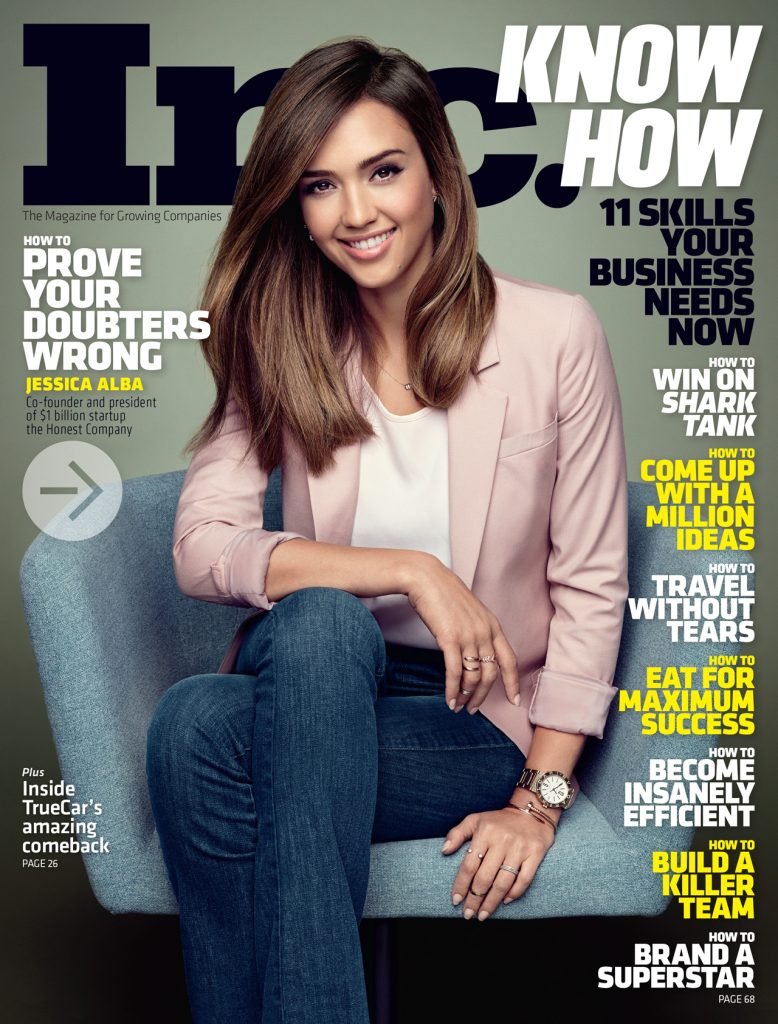
How to Get Featured in Inc Magazine: A Practical Guide for Founders and Entrepreneurs

Published

on

get featured in Inc Magazine

For many entrepreneurs, media exposure isn’t just a vanity metric—it’s a powerful growth tool. Being recognized by a major publication can instantly boost credibility, attract investors, and open doors you didn’t even know existed. That’s why so many founders aim to Get Featured in Inc Magazine, one of the most respected platforms for business innovation and entrepreneurial success.

But here’s the reality: getting featured doesn’t happen by luck. It’s the result of strategy, storytelling, and consistency. In this guide, we’ll walk through exactly how you can position yourself for that opportunity—without sounding like you’re chasing press.


Why You Should Aim to Get Featured in Inc Magazine

Before focusing on tactics, it’s important to understand the value behind the goal.

Inc Magazine is known for highlighting fast-growing companies, disruptive ideas, and founders with compelling journeys. When your story appears there, it signals authority. Readers trust that your business has substance, not just hype.

Beyond credibility, a feature can drive meaningful visibility. Your brand reaches a highly targeted audience—entrepreneurs, executives, and decision-makers. That kind of exposure often leads to partnerships, speaking invitations, and even funding opportunities.

In short, the effort to get recognized is worth it—but only if you approach it the right way.


Build a Story That Helps You Get Featured in Inc Magazine

At the heart of every feature is a strong story. Journalists don’t promote businesses—they tell narratives that resonate with readers.

So what makes a story compelling?

It usually includes:

  • A clear problem and how you solved it
  • A unique or unconventional journey
  • Measurable growth or impact
  • A turning point or challenge that shaped your path

For example, a founder who pivoted after failure or scaled a company during uncertain times has a story worth telling.

The key is clarity. If you can explain your journey in a way that’s simple, human, and relatable, you’re already ahead of most founders trying to get noticed.


Create Authority to Get Featured in Inc Magazine

If no one knows your voice, it’s hard for media outlets to trust your perspective. That’s where thought leadership comes in.

Start sharing insights consistently:

  • Write articles on industry trends
  • Post thoughtful commentary on social platforms
  • Offer practical advice based on real experience

You don’t need to go viral. You need to be consistent and valuable.

Over time, this builds authority. When editors look you up, they should see someone who understands their space and contributes meaningful ideas—not someone who only appears when they want publicity.


Use Strategic Networking to Get Featured in Inc Magazine

Connections matter—but not in the way most people think.

You don’t need to “know someone” at a publication. What you need is visibility within the right circles.

Start by engaging with:

  • Journalists who write about your industry
  • Editors who curate business stories
  • Founders who have already been featured

Comment on their work, share their articles, and contribute to conversations. This isn’t about pitching immediately—it’s about becoming familiar.

When your name starts appearing naturally in their ecosystem, your chances of being noticed increase significantly.


Craft a Pitch That Helps You Get Featured in Inc Magazine

Eventually, you’ll need to make your move—and that’s where your pitch comes in.

A strong pitch isn’t long or overly detailed. It’s sharp, relevant, and easy to understand.

Here’s what it should include:

  • A subject line that sparks curiosity
  • A concise introduction to who you are
  • A clear story angle (not just “my business is great”)
  • Supporting data or results
  • Why your story matters right now

Timing is everything. If your pitch connects to a current trend or timely issue, it’s far more likely to get attention.

And remember: journalists care about their audience, not your promotion. Frame your story in a way that delivers value to readers.


Leverage PR Tools to Get Featured in Inc Magazine

You don’t have to do everything manually. Some tools and platforms can increase your visibility.

Services like media request platforms allow journalists to ask for expert input. When you respond quickly and provide useful insights, you build relationships organically.

If you have the budget, a PR professional can also help refine your positioning and connect you with the right people. However, even without an agency, a focused approach can still deliver results.

The key is responsiveness. Opportunities often come and go quickly, so being active and available matters more than being perfect.


Build Online Credibility to Get Featured in Inc Magazine

Before publishing anything about you, a journalist will do their research.

That means your digital presence needs to support your story.

Make sure:

  • Your website clearly explains what you do
  • Your achievements are easy to find
  • Your messaging is consistent across platforms
  • Your social profiles reflect your expertise

Think of this as your credibility layer. Even a great story can fall apart if your online presence feels incomplete or inconsistent.


Stay Consistent If You Want to Get Featured in Inc Magazine

This is where most people fall short—they expect quick results.

Getting featured is rarely a one-time action. It’s the outcome of repeated effort:

  • Publishing content regularly
  • Engaging with your industry
  • Refining your message over time
  • Sending thoughtful pitches

You might not see immediate results, and that’s normal. Each step builds momentum, even if it doesn’t feel like it in the moment.

Consistency creates visibility. Visibility creates opportunity.


Think Long-Term Beyond Getting Featured in Inc Magazine

While it’s a great milestone, being featured shouldn’t be your only goal.

Focus on building something sustainable:

  • A recognizable brand
  • A strong network
  • A clear voice in your industry

When you do that, media coverage becomes a natural extension of your work—not something you have to chase.

Ironically, the less you focus on “getting featured” and the more you focus on delivering value, the more likely those opportunities become.


Final Thoughts on How to Get Featured in Inc Magazine

If there’s one takeaway, it’s this: media recognition is earned, not requested.

To Get Featured in Inc Magazine, you need more than a good business—you need a story, a voice, and a consistent presence. It’s about showing up, contributing meaningfully, and making it easy for others to see your value.

Start small. Share your insights. Engage with your community. Refine your story. Over time, those efforts compound into something powerful.

And when the opportunity comes, you won’t have to chase it—you’ll be ready for it.

Continue Reading

Business

How to Get Featured in Harper’s Bazaar and Boost Your Brand

Published

on

Get Featured in Harper’s Bazaar

In the world of fashion, beauty, and lifestyle, media exposure can transform a brand overnight. One of the most powerful opportunities for designers, entrepreneurs, influencers, and beauty brands is to Get Featured in Harper’s Bazaar. Being showcased in this globally recognized fashion magazine can significantly boost credibility, visibility, and authority in your industry.

But how do you actually get noticed by such a prestigious publication? In this guide, we’ll break down practical strategies that can help you Get Featured in Harper’s Bazaar and maximize your chances of landing editorial coverage.

Why Getting Featured in Harper’s Bazaar Matters

Before diving into the process, it’s important to understand why brands strive to Get Featured in Harper’s Bazaar.

  1. Global Brand Recognition

Harper’s Bazaar is one of the most respected fashion magazines in the world. A feature in the magazine instantly places your brand in front of a global audience of fashion enthusiasts, industry insiders, and luxury consumers.

  1. Increased Credibility

When a trusted publication highlights your work, it acts as third-party validation. This credibility can help you attract investors, customers, and collaborators.

  1. Powerful Marketing Leverage

Once you Get Featured in Harper’s Bazaar, you can use that press coverage in your marketing campaigns, website, and social media to build trust and authority.

Who Can Get Featured in Harper’s Bazaar?

Many people assume only major luxury brands appear in top fashion magazines. However, Harper’s Bazaar regularly highlights emerging talent. You can potentially Get Featured in Harper’s Bazaar if you are:

  • A fashion designer launching a unique collection
  • A beauty brand with innovative products
  • A lifestyle entrepreneur with a compelling story
  • A stylist or makeup artist with standout work
  • An influencer or public figure shaping trends

The key is having a strong story and a unique angle.

Steps to Get Featured in Harper’s Bazaar

  1. Build a Strong Brand Identity

Editors look for brands that have a clear identity and aesthetic. Before trying to Get Featured in Harper’s Bazaar, ensure that:

  • Your website looks professional
  • Your visual branding is consistent
  • Your products or services have a unique style

A strong visual presence increases your chances of catching an editor’s attention.

  1. Create a Compelling Story

Publications love stories, not just products.

Ask yourself:

  • What makes your brand different?
  • What problem are you solving?
  • What inspired your journey?

If your story is unique, journalists are far more likely to feature you.

  1. Develop a Media-Ready Press Kit

A professional press kit is essential if you want to Get Featured in Harper’s Bazaar.

Your press kit should include:

  • Brand introduction
  • Founder biography
  • High-quality images
  • Product descriptions
  • Media contact information

Having these materials ready makes it easier for editors to feature your brand.

  1. Work with PR Professionals

Public relations agencies often have established relationships with editors. Collaborating with a PR professional can significantly increase your chances to Get Featured in Harper’s Bazaar.

PR experts know:

  • How to pitch stories
  • Which editors to contact
  • When to submit press releases
  1. Build Relationships with Editors and Journalists

Networking plays a huge role in media coverage.

Follow editors on social media, engage with their content, and attend industry events. Building genuine relationships can open doors and help you eventually Get Featured in Harper’s Bazaar.

  1. Leverage Social Media Influence

Many editors discover new brands through social media platforms like Instagram and TikTok.

To improve your chances to Get Featured in Harper’s Bazaar, focus on:

  • High-quality visuals
  • Consistent posting
  • Strong engagement with your audience

A strong online presence can attract editorial attention.

  1. Submit a Professional Pitch

A great pitch should be concise, clear, and compelling.

Your pitch should include:

  • A brief introduction
  • Why your story is relevant now
  • What makes your brand unique
  • Links to images and your press kit

A well-written pitch dramatically improves your chances to Get Featured in Harper’s Bazaar.

Common Mistakes to Avoid

If you want to successfully Get Featured in Harper’s Bazaar, avoid these mistakes:

  • Sending generic email pitches
  • Providing low-quality images
  • Lacking a clear brand story
  • Not researching the magazine’s content style

Personalized and well-researched pitches always perform better.

How a Feature Can Transform Your Brand

When you Get Featured in Harper’s Bazaar, the benefits extend far beyond the initial exposure. Brands often experience:

  • Increased website traffic
  • Higher product demand
  • More partnership opportunities
  • Stronger industry reputation

For many brands, a single feature becomes a turning point in their growth journey.

Final Thoughts

Trying to Get Featured in Harper’s Bazaar may seem challenging, but it’s absolutely achievable with the right strategy. Focus on building a strong brand, crafting a compelling story, and connecting with the right media professionals.

With persistence, preparation, and a clear vision, your brand could soon appear in one of the world’s most influential fashion publications.

If you’re serious about elevating your brand’s visibility and authority, start implementing these strategies today—and take the first step toward getting featured in Harper’s Bazaar.


Continue Reading

Business

How to Get Featured in Benzinga: A Complete Guide for Businesses and Startups

Published

on

get featured in Benzinga

Getting media coverage from reputable financial platforms can significantly boost your brand’s credibility and visibility. One of the most powerful opportunities for businesses, startups, and entrepreneurs is to get featured in Benzinga, a well-known platform followed by investors, analysts, and business professionals worldwide.

If you want to expand your reach, attract investors, and strengthen your brand authority, understanding how to get featured on major media platforms is essential. This guide explains everything you need to know about how to get featured in Benzinga and why it can be a game-changer for your business.

What Is Benzinga?

Benzinga is a popular financial media platform that provides news, analysis, and insights related to the stock market, technology, cryptocurrency, and emerging businesses. The platform has built a strong reputation for delivering real-time financial information and covering innovative companies.

Because of its large and highly engaged audience, many companies aim to get featured in Benzinga to reach potential investors and business partners. Being mentioned on such a trusted platform can help position your brand as credible and influential within your industry.

Why You Should Get Featured in Benzinga

Before diving into the strategies, it’s important to understand the benefits of being featured on a major financial media platform.

1. Strong Brand Authority

When your company appears in a reputable publication, people instantly view your brand as more trustworthy and credible.

2. Increased Online Visibility

Articles published on Benzinga often rank well on search engines, helping your brand gain long-term organic exposure.

3. Investor Attention

Benzinga’s audience includes investors, venture capitalists, and financial professionals. This makes it an ideal platform for startups seeking funding or partnerships.

4. SEO Benefits

Getting featured in Benzinga can generate high-quality backlinks, which help improve your website’s search engine rankings.


Proven Ways to Get Featured in Benzinga

If you want to successfully get featured in Benzinga, you need a strategic approach. Here are some effective methods.

1. Publish a Strong Press Release

One of the most common ways to get featured in Benzinga is through a professional press release. If your company has important news—such as a product launch, funding announcement, or partnership—it can be distributed through media networks that reach Benzinga editors.

Tips for writing a strong press release:

  • Use a clear and compelling headline

  • Focus on real news, not promotional content

  • Include quotes from founders or executives

  • Add supporting data or statistics

A well-written press release increases the chances of getting picked up by journalists.


2. Work With a PR Distribution Service

Many brands choose PR distribution platforms that already have relationships with financial media outlets. These services can help place your story directly in front of Benzinga’s editorial team.

A professional PR strategy can significantly increase the chances of getting your company published.


3. Pitch a Newsworthy Story

Journalists receive hundreds of pitches every day, so your story must stand out.

Here are examples of stories that may attract Benzinga’s attention:

  • Startup funding rounds

  • Innovative technology launches

  • Market-changing partnerships

  • Cryptocurrency developments

  • Financial industry insights

The key is to present something genuinely valuable to their audience.


4. Build Media Relationships

Another effective strategy to get featured in Benzinga is to build relationships with journalists and editors.

You can do this by:

  • Engaging with their articles on social media

  • Sharing valuable industry insights

  • Offering expert commentary on trending topics

Over time, these connections can open doors for future media coverage.


5. Become an Industry Expert

Experts often get quoted in financial publications. If you consistently share valuable insights in your industry, journalists may reach out to you for commentary.

Ways to build authority include:

  • Publishing thought leadership articles

  • Participating in podcasts and webinars

  • Speaking at industry events

  • Creating data-driven reports

When your expertise becomes visible, it becomes easier to get featured in Benzinga.


Tips to Increase Your Chances of Getting Published

Even with a strong strategy, some best practices can significantly improve your results.

Focus on newsworthiness – Editors prefer real developments, not advertisements.
Provide supporting data – Numbers and research strengthen your story.
Keep it concise – Journalists appreciate clear and direct information.
Use a strong headline – Your headline should immediately capture attention.


Common Mistakes to Avoid

Many brands fail to get media coverage because of simple mistakes. Avoid these common issues:

  • Writing overly promotional content

  • Sending irrelevant pitches

  • Ignoring the publication’s audience

  • Submitting poorly structured press releases

Professional, clear, and valuable content always performs better.


Final Thoughts

Getting media exposure is one of the most powerful ways to build credibility for your brand. If you follow the right strategies—such as crafting strong press releases, pitching newsworthy stories, and building relationships with journalists—you can significantly improve your chances to get featured in Benzinga.

Remember, media coverage isn’t just about promotion. It’s about delivering valuable information that resonates with readers and contributes to meaningful industry conversations.

With the right approach, persistence, and a compelling story, your brand could soon appear on one of the most influential financial news platforms online.

Continue Reading

Business

Why You Should Get Featured in L’Officiel Magazine to Boost Your Brand

Published

on

Get featured in L'Officiel magazine

In today’s competitive digital and fashion landscape, media recognition can elevate a brand from unknown to influential almost overnight. One of the most prestigious platforms for fashion, lifestyle, and culture is L’Officiel magazine, a publication that has shaped global style conversations for nearly a century. For designers, entrepreneurs, influencers, and creatives, the opportunity to get featured in L’Officiel magazine can significantly boost credibility, visibility, and professional growth.

But how exactly does one secure a feature in such a prestigious publication?

This guide will walk you through practical strategies, insider tips, and proven methods to help you get featured in L’Officiel magazine and maximize the opportunity once it happens.


Why Brands and Creators Want to Get Featured in L’Officiel Magazine

Before diving into the process, it’s important to understand why being published in L’Officiel matters.

Founded in 1921, L’Officiel has built a reputation as one of the world’s most respected fashion and luxury publications. The magazine showcases designers, celebrities, entrepreneurs, artists, and innovators shaping modern culture.

When you get featured in L’Officiel magazine, several benefits follow:

1. Instant credibility
Being featured in a prestigious magazine signals authority and trust in your industry.

2. Global exposure
L’Officiel has international editions across multiple countries, expanding your reach beyond local markets.

3. Strong personal branding
Media features position you as a thought leader or emerging talent in your field.

4. Better business opportunities
Brands, investors, and collaborators often notice individuals who appear in well-known publications.

Because of these advantages, competition for features is naturally high—but with the right strategy, it’s achievable.


Proven Strategies to Get Featured in L’Officiel Magazine

If you want to get featured in L’Officiel magazine, you need more than just talent—you need a clear media strategy.

1. Build a Strong Personal or Brand Story

Magazines rarely publish content without a compelling narrative. Editors look for stories that resonate with readers and align with the publication’s tone.

Ask yourself:

  • What makes your brand unique?

  • What problem are you solving?

  • How are you influencing your industry?

  • What milestones have you achieved?

A strong story could involve:

  • Launching an innovative fashion brand

  • Creating a viral social media movement

  • Building a successful startup

  • Advocating for sustainability or social change

When pitching to media, storytelling matters more than promotion.


2. Create a Professional Media Kit

Editors receive hundreds of pitches every week. A professional media kit helps your pitch stand out.

A good media kit should include:

  • Professional biography

  • High-quality photos

  • Key achievements or awards

  • Media mentions

  • Brand mission and vision

  • Social media statistics

If you want to Get featured in L’Officiel magazine, your media kit should feel polished, visually appealing, and easy for editors to review quickly.


3. Work With PR Professionals

Public relations experts understand how editorial systems work. They often have relationships with journalists and editors, which can significantly improve your chances of getting published.

PR professionals can help with:

  • Media outreach

  • Crafting strong press releases

  • Positioning your story correctly

  • Pitching to the right editor or department

While hiring a PR agency isn’t mandatory, it can accelerate the process if your budget allows.


4. Develop a Strong Digital Presence

Editors often research potential feature candidates online. Your digital footprint should reinforce your credibility.

Focus on:

  • A professional website

  • Active social media profiles

  • Consistent branding

  • High-quality visuals

  • Clear messaging

If an editor searches your name or brand, they should immediately understand why you deserve media coverage.

To get featured in L’Officiel magazine, your online presence must reflect the sophistication and creativity associated with the publication.


Content Ideas That Help You Get Featured in L’Officiel Magazine

Understanding the type of content L’Officiel publishes can help you craft a more relevant pitch.

Here are some common feature formats:

Founder or Entrepreneur Profiles

Stories about inspiring founders and innovators.

Fashion or Beauty Features

Spotlights on designers, stylists, makeup artists, or models.

Lifestyle and Culture Interviews

Insights from creatives influencing art, design, music, or entertainment.

Industry Thought Leadership

Expert commentary on trends in fashion, luxury, and culture.

When preparing your pitch, tailor your story to match these editorial themes.


How to Pitch Editors to Get Featured in L’Officiel Magazine

A strong pitch is concise, compelling, and relevant.

Here’s a simple structure you can follow:

Subject line:
Unique fashion entrepreneur redefining sustainable luxury

Opening paragraph:
Brief introduction of who you are and why your story matters.

Main value:
Explain why readers would find your story interesting.

Supporting points:
Mention achievements, milestones, or data.

Closing:
Offer photos, interviews, or additional materials.

Keep your pitch short—most editors skim emails quickly.

Remember: personalization is key. Research the editor you are contacting and reference their previous work.


Mistakes to Avoid When Trying to Get Featured in L’Officiel Magazine

Many people fail to get media coverage because they make common mistakes.

Avoid these pitfalls:

Overly Promotional Pitches

Editors want stories, not advertisements.

Lack of Professional Photos

High-quality visuals are essential for fashion and lifestyle publications.

Weak Story Angles

Your story must provide value to readers.

Mass Emailing Editors

Generic pitches often get ignored.

To successfully get featured in L’Officiel magazine, your approach should feel thoughtful and tailored.


What Happens After You Get Featured in L’Officiel Magazine

Getting published is only the beginning. The real value comes from leveraging the feature.

Here’s how to maximize it:

1. Share the feature across social media
Highlight it on LinkedIn, Instagram, and other platforms.

2. Add it to your website
Create a “Press” or “Media” section.

3. Use it in marketing materials
Mention the feature in presentations, proposals, and email signatures.

4. Pitch additional media outlets
Other publications are more likely to feature someone already recognized by a major magazine.

When you get featured in L’Officiel magazine, it becomes a powerful credibility asset.


Final Thoughts: Turning Media Features Into Long-Term Success

Securing a media feature isn’t about luck—it’s about strategy, storytelling, and persistence.

If you want to get featured in L’Officiel magazine, focus on building a compelling personal brand, maintaining a professional online presence, and crafting pitches that resonate with editors.

Remember that media recognition is a long-term game. Even if your first pitch doesn’t succeed, refining your story and continuing outreach can eventually lead to the breakthrough you’re looking for.

For creators, entrepreneurs, and innovators seeking global recognition, being featured in a prestigious publication like L’Officiel can open doors to new opportunities, collaborations, and audiences around the world.

Continue Reading

Trending

Subscribe To Our News Letter


Contact Us
First
Last

This will close in 20 seconds