Business
Unlock Your Business Authority: How to Get Published in Harvard Business Review Magazine

Published
8 months agoon
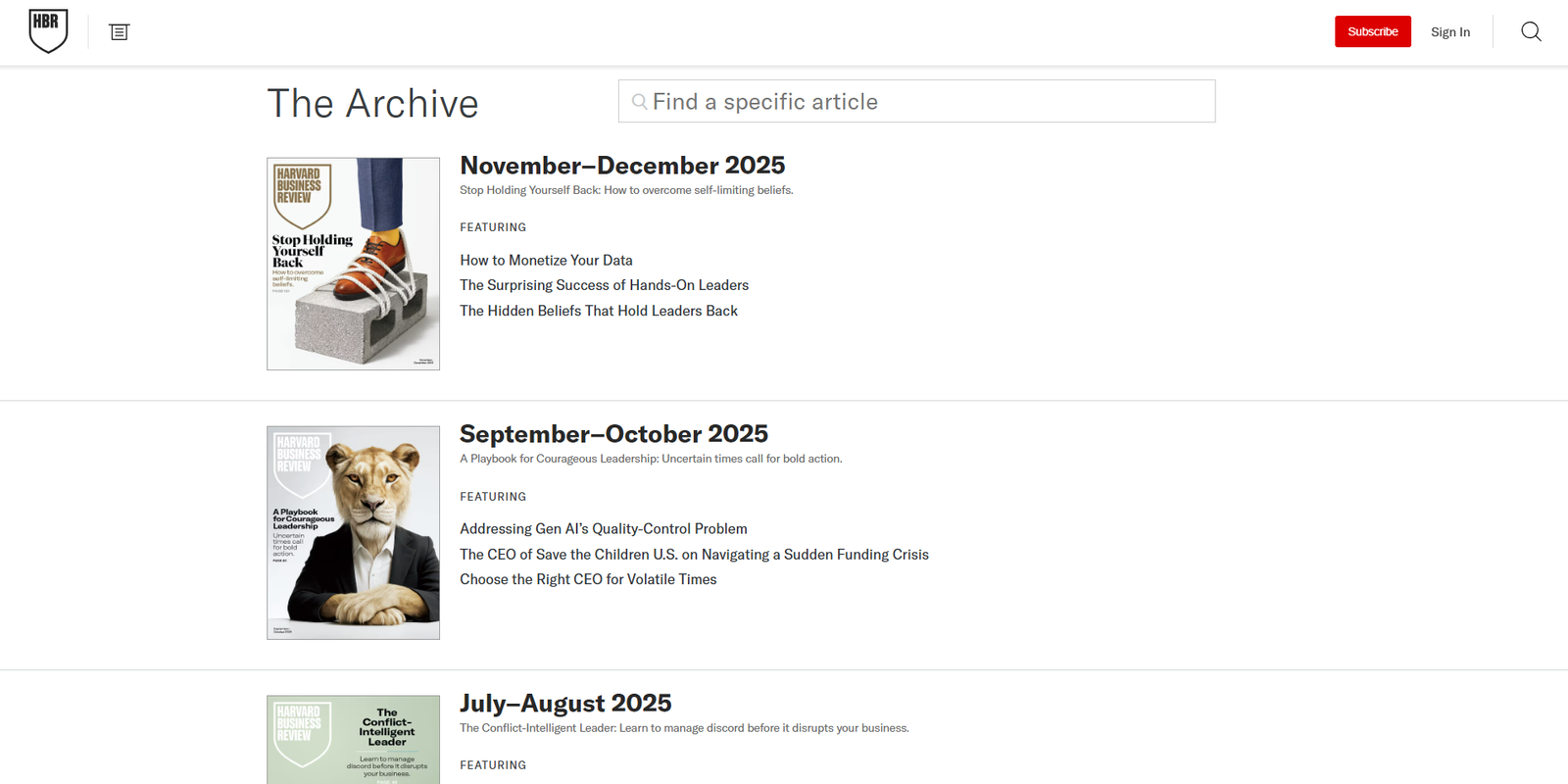
If you’re a thought leader, entrepreneur, or business professional, having your work featured in a prestigious publication can skyrocket your credibility. One of the most coveted platforms is the Harvard Business Review (HBR) magazine. Learning how to get published in Harvard Business Review magazine can open doors to new opportunities, enhance your brand, and position you as an authority in your field.
In this guide, we’ll explore actionable strategies to increase your chances of getting your article accepted, while highlighting how PR experts like Level Up PR can support your journey.
Why You Should Aim to Get Published in Harvard Business Review Magazine
HBR is not just another business magazine; it is a global authority in management, leadership, and innovation. Being featured in HBR:
- Boosts your credibility and personal brand.
- Increases visibility among decision-makers and industry leaders.
- Expands your professional network significantly.
The competition is fierce, but with the right strategy, your insights can reach a worldwide audience.
Understand Your Audience to Get Published in Harvard Business Review Magazine
Before pitching your ideas, it’s essential to understand the magazine’s readership. HBR readers are highly educated, often in leadership roles, and seek actionable insights rather than generic business advice. Articles that perform well typically:
- Address emerging trends in management and leadership.
- Offer data-driven insights or case studies.
- Provide a fresh perspective or challenge conventional thinking.
By aligning your content with these expectations, you enhance your chances to get published in Harvard Business Review magazine.
Craft a Compelling Pitch
The pitch is your first impression. A well-crafted pitch should include:
- A strong, attention-grabbing headline.
- A clear explanation of why the topic is relevant now.
- Evidence of expertise, such as prior publications, research, or professional experience.
This is where working with PR professionals, such as Level Up PR, can make a significant difference. They specialize in creating persuasive pitches and positioning thought leaders effectively, increasing the likelihood of acceptance by top-tier publications like HBR.
Focus on Original Insights to Get Published in Harvard Business Review Magazine
HBR values originality. Submitting generic content is unlikely to succeed. Instead, focus on:
- Sharing proprietary research or unique case studies.
- Offering novel frameworks or methodologies.
- Including actionable takeaways for business leaders.
Unique insights not only improve your chances to get published in Harvard Business Review magazine but also ensure your article resonates with HBR’s sophisticated audience.
Leverage PR Expertise to Maximize Impact
Even if your article is accepted, the story doesn’t end there. Promoting your publication strategically ensures maximum visibility. PR agencies like Level Up PR can:
- Craft media outreach campaigns around your HBR feature.
- Optimize your online presence to highlight your publication.
- Secure interviews, podcasts, and speaking opportunities to leverage your HBR credibility.
Working with experts ensures that your article doesn’t just get published but also drives measurable impact for your personal or business brand.
The Long-Term Benefits
Getting your work published in HBR can be transformative. Beyond personal recognition, it can:
- Establish you as a thought leader in your industry.
- Open doors for consulting or advisory roles.
- Strengthen your credibility when pitching to investors or clients.
With the support of PR experts like Level Up PR, you can not only increase your chances to get published in Harvard Business Review magazine but also ensure that your publication translates into tangible career and business growth.
Final Thoughts
Getting featured in HBR is no small feat, but it is achievable with the right preparation, insights, and professional support. Understand the magazine’s audience, craft a compelling pitch, focus on unique insights, and leverage PR strategies to amplify your work.
By following these steps and collaborating with experts like Level Up PR, you can position yourself to get published in Harvard Business Review magazine, enhancing your credibility, visibility, and influence in the business world.

Sahil Sachdeva is the CEO of Level Up Holdings, a Personal Branding agency. He creates elite personal brands through social media growth and top tier press features.

You may like
Business
How to Get Featured in GQ Magazine and Build Media Authority
Published
5 days agoon
September 10, 2026
For founders, executives, entrepreneurs, and personal brands, learning how to Get featured in GQ magazine can be a valuable step toward building visibility and long-term credibility. GQ has established itself as an influential platform across fashion, lifestyle, culture and men’s-interest media, making its editorial coverage particularly valuable for people and brands with a relevant story to tell. However, successful coverage is not simply about sending a press release. It requires a clear understanding of GQ editorial positioning and what makes a story genuinely relevant to its audience.
Understand What Makes a Story Relevant to GQ
The first step to Get featured in GQ magazine is understanding the publication’s editorial environment. GQ covers a broad range of topics, including style, culture, entertainment, business, personalities, wellness, and modern lifestyle. This means that a story should connect naturally with the interests of its readers rather than focusing only on promoting a company or individual. Strong GQ story angles usually provide something timely, distinctive, insightful, or culturally relevant.
For example, a founder may have an interesting perspective on changing consumer culture, while an entrepreneur may have built a brand that is influencing a particular industry. The strongest media opportunities often come from identifying the real story behind the business rather than simply promoting its services.
Build a Strong Editorial Position
If your goal is to Get featured in GQ magazine, your brand needs a clear editorial identity. Journalists are regularly approached by businesses, founders, and publicists, so a generic company introduction is unlikely to stand out. Your story should explain why you are relevant now and why the audience should care. Effective personal branding can also play an important role by helping executives communicate their expertise, perspective, and professional journey in a way that feels authentic.
Before approaching the media, it helps to define your strongest talking points. These could include an industry achievement, an original perspective, a cultural trend, a unique business journey, or expertise connected to a current conversation.
Develop a Strategic Pitch
A thoughtful pitch can improve your chances to Get featured in GQ magazine, but the approach needs to be tailored to the publication. Effective GQ pitching focuses on relevance rather than promotional language. Editors and writers want to understand the story quickly, so the strongest pitches are clear, concise, and supported by a genuine reason for coverage.
A good pitch should answer several important questions. What is the actual story? Why does it matter now? Why is it relevant to the publication’s audience? What insight, access, or perspective can you provide that others cannot? Answering these questions before beginning outreach can make the entire PR process more focused.
Research Journalists and Editors Carefully
To Get featured in GQ magazine, it is important to avoid sending the same message to every contact. Understanding the work of relevant GQ journalists and editors can help you identify whether your story is suitable for a particular writer, section, or topic. Media outreach is most effective when it is based on editorial relevance instead of sending large volumes of generic emails.
Review the type of stories that a journalist or editor has covered and consider whether your expertise could genuinely contribute to similar conversations. This approach takes more time, but it can lead to more meaningful professional relationships and stronger pitching opportunities.
Use Media Outreach as Part of a Larger PR Strategy
Businesses that successfully Get featured in GQ magazine often approach media visibility as part of a wider communications strategy. Consistent media outreach can help build familiarity with your expertise and create opportunities across multiple relevant publications. Instead of depending on one placement, a well-planned strategy can support long-term brand recognition and authority.
This may include sharing expert commentary, developing thought leadership, announcing genuinely newsworthy developments, and participating in relevant industry conversations. A strong media presence is usually built gradually through consistent and credible communication.
Understand Earned Media and Paid Placement
When trying to Get featured in GQ magazine, it is also important to understand earned media vs paid placement. Earned editorial coverage is based on editorial decisions and the perceived value of the story. Paid opportunities, on the other hand, may involve advertising, sponsored content, or other commercial arrangements.
Understanding this difference helps businesses set realistic expectations about media coverage. Genuine editorial placement cannot simply be guaranteed because the final decision belongs to the publication’s editorial team. A professional PR strategy should always communicate this distinction clearly and focus on creating stories that have authentic media value.
Create PR Campaigns Around Meaningful Stories
The best way to Get featured in GQ magazine is often to think beyond a single pitch. Strategic PR campaigns can create multiple opportunities by connecting your brand with a larger story, trend, launch, or conversation. For example, a campaign may combine founder expertise, research, industry insights, product innovation, and cultural relevance.
A stronger campaign also gives journalists different angles to consider. Rather than presenting one promotional message, you can offer expert commentary, data, interviews, behind-the-scenes access, or a unique perspective. This makes your communications more flexible and useful for different media opportunities.
Build Credibility Before You Need It
A strong foundation can make it easier to Get featured in GQ magazine when the right opportunity appears. Building media credibility and authority takes time and may involve developing a professional online presence, publishing useful insights, earning coverage in relevant outlets, and demonstrating genuine expertise.
Founders and executives should also make sure their public profiles support the story they are presenting. Journalists may research a source before deciding whether to engage, so consistency across your website, professional profiles, previous media coverage, and public messaging can strengthen trust.
Work With a Professional PR Team
For brands that want to Get featured in GQ magazine, working with an experienced PR agency can provide strategic support throughout the process. A team such as Level Up PR can help develop stronger narratives, identify relevant media opportunities, refine story angles, and manage outreach professionally. The goal should always be to position the brand in a way that creates genuine editorial interest.
Professional PR support can also be particularly useful for founders and executives who have strong expertise but are unsure how to turn their experience into a story that works for the media.
Frequently Asked Questions
Can anyone get featured in GQ magazine?
Anyone can develop and present a relevant story, but there is no guaranteed formula to Get featured in GQ magazine. Editorial decisions depend on factors such as story quality, relevance, timing, originality, and audience interest.
What type of stories does GQ cover?
GQ covers a wide range of subjects connected to fashion, lifestyle, culture and men’s-interest media. Depending on the edition and editorial focus, stories may also include entertainment, business, personalities, wellness, style, and cultural trends.
How do I pitch a story to GQ?
The best approach to Get featured in GQ magazine is to research the publication carefully, identify relevant editorial contacts, and present a concise story with a clear reason for coverage. Avoid sending generic promotional messages.
Is GQ coverage paid or earned?
It is important to understand earned media vs paid placement. Editorial coverage is generally based on editorial judgment, while paid opportunities may include advertising or sponsored content. Always confirm the nature of an opportunity before proceeding.
Build Your Story Before You Pitch It
The process to Get featured in GQ magazine starts with a story that deserves attention. A strong narrative, clear positioning, relevant expertise, and thoughtful media strategy can all improve your ability to create meaningful opportunities. Instead of focusing only on getting one placement, focus on building a credible story and public presence that journalists and audiences can trust.
If you are looking to strengthen your media strategy and develop stories that support long-term brand visibility, Level Up PR can help you explore the right approach for your business, leadership profile, or personal brand.
Business
Get Featured in Women Magazine Using Effective PR Tactics
Published
6 days agoon
September 9, 2026
Getting media attention can change how people see your brand, especially when your story reaches an audience that already cares about your industry, values, and expertise. If your goal is to Get featured in women magazine, the process requires more than sending a generic email to an editor. Women’s publications receive countless story ideas, so your pitch needs a clear reason for the publication and its readers to care.
For founders, executives, startups, and personal brands, Get featured in women magazine can help build credibility while introducing your work to a highly engaged audience. A well-placed feature can support brand awareness, strengthen your reputation, and create valuable content that can be shared across your website, social platforms, and professional profiles.
Why Women’s Magazines Can Be Valuable for Your Brand
When you Get featured in women magazine, you are not simply gaining another media mention. You are positioning your expertise within a publication that has already built trust with its readership. Depending on the publication, a feature can introduce your business, career story, leadership perspective, product, or personal journey to people who may have never discovered you otherwise.
Strong women’s magazine features often focus on a person or business with a useful perspective rather than simply promoting a company. Editors want stories that educate, inspire, inform, or offer a fresh point of view. That means your experience and expertise can become the foundation of a compelling media opportunity.
Start With a Story Editors Can Actually Use
Before trying to Get featured in women magazine, identify the story behind your brand. Ask yourself what makes your experience relevant right now. Perhaps you built a company from the ground up, developed an innovative approach to your industry, overcame an unusual business challenge, or have expertise that can help readers solve a real problem.
This is where women’s magazine PR becomes more strategic. Instead of presenting your company as the main subject of every pitch, connect your experience to a broader conversation. A founder discussing leadership during economic uncertainty, for example, may be more interesting to an editor than a simple announcement about a new business.
Research the Right Publication
A common mistake brands make when they Get featured in women magazine is pitching publications without researching whether the story fits. Every magazine has its own audience, editorial style, recurring sections, and preferred topics. Understanding those differences can significantly improve your chances of receiving a response.
Take time to review recent articles and identify the types of experts the publication regularly interviews. Look for recurring themes, contributor opportunities, profiles, and editorial columns. This research also helps you understand what kind of magazine publicity would feel natural rather than promotional.
Build a Pitch Around the Reader
The strongest way to Get featured in women magazine is to make the pitch about the reader’s interests rather than your desire for exposure. Editors need stories that give their audience something useful or interesting. Your pitch should quickly communicate the subject, why it matters now, and why you are qualified to speak about it.
A strong magazine pitch is usually concise and specific. Avoid sending a long company history or a list of every service you offer. Instead, present one clear story idea and explain why you are the right person to contribute to it. If the editor can immediately understand the potential article or interview, your pitch has a much better chance of standing out.
Know How to Pitch an Editor
When you want to Get featured in women magazine, identifying the correct editor or journalist matters. Sending a carefully prepared story to the wrong contact can reduce your chances before anyone even evaluates the idea.
Learning how to pitch an editor effectively means understanding their beat and recent work. Read their articles, follow the subjects they cover, and personalize your outreach when appropriate. A relevant pitch demonstrates that you are familiar with their work and are not simply sending the same message to dozens of publications.
Make Your Expertise the Proof
Your goal when you Get featured in women magazine should not be to make unsupported claims about your success. Credible media stories are built around evidence, experience, and useful insight. Editors need confidence that you can provide accurate information and contribute something meaningful to their audience.
Include relevant credentials, professional experience, notable achievements, original research, or specific examples when they strengthen your story. This supports a stronger PR pitch because it gives the journalist a clear reason to view you as a credible source rather than simply another business seeking publicity.
Think Beyond Traditional Press Coverage
Once you Get featured in women magazine, the value of that coverage can continue long after publication. A published interview or profile can become part of your media page, professional biography, sales materials, social media strategy, and speaker profile.
Good media coverage for women can also strengthen your overall authority when it is connected to a broader communications strategy. One article does not replace consistent brand building, but credible third party coverage can become an important piece of your reputation over time.
Follow Up Without Becoming Pushy
If you Get featured in women magazine, remember that editors are busy and often receive a large volume of emails. A lack of response does not necessarily mean the story was rejected. Your follow-up should be brief, polite, and useful.
A thoughtful media pitch can include one follow-up after a reasonable amount of time. If there is still no response, move on and consider whether the story could be adapted for another publication. Persistence is useful in PR, but respecting an editor’s time is equally important.
Common Mistakes to Avoid
Trying to Get featured in women magazine can become difficult when the pitch focuses entirely on self-promotion. Other common problems include sending mass emails, using vague subject lines, making exaggerated claims, attaching unnecessary files, or failing to explain why the story is relevant to the publication.
Another mistake is pitching a story that has no timely angle. Your expertise may be valuable, but editors still need a reason to cover it now. Connecting your experience to current conversations, seasonal topics, industry changes, or questions readers are already asking can make the idea more compelling.
Frequently Asked Questions
How can I Get featured in women magazine?
To Get featured in women magazine, develop a relevant story, research publications carefully, identify the right editor, and send a concise pitch that explains why the story matters to the audience. Strong credentials and a timely angle can also improve your chances.
What should I include in a women’s magazine pitch?
When you want to Get featured in women magazine, include a clear story idea, a short explanation of its relevance, your credentials, and any supporting evidence that establishes your expertise. Keep the message focused and easy for an editor to evaluate.
Do I need a PR agency to get magazine coverage?
You do not necessarily need an agency to Get featured in women magazine. A strong story and well researched outreach can work independently. However, experienced PR professionals can help with media research, positioning, pitching, follow ups, and long term publicity strategy.
How long does it take to get magazine coverage?
The time required to Get featured in women magazine varies depending on the publication, editorial calendar, story quality, and timing. Some opportunities can develop quickly, while larger publications may plan stories weeks or months in advance.
Turn Your Story Into a Media Opportunity
If you want to Get featured in women magazine, start by thinking like an editor rather than an advertiser. What would make your story useful, timely, credible, and interesting to the publication’s readers? Once you can answer that question clearly, your outreach becomes much more strategic.
At Level Up PR, a thoughtful approach to media relations can help turn expertise and experience into stories that journalists can actually use. If you have a strong story, a unique perspective, or an area of expertise worth sharing, professional PR support can help you identify the right opportunities and approach them with greater confidence.
Business
Get Featured in Inc Magazine and Turn Your Business Story Into Authority
Published
6 days agoon
September 9, 2026
For founders, executives, and growing brands, Get Featured in Inc Magazine is less about sending a promotional email and more about presenting a story that deserves editorial attention. Inc has a strong focus on entrepreneurs, business growth, leadership, innovation, and the realities of building companies. That means your opportunity is not simply to promote what you sell. It is to show why your experience, insight, data, or company story matters to a broader business audience.
What It Really Takes to Get Inc’s Attention
To Get Featured in Inc Magazine, start by thinking like a journalist rather than a marketer. A strong Inc Magazine feature usually needs a compelling reason to exist beyond the company itself. A major business milestone, unusual growth story, emerging industry trend, founder lesson, original research, or timely expert perspective can create a stronger editorial opportunity than a standard announcement. Inc’s own pitching guidance has emphasized relevance, clarity, specificity, and making the journalist’s job easier.
Build a Story Before You Build a Pitch
The most effective way to Get Featured in Inc Magazine is to identify the story underneath your announcement. Saying that your company launched a new product is rarely enough on its own. Instead, ask what the launch reveals about the market, the customer, the technology, or the founder. Perhaps you discovered an unexpected customer behavior, achieved significant growth through an unconventional strategy, or solved a problem that affects thousands of businesses. Those details transform a company update into a potential business story.
Know Which Inc Opportunity You Are Pursuing
Before you Get Featured in Inc Magazine, determine whether you are pursuing earned press coverage, an expert commentary opportunity, a contributor relationship, or one of Inc’s recognition programs. These routes are not interchangeable. Inc currently states that it does not accept unsolicited manuscripts, while people interested in becoming contributors are directed to its editorial team at contributors@inc.com. Understanding the distinction can prevent founders from sending the wrong material to the wrong destination.
Find the Right Inc Journalists and Editors
A targeted approach can make it easier to Get Featured in Inc Magazine because relevance matters. Research Inc Magazine journalists, reporters, editors, and contributors who regularly cover your industry or the type of story you are proposing. Read their recent work before reaching out. Look for recurring themes, preferred story angles, and subjects they appear to follow. A technology reporter may care about a market shift while a leadership writer may be more interested in a founder’s decision making process. Your pitch should reflect that difference.
Do Not Treat Inc as a Generic Media List
One of the biggest mistakes companies make when trying to Get Featured in Inc Magazine is sending the same pitch to every contact they can find. Inc has specifically published guidance criticizing form pitching and encouraging communicators to explain why a particular story matters to a particular journalist. A short, personalized email to the right reporter can be far more valuable than dozens of generic messages. Personalization should demonstrate genuine familiarity with the journalist’s work, not simply insert their first name into a template.
Create an Inc Magazine Pitch That Gets to the Point
When you Get Featured in Inc Magazine, your pitch should make the editorial opportunity immediately understandable. Lead with the story rather than your company biography. Explain what is happening, why it matters now, and why you or your client is qualified to contribute. A useful pitch can also include a strong supporting statistic, a concise customer insight, relevant data, or an expert who can provide meaningful commentary. Inc has previously published advice recommending concise pitches and emphasizing the importance of helping editors quickly understand the opportunity.
Give the Reporter Something They Can Actually Use
A successful effort to Get Featured in Inc Magazine should make the next step simple for the journalist. If your founder can provide expert commentary, identify the specific topics they can discuss. If you have original research, make the findings accessible. If there are visuals, credible sources, customer examples, or supporting data, have them ready. A journalist should not have to spend several emails extracting the basic information needed to evaluate your story. Preparation signals professionalism and can improve the experience of working with you.
Timing Can Change the Outcome
Timing also matters when you want to Get Featured in Inc Magazine. A story tied to a current trend, business development, economic shift, seasonal issue, major announcement, or emerging conversation can have more editorial value than the same story presented months later. That does not mean forcing artificial urgency into your pitch. It means understanding why your idea matters today. Before contacting Inc Magazine reporters, consider what has changed recently and whether your story helps readers understand that change.
Know How to Contact Inc Magazine
Knowing how to contact Inc Magazine is important, but the destination depends on your purpose. Inc’s current contact information separates editorial contributions, press inquiries, advertising, events, and recognition programs. Its press queries page also makes clear that the press contact route is intended for media and journalist inquiries and should not be used to pitch articles or send press releases. If your goal is earned coverage, research the appropriate journalist or editorial contact instead of assuming a general inbox is the best route.
Avoid the Most Common Pitching Mistakes
Companies trying to Get Featured in Inc Magazine often make the same avoidable errors. They make the pitch entirely about themselves, use vague subject lines, send long company histories, attach unnecessary documents, exaggerate claims, or follow up repeatedly without adding anything useful. Another problem is pitching an idea that has already been covered extensively. Before sending an Inc Magazine pitch, search the publication and review recent coverage. Your goal should be to offer a fresh angle, not simply repeat an existing article with a different company name.
Credibility Matters More Than Hype
If you want to Get Featured in Inc Magazine, credibility should be built into every part of your outreach. Be precise about revenue figures, growth rates, customer numbers, awards, funding, research findings, and other claims. Make sure supporting evidence is available if requested. Inc’s current editorial standards emphasize accurate reporting, fact checking, fairness, and responsible editorial practices. Strong PR does not attempt to manufacture authority. It gives journalists enough trustworthy information to evaluate the story independently.
What About AI and Inc Contributions
Anyone hoping to Get Featured in Inc Magazine should also understand Inc’s current position on artificial intelligence. Inc’s editorial guidelines, updated August 24, 2026, state that it does not publish AI-generated articles and that editorial content must be reported, analyzed, and written by a human author. The guidelines allow AI tools for certain supporting activities such as brainstorming, research support, organization, and copyediting, but the human author remains responsible for facts, originality, reporting, and editorial judgment. For contributors, authentic expertise and original human insight therefore matter more than producing polished generic content.
What Makes an Inc Feature Valuable
The real value of an effort to Get Featured in Inc Magazine goes beyond the publication logo. A relevant feature can strengthen executive credibility, support investor conversations, give sales teams a trusted third party reference, improve brand visibility, and create content that can be repurposed across owned channels. However, the strongest outcome comes when the coverage accurately positions the founder or company around a meaningful business story. Visibility is useful, but strategic visibility is much more valuable.
FAQ
Can I submit a story directly to Inc Magazine
If your goal is to Get Featured in Inc Magazine, do not assume that sending a finished article to a general editorial inbox is the correct process. Inc currently says it does not accept unsolicited manuscripts. Its official contact page directs prospective contributors to the editorial team at contributors@inc.com. For earned media, a targeted journalist pitch is generally a different process from submitting a completed article.
How should I pitch Inc
To Get Featured in Inc Magazine, make your pitch concise, relevant, timely, and specific. Explain the story opportunity early and show why it fits the journalist’s coverage. Avoid turning the email into a company biography. A strong Inc Magazine pitch should give the recipient enough information to decide whether the idea is worth exploring without requiring several rounds of clarification.
Should I contact Inc Magazine reporters or editors
If you want to Get Featured in Inc Magazine, the right contact depends on the story and the journalist’s beat. Research Inc Magazine reporters and editors whose existing coverage aligns with your idea. Inc’s press queries page specifically warns that its press inquiry route is not an editorial office and should not be used for article pitches or press releases. Targeted outreach is usually more appropriate than relying on a broad contact list.
Can a PR agency help with an Inc feature
A focused PR strategy can improve your chances to Get Featured in Inc Magazine by helping identify the strongest story angle, research relevant journalists, develop the pitch, manage outreach, prepare the spokesperson, and handle follow up professionally. The goal should not be to guarantee coverage because editorial decisions remain with the publication. The goal is to present a genuinely newsworthy story to the right person in a way that respects the journalist’s time and editorial judgment.
A Smarter Path to Inc Coverage
If you are serious about Get Featured in Inc Magazine, focus first on the story, then the audience, then the journalist, and finally the pitch. The strongest media opportunities are built around relevance rather than hype. At Level Up PR, that means looking beyond a founder’s desire for publicity and identifying the business insight that can make an editor or reporter stop, read, and consider the idea. When the story is strong and the outreach is thoughtful, Inc Magazine press coverage becomes a strategic possibility rather than a numbers game.
Business
How to Get Featured in Entrepreneur Magazine Through Strategic PR
Published
1 week agoon
September 7, 2026
Getting media attention is rarely about sending more emails or telling journalists that your company is “the next big thing.” If you want to Get featured in Entrepreneur Magazine, the stronger approach is to understand what makes a business story genuinely useful, timely, and interesting to the publication’s audience.
Entrepreneur covers founders, business challenges, growth, innovation, leadership, and practical lessons for people building companies. Its own editorial guidance makes an important distinction between simply promoting a company and contributing something meaningful to a larger story.
For founders, executives, startups, and personal brands, that distinction can completely change how you approach PR. The objective is not simply to secure a logo placement or mention. It is to develop a story that an editor can see value in publishing.
What Makes a Business Worthy of Entrepreneur Coverage
The first step to Get featured in Entrepreneur Magazine is understanding that editorial coverage is not advertising. An editor needs a reason to believe your story will interest readers beyond your own customers, investors, or network.
A strong Entrepreneur Magazine business feature usually has a clear takeaway. Perhaps your company solved a difficult problem, entered an emerging market, transformed an outdated process, or achieved meaningful growth through an unusual strategy. The business itself provides context, but the lesson is what makes the story valuable.
This is particularly important for a Entrepreneur Magazine founder feature. Your personal journey becomes more compelling when it demonstrates something other entrepreneurs can learn from. Entrepreneur has previously highlighted stories involving mistakes, setbacks, resilience, and problem solving rather than relying only on polished success narratives.
Start With the Story, Not the Company
Many founders begin PR by asking how they can promote their business. A better question is what has happened that other business leaders would genuinely want to know about.
If your goal is to Get featured in Entrepreneur Magazine, look beyond announcements such as launching a website, hiring an executive, or reaching another year in business. Those developments may matter internally, but they do not automatically create editorial interest.
Instead, consider the tension behind your journey. Did you enter an industry dominated by larger companies? Did you rebuild after a major failure? Did a customer problem lead you to create a new business model? Did an unexpected market shift force you to change your strategy?
That is where an Entrepreneur Magazine founder story can become substantially more interesting. The strongest narratives generally have conflict, decisions, consequences, and lessons.
Build a Timely Editorial Angle
Timing can make an ordinary business story considerably more relevant. When you want to Get featured in Entrepreneur Magazine, connect your experience to something already happening in the market.
This could involve an emerging technology, changing consumer behavior, funding conditions, a new business model, an industry disruption, or a problem that founders are currently facing. Entrepreneur’s editorial guidance specifically encourages contributors to consider why a story matters now and whether the idea connects with a current trend or event.
This approach creates stronger Entrepreneur Magazine editorial opportunities because you are giving the editor a reason to consider your expertise within a broader conversation rather than asking for coverage simply because your company exists.
Pitch the Lesson Behind Your Experience
A successful pitch for Get featured in Entrepreneur Magazine should make the editorial value obvious quickly. Editors receive a large volume of pitches, so a message that requires extensive research before the story becomes clear is unlikely to stand out.
Your pitch should communicate who you are, what happened, why it matters now, and what readers can learn from your experience. Keep the focus on the story rather than filling the email with promotional language.
This is especially relevant to Entrepreneur Magazine press coverage. Entrepreneur’s own advice emphasizes that pitches need to explain what makes the subject interesting and relevant to readers rather than expecting an editor to click through attachments or external material to discover the angle.
Make Your Expertise Useful to Readers
Expertise becomes more valuable when it solves a recognizable problem. If you want to Get featured in Entrepreneur Magazine, identify the subjects on which you have genuine authority and connect that knowledge to questions entrepreneurs are already asking.
For example, a founder who has built a company through a difficult economic period could discuss the operational decisions that protected cash flow. A technology executive could explain how their team implemented a new system without disrupting customers. A startup founder could share what went wrong during an early expansion and what they changed afterward.
This can create an Entrepreneur Magazine entrepreneur spotlight that feels educational instead of promotional. Your business provides credibility, while your experience provides the substance.
Think Beyond a Traditional Company Profile
A traditional Entrepreneur Magazine company profile can be valuable, but it is not the only route to meaningful exposure. Your founder or executive may also fit into a broader trend story, expert commentary, interview, round-up, or business analysis.
That flexibility matters because editors do not always need your entire company story. Sometimes they need one highly relevant insight from your experience.
If your goal is to Get featured in Entrepreneur Magazine, be prepared to participate in different types of editorial stories. A short expert quote in a larger article can put your expertise in front of a highly relevant audience and may create valuable credibility even when it is not a full feature.
Prepare Before You Pitch
Strong Entrepreneur Magazine publicity opportunities become easier to pursue when your media materials are ready before an editor responds.
Have a concise founder biography, company description, professional photographs, relevant business figures, previous media mentions, customer or market evidence, and a clear explanation of your expertise available. You should also be able to explain your story without relying on a lengthy presentation.
Preparation matters because editorial timelines can move quickly. When a journalist expresses interest, delays in providing basic information can weaken momentum.
Understand the Difference Between Editorial and Paid Opportunities
Another important consideration when trying to Get featured in Entrepreneur Magazine is understanding the difference between earned editorial coverage and commercial opportunities.
Entrepreneur offers editorial content as well as commercial formats through its media business. Its current media kit describes opportunities involving native content, digital, video, print, social platforms, events, podcasts, and other brand partnership formats.
That means businesses should decide what they actually need. If your priority is independent editorial credibility, your strategy should focus on earning attention through a compelling story and relevant expertise. If you need guaranteed brand messaging or controlled placement, a commercial opportunity may serve a different purpose.
Why PR Strategy Matters
Trying to Get featured in Entrepreneur Magazine without a clear media strategy can result in generic pitches, weak angles, and missed opportunities.
A professional PR approach starts by identifying the strongest parts of your story and then matching them with the conversations journalists are already covering. It also requires research into the publication, its writers, recent articles, audience, and editorial direction.
Entrepreneur’s own guidance recommends researching existing coverage, identifying whether your idea is genuinely different, and considering how your expertise can serve a broader entrepreneurial audience.
For founders who are serious about Entrepreneur Magazine media exposure, the goal should therefore be quality over volume. One thoughtful pitch built around a strong editorial idea can be more valuable than dozens of generic outreach emails.
How Level Up PR Can Help
At Level Up PR, the objective is not simply to put your company name in front of journalists. The focus is on finding the story within your business and positioning it in a way that makes sense for the publication and its readers.
If you want to Get featured in Entrepreneur Magazine, a strategic PR campaign can help identify your strongest angles, develop media-ready messaging, research relevant editorial opportunities, and build pitches around genuine news value.
The result should be a story that represents your expertise while giving journalists a legitimate reason to pay attention.
Frequently Asked Questions
How can I get featured in Entrepreneur Magazine?
To Get featured in Entrepreneur Magazine, develop a story that offers clear value to entrepreneurs and business readers. Focus on a timely problem, distinctive experience, useful insight, or compelling founder journey rather than simply promoting your company.
Does Entrepreneur Magazine accept business pitches?
Entrepreneur has editorial contacts for inquiries, but its current contributor guidance states that Entrepreneur Media does not accept traditional guest posts and that article contributions to Entrepreneur.com are limited to members of the Entrepreneur Leadership Network. For earned media, founders should distinguish between pitching a story to an editor and submitting an article as a contributor.
What makes a good Entrepreneur Magazine founder story?
A strong Entrepreneur Magazine success story usually contains more than impressive numbers. It can include setbacks, difficult decisions, unexpected discoveries, transformation, or lessons that other entrepreneurs can apply to their own businesses.
Can a PR agency help with Entrepreneur Magazine publicity?
Yes. A PR agency can help develop your positioning, identify relevant editorial angles, research journalists, prepare media materials, and manage outreach. The agency cannot guarantee coverage, but it can improve the quality and strategic focus of your Entrepreneur Magazine publicity for entrepreneurs.
Turn Your Business Experience Into a Story
The best path to Get featured in Entrepreneur Magazine is not to make your company sound bigger than it is. It is to uncover what is genuinely interesting about what you have built, what you have learned, and what your experience can teach other business leaders.
If you believe your founder journey, company growth, expertise, or recent business development has a story worth telling, Level Up PR can help you turn that experience into a focused media strategy and a stronger editorial pitch.
Business
Get Published in Harvard Business Review Magazine With a Stronger Editorial Strategy
Published
1 week agoon
September 7, 2026
Getting your ideas in front of the right business audience can transform your authority, credibility, and professional visibility. For founders, executives, consultants, and personal brands, Get published in Harvard Business Review magazine is not simply about having your name attached to a prestigious publication. It is about presenting an original business idea that matters to senior leaders and can withstand serious editorial scrutiny.
The opportunity is competitive, but it is not reserved exclusively for famous academics or Fortune 500 executives. HBR’s current contributor guidance makes clear that contributors do not have to be well known. What matters is demonstrated expertise, evidence, originality, usefulness, and strong writing.
What HBR looks for in contributors
If your goal is to Get published in Harvard Business Review magazine, start by understanding what the editors are actually looking for. HBR publishes ideas across areas such as leadership, strategy, organizational culture, innovation, technology, decision making, communication, and talent. The common thread is relevance to people leading organizations and making consequential business decisions.
The strongest submissions usually begin with a meaningful business problem rather than a desire for publicity. Your expertise gives you credibility, but expertise alone is not enough. HBR wants evidence that supports your argument, a genuinely fresh perspective, and practical value that a senior leader can apply.
This is where many otherwise credible pitches fall short. A topic may be interesting but too familiar. A founder may have an impressive story but no broader management insight. A consultant may have useful advice but frame it around selling a service. HBR’s editorial criteria place considerable weight on whether an idea is distinctive and useful to its audience.
Build an idea, not a promotional article
One of the biggest mistakes professionals make when trying to Get published in Harvard Business Review magazine is treating the submission like a sophisticated company profile. HBR is not looking for disguised marketing copy.
Your company, product, methodology, or personal success can provide useful context, but the article needs to deliver an insight that stands independently. Ask yourself what a reader could learn from the article even if they never hired you, bought your product, or contacted your company.
A stronger concept might explore why a common leadership practice stops working at a particular stage of growth, what executives misunderstand about a rapidly changing market, or how new evidence challenges an accepted management assumption. That gives an editor something bigger than a success story to consider.
Follow the current HBR pitch approach
The current HBR contributor guidelines do not prescribe one universal proposal format. HBR notes that some authors begin with a short pitch, while others provide a more developed outline or full draft. If you already have a relationship with an editor, you may submit directly. Without one, HBR directs contributors to submit pitches through Submittable.
A strong HBR article proposal should make several things immediately clear. What is the central argument? What makes it new or counterintuitive? Why should senior leaders care now? How can they use the idea? What gives you authority on the subject? What research, examples, or professional experience will support the argument?
Think of the proposal as an editorial case for the idea. It should help an editor understand not only what you want to write, but why the article deserves attention from HBR readers.
Make your expertise part of the evidence
For executives and founders trying to Get published in Harvard Business Review magazine, personal experience can be valuable, but it should not be confused with proof.
Your experience may reveal an important pattern. Research, data, interviews, case examples, or other credible evidence can then help establish whether that pattern has broader relevance. HBR specifically asks contributors to explain the research and examples they will use and the professional, academic, or personal experience behind their authority.
This is also where PR strategy can make a meaningful difference. Before pitching, review your own intellectual assets. Look at proprietary research, customer patterns, executive observations, original frameworks, industry data, and lessons from situations you have personally navigated. The goal is to identify evidence that can support an insight with relevance beyond one company.
Get the article format right
Understanding the HBR article format is useful, but there is no single template that guarantees acceptance. HBR publishes different lengths and formats, including articles and other forms of editorial content. The current guidance focuses more heavily on the strength and relevance of the idea than on forcing every proposal into an identical structure.
For a conventional management article, clarity should drive the structure. Introduce a business problem or tension, establish why conventional thinking is insufficient, present your central insight, support it with evidence and examples, and explain how leaders can apply it.
Avoid filling the article with jargon, generic observations, or broad statements that could appear on any business blog. The writing should respect the reader’s time. A senior executive should understand the problem, recognize the significance of your argument, and see what action follows from it.
Treat originality as a strategic advantage
Originality is one of the most important parts of the HBR author guidelines. HBR says it looks for ideas that are new and that help readers solve an urgent problem or understand important trends. It also notes that proposals are frequently declined when their findings or recommendations are not surprising enough.
That means simply repackaging familiar advice is unlikely to be enough. If your article is about leadership, for example, do not stop at saying leaders should communicate better. Identify a specific leadership problem, explain why conventional approaches fail, and introduce a more useful way of thinking about it.
Before submitting, search HBR’s existing coverage of your subject. If similar articles already exist, determine what your argument adds. Sometimes the strongest pitch is not a completely untouched topic, but a genuinely different interpretation supported by stronger evidence or a new business context.
Understand the HBR editorial submission process
The HBR article submission process is not equivalent to submitting a manuscript to an academic journal. HBR explains that when an idea shows promise, editors may develop it with the author through multiple rounds of revisions. Moving from a pitch to an outline or draft is encouraging, but it does not represent a formal guarantee of publication.
This matters because successful contributors need to be comfortable with editorial collaboration. Your original draft may change substantially. Editors may challenge your argument, request additional evidence, reshape the structure, or develop a different headline.
HBR also retains final decisions over headlines, artwork, and whether an article appears in print, digitally, or through another HBR platform.
Avoid common submission mistakes
Professionals researching HBR submission requirements often focus on formatting while overlooking editorial fit. In practice, the bigger questions are whether the idea is original, evidence based, useful, relevant to senior leaders, and clearly written.
Do not pitch a company announcement as an article. Do not make the reader depend on your consulting services to apply the recommendations. Do not submit an idea that has already been published elsewhere. HBR also expects proper attribution and rigorous sourcing, and contributors must disclose relevant financial relationships involving companies cited in the proposed article.
You should also be transparent about generative AI use. HBR’s current guidance asks contributors to disclose whether and how they have used AI tools and emphasizes that authors remain responsible for accuracy, integrity, sourcing, and originality.
How PR can improve your chances
A strategic PR process can help when the challenge is not writing the article but finding the strongest story inside your expertise. A good media strategy starts by identifying what you know that other executives need to know.
That means developing several possible editorial angles, testing them against existing coverage, gathering supporting evidence, and refining the argument before approaching an editor. It also means understanding that HBR pitch guidelines are about editorial value, not simply personal visibility.
For founders and executives, this approach can turn scattered experience into a publishable point of view. Instead of asking how to get attention, ask what important business question you can answer better than most people in your field.
FAQ
Can anyone submit an article to HBR?
Yes. The current contributor guidance allows unsolicited proposals, although HBR receives many more submissions than it can publish and cannot respond substantively to every proposal. Contributors without an existing editor relationship can submit through Submittable.
What should an HBR pitch include?
A strong HBR editor pitch should explain the central message, what is new or useful about the idea, why senior leaders need it, how it can be applied, the author’s authority, and the research or examples that will support the argument.
Do I need to be a famous executive or academic?
No. HBR explicitly states that contributors do not have to be well known, but they do need demonstrated expertise in the subject they are writing about.
Can an HBR article promote my company?
The article should not be promotional. Your professional experience can establish authority and provide useful examples, but the editorial idea needs to deliver independent value to HBR’s audience. HBR says it does not publish pieces that come across as promotional for products or services.
Turn expertise into an editorial opportunity
For ambitious founders, executives, and personal brands, Get published in Harvard Business Review magazine should be approached as an editorial strategy rather than a publicity shortcut. The strongest opportunity usually comes from combining genuine expertise with an original argument, credible evidence, practical relevance, and disciplined pitching.
If you have valuable experience but are unsure which idea is strong enough for an HBR pitch, a strategic PR team can help you identify the most compelling angle, strengthen the evidence, and shape the story for the right editorial audience. The objective is not simply to secure a byline. It is to build a point of view that earns serious attention.
I kept the keyword usage controlled and used the current HBR guidance as the factual basis, rather than recycling older submission advice.
Business
How to Get Featured in Fortune Magazine and Build Business Authority
Published
1 week agoon
September 7, 2026
For founders, startup leaders, executives, and growing companies, getting recognized by a respected business publication can create meaningful opportunities. Get featured in Fortune magazine is a goal for many ambitious brands because strong editorial visibility can help build credibility, strengthen reputation, and introduce a business story to a wider professional audience.
However, Fortune magazine media coverage is not simply about sending a press release and waiting for a response. Business journalists and editors receive a large number of pitches, announcements, and story ideas. To stand out, you need a story that is timely, relevant, well positioned, and genuinely useful to the publication’s audience.
This guide explains how businesses can approach Fortune magazine editorial opportunities strategically and improve their chances of earning meaningful media attention.
Why Fortune Magazine Media Coverage Matters for Businesses
Fortune has long been associated with business leadership, companies, entrepreneurship, innovation, and major developments shaping the corporate world. For businesses, appearing in a respected publication can provide more than short term publicity.
Strong Fortune magazine press coverage can support:
- Greater brand credibility
- Improved executive visibility
- Stronger thought leadership
- Increased investor and industry interest
- Better personal branding for founders
- Additional trust among customers and business partners
- Long term digital reputation benefits
A feature can also become a valuable asset for future marketing, investor presentations, media outreach, and brand communication.
However, it is important to understand that Fortune business magazine publicity is most effective when the story has genuine editorial value. A publication is interested in telling stories that matter to its readers, not simply promoting a company.
What Kind of Stories Can Create Fortune Magazine Editorial Opportunities?
One of the biggest mistakes businesses make is assuming that every company announcement deserves media coverage. In reality, successful Fortune magazine business features usually begin with a strong story angle.
Editors and journalists may be interested in topics such as:
- Significant company growth or expansion
- Industry disruption and innovation
- Startup funding or major milestones
- Unique founder journeys
- Leadership insights
- Market trends
- New technologies
- Business transformation
- Social or economic impact
- Major partnerships or strategic developments
For example, a founder simply saying, “My company is growing,” may not be enough for meaningful Fortune magazine entrepreneur coverage.
A stronger angle would explain what makes that growth important. Has the company introduced a new business model? Is it solving a major industry problem? Has the founder overcome a challenge that offers broader lessons for entrepreneurs? Is the business part of a larger trend?
The difference between promotion and editorial storytelling is often the reason one pitch gets ignored while another receives attention.
How to Get Featured in Fortune Magazine
There is no guaranteed formula for earning editorial coverage, but businesses can improve their approach by following a strategic process.
1. Build a Story Before You Build a Pitch
The first step is identifying your strongest story.
Ask yourself:
- Why would a business audience care about this?
- What makes the company different?
- Is there a larger trend connected to the story?
- Does the founder have a unique perspective?
- Is the news timely?
- Can the story offer useful insights beyond the company itself?
Strong Fortune magazine company profiles and editorial stories usually provide context. The business should be part of the story, but the article should offer something more valuable than a company introduction.
2. Understand the Right Editorial Angle
Successful media outreach requires research.
Before approaching Fortune magazine journalist outreach, study the publication’s business coverage and the types of stories relevant journalists write about. A technology reporter may not be the right person for a leadership story, while a journalist covering entrepreneurship may have no interest in a routine product announcement.
The goal is not to send the same pitch to everyone.
Instead, identify the connection between your story and the journalist’s area of coverage. A relevant, personalized approach is far more professional than mass outreach.
3. Make Your Pitch Clear and Newsworthy
A journalist should be able to understand your story quickly.
Your pitch should generally communicate:
- What happened
- Why it matters
- Why it matters now
- Who is involved
- What makes the story different
- Why it is relevant to the publication’s audience
Avoid turning the pitch into a long company brochure. Too much promotional language can make even a strong story difficult to understand.
For effective Fortune magazine press opportunities, clarity is often more valuable than complicated messaging.
Why Founder Stories Can Be Powerful
Founder stories can be particularly valuable when they offer useful lessons or a unique perspective.
Strong Fortune magazine founder features may explore:
- How an entrepreneur identified a market opportunity
- A difficult challenge that shaped the business
- An unconventional approach to growth
- Leadership lessons
- Industry expertise
- Business transformation
- Innovation and problem solving
The key is authenticity.
A founder does not need to present a perfect success story. In many cases, honest experiences, difficult decisions, failures, and lessons can make a story more relatable and credible.
This is why Fortune magazine founder publicity should focus on thought leadership and genuine storytelling rather than excessive self promotion.
Common Mistakes That Can Hurt Your Chances of Media Coverage
Many businesses have strong stories but approach the media in the wrong way.
Sending Generic Pitches
Journalists can quickly identify mass emails. A pitch that could be sent to hundreds of publications is unlikely to feel relevant.
Making Everything About the Company
A story should connect with a broader topic, trend, problem, or audience interest.
Contacting the Wrong Journalist
Research matters. Sending an excellent story to an irrelevant contact can still lead to no response.
Using Too Much Promotional Language
Terms such as “best,” “revolutionary,” or “game changing” should not replace evidence. Let the facts and story demonstrate the value.
Following Up Excessively
Professional follow up can be appropriate, but repeated messages can damage a relationship.
Approaching Media Without a Clear Strategy
Random outreach may create inconsistent results. Businesses seeking Fortune magazine publicity opportunities benefit from a structured media strategy.
Why Work With a PR Agency for Fortune Magazine Recognition?
Media relations requires time, research, positioning, and strong communication. For founders and executives already managing a business, working with an experienced PR team can make the process more strategic.
A PR agency can help with:
- Media strategy and story development
- Brand messaging
- Journalist research
- Personalized media outreach
- Founder positioning
- Thought leadership planning
- Press release development
- Reputation management
- Digital PR campaigns
- Long term media relationship building
For businesses seeking Fortune magazine recognition for entrepreneurs or companies, the focus should not be on making unrealistic promises. Good PR is about identifying genuine opportunities, developing stronger stories, and presenting them professionally to relevant media contacts.
Level Up PR can support businesses that want to strengthen their media presence through strategic storytelling, media outreach, founder positioning, and broader public relations campaigns.
Building Long Term Fortune Magazine Business News Coverage Opportunities
One successful feature should not be the only goal.
The strongest media strategies are long term. Businesses that consistently develop valuable stories can build stronger relationships and create additional opportunities over time.
Consider creating a regular pipeline of:
- Company milestones
- Industry insights
- Original research
- Founder commentary
- Market predictions
- Expert opinions
- Business case studies
- Innovation stories
This approach can support future Fortune magazine feature opportunities while also strengthening your overall media presence.
Remember that media visibility is often the result of consistent preparation rather than a single pitch.
Frequently Asked Questions
1. Can anyone get featured in Fortune magazine?
Any founder, startup, executive, or company can potentially develop a story that attracts editorial interest. However, coverage depends on factors such as newsworthiness, relevance, timing, editorial priorities, and the strength of the story.
2. How do I contact Fortune magazine journalists?
Start by researching journalists and editors who cover topics related to your industry or story. Personalized and relevant outreach is generally more effective than sending the same message to multiple contacts.
3. Do startups have a chance of getting Fortune magazine startup coverage?
Yes, startups can attract media attention when they have a genuinely interesting story. Funding, innovation, market disruption, founder experiences, and industry trends can all provide potential editorial angles.
4. Should I hire a PR agency to pursue Fortune magazine media coverage?
A PR agency can help develop your story, refine messaging, identify relevant media opportunities, and manage professional outreach. This can be particularly useful for businesses that want a more structured and long term media strategy.
Final Thoughts
If you want to get featured in Fortune magazine, start by focusing on the quality of your story rather than simply chasing a publication name. Strong media opportunities are built around relevance, credibility, timing, and a clear understanding of what journalists and readers find valuable.
Whether you are building a startup, growing an established company, or developing your personal brand as a founder or executive, strategic media relations can help strengthen your visibility over time.
Level Up PR works with businesses and leaders to develop compelling stories, improve media positioning, and pursue relevant press opportunities through a practical and professional PR strategy. If you are ready to build stronger business visibility, a well planned media approach can be the right place to start.
Business
Get Featured in Business Insider Magazine with a Winning PR Strategy
Published
2 weeks agoon
September 2, 2026
Getting media attention can give a growing business the credibility and visibility it needs to reach a wider audience. However, being mentioned in a respected publication is not simply about sending a press release and waiting for a response. If your goal is to Get featured in Business Insider Magazine, you need a story that offers genuine value to its readers and a thoughtful approach to media outreach.
Business Insider covers business, technology, finance, entrepreneurship, markets, careers, and emerging trends. This makes it an attractive platform for founders, professionals, and companies with timely stories or useful industry insights.
What Makes a Business Insider Story Worth Covering?
Journalists are generally looking for stories that go beyond straightforward promotion. A company announcing its existence may not be enough to attract editorial attention, but a new market trend, original research, an interesting founder journey, or expert commentary can create a stronger reason to cover the story.
Before approaching a journalist, ask yourself what makes your story relevant today. Does it explain a changing industry? Does it provide useful data? Does it feature an unusual business achievement? Answering these questions can help you develop a stronger media angle.
A successful Business Insider feature should feel relevant to the publication’s audience rather than reading like an advertisement.
How to Prepare Before Media Outreach
Preparation can make your outreach much more effective. Start by identifying the strongest part of your story and supporting it with credible information. Gather company data, customer insights, expert opinions, photographs, and other materials a journalist may need.
It is also important to research the journalists who cover your particular subject. A technology reporter may not be interested in a general business announcement, while an entrepreneurship writer may be more interested in a founder’s journey.
A personalized Business Insider journalist pitch should explain why the story matters and why you are contacting that particular journalist. Keep the introduction concise and make the relevance clear quickly.
Business Insider PR Requires More Than a Press Release
Effective Business Insider PR is built around relationships, timing, relevance, and strong storytelling. A generic press release sent to dozens of journalists is unlikely to deliver the same results as carefully researched outreach.
Your pitch should give the journalist a clear reason to consider the story. Avoid exaggerated claims and unnecessary promotional language. Instead, focus on facts, trends, expertise, and the perspective you can offer.
This approach can also support broader Business Insider media coverage by positioning a founder or company as a useful source for future stories rather than pursuing only one article.
Can a New York Post Media Pitch Help Your Overall Strategy?
A New York Post media pitch is a different form of outreach, but the underlying principle is similar: understand the publication, identify the right journalist, and present a compelling reason to care about the story.
Media relations should not rely on sending the same message everywhere. Each publication has its own editorial style, audience, and priorities. Creating publication-specific pitches can improve the quality of your outreach and make your brand appear more professional.
Why Professional PR Support Can Make a Difference
For businesses unfamiliar with media relations, professional guidance can simplify the process. An experienced PR team can help refine the story, identify suitable media opportunities, prepare journalist pitches, manage outreach, and build a long-term visibility strategy.
Level Up PR helps businesses develop media campaigns focused on relevant storytelling and strategic outreach. Instead of treating publicity as a one-time activity, a professional PR approach can help create consistent opportunities for brand visibility.
Strong media relationships can also contribute to valuable Business Insider press coverage and broader authority within an industry.
Building Long-Term Media Visibility
Getting one article published can create valuable exposure, but sustainable PR is about building credibility over time. Continue developing original insights, monitoring industry trends, participating in relevant conversations, and becoming a reliable source for journalists.
When your expertise is genuinely useful, media opportunities can become easier to develop. This can lead to future interviews, expert quotes, articles, and Business Insider media placement opportunities.
For brands seeking structured media outreach, Level Up PR can help turn individual publicity goals into a broader PR strategy focused on credibility, relevance, and sustainable growth.
Final Thought
The path to getting media attention starts with having a story worth telling. If your expertise, business journey, research, or industry perspective can offer something meaningful to readers, you have a stronger foundation for outreach. With careful preparation, personalized pitching, and consistent relationship-building, businesses can work toward getting published in Business Insider while establishing lasting authority in their field.
Business
How to Get Featured in New York Post Magazine With a Strong PR Strategy
Published
2 weeks agoon
September 1, 2026
Getting media attention can make a meaningful difference to a growing brand, founder, expert, or business. A feature in a well-known publication can strengthen credibility, introduce your story to a larger audience, and create opportunities that ordinary advertising may not provide. For many businesses and professionals, the goal to Get featured in NY post magazine begins with understanding what makes a story relevant to its readers.
The New York Post covers a wide range of subjects, including business, entertainment, lifestyle, culture, celebrity news, and trending stories. Because of this broad editorial focus, simply sending promotional information is rarely enough. A successful media approach requires a clear story, a strong angle, and a genuine reason for journalists to pay attention.
What Makes a Story Worthy of New York Post Coverage
Before contacting a journalist, consider whether the story offers something beyond self-promotion. Publications generally look for stories that are timely, interesting, useful, surprising, or connected to a broader conversation.
For example, a founder launching another company may not immediately be considered newsworthy. However, a founder introducing an innovative solution to a growing consumer problem, achieving an unusual milestone, or responding to an important industry trend may offer a stronger editorial angle.
Ask yourself what would make someone stop scrolling and want to read the story. This question can help turn a basic company announcement into a more compelling media opportunity.
Building a Strong New York Post Media Pitch
A thoughtful New York Post media pitch should be concise, relevant, and easy for a journalist to understand. Journalists receive numerous emails every day, so the opening lines need to communicate the central idea quickly.
Start with a subject line that reflects the actual story instead of using generic phrases such as an amazing opportunity or an important announcement. Explain why the topic matters now and what makes the person, company, or story interesting.
Avoid filling the pitch with a lengthy company history. Focus instead on the strongest news angle and provide the most useful supporting information. If the story includes relevant data, expert commentary, an interesting trend, or a timely development, mention it clearly.
How a New York Post Journalist Pitch Should Be Structured
A New York Post journalist pitch should feel personal rather than mass-produced. Research the journalist’s recent articles and understand the subjects they regularly cover before reaching out.
A simple structure can make the pitch easier to follow. Introduce the story in one or two sentences, explain why it matters to the publication’s audience, provide the most important supporting details, and offer the founder or expert as a potential source for commentary.
Supporting materials can also be included when they add genuine value. However, avoid overwhelming the journalist with unnecessary attachments or lengthy information.
Personalization does not require writing an entirely different email for every journalist. It means showing that you understand their coverage and explaining why your story is relevant to their audience.
Why a New York Post Press Pitch Needs a Clear Angle
A New York Post press pitch should answer one important question. Why should the publication’s readers care about this story?
This is where many businesses make a common mistake. They describe their products, services, achievements, and company background without connecting those details to a larger story. A journalist is more likely to consider a pitch when there is a recognizable news hook.
For example, instead of focusing only on a new product launch, the pitch could connect the launch to changing consumer behavior, a current market development, or an emerging trend. The product then becomes part of a larger story instead of being the entire focus of the pitch.
Why Timing Matters in Media Outreach
Even a strong story can lose momentum if it reaches journalists at the wrong time. Monitor relevant news cycles, seasonal interests, cultural moments, and industry developments that could make your story more timely.
If your expertise relates to a developing topic, being prepared with a concise expert comment can create an opportunity for reactive media coverage. A relevant and timely response can help position you as a useful source for journalists working on current stories.
This is one reason ongoing media relations can be more valuable than treating publicity as a one-time campaign.
How Professional PR Support Can Help
Building media relationships requires research, communication skills, timing, and persistence. A professional PR team can help identify suitable journalists, refine the story angle, prepare media materials, and manage outreach.
Level Up PR focuses on combining strategic messaging with targeted media outreach. Instead of sending the same announcement to every publication, a focused PR strategy can position a brand or individual around stories that have genuine editorial value.
Professional PR support can also help manage follow-ups. A lack of response does not always mean that a story is uninteresting. Journalists may be working against deadlines or handling more urgent assignments. A thoughtful follow-up can keep a relevant pitch visible without becoming excessive.
How to Get Featured in New York Post
If you are searching for how to get featured in New York Post, begin by looking at the story from the reader’s perspective. Identify what makes the story interesting, determine why it matters now, and find journalists whose coverage closely matches the subject.
Prepare accurate information, strong visuals when appropriate, and a spokesperson who can provide useful commentary. Most importantly, avoid exaggerating claims or presenting ordinary promotional content as breaking news. Authenticity is important when building long-term media credibility.
Media coverage can never be guaranteed, but a relevant story presented to the right journalist has a much stronger chance of receiving attention.
Building Long-Term New York Post Publicity
Good media coverage should be viewed as part of a broader reputation strategy rather than a single achievement. One article can create visibility, but consistent expert commentary, useful stories, and credible media relationships can build stronger recognition over time.
New York Post publicity can be valuable when it supports a larger brand narrative. Meaningful coverage can contribute to credibility, thought leadership, online visibility, and audience trust when the story genuinely reflects the expertise or achievements of the person or business.
For brands that want to develop long-term media visibility, Level Up PR can help create a structured strategy around relevant stories, targeted outreach, and consistent brand positioning.
Final Thought
Getting the attention of a major publication starts with having something genuinely interesting to say. A strong story, carefully researched journalist outreach, timely communication, and credible information can make a meaningful difference.
Instead of focusing only on securing a feature, businesses and professionals should focus on becoming a source worth featuring. This approach can create more authentic media opportunities while supporting long-term brand credibility and recognition.
Business
How to Get Featured in L’Officiel Magazine with a Strong PR Strategy
Published
2 weeks agoon
September 1, 2026
Getting featured in a respected fashion and lifestyle publication can give a brand more than temporary attention. It can strengthen credibility, introduce a business to a relevant audience, and create valuable media exposure that supports long term brand growth. For businesses, designers, beauty professionals, and public figures, learning how to Get featured in L’Officiel magazine can be an important part of building a stronger public image.
L’Officiel has a long standing presence in fashion, beauty, culture, and luxury. Because of this, editorial opportunities need to be approached with a clear story, strong positioning, and a genuine reason for the publication to take interest.
Why an L’Officiel Feature Can Matter for Your Brand
A publication feature can help establish authority in a competitive market. When a brand or individual appears in a recognized fashion and lifestyle publication, the coverage can become part of its wider credibility and reputation.
An L’Officiel magazine feature can also support brand awareness, digital visibility, social media communication, and future media opportunities. However, simply having an interesting business is not always enough. The story needs to be relevant to the publication’s audience and presented from an editorial perspective.
The strongest pitches focus on what makes the subject interesting to readers rather than only explaining what the company sells.
What Makes a Story Suitable for L’Officiel
Editorial publications generally look for stories that have relevance, originality, cultural interest, visual appeal, or a strong human element. A new collection, innovative beauty concept, emerging designer, distinctive founder story, or significant creative project can potentially create an interesting editorial angle.
Depending on the subject, an opportunity could involve an L’Officiel editorial feature, an L’Officiel fashion feature, or an L’Officiel beauty feature. Luxury brands may also benefit from positioning their story around craftsmanship, design, exclusivity, or changing consumer preferences.
The key is to identify a genuine reason why the story deserves attention at the right time.
Build a Strong Story Before Sending a Pitch
Before approaching journalists or editors, take time to define the central story. Ask what makes the brand, person, collection, or achievement different from similar subjects in the market.
A strong pitch should quickly communicate who you are, what the story is about, and why it is relevant to the publication’s audience. Supporting information such as professional photographs, important milestones, expert commentary, and credible background details can make the story easier for an editor to evaluate.
For a designer, the creative process may be the strongest angle. For a beauty founder, it could be an approach that addresses a growing consumer need. For a public figure, a new professional development or meaningful project may offer a stronger editorial direction than general self promotion.
Different Types of L’Officiel Coverage
Not every media opportunity needs to follow the same format. An L’Officiel press feature may highlight a brand announcement or important development, while broader L’Officiel media coverage can contribute to sustained visibility around relevant industry conversations.
There may also be opportunities around an L’Officiel luxury feature, L’Officiel celebrity feature, L’Officiel designer feature, or L’Officiel brand feature, depending on the subject and its editorial relevance.
Understanding these different angles helps businesses avoid sending a generic pitch. The objective should be to find the story that naturally fits the publication rather than trying to force a business into an unsuitable category.
Why Visual Presentation Matters
Fashion and lifestyle media are highly visual, so presentation can influence how effectively a story is communicated. Professional photography should support the editorial idea without making the pitch feel like an advertisement.
Images should be clear, high quality, relevant to the story, and consistent with the brand identity. For fashion, beauty, luxury, or design subjects, strong visuals can help editors understand the concept before deciding whether the story is suitable.
At the same time, the written pitch remains important. Great photography cannot replace a weak or unclear editorial idea.
How PR Support Can Improve Your Approach
Working with an experienced PR team can make the media outreach process more structured and effective. A PR professional can help identify the strongest angle, refine the messaging, prepare supporting materials, and approach relevant media contacts professionally.
Level Up PR, for example, can help brands develop media strategies around storytelling, positioning, outreach, and reputation building. The focus should be on creating a genuine editorial opportunity rather than simply asking a publication to promote a business.
PR support can also help maintain consistency when a brand is pursuing several media opportunities at the same time.
Mistakes to Avoid When Seeking an L’Officiel Feature
One common mistake is making the pitch too promotional. Editors are looking for stories that offer something meaningful to their audience, rather than advertisements presented as editorial content.
Another mistake is sending the same pitch to every publication. A fashion focused story may require a different angle from a luxury, beauty, or business story. Poor quality images, exaggerated claims, lengthy introductions, and unclear story ideas can also weaken an otherwise promising pitch.
Researching the publication and tailoring the approach can make the communication much more relevant and professional.
Final Thought
Trying to Get featured in L’Officiel magazine should begin with the story, not simply the publication name. A strong editorial idea, thoughtful positioning, professional presentation, and relevant media outreach can give a brand a better opportunity to attract attention.
Whether the goal is fashion visibility, beauty recognition, designer exposure, luxury positioning, or broader brand awareness, the most effective approach is to offer something genuinely interesting to readers. With the right preparation and a well planned PR strategy, an L’Officiel opportunity can become a meaningful part of a brand’s long term media presence.
Level Up PR can support brands in developing strategic media campaigns focused on credible storytelling and relevant editorial opportunities.
Business
Get Published in The Real Deal With a Story That Earns Attention
Published
3 weeks agoon
August 27, 2026
Get published in The Real Deal can be a valuable goal for real estate professionals, developers, brokers, investors, and companies looking to strengthen their industry reputation. The publication is known for covering major developments, market trends, deals, people, and business stories across real estate. Earning attention from a respected industry publication can help a brand reach readers who already have a strong interest in the property market.
Why The Real Deal Matters for Real Estate Professionals
Get published in The Real Deal starts with understanding what makes a story relevant to its audience. The Real Deal real estate news focuses on developments that have genuine industry value, rather than simply promoting a company or individual. A notable transaction, market shift, new development, business expansion, or unique industry insight can provide a stronger foundation for media interest.
For businesses seeking The Real Deal media coverage, the key is to think beyond publicity. A useful story should offer information that readers can learn from. Strong facts, timely developments, expert commentary, and clear business relevance can make an announcement more interesting to an editorial team.
Create a Story Worth Covering
Get published in The Real Deal becomes more realistic when the story has a clear reason to exist. Before approaching the media, consider what is new, timely, or significant about the announcement. Readers are more likely to care about a major project milestone, an important transaction, a changing neighborhood market, or an expert perspective supported by real information.
The Real Deal editorial coverage can provide meaningful visibility when the subject naturally fits the publication’s reporting interests. Instead of writing a pitch that sounds like an advertisement, explain why the development matters and what makes it different from similar stories.
Preparing a Strong Media Pitch
Get published in The Real Deal also depends on how professionally the opportunity is presented. A concise The Real Deal editorial pitch should introduce the story quickly, explain its relevance, and provide supporting details that make further reporting easier. Avoid long introductions and unnecessary promotional language.
A thoughtful The Real Deal press outreach strategy should also include reliable facts, relevant spokesperson information, supporting materials, and a clear explanation of why the story is timely. This gives journalists enough context to decide whether the subject deserves further attention.
Understanding Submission and Media Opportunities
Get published in The Real Deal requires patience because editorial decisions depend on news value, timing, available space, and the publication’s priorities. People researching The Real Deal news submission should focus on creating material that supports legitimate editorial interest rather than expecting guaranteed placement.
The Real Deal media opportunities may come from different types of stories, including market commentary, noteworthy transactions, development news, company milestones, and expert perspectives. Monitoring the publication can help you recognize the subjects and angles that receive attention.
Building the Right Journalist Connection
Get published in The Real Deal is easier to approach strategically when you understand the publication’s reporting areas. Instead of contacting journalists at random, identify reporters whose coverage aligns with your story. A relevant The Real Deal journalist contact is generally more useful than sending the same message to a large list of unrelated media professionals.
Researching recent articles can also help you understand a journalist’s interests and writing style. This preparation can make your outreach more relevant and demonstrate that you understand the publication rather than simply seeking exposure.
Turning Coverage Into Long Term Value
Get published in The Real Deal can be more valuable when coverage becomes part of a broader communications strategy. Once a story receives attention, companies can use the exposure to strengthen their website content, professional profiles, presentations, and future media conversations.
The Real Deal press coverage can also contribute to credibility when it reflects a genuinely meaningful business development. Level Up PR can help organizations approach media relations with a focused strategy that centers on newsworthiness, clear messaging, and relevant editorial opportunities.
Make Every Pitch Count
Get published in The Real Deal should be treated as an editorial goal rather than a guaranteed publicity outcome. The strongest approach combines a timely story, credible information, a carefully researched contact, and a concise pitch. Level Up PR emphasizes the importance of presenting useful stories in a way that respects journalists and their audiences.
For anyone seeking The Real Deal real estate magazine exposure, consistency matters. Continue following industry developments, build relationships thoughtfully, and look for stories that provide genuine value. With a relevant subject and a professional approach, your real estate brand has a stronger chance of attracting meaningful editorial attention.
Final Thoughts
Get published in The Real Deal takes preparation, patience, and a story that offers genuine value to the real estate community. Focus on timely information, support your claims with credible details, and approach the right editorial contacts with respect. A thoughtful strategy can help transform a single media opportunity into lasting professional credibility and stronger visibility in the real estate industry.
Before sending a pitch, review every detail and make sure the message is clear, accurate, and relevant to the publication’s audience. Avoid making unsupported claims or presenting ordinary business updates as major news. The most effective stories are built on substance, transparency, and a clear understanding of current market conversations.
Even if the first pitch does not receive a response, the process can provide useful insight into how to improve future outreach. Continue developing strong relationships, tracking meaningful company developments, and refining your story angles. Over time, consistent preparation can create better opportunities for recognition and help your brand become a trusted voice in real estate.

Trending
-

 Health5 years ago
Eva Savagiou Finally Breaks Her Silence About Online Bullying On TikTok
-

 Health4 years ago
Traumatone Returns With A New EP – Hereafter
-

 Health5 years ago
Top 5 Influencers Accounts To Watch In 2022
-

 Business6 months ago
How to Get Published in Vogue: The Ultimate Guide for Aspiring Creators
-

 Fashion5 years ago
The Tattoo Heretic: Kirby van Beek’s Idea Of Shadow And Bone
-

 Fashion5 years ago
Natalie Schramboeck – Influencing People Through A Cultural Touch
-
 Fashion9 years ago
9 Celebrities who have spoken out about being photoshopped
-

 Health5 years ago
Brooke Casey Inspiring People Through Her Message With Music
-

 Health5 years ago
Top 12 Rising Artists To Watch In 2021
-

 Business3 years ago
See How The Nations Are Grappling with the Unpredictable Dangers of AI