Health & Wellness
The Hidden Risks of DIY Skincare: Why Professional Dermatological Treatments Are the Better Choice
In recent years, do-it-yourself (DIY) skincare has become increasingly popular. Social media platforms are flooded with home remedies, often promising quick and affordable solutions for various skin concerns. While some natural ingredients can provide benefits, the risks associated with DIY skincare frequently outweigh any potential advantages. Without proper knowledge and guidance, using the wrong ingredients or techniques can lead to severe skin damage, infections, and even long-term dermatological problems. Consulting a qualified dermatologist remains the safest and most effective way to maintain healthy, radiant skin.
The Dangers of Using Harsh or Unverified Ingredients
One of the greatest concerns with DIY skincare is the use of harsh, untested, or unsuitable ingredients. Many online skincare recipes promote the use of lemon juice, baking soda, or undiluted essential oils. While these may seem harmless, they can cause serious skin irritation, chemical burns, and allergic reactions. For example, lemon juice increases the skin’s sensitivity to sunlight, leading to pigmentation issues, while baking soda disrupts the skin’s natural pH balance, resulting in dryness and irritation. Without a thorough understanding of skin types and conditions, individuals may inadvertently exacerbate their skin issues instead of resolving them.
Improper Exfoliation Can Cause Lasting Damage
Another common DIY skincare mistake involves improper exfoliation. Many homemade scrubs contain coarse ingredients like sugar, salt, or coffee grounds, which create micro-tears in the skin. These tiny abrasions weaken the skin’s protective barrier, making it more susceptible to bacterial infections, inflammation, and heightened sensitivity. Over-exfoliating, whether through frequent use of harsh scrubs or excessive peeling masks, can strip the skin of essential moisture and oils, leading to irritation and breakouts.
Long-Term Skin Damage from DIY Treatments
Certain home remedies can cause irreversible harm to the skin. For instance, applying undiluted apple cider vinegar as a toner can severely disrupt the skin’s pH balance, leading to excessive dryness and irritation. Similarly, using toothpaste as a spot treatment for pimples may seem like a quick fix but often results in burns and permanent scarring. The risks associated with these remedies far outweigh any temporary benefits they might provide.

Not All DIY Treatments Suit Every Skin Type
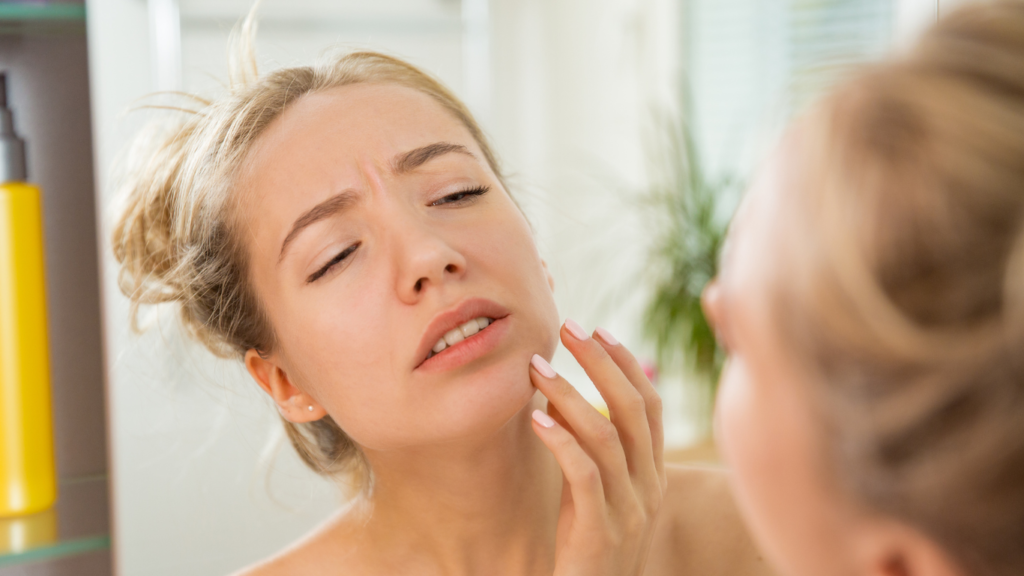
A significant drawback of DIY skincare is the assumption that one remedy works for all skin types. However, a treatment suitable for oily skin might be too aggressive for sensitive or dry skin, leading to irritation and adverse reactions. Understanding your specific skin type is essential before trying any home remedy. Experimenting with unverified solutions without professional guidance can trigger unwanted breakouts, redness, or even worsen pre-existing skin conditions such as eczema or rosacea. If unsure about which products or treatments are appropriate, it is always advisable to consult a dermatologist rather than rely on generic home remedies.
The Superiority of Professional Dermatological Treatments
Unlike DIY methods, professional dermatological treatments are scientifically backed and specifically designed to meet individual skin needs. Dermatologists use clinically tested products and advanced techniques, such as chemical peels, laser therapy, and prescription-strength treatments, to ensure optimal results with minimal risks. These treatments are personalized to address specific concerns, whether it’s acne, hyperpigmentation, or premature aging, thereby providing safer and more effective outcomes.
Investing in Expert Skincare for Long-Term Benefits
While DIY skincare may seem cost-effective and convenient, it often leads to more harm than good. Seeking professional advice not only prevents potential skin damage but also promotes long-term skin health. A dermatologist can recommend suitable products and treatments tailored to an individual’s skin type, ensuring better and longer-lasting results.
In conclusion, although home remedies may appear appealing, they come with significant risks. Prioritizing expert skincare over DIY methods is the best approach to achieving healthy, glowing skin without unnecessary complications.