Business
SAG-AFTRA’s New Ad Deal Signals a Shift in Talent Rights
After months of negotiation and growing tension behind closed doors, SAG-AFTRA and the advertising industry’s top players have finally reached a tentative agreement. This successor deal, aimed at replacing the old contracts governing how union performers work in commercials, could shape the future of advertising talent across the U.S. With the commercial world leaning more digital, and actors demanding better pay, protections, and transparency, this agreement is not just a handshake—it’s a shift in how labor and brand storytelling will coexist moving forward.
In the last few years, a silent tug-of-war has been unfolding in the world of commercial advertising. Actors wanted more than a line in a script—they wanted a fair share of the value they bring to campaigns. As influencers blur the lines between creators and performers, and AI tools creep into talent spaces, the existing contracts had started to feel more like relics than roadmaps.
Now, with this tentative agreement in place, there’s cautious optimism from both sides.
For advertisers, this deal promises stability. For performers, it signals progress. And for the entertainment industry at large, it’s a rare moment of collaboration in an otherwise labor-charged year.
SAG-AFTRA has been at the heart of nearly every major labor conversation in entertainment over the past 18 months. From strikes to streaming wars, the union has had to defend its members in an era where traditional roles are being rewritten. With AI-generated voices, digital doubles, and shrinking royalties, the talent pool has been pushing back, asking for updated rules that reflect new realities.
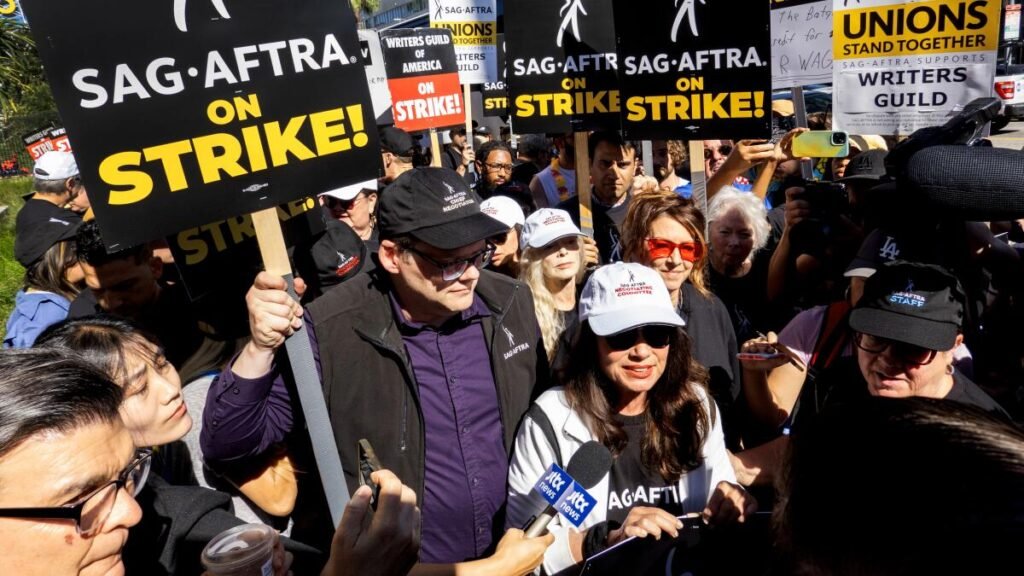

This tentative agreement doesn’t just patch up the old—it lays the foundation for what comes next. While full details are still under wraps, both parties have hinted at major updates in compensation models, residual structures, and digital usage rights. One likely change? Stronger guardrails around AI and how it can (or can’t) be used to replace human performers in advertising.
The commercial sector might not get the same press as blockbuster films or primetime series, but it’s a cornerstone of many actors’ incomes. A single ad campaign can sometimes pay more than a minor role in a streaming series. So when these contracts expire, it’s not just about creative freedom—it’s about financial survival for thousands of performers.
Advertisers, on the other hand, are navigating their own shift. With content demand at an all-time high and consumers expecting authentic, diverse storytelling, the pressure to cast right—and do right by talent—has never been stronger. They need access to union talent, but they also need flexibility, speed, and budgets that make sense in an increasingly data-driven landscape.
That’s what makes this agreement so significant. It’s a signal that both sides are willing to adapt, innovate, and meet in the middle.
It also arrives at a time when brand messaging is under a microscope. Consumers are more tuned in to how brands behave behind the scenes. Ethical sourcing now includes talent treatment. A campaign with a great message but exploitative contracts? That doesn’t fly anymore. This deal, if ratified, could help brands stay on the right side of consumer trust.
The next step is ratification. Union members will get to vote on whether this agreement becomes official. While most expect it to pass, nothing is guaranteed. Union leadership has expressed strong support, signaling that the deal hits key demands. But performers are more informed—and more vocal—than ever before. They’ll read the fine print. They’ll ask tough questions.
And that’s a good thing. Because contracts that affect the creative economy should never be decided in silence.
As we wait for final approval, one thing is clear: this deal is more than a piece of paper. It’s a reflection of how talent, technology, and storytelling are colliding in the ad world. It shows that unions are still powerful when organized, and that advertisers are willing to evolve when the stakes are high.
In a year that’s been filled with division across industries, this tentative agreement offers a different narrative—one of cautious collaboration. And in the business of persuasion, maybe that’s the most powerful message of all.
Level Up Insight:
This agreement isn’t just about actors and ads—it’s about modern work. As industries digitize, human talent remains a brand’s strongest asset. Protecting it isn’t just ethical—it’s smart business. The brands that lead with fairness will be the ones that win both hearts and headlines.