Tech
The Rise of Robotic Window Cleaners and the Future of Automation
Michael Brown never imagined that his career would shift from office supplies and distribution to robotics and automation. But one day, as he drove through Manhattan, he noticed something that hadn’t changed in decades—workers dangling from ropes, cleaning the towering glass facades of skyscrapers. The sight sparked an idea: why not replace this risky, outdated method with something safer, smarter, and faster?
Now, he’s leading a company that is not just revolutionizing window cleaning but redefining how urban buildings are maintained.
Beyond Just Cleaning: A Smarter Future for Skyscrapers
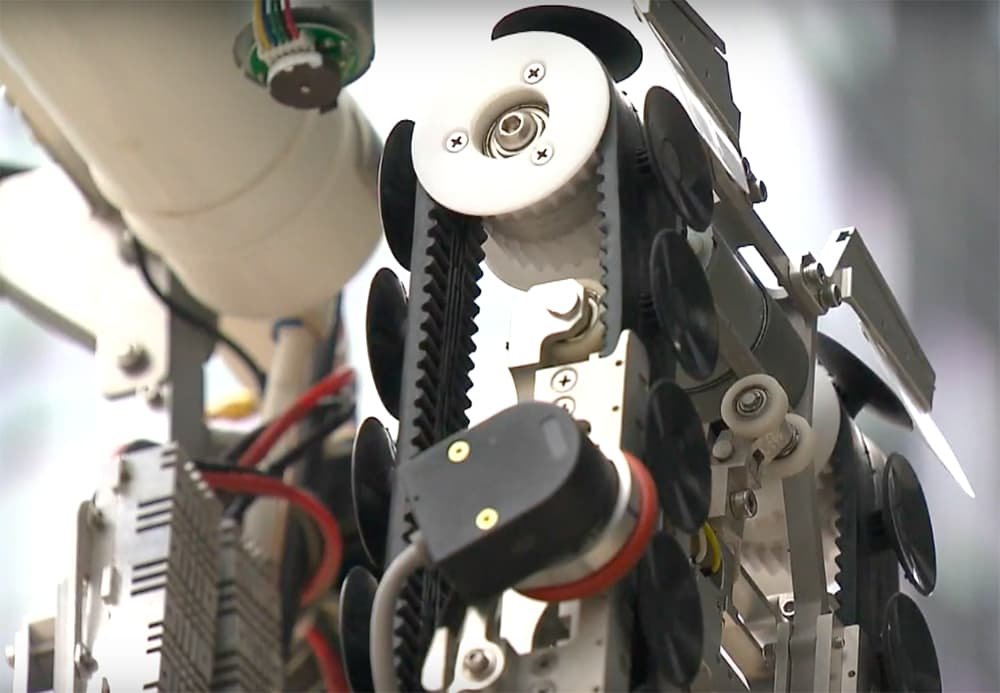
Traditional window cleaning for high-rise buildings is slow, dangerous, and dependent on human labor. The latest advancement in this space involves robotic arm systems, similar to those used in manufacturing but reengineered for high-rise exteriors. Mounted on traditional building maintenance units (BMUs), these robotic systems autonomously map surfaces using LiDAR technology, calculating the most efficient cleaning path hundreds of times per second.
It’s not just about speed—although these robotic cleaners can work three times faster than a human. The real breakthrough lies in their ability to collect and analyze data. While scrubbing glass, these robots simultaneously scan buildings for structural health issues, detecting cracks, sealant degradation, moisture infiltration, and even minor material shifts. This transforms routine cleaning into real-time building inspections, preventing costly repairs and improving energy efficiency.
The Power of Data in Building Maintenance
High-rise buildings are rarely inspected as frequently as they should be. In many cases, structural assessments occur only once every decade, leaving ample time for unnoticed damage to escalate. But with these robotic systems, real-time monitoring provides continuous updates on building health.
This shift from scheduled inspections to data-driven maintenance presents significant advantages. Building owners can fix problems as they arise rather than waiting for scheduled maintenance. Property developers gain better oversight of billion-dollar investments, manufacturers get real-world insights into how their materials age, and city officials can enforce safety standards more effectively.
This advancement also aligns with growing sustainability efforts. With the right data, buildings can optimize HVAC usage, reduce energy waste, and extend the lifespan of materials—all of which contribute to greener, more efficient cities.

Aging Workforce Meets Smart Automation
While some fear that robotics will replace human jobs, this technology is actually addressing an existing labor shortage. Window washing is an aging profession. In many major cities, the number of trained workers has dropped significantly over the past decade. Meanwhile, skyscrapers are only getting taller and more numerous.
These robotic systems function as labor augmentation rather than replacement. They work alongside existing commercial cleaning firms, taking on the most dangerous tasks while allowing human workers to focus on safer, more specialized roles. By integrating within the current labor framework and working closely with regulators, these robotic cleaners have already gained approval in some of the strictest markets for working at height.
This cooperative approach ensures a smoother transition into automation while maintaining job opportunities for skilled workers in the field.
Scaling Up: A Global Vision
While this innovation started in one city, its applications are global. There are approximately 68,000 skyscrapers worldwide that require specialized maintenance, creating a massive market for this kind of automation.
Strategic partnerships with major BMU manufacturers have provided a direct pathway for expansion. Hundreds of new skyscrapers are built each year, and many are now integrating robotic cleaning systems directly into their infrastructure before the first window even needs to be washed.
This model not only accelerates adoption but also ensures that future high-rises are designed with automation in mind, reducing maintenance costs and increasing efficiency from day one.
Beyond Windows: The Next Frontier
The implications of this technology stretch beyond skyscraper maintenance. Other industries facing similar challenges—such as maritime shipping, where cleaning ship hulls in dry dock can cost millions per day, or aerospace, where reusable rockets require meticulous maintenance—could also benefit from robotic cleaning and inspection systems.
As the technology evolves, the next steps involve making these robots lighter, smarter, and more versatile. The goal is to develop systems that can handle a wider range of surfaces, environments, and maintenance tasks.
For now, the focus remains on perfecting the technology, but the long-term vision is clear: a world where automation plays a key role in maintaining infrastructure, reducing risks, and optimizing efficiency across multiple industries.
The Future of Smart Cities
This innovation represents more than just an improvement in window cleaning—it’s a glimpse into the future of smart cities. As more industries embrace automation, urban environments will become more data-driven, efficient, and sustainable.
With advancements in AI, robotics, and real-time analytics, the buildings of the future won’t just be taller—they’ll be safer, smarter, and more self-sustaining. And if these developments continue at their current pace, soon enough, the sight of workers dangling from ropes to clean skyscraper windows may be nothing more than a memory from the past.