Fashion
How Trump’s Climate Policy Shifts Challenge Fashion’s Net-Zero Goals
When President Donald Trump assumed office in January 2017, his first actions signaled a dramatic shift in U.S. climate policy, with long-lasting repercussions for global sustainability efforts. Among his early executive moves was the withdrawal of the U.S. from the Paris Agreement, a global pact aimed at limiting global warming to well below 2°C, ideally 1.5°C, to prevent the worst effects of climate change. For industries like fashion, whose global supply chains are intricately linked to international climate policies, these actions represented a significant setback. The fashion industry, already under pressure to reduce its environmental footprint, now faced the challenge of navigating a policy landscape that seemed increasingly hostile to sustainability goals.
U.S. Exit from Paris Agreement: Implications for Fashion and Global Climate Efforts
Trump’s decision to withdraw the U.S. from the Paris Agreement marked a crucial turning point in global climate diplomacy. Signed in 2016, the Paris Agreement sought to unite nations in the fight against climate change by setting ambitious emissions reduction targets. The U.S. exit complicated international cooperation, leaving a vacuum that made it harder for industries worldwide to align with global climate goals. For fashion, which accounts for a significant portion of global emissions, this decision was a blow to the progress made toward achieving net-zero emissions by mid-century. The U.S. withdrawal, particularly on the heels of its re-entry under President Biden, raised serious concerns about the future of global efforts to combat climate change and how industries like fashion would adapt to a shifting policy environment.
Fossil Fuel Focus vs. Sustainability: How Trump’s Actions Challenge the Fashion Industry
One of Trump’s defining policy goals was to revive and expand fossil fuel production, often championing the U.S. as an “energy dominant” nation. By loosening regulations on fossil fuel infrastructure and fast-tracking approvals for oil, gas, and power projects, Trump sought to stimulate growth in the U.S. energy sector. However, this vision of fossil fuel expansion stood in direct contrast to the growing global shift toward renewable energy and sustainable practices across industries. For the fashion industry, which is increasingly prioritising sustainability and responsible sourcing, Trump’s policies presented a challenge. As fossil fuel production surged, industries with high carbon footprints like fashion faced mounting pressure to reconcile their operations with a world that was increasingly focused on mitigating climate change. The fashion sector, which is particularly vulnerable to the impacts of climate change through disruptions in supply chains and resource availability, now found itself at odds with national policies that seemed more attuned to the interests of the fossil fuel industry than to those of environmentally conscious industries.
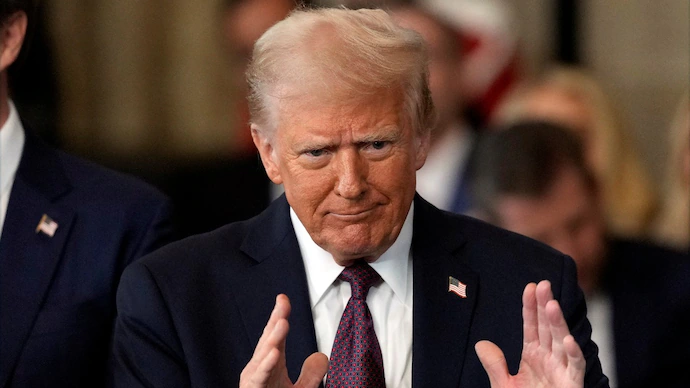

The Clash of Energy Dominance and Sustainability: Trump’s Impact on Fashion’s Future
Trump’s relentless push for “energy dominance” had a ripple effect on industries across the globe, including fashion. While fossil fuel production may have been seen as a short-term economic boon, the long-term environmental costs were becoming harder to ignore. The fashion industry, which has been making strides toward more sustainable practices, found itself navigating a complex landscape. On the one hand, the U.S. was retreating from global climate leadership, retreating from initiatives that would have made it easier for industries to transition toward cleaner alternatives. On the other hand, the global shift toward renewable energy and sustainability continued to gather momentum, with companies in fashion and other sectors increasingly adopting environmentally friendly practices to stay competitive. For fashion, the challenge now lay in balancing its sustainability commitments with the realities of a policy landscape that seemed increasingly out of step with global climate imperatives.
Global Climate in Crisis: Trump’s Policies Threaten Fashion’s Net-Zero Ambitions
Trump’s executive orders, including the U.S. exit from the Paris Agreement and efforts to roll back emissions regulations, directly threatened many of the climate initiatives that were set to drive the global transition toward sustainability. For the fashion industry, which has already been grappling with its environmental impact, these moves represented a major obstacle. Achieving net-zero emissions is a complex and long-term goal, particularly for an industry that relies on global supply chains and resource-intensive production processes. Trump’s rollback of environmental protections made it more difficult for fashion to align with global climate targets and further exacerbated the challenge of reaching the necessary levels of collaboration across countries to meet climate goals.
Energy Dominance vs. Clean Energy: Trump’s Legacy and Fashion’s Climate Challenges
While Trump’s policies favoured the fossil fuel industry, the global energy transition was making steady progress. Renewable energy technologies, such as solar and wind power, continued to fall in price and gain market share. In fact, many regions now find renewable energy to be the most cost-effective option for electricity generation. For industries like fashion, the transition toward cleaner energy sources became both a necessity and an opportunity. The pressure to adopt more sustainable practices has grown as the environmental impact of fashion production continues to rise. Trump’s focus on fossil fuels, however, threatened to slow down this transition by prioritising infrastructure that would extend the life of non-renewable energy sources, putting additional pressure on industries that had already begun moving toward cleaner alternatives.
Navigating Sustainability in Uncertain Times: The Impact of Trump’s Climate Policies on Fashion
As the U.S. reversed course on climate action, the fashion industry found itself caught in an uncertain policy environment. Fashion brands that had been making significant strides toward sustainability now had to contend with a government that appeared more interested in fostering fossil fuel production than in advancing policies to tackle climate change. For many companies, this uncertainty created challenges in setting long-term sustainability goals. Some brands, particularly those with global supply chains, found it increasingly difficult to align their practices with international climate commitments in the face of the U.S. pulling back from its leadership role. As a result, fashion had to adapt quickly to these new realities, relying on private sector resilience to continue pushing forward with its sustainability initiatives despite the changing political landscape.
Fashion and Fossil Fuels: How U.S. Policy Shifts Undermine Global Climate Goals
Trump’s aggressive stance on fossil fuels, including withdrawing from the Paris Agreement and easing regulations on drilling and emissions, posed a significant threat to the fashion industry’s ability to achieve sustainability. These policy shifts undermined global efforts to tackle climate change by signalling that the U.S. was no longer committed to addressing the climate crisis on the international stage. For industries like fashion, which are closely tied to global supply chains and reliant on international cooperation, the retreat of the U.S. from its climate commitments made it harder to achieve the ambitious emissions reductions necessary to meet the targets set by the Paris Agreement. The fashion sector, already grappling with its environmental impact, was left to navigate these new challenges as the global fight against climate change continued without full U.S. participation.
Trump’s Climate Agenda: What it Means for Fashion’s Path to Sustainability
Trump’s actions created significant uncertainty for industries like fashion that were striving to meet sustainability goals. The fashion industry, which has been actively working to reduce its carbon footprint and adopt more responsible production methods, faced an uphill battle as Trump’s policies favoured fossil fuels over clean energy. The uncertainty surrounding climate policy under his administration meant that many fashion companies had to reevaluate their strategies, focusing on sustainability amid a political environment that seemed to prioritise short-term economic gains over long-term environmental goals. This uncertainty ultimately underscored the need for industries to remain resilient and adaptive, despite the political climate that threatened to derail their progress.
From Paris to Fossil Fuels: The Battle Between Climate Progress and Political Power
Trump’s presidency highlighted the tension between political power and global efforts to combat climate change. While the U.S. turned inward and focused on boosting fossil fuel production, the world continued to move toward a future powered by renewable energy. For industries like fashion, the need to balance short-term policy shifts with long-term sustainability goals was more pressing than ever. As the U.S. retreated from international climate agreements, the private sector found itself leading the charge for climate action. Fashion’s role in this transition will depend on its ability to navigate political shifts and continue pushing forward with sustainable practices, even when the policy landscape is in flux.