Tech
How AI is Fighting Counterfeit Luxury Goods: A Revolution in Authentication
In today’s world of luxury products, counterfeits are a growing threat to both brands and consumers. From high-end handbags to expensive watches and sneakers, counterfeit goods are infiltrating the market at an alarming rate, creating an economic impact that could reach an astounding $1.79 trillion by 2030. Luxury brands are now turning to a new ally in the battle against these fake products—artificial intelligence (AI). With AI, businesses are enhancing the authentication process, ensuring that only genuine goods make it to the market, offering greater security to both retailers and buyers.
The Rise of AI-Driven Authentication
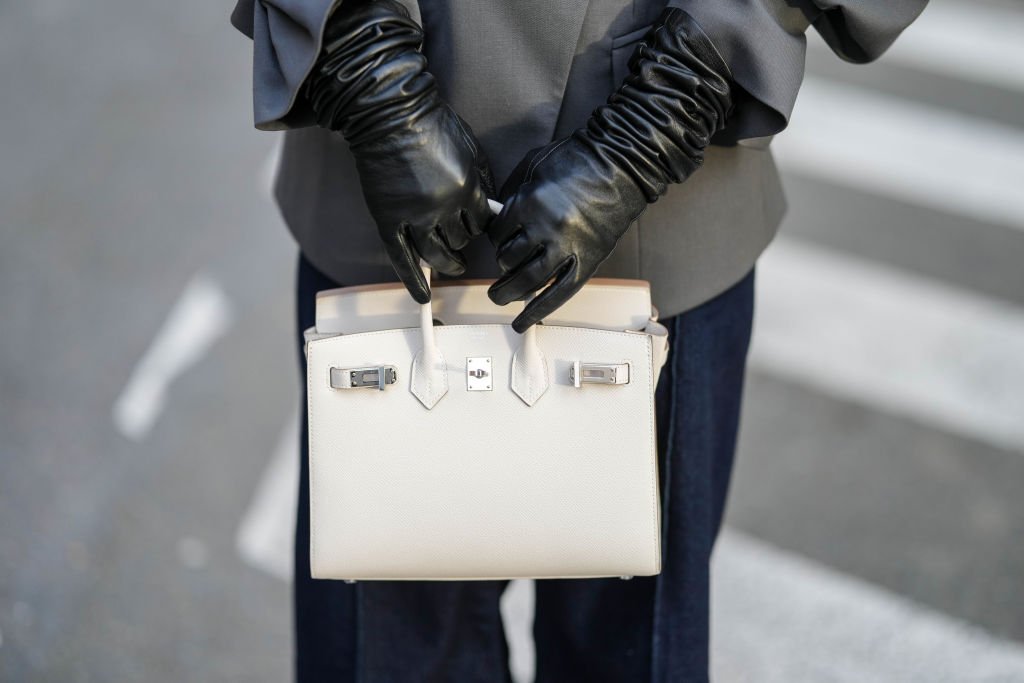
Luxury items such as Hermès’ iconic Birkin bags, Rolex watches, and Louis Vuitton accessories have long been targets for counterfeiters. However, the complexity of these products, including intricate stitching, premium materials, and specific design details, makes them difficult to replicate perfectly. To combat the threat, businesses are adopting advanced AI solutions that analyze key product features with precision, surpassing the limitations of human authentication.
AI-based tools, such as those used in the authentication of luxury handbags, have transformed the way these goods are verified. For instance, a robotic system with a high-powered camera can examine a bag from various angles, scrutinizing the texture, stitching, and overall craftsmanship under a microscope. This level of detail not only improves the speed of authentication but also boosts accuracy, identifying potential counterfeits with a high degree of confidence.
The Role of AI in Counterfeit Detection
AI is not just revolutionizing how products are authenticated; it’s also being used proactively to identify counterfeit listings in the marketplace. By leveraging powerful algorithms, AI tools can scan millions of online listings for potential fakes, analyzing product descriptions, images, and pricing patterns to detect fraudulent goods before they reach unsuspecting buyers. With AI constantly monitoring digital marketplaces, brands can act quickly to have counterfeit products removed, ensuring that only authentic goods are sold to consumers.
For businesses, this continuous scanning and real-time verification reduces the burden on human inspectors and speeds up the detection process, preventing counterfeit goods from being sold. Additionally, brands can use AI to create custom authentication reports, providing buyers and resellers with tangible proof of authenticity for every luxury item.
The Power of Deterrence
While AI might never fully eliminate the presence of counterfeit products, it acts as a strong deterrent. By implementing AI-driven solutions, luxury brands can signal to counterfeiters that they are closely monitoring the market and ready to act against fraudulent activity. These measures not only protect the integrity of the brand but also safeguard consumers from unknowingly purchasing fake products.
As AI continues to evolve, so too will its ability to detect even the most sophisticated counterfeits. The future of luxury goods authentication lies in the integration of AI and human expertise, creating a robust defense against the growing problem of counterfeit luxury items.

how-ai-is-fighting-counterfeit-luxury-goods-a-revolution-in-authentication
AI and the Future of Authenticity
The increasing prevalence of counterfeit luxury goods poses a serious challenge, but the rise of AI-driven authentication solutions is a game-changer. With AI’s precision, speed, and scalability, luxury brands can stay ahead of counterfeiters, protecting their products, their reputation, and their customers. In an era where authenticity is everything, AI is paving the way for a more secure and transparent market for high-end goods.