Fashion
Denim The Ever-Evolving Fabric of Democracy and Sustainability
Few garments embody timelessness and versatility like denim. Worn across generations, genders, and cultures, jeans transcend social barriers and have cemented their place as a universal wardrobe staple. Denim’s rich history, rooted in workwear and rebellion, continues to evolve, blending tradition with innovation and sustainability.
A Growing Market with Ethical Challenges
Denim remains a robust market. As Rosey Cortazzi, global marketing director for Turkish denim supplier Isko, explains, “We’re extremely optimistic about the health of the denim market and have expanded our capacity to meet increased demand.” Isko has scaled its operations, reflecting denim’s enduring popularity. However, with growth comes responsibility. The denim industry, celebrated for its authenticity, must prioritise sustainability and worker welfare to uphold its values.
Fashion Revolution Week—held during the anniversary of the Rana Plaza collapse in Dhaka, Bangladesh—highlights the importance of transparency in the fashion supply chain. Brands like Dutch label MUD Jeans are leading the charge by integrating sustainable practices. MUD’s CEO, Bert van Son, emphasises the human aspect of production, stating, “It’s essential that the people who make our jeans live a good life.” MUD’s manufacturing processes save resources, recycle 95% of production water, and use post-consumer materials to create new jeans.
Levi’s, a brand synonymous with denim’s heritage, has demonstrated its commitment through the Worker Well-Being Initiative. This program, benefiting nearly 100,000 workers across 12 countries, goes beyond factory walls to improve lives through health education, family welfare programs, and financial empowerment. Levi’s plans to expand these efforts, aiming to positively impact 300,000 workers by 2025.
A Canvas for Innovation and Expression
Denim’s versatility has inspired designers to push boundaries. Ritwik Khanna, founder of Rkive City, transforms denim through patchwork, embroidery, and avant-garde tailoring, creating zero-waste designs from post-consumer materials. “Denim is magic,” Khanna says. “It can be anything and is built to last.” His work celebrates denim’s ability to carry stories, with clients repurposing garments from loved ones into new creations.
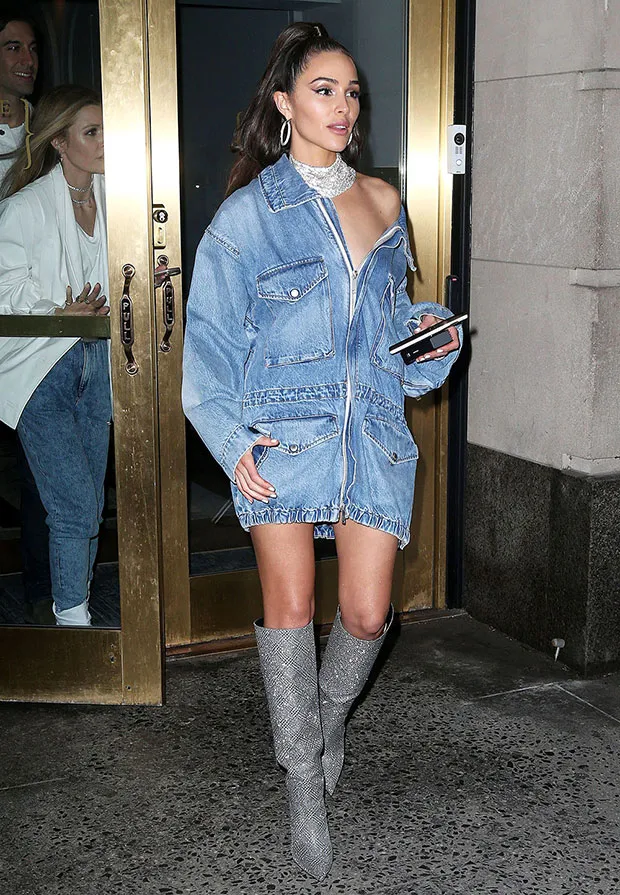
The material’s rebellious spirit—immortalised by icons like James Dean and Marilyn Monroe—continues to inspire. Denim historian Mohsin Sajid notes its enduring identity as a medium for breaking rules. High fashion has embraced this ethos, with brands like Valentino and Bottega Veneta reimagining denim in luxurious and avant-garde ways. Meanwhile, sustainability-focused innovations, such as using natural tints or 3D creases, showcase denim’s capacity for reinvention.

Denim as a Symbol of Sustainability and Democracy
Denim’s narrative is intrinsically linked to sustainability. As Ani Wells, a sustainability consultant, observes, denim’s “living fabric” quality lends itself to longevity and innovation. From recycled fibres to eco-friendly dyeing techniques, the industry is embracing circularity through the principles of reuse, repair, and recycle.
This adaptability makes denim a symbol of democracy in fashion. As Khanna aptly puts it, “Everyone understands it, from your grandparents to your children. It communicates with anyone.” Denim’s journey—from its origins in 19th-century workwear to its role in modern sustainability efforts—illustrates its enduring relevance and its power to reflect societal values.
The Future of Denim
As we move toward a more sustainable future, denim is poised to lead the conversation. Its capacity to balance heritage with innovation and its role as a cultural touchstone ensure its place at the forefront of ethical fashion. Denim’s evolution mirrors the wisdom of age, proving that authenticity, resilience, and adaptability are timeless qualities. Indeed, denim remains a fabric for the people, by the people.