Tech
The Digital Tightrope: Balancing AI’s Promise with Security’s Imperative in a Hyper connected World
We’re living in an era of unprecedented technological integration, where artificial intelligence (AI) is no longer a futuristic concept, but a pervasive force weaving itself into the very fabric of our daily lives. From the seamless, personalised recommendations that curate our online shopping experiences, anticipating our needs with uncanny accuracy, to the increasingly sophisticated virtual assistants that manage our household tasks, schedule appointments, and control smart home devices, AI is undeniably enhancing convenience and efficiency. This integration is not merely a novelty; it represents a fundamental shift in how we interact with technology, promising to streamline processes, automate mundane tasks, and personalise experiences to an extent previously unimaginable.
Consider the burgeoning field of AI-driven healthcare, where algorithms are being used to analyse medical images, detect diseases earlier, and even personalise treatment plans. Or the rise of autonomous vehicles, promising safer and more efficient transportation. In the realm of business, AI is revolutionising customer service with chatbots and intelligent automation, while predictive analytics optimise supply chains and financial forecasting. These examples underscore the profound impact AI is having across diverse sectors, driving innovation and transforming industries.
However, this surge in AI-driven convenience is not without its challenges. As we become increasingly reliant on digital platforms for communication, commerce, education, and even basic daily tasks, the spectre of cybersecurity threats looms larger than ever. The proliferation of connected devices, the rise of sophisticated phishing attacks, and the increasing sophistication of ransomware have created a complex and volatile threat landscape. This heightened reliance has triggered a critical focus on cybersecurity awareness, compelling individuals and businesses alike to adopt more robust security measures.
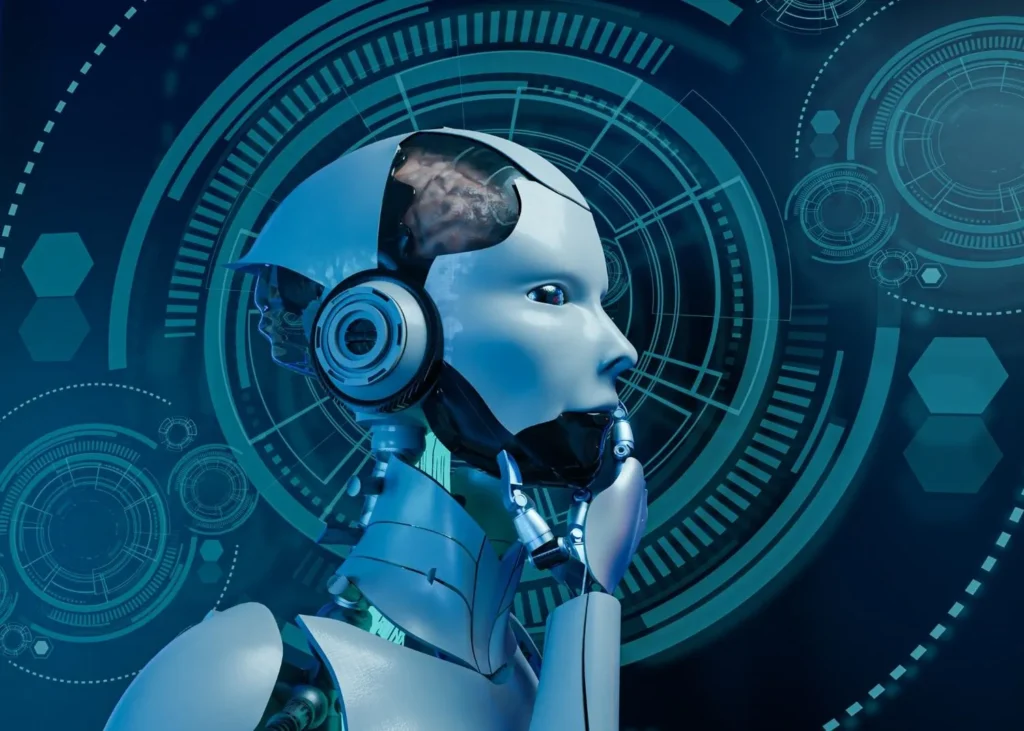

Protecting personal and sensitive information has become paramount, driving the development and implementation of advanced encryption techniques, multi-factor authentication protocols, and sophisticated threat detection systems powered by AI itself. Organisations are investing heavily in cybersecurity infrastructure, employing skilled professionals, and implementing comprehensive security policies to mitigate risks. The concept of “zero trust” security, where every user and device is treated as potentially compromised, is gaining traction as a proactive approach to safeguarding data.
Furthermore, the rise of AI itself presents new security challenges. Deepfakes, AI-generated misinformation, and the potential for AI-powered cyberattacks are emerging threats that require innovative solutions. The ethical implications of AI, including issues of bias, privacy, and accountability, are also being debated and addressed.
The digital landscape, once a frontier of boundless opportunity, now demands a delicate balancing act: harnessing the transformative power of AI while simultaneously safeguarding against the ever-evolving threats that accompany our interconnected world. This digital tightrope walk requires a proactive and multi-faceted approach, where technological innovation and security awareness go hand in hand, ensuring that the promise of AI can be realised without compromising the safety, privacy, and integrity of our digital lives. It necessitates a collaborative effort between governments, businesses, and individuals to develop and implement robust security frameworks, promote digital literacy, and foster a culture of cybersecurity awareness. As AI continues to evolve and integrate into our lives, the need for vigilance and adaptation will only intensify, making the balance between innovation and security a defining challenge of our time.