Business
Bezos-Owned Washington Post Grapples with Layoffs, Talent Exodus, and Financial Struggles
The Washington Post, owned by Amazon founder Jeff Bezos, has entered 2025 grappling with significant challenges, including financial losses, layoffs, and internal turmoil, all while navigating the political landscape ahead of Donald Trump’s second presidency.
As part of its effort to address financial struggles, the storied newspaper recently announced it would lay off nearly 100 employees—around 4% of its workforce—primarily affecting the business side. This move follows a trend of cost-cutting measures, including voluntary buyouts offered in 2023, which sought to reduce headcount by 10%. Despite these efforts, the publication reported a staggering $77 million loss last year, exacerbated by declining readership and subscription cancellations.
Tensions in the newsroom reached a new high after Jeff Bezos blocked The Post’s traditional endorsement of Vice President Kamala Harris during the 2024 election season. This decision, which Bezos defended as a necessary measure to combat perceptions of media bias, led to a mass exodus of 250,000 subscribers and further alienated staff. Pulitzer Prize-winning cartoonist Ann Telnaes resigned after the newspaper refused to publish her satirical cartoon targeting Bezos and other tycoons for their apparent alignment with President-elect Trump.
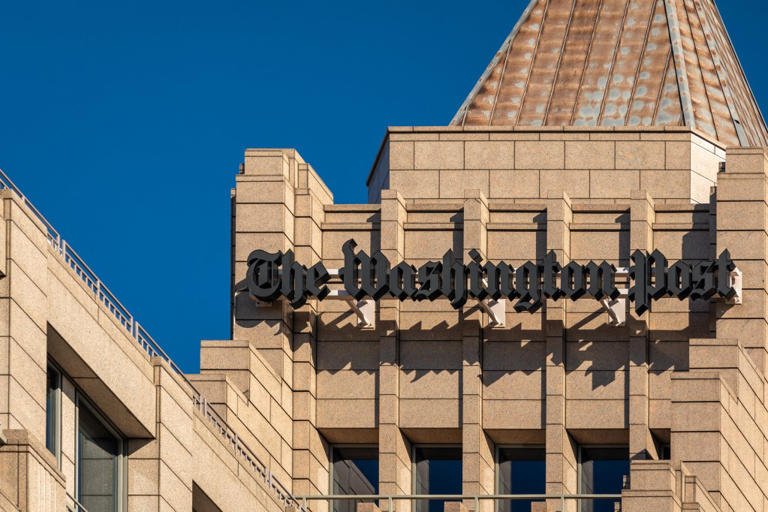

The leadership struggles within The Post are equally concerning. Will Lewis, appointed as publisher and CEO by Bezos, has faced criticism from staff for his blunt communication style and perceived inaction. Following the controversial departure of executive editor Sally Buzbee, Lewis has yet to provide clarity on the paper’s strategic direction or appoint a permanent replacement. The recent appointment of former Wall Street Journal editor-in-chief Matt Murray as executive editor has done little to address concerns.
Adding to the woes is the departure of high-profile journalists, including investigative reporter Josh Dawsey and managing editor Matea Gold, who left for competitors like The Wall Street Journal and The New York Times, respectively. These exits underscore the growing talent drain that has left The Post appearing, as one insider described, “rudderless.”
Bezos’ recent actions, including Amazon’s $1 million donation to Trump’s inauguration fund and his praise for Trump’s political comeback, have sparked further controversy. Such moves have intensified speculation about the billionaire’s influence on the paper and its journalistic independence.
The Washington Post faces an uphill battle to rebuild its financial stability, regain trust from its audience, and navigate internal unrest. As the publication continues its “transformation to meet the needs of the industry,” the road ahead appears uncertain for this iconic newspaper.